
Views: 222 Author: Tina Publish Time: 2025-11-09 Origin: Site


Content Menu
● Understanding the Pool Pump's Role
>> How the Circulation System Works
● Why Run the Pool Pump While Swimming?
>> Immediate Filtration and Cleanliness
>> Optimal Chemical Distribution
>> Bather Safety and Water Quality
● The Engineering: Inside the Pool Pump
● Safety Considerations: Entrapment, Electricity, and More
● Real-World Scenarios: Operational Examples
● Pool Pump Types and Choosing the Right Model
● Routine Maintenance Tasks for Longevity
● Illustrated Guide to Safety Features (Images & Videos)
● Environmental and Energy Considerations
● Troubleshooting Common Pool Pump Issues
● Integrated Expert Advice & Recap
● Frequently Asked Questions (FAQ)
>> 1. Is it safe to run my pool pump while swimming?
>> 2. How long should I run my pump each day?
>> 3. What kind of pump is most energy-efficient?
>> 4. How do I prevent electrical hazards?
>> 5. What should I do if my pump is making noise or losing suction?
Swimming pool maintenance can be a complex subject, especially for private pool owners or commercial pool operators who want the safest, cleanest, and most efficient swimming environment possible. One of the most frequently asked questions is: should you run your pool pump while people are swimming? This article provides an in-depth, practical, and technical guide, illustrated with plenty of visuals, covering the role of pool pumps, the best practices for their operation, safety considerations, and step-by-step maintenance procedures.
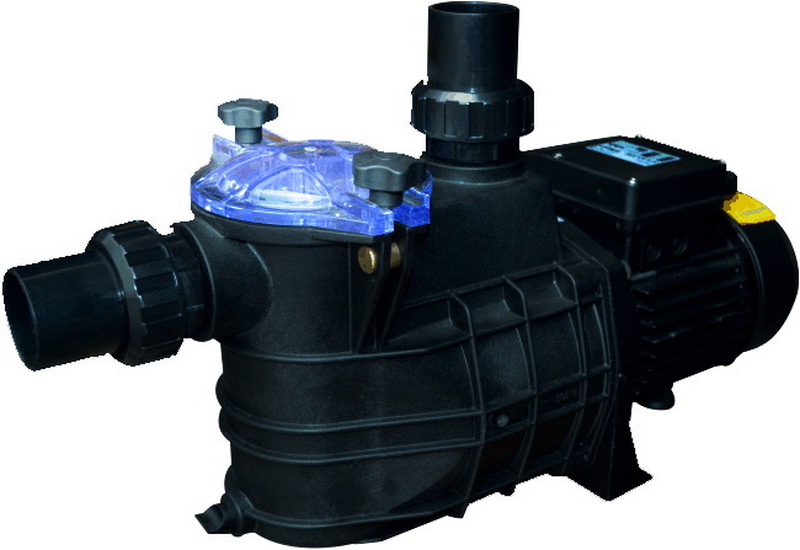
A pool pump is often described as the "heart" of a swimming pool's circulation system, responsible for drawing water from the pool through a filtration system, trapping debris, and returning clean, sanitized water back into the pool. The pump ensures all water passes through not only the filter but also other pool equipment, like heaters, chlorinators, and chemical feeders, ensuring proper blending of essential pool chemicals and a consistent water quality throughout the pool.[1][2][7]
- Water is sucked from the pools' skimmers and main drain through the suction lines.
- The pump pushes water through the filter, where debris, bacteria, and particulate matter are captured.
- The cleaned water may then pass through a heater, chlorinator, or salt cell before being returned via the return jets.[2][1]
- This closed-loop process ensures continuous circulation, which greatly enhances chlorine efficacy, prevents stagnation, and discourages the development of algae or cloudy water.[5][7]
Pool professionals, equipment manufacturers, and pump suppliers recommend referring to detailed diagrams, which can visually map how water enters the pool pump, moves through filters and heaters, and returns to the pool. Explore product photos and explainer images for typical pump and filter setups on reputable image libraries.[10][11][12]
Running your pool pump during swimming provides continuous filtration, rapidly removing dirt, oils, hair, sunscreen, sweat, and other organic debris that bathers introduce. This is especially important during periods of high usage or after parties where contaminant load increases significantly.[1][2]
The pool pump promotes the thorough mixing and dispersion of chemicals. If chlorine, algaecide, or pH balancers are added, running the pump ensures these treatments reach all areas of the pool and do not concentrate in one spot.[7][1]
By maintaining optimal water movement throughout swimming periods, the system reduces the risks of stagnant water, chemical “dead spots,” and bacterial growth. This makes the pool not just cleaner, but significantly safer for all swimmers.[5][1]
Most pool professionals and equipment manufacturers explicitly recommend operating the pump during peak usage hours. This minimizes downtime between contamination events and cleanup.[13][7][1]
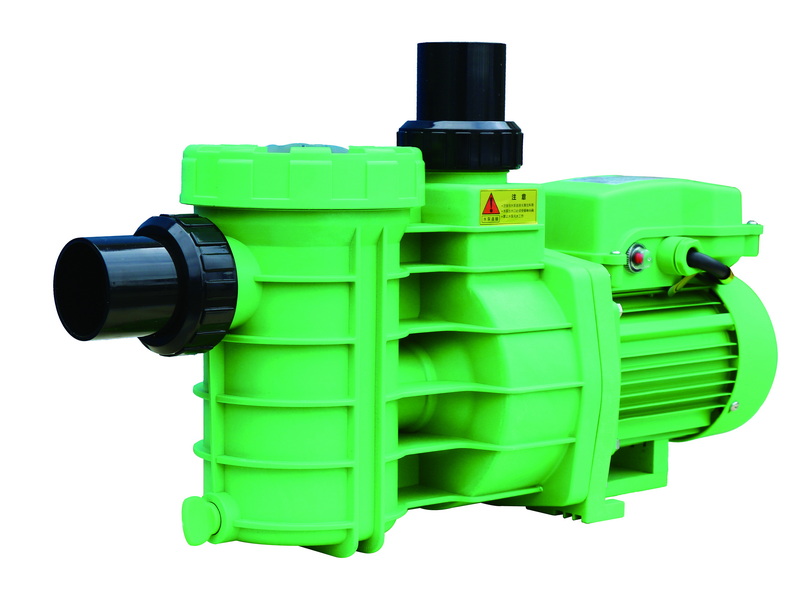
To fully appreciate the benefits (and necessary precautions) of running your pool pump during swimming, it's useful to understand its core mechanics and safety systems.
- Pump Housing and Lid: Where water first enters. The lid must be sealed tight to prevent air leaks.
- Strainer Basket: Traps large debris before it reaches the impeller.
- Impeller: Creates suction and pressure, moving water from the pool into the filter.
- Mechanical Seal: Prevents water from leaking along the motor shaft.
- Electric Motor: Powers the impeller, usually at high RPM.
- Plumbing Fittings & Valves: Direct water flow, isolate the system for maintenance, and allow adjustments.
- Electrical Controls: Timers and safety cutoffs to prevent running dry and avoid overheating.[4][6][2][5]
Modern pool pumps use centrifugal force. Water enters the eye of the impeller, then is rapidly accelerated outward into a volute casing, creating both suction (drawing water in) and discharge pressure (pushing water out through the filter and back to the pool).[5]
Proper operation and periodic maintenance are essential:
- Ensure the pump is always primed with water before starting (never “run dry”).[6][4]
- Clean out the strainer basket regularly.
- Lubricate O-rings and seals per manufacturer instructions.
- Inspect for leaks or drops in water pressure.
- Flush debris and sediment from the filter housing.
- Document abnormal noise, vibration, or heat and address issues early.[4][5]
Entrapment (hair, body, or limb being sucked toward a suction outlet) is a critical pool safety concern. Modern setups use:
- Safety Vacuum Release Systems (SVRS), which detect suction changes and stop the pump or break the vacuum automatically.
- Dual main drains or multiple suction inlets to distribute suction force more safely.[14][15][16]
- Anti-entrapment drain covers and compliance with local safety codes.
- Always install pool pumps with a ground fault circuit interrupter (GFCI) or residual current device (RCD) to minimize electrical risks.[14]
- Never operate with exposed wires, damp enclosures, or damaged switches.
- Maintenance and repair should only be undertaken with power disconnected.[4][5]
- Private Residential Pools: Owners are advised to run pumps during the day when swimmers are most likely using the pool, and supplement with overnight operation for cost savings and extended filtration.[17][18][1]
- Commercial or Public Pools: Regulations often require continuous or staged filtration at all times pools are in use, combined with robust safety and inspection logbooks.[9][14]
- Seasonal and Climate Factors: In warmer climates or during peak summer, extended operation and more frequent cleaning are common to combat increased debris and biological activity.
- Single-speed Pumps: Operate at a constant speed. Lower upfront costs but less efficient; gradually being phased out due to energy regulations.
- Dual-speed Pumps: Offer high and low speed. Provide some flexibility and energy savings but require manual or timer-based switching.
- Variable-speed Pumps: Allow precise control over flow rates, maximize energy efficiency, and generally deliver quieter operation.[19][20]
Proper sizing is crucial:
- Undersized pumps can't turn over pool water rapidly enough.
- Oversized pumps waste energy and can damage filters or plumbing.
- Consult flow charts, hydraulic calculations, and manufacturer documentation for best results.[20][7]
Location matters too—install in ventilated, accessible spaces with safe electrical connections and effective drainage.[6]
- Check water level: Too low can introduce air and cavitate the pump; too high may cause overflow.
- Empty pump basket weekly, more frequently in leaf-heavy environments.
- Schedule annual professional servicing, including checks for worn bearings, seals, or electrical integrity.
- Maintain accurate, up-to-date maintenance records as recommended by pool safety standards.[14][5]
- View diagrams of pump assemblies and filtration circuits from reputable equipment vendors.[11][12][10]
- Watch maintenance and safety demonstration videos from educational pool channels.[15][2]
- Examine photographs of modern anti-vortex main drain covers, multi-speed pump displays, and corrosion-resistant components.[12][10][11]
Running the pump during swimming is great for hygiene, but smart scheduling preserves resources:
- Use timers and sensors to optimize run schedules.
- Variable-speed models save energy over traditional designs.
- Clean filter elements regularly to minimize resistance and wasted power.[19][20][1]
- Consider local energy tariffs; run the pump outside of peak hours when possible.[21][17]
- Loss of Prime: Bubble in the pump, water not circulating. Check seals, gaskets, and ensure adequate water in the strainer pot.
- Unusual Noise: May point to clogged basket, cavitation, or failing bearings.
- Low Pressure: Inspect filter and impeller for obstructions.
- Tripped Breakers: Examine for electrical faults, short circuits, or water ingress.
- Overheating: Inadequate ventilation or oversizing—always ensure pump ratings match system requirements.[2][5]
Running your pool pump while swimming is safe, efficient, and industry best practice when supported by modern safety features and regular maintenance. Pumps should be chosen and maintained with care, run for sufficient daily hours, and always operated under strict safety guidelines. This not only guarantees crystal-clear water but also extends the life of valuable filtration and circulation equipment.
Operating your pool pump during swimming hours is essential for achieving and maintaining a healthy, clean, and safe pool environment. Continuous filtration during periods of use minimizes the impact of contaminants, aids in optimal chemical distribution, and enhances swimmer safety—provided systems have up-to-date anti-entrapment features and adhere to proper maintenance routines. By choosing the right pump, following expert scheduling advice, and using integrated safety and automation, pool owners and operators can maximize performance, energy savings, and peace of mind.[7][13][15][1][14]
Yes. Running the pump during use is safe and beneficial, provided the system uses entrapment protection features (SVRS, dual main drains, anti-vortex covers) and all equipment is professionally installed and maintained according to local code.[22][15][14]
Most experts recommend 8 to 12 hours daily, divided between day and night for optimal circulation and cost efficiency.[17][1]
Variable-speed pumps provide the best energy savings and can be adjusted for efficient low-speed operation outside of peak usage periods.[20][19]
Always install pumps with GFCIs/RCDs and have an electrician perform periodic safety inspections.[14]
Check for blockages, prime the pump, ensure the filter is clean, and contact technical support if the issue persists.[2][5]
[1](https://poolicons.com/pool-maintenance/complete-beginners-guide-to-pool-pump-operation/)
[2](https://www.youtube.com/watch?v=Ayk3co2KetE)
[3](https://aquatechnix.de/basiswissen/?lang=en)
[4](https://www.insnrg.com/wp-content/uploads/2024/08/IO-MANUAL-Si-Single-Speed-Pump.pdf)
[5](https://www.mislier.com/electric-swimming-pool-pump/)
[6](https://www.pentairpooleurope.com/sites/default/files/documents/manuals/2166__MANUAL_EN-_16.pdf)
[7](https://www.pentair.com/en-us/education-support/water-education-center/pool-and-spa-education/pool-pump-information-guide.html)
[8](https://www.capitolpool.com/service/operating-instructions)
[9](https://ke.usembassy.gov/wp-content/uploads/sites/5/2024/07/Swimming-Pool-Operations-and-Maintenance-Guide-Attachment-2.pdf)
[10](https://www.istockphoto.com/photos/pool-filter)
[11](https://www.shutterstock.com/search/pool-filter)
[12](https://stock.adobe.com/search?k=pool+equipment)
[13](https://poolpartstogo.com/blogs/articles/do-you-run-a-pool-pump-while-swimming)
[14](https://complianceandconsulting.com.au/pool-pump-safety-compliance-a-comprehensive-guide/)
[15](https://www.youtube.com/watch?v=31jA6BvLDlM)
[16](https://www.poolking.co/a-news-can-you-run-pool-filter-while-swimming.html)
[17](https://www.barrierreefpoolsperth.com.au/blog/running-your-fibreglass-pool-pump-efficiently-a-comprehensive-guide/)
[18](https://www.youtube.com/watch?v=YCkQYdKzH_8)
[19](https://www.poolsupplies.com/page/pumps-buyers-guide--faq)
[20](https://www.poolwerx.co.nz/blog/diy-advice/4-most-common-pool-pump-questions/)
[21](https://www.reddit.com/r/swimmingpools/comments/ulb13e/is_it_best_to_run_your_pump_during_the_day_or_at/)
[22](https://www.facebook.com/groups/637529959937311/posts/2640862539604033/)


