
Views: 222 Author: Tina Publish Time: 2025-12-17 Origin: Site


Content Menu
● Play Sand vs Pool Filter Sand
● Why You Should Not Use Play Sand in a Pool Filter
● Risks to Your Filter and Pool System
● Approved Alternatives to Standard Pool Filter Sand
● How to Choose the Right Sand for Your Pool Filter
● How Proper Filter Sand Improves Water Quality
● Recommended Media for Different Pool Owners
● OEM Sand Filters, Pumps, and Accessories for Global Buyers
● FAQs
>> 1. Can you ever mix play sand with pool filter sand?
>> 2. What grade of sand should be used in a pool filter?
>> 3. How often should pool filter sand be replaced?
>> 4. Is glass or zeolite better than regular pool sand?
>> 5. Will using play sand void my filter warranty?
>> 6. Where should I buy proper pool filter sand?
Pool filter sand is a high‑purity silica sand that has been washed, screened, and graded specifically for swimming pool filtration. Its grains are uniform and typically in the 0.45–0.55 mm range (often sold as #20 silica sand), allowing it to trap fine debris while still maintaining good water flow.[5][3][6][1]
A key feature of pool filter sand is its angular or sharp grain shape, which helps catch dirt, oils, algae, and other contaminants as water is forced under pressure through the sand bed. This sand is tested for consistency so that it does not compact excessively or break down too quickly inside the filter tank.[2][3][6][7]
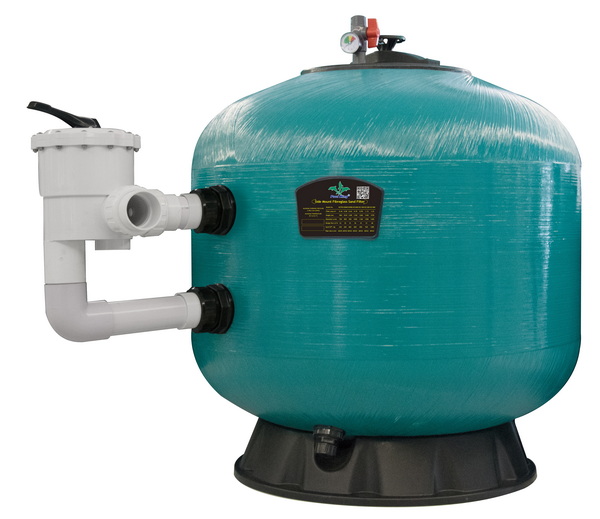
Play sand is a general‑purpose sand sold for children's sandboxes and landscaping, not for pressurized filtration systems. It often has mixed or rounded grain shapes and a wider, less controlled size distribution than pool filter sand.[8][9][2]
Because it is not processed to the same standards, play sand can contain more dust, fines, clay, and various mineral impurities, and in some cases may include heavy metals such as lead. These impurities can cloud water, stain surfaces, and potentially create safety concerns if they end up in pool water.[9][4][2]
Below is a practical comparison of play sand and pool filter sand for pool use.
| Feature | Pool Filter Sand | Play Sand |
|---|---|---|
| Intended use | Engineered for pool and water filtration systems beatbot+1 | Designed for sandboxes and general play, not filtration hyclor+1 |
| Grain size | Uniform, ~0.45–0.55 mm (#20 silica) beatbot+2 | Wider, inconsistent range; may be finer or mixed sizes aquariumscience |
| Grain shape | Angular to maximize debris capture hyclor+1 | Often rounded or irregular, less effective at trapping dirt hyclor+1 |
| Purity & washing | Thoroughly washed, screened, low in dust beatbot+2 | Not washed to filtration standards; more dust/fines hyclor+1 |
| Filtration performance | Filters particles down to about 20–40 microns lesliespool+1 | Poor, inconsistent filtration; can cause cloudy water hyclor+1 |
| Risk to equipment | Safe when used as specified by filter maker aquapalace+1 | Can clog, channel, or damage filter internals hyclor+2 |
| Safety considerations | Designed for water contact, known composition lesliespool+1 | May contain heavy metals or contaminants hyclor+1 |
Play sand does not match the grain size specifications required by pool sand filters, so it may either be too fine (leading to clogging and high pressure) or too coarse (allowing dirt to pass through and cloud the water). The inconsistent size and shape also cause uneven water flow, leading to channelling where water bypasses much of the sand bed and leaves contaminants in the pool.[4][1][2]
Because play sand is not washed or graded for filtration, its dust and impurities can immediately make the water cloudy and increase backwashing frequency. In addition, some play sand products may contain metals and minerals that stain pool walls and could be hazardous if ingested, making them unsuitable for pool environments.[2][9][4]
Using play sand can increase operating pressure in the filter if the grains are too fine, forcing the pump to work harder and shortening pump lifespan. Excessive pressure can also stress the filter tank, multiport valve, and internal laterals, increasing the risk of leaks or cracks.[12][1][4][2]
If the sand is too coarse or rounded, it will fail to trap particles effectively, so the pool remains cloudy and needs more chemicals to maintain clarity. Manufacturers of sand filter systems explicitly specify #20 silica pool filter sand and warn that using other types of sand can void warranties or lead to premature failure.[3][6][1][12][4]
Some modern sand filters can use alternative media such as glass filter media or zeolite instead of traditional silica sand, as long as the filter manufacturer confirms compatibility. Glass media is produced from recycled glass and typically offers finer filtration, lower weight, and longer life than standard silica sand.[1][2]
Zeolite media has a porous structure and ion‑exchange properties that help capture smaller particles and remove ammonia, improving water clarity and sanitizer efficiency. Even though these products differ from silica sand, they are still specialized filter media that are washed, graded, and certified for pool use—unlike play sand or construction sand.[1][2]
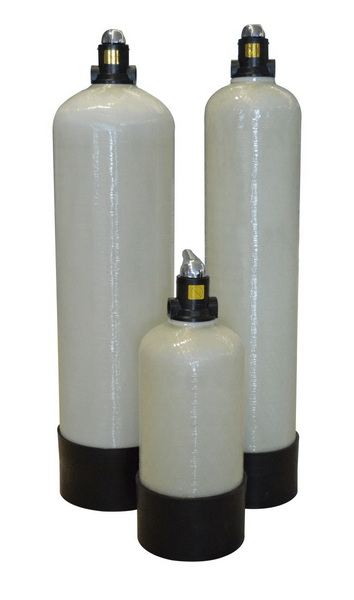
The most important step is to follow the filter manufacturer's instructions, which will specify the exact type of sand (usually #20 grade silica) and the total weight required for your particular model. Many brands indicate a recommended grain size range such as 0.45–0.55 mm or 0.45–0.85 mm on their manuals, labels, or product data sheets.[6][5][12][1]
When buying sand, look for packaging that clearly states it is pool filter sand, #20 grade, or similar filtration‑specific wording, rather than generic construction or play sand. Reputable pool sand suppliers also highlight that their sand has been thoroughly washed, screened, and tested for filtration performance and durability.[11][7][3][6]
Correct pool filter sand captures fine debris such as dirt, silt, dead algae, cosmetics, and body oils, helping keep water clear without constant reliance on flocculants or clarifiers. Because the grains are uniform and properly sized, water flows evenly through the bed, so the entire sand volume participates in filtration instead of just a few channels.[7][3][11][1]
This efficient filtration reduces the load on sanitizing chemicals and improves swimmer comfort by minimizing cloudy water and visible particles. With proper backwashing and maintenance, high‑quality pool filter sand can continue performing reliably for several years before needing replacement.[3][6][1]
For most residential pool owners, standard #20 silica pool filter sand from a reputable brand provides the best balance between cost, simplicity, and performance. Those who want longer filter cycles or finer filtration can consider certified glass media or zeolite if their filter manufacturer allows it.[11][2][3][1]
Commercial facilities or heavily used pools may prefer advanced media to reduce backwashing frequency and support higher bather loads, but they must still avoid non‑approved sands like play sand or masonry sand. In all cases, using specialized, OEM‑grade sand filter systems and matched pumps helps keep water clear while optimizing energy consumption.[2][3][1]
Professional pool brands, wholesalers, and manufacturers sourcing under private labels often require consistent quality across filters, pumps, and lighting systems. Working directly with a specialized OEM factory for sand filters, DE filters, cartridge filters, pool pumps, and LED pool lights ensures that each system is engineered around the correct filter media, hydraulic performance, and safety standards.
OEM partners can customize tank sizes, valve configurations, pressure ratings, and packaging according to the requirements of different export markets while maintaining compatibility with certified #20 silica sand and advanced media. This integrated approach helps downstream customers achieve reliable pool water quality and simplifies after‑sales service and spare‑parts management.
Play sand should not be used in a pool filter because it lacks the controlled grain size, angular shape, washing, and purity that true pool filter sand is designed to provide. Substituting play sand can cause cloudy water, poor filtration, higher operating pressures, equipment damage, and potential safety issues from contaminants in the sand.[12][2][1][4]
For safe and efficient filtration, always use certified #20 silica pool filter sand or approved glass or zeolite media that match the specifications given by the filter manufacturer. Pool brands, wholesalers, and OEM buyers benefit from partnering with professional sand filter and pump manufacturers who design their systems around the correct media and provide complete filtration solutions for global markets.[3][6][1]
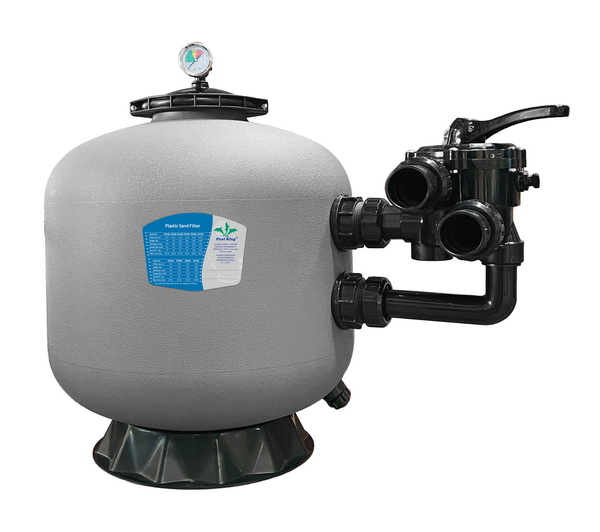
Mixing play sand with pool filter sand is not recommended because the inconsistent grain size and shape of play sand disrupt the hydraulic behavior of the sand bed. Even a partial mix can increase the risk of clogging, channelling, and cloudy water, while also complicating maintenance and backwashing.[9][1][4]
Most sand filters are designed for #20 grade silica sand with a grain size of about 0.45–0.55 mm, sometimes specified as 0.45–0.85 mm depending on the brand. This grade captures particles roughly in the 20–40 micron range while still allowing sufficient water flow through the filter.[11][5][3][6][1]
Under normal residential use, pool filter sand is usually replaced every 3–5 years, but heavily used or commercial pools may require more frequent changes. Rising pressure that does not normalize after backwashing, persistent cloudiness, or “channeling” inside the sand bed are common signs that the media is exhausted.[3][1][4]
Glass and zeolite media can offer finer filtration, longer life, and reduced backwashing compared with standard silica sand when used in compatible filters. However, they are more expensive and must be installed according to manufacturer guidelines, so they are a performance upgrade rather than a direct one‑to‑one replacement for every application.[2][1]
Many sand filter manufacturers specify that only approved #20 silica pool filter sand or compatible certified media may be used, and they may deny warranty coverage if other sands are installed. Because play sand is explicitly not designed for filter use, it can be considered misuse of the equipment, increasing the risk of warranty issues and damage.[12][6][2]
Pool filter sand should be purchased from pool professionals, pool stores, or reputable brands that clearly label their product as #20 grade silica sand for swimming pool filters. These suppliers provide sand that has been washed, graded, and tested for pool use, unlike generic building or play sands sold through general hardware channels.[13][11][6][1][3]
[1](https://beatbot.com/blogs/pool-cleaning-kits/different-types-of-sand-for-pool-filters-and-how-to-choose-the-right-one)
[2](https://hyclor.com.au/best-sand-for-pool-filter/)
[3](https://lesliespool.com/pool-filter-sand-20-grade-silica-50-lbs/401219.html)
[4](https://poolswiki.com/never-use-play-sand-in-pool-filter/)
[5](https://www.bestwaycorp.is/Product/Item?id=1058499XXX20)
[6](https://www.quikrete.com/pdfs/data_sheet-sand-poolfilter.pdf)
[7](https://www.ussilica.com/products/mystic-white-iir-premium-swimming-pool-filter-sand)
[8](https://www.apistogramma.com/forum/threads/pool-filter-sand-vs-play-sand.12321/)
[9](https://aquariumscience.org/index.php/14-2-1-sand/)
[10](https://www.facebook.com/groups/637529959937311/posts/2562928074064147/)
[11](https://intheswim.com/p/pool-filter-sand-20-grade-silica-50-lbs./401219.html)
[12](https://www.aquapalace.com/blog/comments.cfm?page=Can_I_use_play_ground_sand_in_my_swimming_pool_filter)
[13](https://waterlinetechnologies.com/swimming-pool-20-filtration-grade-silica-sand-50-lb-bags/)
[14](https://forum.aquariumcoop.com/topic/6126-pool-filter-sand-or-play-sand-substrate-for-planted-tanks/)
[15](https://www.facebook.com/groups/637529959937311/posts/2047928438897449/)
[16](https://www.reddit.com/r/Goldfish/comments/kzzwjh/play_sand_or_pool_filter_sand_from_home_depot/)
[17](https://www.poolkingfilter.com/can-you-use-play-sand-in-pool-filter.html)
[18](https://www.youtube.com/watch?v=-0x7bGhi3Ns)
[19](https://www.walmart.com/ip/U-S-Silica-SILURIAN-20-Grade-Optimal-Filtration-Angular-Pool-Filter-Sand/6427413857)
[20](https://www.lowes.com/pd/U-S-Silica-SILURIAN-20-Grade-Angular-Pool-Filter-Sand-for-Optimal-Filtration/6930585)


