
Views: 222 Author: Tina Publish Time: 2025-07-14 Origin: Site


Content Menu
>> Key Features of Solar Covers
● How Does a Pool Filter Work?
● Can You Run the Pool Filter with the Solar Cover On?
● Benefits of Running the Filter with the Cover On
>> 3. Lower Chemical Consumption
● Potential Concerns and How to Avoid Them
● Step-by-Step Guide: Using Both Together
>> Step 1: Install the Solar Cover
>> Step 2: Set the Filter Cycle
>> Step 3: Monitor Water Quality
>> Step 4: Remove Debris from the Cover
>> Step 5: Remove the Cover for Chemical Treatments
>> Step 6: Store the Cover Properly
● Maintenance Tips for Solar Covers and Filters
>> 1: Can I run my pool pump 24/7 with the solar cover on?
>> 2: Will the solar cover block the pool filter from removing debris?
>> 3: Should I remove the solar cover when adding pool chemicals?
>> 4: Does using a solar cover reduce the time I need to run my pool filter?
>> 5: Can algae grow under a solar cover?
Swimming pools are a source of relaxation, recreation, and exercise for millions of people around the world. To maintain a clean, warm, and inviting pool, owners rely on a combination of equipment and accessories, including pool filters and solar covers. One common question arises: Can you run your pool filter with the solar cover on? This comprehensive guide explores the answer in detail, providing insights into the science, benefits, best practices, and maintenance tips for using a pool filter and solar cover together. Throughout this article, you'll find detailed explanations and practical advice to enhance your understanding, as well as a conclusion, a concise summary, and a list of frequently asked questions with answers.
A solar pool cover, also known as a solar blanket, is a large sheet made of durable, UV-resistant plastic material, often with air bubbles that resemble bubble wrap. Its primary purpose is to trap heat from the sun and transfer it to the pool water, thereby increasing or maintaining water temperature. Solar covers also serve as a barrier to evaporation and debris.
- Made from lightweight, UV-stabilized polyethylene or polypropylene materials that resist sun damage and wear.
- The air bubble design enhances insulation and heat transfer by trapping solar energy and reducing heat loss.
- Floats directly on the water's surface, creating a physical barrier between the pool water and the outside environment.
- Available in various thicknesses and sizes to fit different pool shapes and sizes, ensuring maximum coverage and efficiency.
The use of a solar cover is particularly popular in regions with abundant sunlight, as it can significantly reduce heating costs by harnessing natural solar energy. Additionally, by limiting evaporation, solar covers help conserve water and reduce the need for chemical adjustments.
A pool filter is an essential component of any swimming pool system. Its main function is to remove dirt, debris, and microscopic contaminants from the water, ensuring it remains clean and safe for swimming.
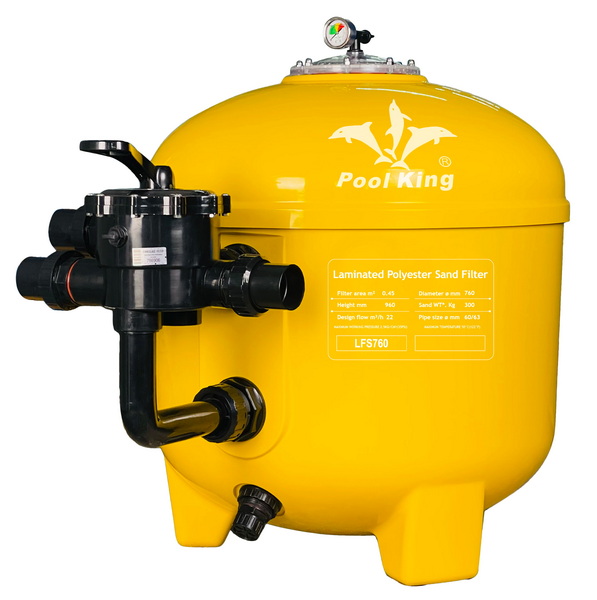
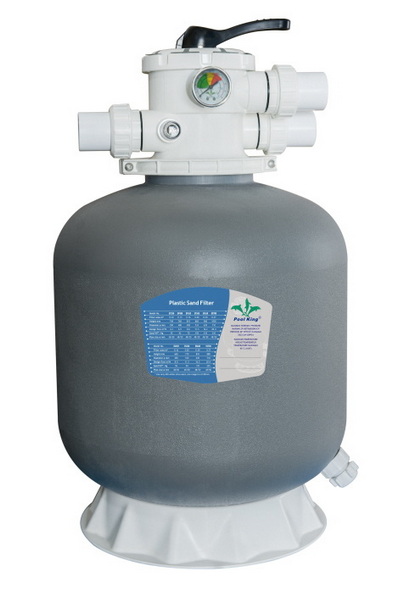
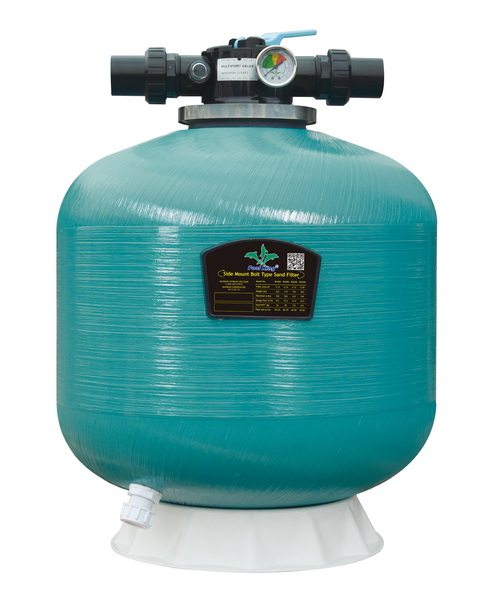
- Sand Filters: These filters use a bed of sand to trap particles as water passes through. Sand filters are durable and require backwashing to clean the sand bed.
- Cartridge Filters: These filters use replaceable cartridges made of pleated fabric to capture debris. They are easy to maintain and typically require less water for cleaning.
- Diatomaceous Earth (DE) Filters: DE filters use a fine powder made from fossilized remains of diatoms to coat filter grids, providing superior filtration down to very small particles.
- The pool pump circulates water by drawing it from the pool through skimmers and main drains.
- Water passes through the filter media, where debris and contaminants are trapped.
- Clean water is then returned to the pool via return jets, maintaining water clarity and hygiene.
- Regular maintenance such as backwashing sand or DE filters, or cleaning/replacing cartridges, is necessary to keep the system functioning efficiently.
Proper filtration is critical to preventing algae growth, maintaining chemical balance, and ensuring the pool remains safe for swimmers.
Yes, you can safely run your pool filter with the solar cover on. The cover does not interfere with the operation of the pump or filter system. In fact, using both simultaneously can enhance pool maintenance and efficiency.
The solar cover floats on the surface of the water, while the pool's filtration system draws water from below, typically through skimmers and main drains. This means water circulation continues beneath the cover, allowing the filter to effectively clean the water. The cover helps retain heat and reduce evaporation during filtration cycles, making the combination highly effective.
Running the filter with the solar cover on is a common practice recommended by pool professionals because it optimizes water quality while conserving energy and water.
The solar cover traps heat from the sun and reduces heat loss, especially during the night or cooler days. When the filter runs with the cover on, the warm water is circulated evenly throughout the pool, preventing temperature stratification (where warmer water stays at the surface and cooler water sinks). This results in a more comfortable swimming temperature and reduces the need for additional heating.
Evaporation is one of the largest sources of water loss in pools, especially in hot, dry, or windy climates. The solar cover acts as a physical barrier, significantly reducing evaporation by blocking the water's surface from direct exposure to air. Running the filter with the cover on helps maintain water levels, saving you money on refills and reducing chemical dilution.
Evaporation also causes chemical loss, particularly chlorine and pH balancers. By minimizing evaporation, the solar cover helps maintain chemical levels, reducing the frequency and quantity of chemicals needed. This not only saves money but also reduces the environmental impact of pool chemicals.
The solar cover prevents leaves, insects, dirt, and other debris from entering the pool. This means the filter has less work to do, and the water stays cleaner for longer periods. Less debris also means fewer clogs and less wear on the filter system.
By retaining heat and reducing evaporation, solar covers reduce the workload on pool heaters and pumps. This leads to lower energy consumption and operating costs. Additionally, running the filter with the cover on can allow you to optimize filtration schedules, potentially reducing pump run times without sacrificing water quality.
While running the filter with the cover on is generally safe and beneficial, there are a few considerations to keep in mind to ensure optimal pool health and equipment longevity.
With the solar cover on, surface debris is blocked from entering the skimmer. Most debris will remain on top of the cover, so skimming is less effective during this time. To prevent debris from eventually entering the pool when the cover is removed, regularly remove leaves and dirt from the cover's surface using a pool brush, leaf blower, or by rinsing with a hose.
Avoid adding pool chemicals while the solar cover is on. Some chemicals, especially chlorine and shock treatments, can degrade the cover material if trapped underneath. Additionally, chemicals may not disperse evenly if the cover is in place, leading to localized high concentrations that can damage pool surfaces or equipment. Always remove the cover when shocking or adding large doses of chemicals, and allow sufficient circulation time before replacing it.
Ensure the pool water level remains above the skimmer basket to prevent the pump from running dry. Running the pump without adequate water flow can cause damage to the pump and filter system.
While the solar cover helps retain heat, it can also create a warm, humid environment beneath the cover that may encourage algae growth if water circulation or sanitation is inadequate. To prevent this, maintain proper filtration times, regularly test and balance water chemistry, and clean your pool as needed.
Running the filter pump with the cover on is safe, but rough handling of the cover or debris accumulation can cause tears or punctures. Handle the cover gently and store it properly when not in use to extend its lifespan.
- Lay the cover bubble-side down on the water's surface, ensuring full coverage to maximize heat retention and evaporation control.
- Trim the cover to fit the pool shape if necessary, using sharp scissors or a utility knife.
- Program your pool pump to run for the recommended duration, typically 6–8 hours daily. This duration can vary based on pool size, climate, and usage.
- If using a variable speed pump, adjust the settings for optimal circulation and energy efficiency.
- Test water chemistry regularly, including chlorine levels, pH, alkalinity, and calcium hardness.
- Clean the filter and backwash as needed to maintain proper flow rates and filtration efficiency.
- Use a pool brush, leaf blower, or hose to clear leaves, dirt, and other debris from the cover's surface.
- Periodically remove the cover and rinse it thoroughly with a hose to prevent buildup of algae or dirt on the underside.
- Always remove the cover before adding chemicals, especially chlorine shock treatments.
- Wait until chemicals are fully dispersed and water chemistry is balanced before replacing the cover.
- When not in use, roll or fold the cover and store it in a shaded, dry place to prevent UV damage and prolong its lifespan.
- Rinse regularly: Use a garden hose to wash off dirt, leaves, and chemical residues.
- Mild cleaning: For stubborn stains or algae buildup, use a soft brush with mild soap or a specialized pool cover cleaner.
- Dry thoroughly: Allow the cover to dry completely before folding or rolling to prevent mold and mildew growth.
- Inspect for damage: Check for tears, holes, or thinning areas and repair with patch kits as needed.
- Backwash sand and DE filters regularly according to manufacturer guidelines to remove trapped debris.
- Replace cartridge filters when pressure rises or flow decreases, usually every 1–2 years depending on usage.
- Inspect and clean skimmer baskets and pump strainers weekly to ensure optimal water flow.
- Monitor filter pressure gauges to detect when cleaning or maintenance is required.
Running your pool filter with the solar cover on is not only safe but also highly beneficial for pool maintenance, energy efficiency, and water conservation. The combination of both maximizes heat retention, minimizes evaporation, and keeps your pool cleaner with less effort. By following best practices for chemical application, filter operation, and cover maintenance, you can enjoy a sparkling, warm pool throughout the swimming season while saving money and time. Remember to regularly clean and store your solar cover properly to extend its life, and always monitor your pool's water quality for the best results.
Yes, you can run your pool pump continuously with the solar cover on. However, most pools only require 6–8 hours of filtration daily to maintain water quality. Running the pump longer may not provide additional benefits and will increase energy costs. It's best to follow manufacturer recommendations and adjust based on pool usage and water clarity.
No, the solar cover prevents new debris from entering the pool. Most debris will remain on top of the cover and can be removed before taking the cover off. The filter will continue to clean the water below the cover effectively.
Yes, always remove the cover when adding chemicals, especially chlorine or shock treatments. This prevents damage to the cover and ensures chemicals are evenly distributed throughout the pool water.
Yes, since the cover keeps debris out and reduces evaporation, you may be able to reduce filtration time. However, always monitor water clarity and chemistry to ensure proper sanitation and adjust filtration schedules accordingly.
If water circulation or sanitation is inadequate, algae can develop under the cover due to the warm, humid environment. Maintain proper filtration, chemical balance, and periodically remove and clean the cover to prevent algae growth.


