
Views: 222 Author: Tina Publish Time: 2025-10-24 Origin: Site


Content Menu
● Understanding Pool Filters and Their Role
● Why Does Sand Type Matter in Pool Filters?
● Can You Use Play Sand in a Pool Filter?
● What Are the Best Sands for Pool Filters?
>> Alternative Filter Media Options
● How to Replace Pool Filter Sand Properly
● Signs That Your Filter Sand Needs Replacement
● Tips for Maximizing Pool Filter Performance
● How Our Factory Ensures Top-Quality Pool Filtration Solutions
>> 1. Can using the wrong sand damage my pool filter?
>> 2. How often should pool filter sand be replaced?
>> 3. Is recycled sand safe for pool filters?
>> 4. Can pool filter sand be reused after cleaning?
>> 5. What alternatives exist to sand for pool filtration?
Maintaining a clean and clear swimming pool is essential for a great swimming experience. One crucial component in this maintenance is the pool filter, which traps dirt, debris, and impurities. Many pool owners wonder, "Can I use play sand in my pool filter?" This article explores that question in depth, explains what types of sand are suitable for pool filters, and offers guidance to ensure your pool water stays crystal clear.
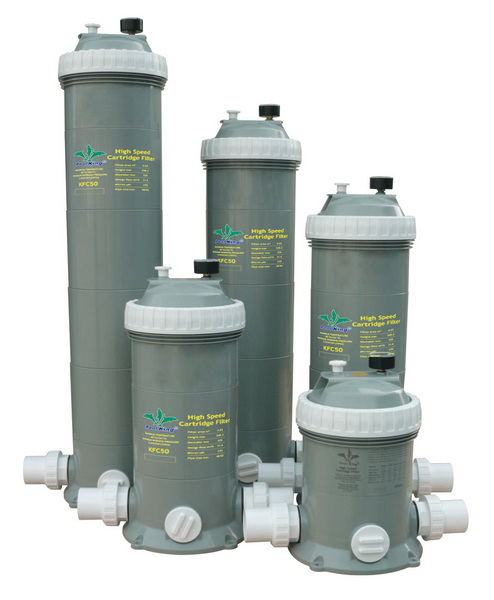
Before diving into the specifics of sand usage, it's important to understand how pool filters work. The most common types include sand filters, DE (diatomaceous earth) filters, and cartridge filters. Sand filters use specially graded sand to catch particles as water passes through.
Filters create mechanical barriers that trap microscopic impurities, preventing them from circulating back into the pool. Because pool water is constantly exposed to dust, leaves, oils, algae, and other contaminants, an effective filtration system is crucial for water clarity and hygiene.
Play sand is sand designed primarily for children's play areas and sandboxes. It is usually washed, comes from natural sources, and has a finer grain compared to specialized silica sand used in pool filtration. It is generally inexpensive and easy to find.
Play sand can have a variety of grain sizes and may contain small amounts of dust, clay, or organic matter. These characteristics affect its performance in industrial or technical filtration systems.
The filtration efficiency of your pool depends highly on the type of sand. Filter sand is typically #20 silica sand with a very specific grain size (usually between 0.45 and 0.55 mm). This size allows for optimal flow rate and filtering of particles down to about 20-40 microns.
Play sand grains are often smaller, irregularly shaped, and sometimes may include materials that affect water chemistry or clog the filter faster.
Sand filters rely on the sand grains' size and shape to create the perfect balance between water flow and particulate capture. If sand grains are too fine, water flow slows, causing pressure buildup and requiring more frequent cleaning. If grains are too coarse, small particles may pass through.
While it is possible to use play sand temporarily, it is generally not recommended for pool filters because of the following factors:
- Poor filtration performance: Play sand's inconsistent grain size reduces filtering effectiveness. It can allow finer debris to pass.
- Clogging: Finer grains or impurities in play sand can cause compaction and clogging inside the filter, leading to higher pressure and frequent maintenance.
- Potential contamination: Play sand may carry dust, clay, or organic matter that can alter pool water chemistry and promote algae growth.
- Shortened equipment lifespan: Using improper sand can strain pumps and valves, increasing wear and tear.
- Unnecessary maintenance costs: Filters housing play sand require more maintenance to maintain performance, increasing operational costs.
To illustrate, using the wrong sand can push your pool filter system to work harder, leading to premature breakdowns and reduced swimming season enjoyment.
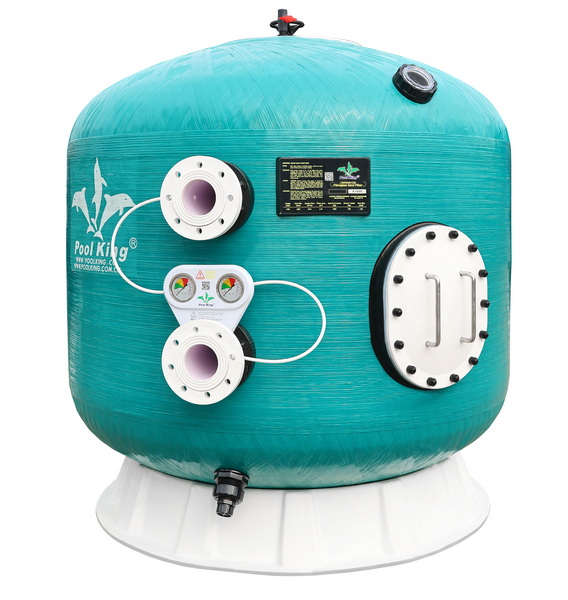
The ideal sand for pool filters is called #20 silica sand. It is washed, graded, and chemically inert, meaning it won't affect pool water balance. Some pool owners also use alternatives like glass media or ZeoSand, which deliver enhanced filtration performance and may trap smaller particles, down to 10 microns or less.
Using the correct sand ensures:
- Consistent filtration over time
- Reduced backwash frequency
- Lower energy consumption for pumps
- Longer service life for your filter system
Besides traditional silica sand, there are modern alternatives you might consider:
- Glass filter media: Recycled and refined glass granules, smaller in size, offer sharper edges for better particle capture.
- ZeoSand: Zeolite-based media with natural ion exchange properties, effective in trapping ammonia and fine debris.
- DE filters: Use diatomaceous earth powder that clings to filter grids, offering superior filtration but more maintenance.
Each has pros and cons. When selecting filtration media, always consult your pool filter manufacturer's recommendations.
Replacing pool filter sand isn't complex but requires care:
1. Turn off the pool system — shut off the pump and release any pressure.
2. Access the filter tank — remove the lid or clamps.
3. Remove old sand — scoop or vacuum out the existing sand.
4. Inspect and clean — check the filter tank and internal laterals for damage or debris and clean if needed.
5. Add new sand — pour the recommended amount of graded #20 sand slowly to avoid damaging internal parts.
6. Reassemble and backwash — put the filter cover back and run a backwash cycle to clear dust and loosened particles before filtration.
Proper replacement ensures optimal sand bed layering, essential for filtration quality.
Recognizing when to replace your filter sand saves you time and money:
- Increased pressure gauge readings: Indicate clogging or sand compaction.
- Frequent backwashing: When needing backwash too often, sand may be ineffective.
- Cloudy or poor water clarity: Despite proper chemical treatment, poor filtration suggests worn sand.
- Sand in pool water: Loose or broken grains escaping into the pool.
- Aged sand bed: Sand becomes rounded and loses sharp edges necessary for consistent filtering.
Filters with more than five years of use should be inspected carefully.
- Regular backwashing: Follow manufacturer guidelines to clean the filter bed.
- Chemical balance: Maintain pool water chemistry to prevent scaling and clogging.
- Pump maintenance: Ensure the pump is working optimally to avoid flow issues.
- Seasonal inspection: Inspect the filter media at least annually.
- OEM parts: Use manufacturer-recommended sand types and parts to avoid compatibility issues.
We specialize in manufacturing high-grade sand filters and filtration systems using smart machinery and strict quality control. Our product lines include:
- Sand filters with precision-graded sand media
- DE and cartridge filters manufactured with durable components
- Energy-efficient water pumps designed for long service life
- Stylish and water-resistant LED pool lighting systems
- A full range of compatible accessories and parts
Our OEM services cater to international brands, wholesalers, and manufacturers, ensuring customized solutions with consistent quality.
While play sand might seem like a convenient and inexpensive option, it is not advisable to use it in your pool filter system. Using non-specialized sand can reduce filtration efficiency, increase clogging, and degrade your pool water quality. For optimal pool health and longevity of your equipment, always stick to the recommended #20 silica sand or approved alternative media. Regular maintenance and following manufacturer guidelines will ensure your pool remains crystal clear and enjoyable all season.
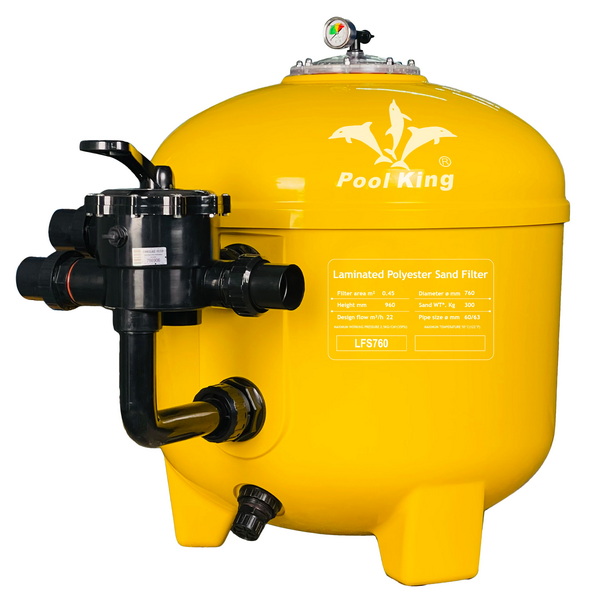
Yes, using sand that does not meet the required specifications can clog or damage your filter media, cause excessive pressure, and shorten the filter lifespan.
Generally, pool filter sand needs replacement every 3 to 5 years, depending on frequency of use, water quality, and maintenance habits.
Recycled sand is not recommended because of inconsistent grain size and potential contaminants that can harm filter performance.
Sand can be cleaned through backwashing, but once it becomes rounded and loses sharp edges, replacement is necessary for effective filtration.
Alternatives include diatomaceous earth (DE) filters, cartridge filters, glass media, and ZeoSand, each offering varied filtration efficiency and maintenance needs.


