


Content Menu
● How Air Gets Into Pool Pumps
● Signs of Air in Your Pool Pump
● Can Air Damage Pool Pump Components?
● Common Causes and Their Solutions
● Troubleshooting Guide Step-by-Step
>> 1. What happens if a pool pump runs dry?
>> 2. How do I know if there is air trapped in my pool pump?
>> 3. Can a small amount of air cause damage?
>> 4. How do I find air leaks in my pool pump system?
>> 5. How often should pool pump maintenance be performed?
Maintaining the efficiency and longevity of your pool system is essential for homeowners and operators. One critical aspect is ensuring your pool pump operates in optimal conditions, free from air infiltration. But can air actually damage pool pumps? This article explores the causes, effects, solutions, and preventive measures surrounding air presence in pool pumps, with references and expert advice throughout.
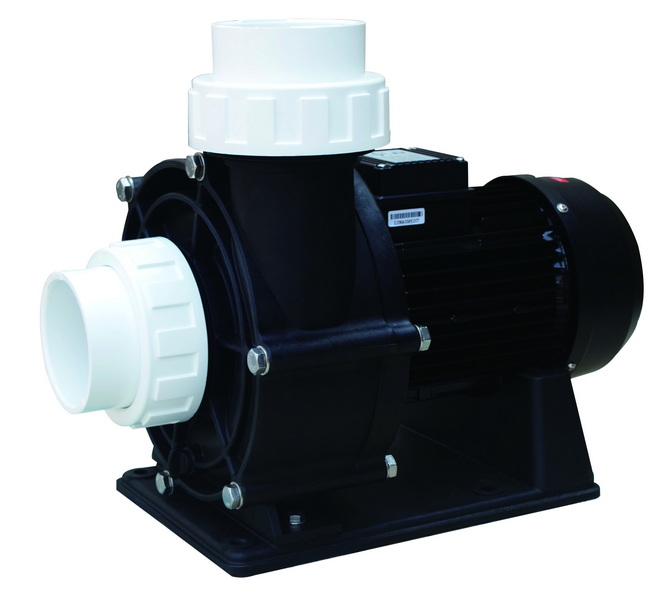
A pool pump is the heart of any swimming pool's filtration system. It draws water from the pool through the skimmer and main drain, passes it through the filter (sand, DE, or cartridge), and returns the clean water back. Without proper circulation, pool water quickly becomes contaminated and unsafe for swimmers.[1][2]
Air can enter your pool pump for several reasons:
- Low pool water levels, exposing the skimmer to air[4]
- Faulty or dry pump lid O-rings that lose airtight seals[4]
- Loose or damaged pipe fittings/unions sucking in air[4]
- Cracked or warped pump lids or housings[4]
- Leaky valves on suction-side pipes[5][4]
- Improper installation or maintenance
When air infiltrates these components, the pump may pull air instead of water, jeopardizing its operation.[2][4]
- Air bubbles visible under the clear pump lid
- Loud gurgling, whining, or rattling noises from the pump
- Reduced water flow or weak pool jets[1]
- Pump losing “prime” and failing to circulate water
- Sudden changes in filter pressure gauge readings
Ignoring these symptoms can escalate the problem from minor inconvenience to costly equipment failure.[4]
Yes, the presence of air in the pool pump system can cause extensive damage:
- Dry-running pumps overheat, melting or deforming plastic parts and damaging seals[6]
- Prolonged cavitation can destroy pump impellers and motor bearings[6]
- Reduced water flow increases wear on the pump motor
- Air pockets in pressure-side filters can lead to over-pressurization, risking filter vessel failure or explosion[4]
- Air leaks can escalate into water leaks, undermining the pump's integrity and efficiency[1]
When air displaces water in the pump, lubrication is lost, causing critical moving components to heat up and fail rapidly.[6]
| Cause | Solution |
|---|---|
| Low pool water level | Maintain level at least halfway up the skimmer mouth |
| Worn/lubeless pump O-rings | Inspect, clean, and lubricate with Teflon- or silicone-based pool lubricantlesliespool+1 |
| Loose unions and fittings | Tighten all connections, use thread sealant or plumber’s tape |
| Cracked lids or housings | Replace damaged parts promptly |
| Leaky valves | Inspect and replace worn O-rings or faulty valve assemblieslesliespool |
1. Turn Off Power: Always disconnect power to the pool pump before inspection or repairs.[7]
2. Inspect Water Level: Make sure pool water is above the skimmer opening to prevent air ingestion.[4]
3. Check Pump Lid and O-Ring: Remove the lid, inspect the O-ring for cracks, cleanliness, and proper lubrication.[2][4]
4. Tighten Pipe Fittings: Re-tighten unions and check all pipe joints ahead of the pump.[2][4]
5. Valve Inspection: Ensure all suction-side valves are functional and their O-rings are intact.[4]
6. Prime the Pump: After addressing leaks, fill the pump basket with water, reseal the lid, and restart.[8][2]
7. Observe Operation: Look for steady, bubble-free water flow in the pump basket window.
Prevent air from ever entering your pool pump system by implementing a scheduled maintenance routine:
- Inspect and lubricate all O-rings every month[2]
- Maintain consistent pool water levels[4]
- Schedule annual checks for all unions, valves, and fittings
- Replace worn-out components immediately
- Keep the pump area dry and free from overhanging vegetation to reduce humidity and corrosion[6]
Air is one of the most common yet dangerous threats to pool pump health. While it may begin with minor symptoms such as a few bubbles under the lid, neglecting the underlying issue can lead to overheating, loss of pump prime, permanent damage to components, and system-wide failures. Preventive maintenance, regular checks, and timely repairs are the best strategies to keep your pool pump and entire circulation system running flawlessly. Replacing worn seals, inspecting water level, and ensuring tight fittings will not only uphold water clarity but also prolong the lifespan of your entire filtration setup.[2][6][4]
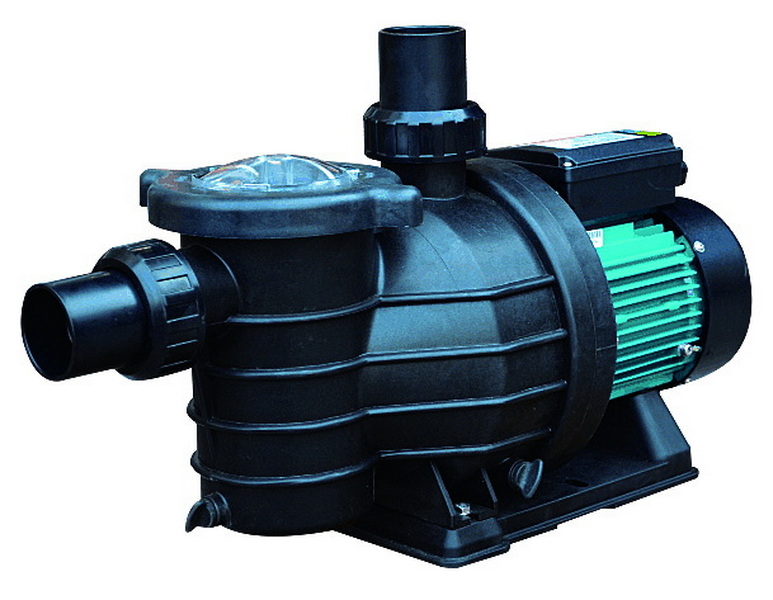
Running dry causes the pump to overheat, melting internal parts and ruining motor seals, potentially necessitating a complete replacement.[6]
You'll see bubbles under the pump lid, weak jet flow, or hear gurgling noises from the system.[14][4]
A few bubbles are common, but persistent air or lost prime should be fixed immediately to avoid mechanical failure.[4]
Inspect the water level, all joints, fittings, and O-rings. You can use shaving cream around suspected leaks to see if it gets sucked in, indicating an air entry point.[2]
At least monthly for quick inspections, and annually for full system checks. Replace O-rings and faulty components as needed.[2]
[1](https://pleasantpools.com/5-most-common-pool-pump-problems-and-solutions/)
[2](https://www.aquagem.com/news/pool-pump-troubleshooting-and-how-to-fix-it)
[3](https://www.istockphoto.com/photos/pool-pump-repair)
[4](https://lesliespool.com/blog/how-to-fix-air-in-a-pool-pump.html)
[5](https://poolpartstogo.com/blogs/articles/air-in-your-pool-pump-here-s-how-to-fix-it)
[6](https://intheswim.com/blog/11-ways-to-destroy-your-pool-pump.html)
[7](https://images.thdstatic.com/catalog/pdfImages/25/2501573c-d416-4343-ab6a-ff3ef39236cd.pdf)
[8](https://www.youtube.com/watch?v=Gg3nGJplshs)
[9](https://www.youtube.com/watch?v=cnVG8xy7r6M)
[10](https://www.youtube.com/watch?v=SiEOIxYpJ5g)
[11](https://www.youtube.com/watch?v=21oPUwgMsQE)
[12](https://www.youtube.com/watch?v=Ayk3co2KetE)
[13](https://www.youtube.com/playlist?list=PL8230FC805F294322)
[14](https://www.flowpoolcare.com/posts/why-is-my-pool-pump-sucking-air)
[15](https://www.reddit.com/r/swimmingpools/comments/145521y/air_bubbles_should_i_stop_the_pump/)
[16](https://parkerpumps.com.au/common-causes-of-damage-to-swimming-pool-pumps.html)
[17](https://diy.inyopools.com/pool-pump-troubleshooting/)
[18](https://www.poolspa.co.th/wp-content/uploads/2023/01/P_S-MANUAL-Pump-EMAUX-SPH-Air-Bubble-Problem-English.pdf)
[19](https://www.facebook.com/groups/1407260559603442/posts/3715299028799572/)
[20](https://www.gettyimages.com/photos/pool-pump-repair)


