


Content Menu
● Most Common Reasons a Pump Won't Prime
● Step‑by‑Step: How to Prime a Pool Pump
>> 1. Shut Off Power and Inspect Water Level
>> 2. Clean Baskets and Check the Lid O‑Ring
>> 3. Fill the Pump Housing With Water
>> 4. Adjust Valves for Easier Priming
>> 5. Bleed Air and Start the Pump
● How to Find Suction‑Side Air Leaks
● Mechanical and Electrical Issues That Can Stop Priming
● When to Call a Professional — and When to Upgrade
● OEM Pump and Filter Solutions for Reliable Priming
● FAQs About Pool Pumps That Won't Prime
>> 1. Why is my pool pump not pulling water at all?
>> 2. Why does my pump prime, then lose prime after a few minutes?
>> 3. Can a dirty filter cause priming problems?
>> 4. Is it safe to run a pool pump if it isn't fully primed?
>> 5. How often should I re‑prime my pump?
>> 6. Will upgrading to a variable‑speed pump help with priming?
A pool pump that will not prime is almost always fighting air leaks, low water level, clogged plumbing, or mechanical faults like a worn impeller or bad check valve. Understanding each of these causes step by step makes it much easier to fix the problem quickly and protect the pump from running dry.[1][2][3]
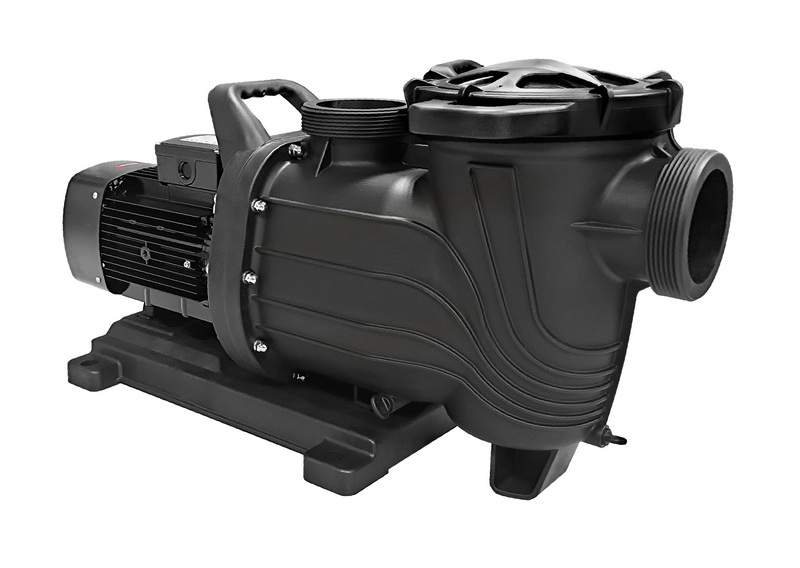
Priming means filling the pump and suction plumbing with water so the impeller can create enough suction to pull water continuously from the pool. If there is too much air in the system, the pump simply spins and moves almost no water.[3][9][1]
A properly primed pump will show a full, clear pump basket with very few bubbles and stable pressure on the filter gauge within seconds of startup. When priming fails, you usually see a swirling mixture of water and air under the lid, gurgling noises, or the pump running dry and noisy.[10][1][3]
There are several recurring causes that technicians check first when a pump refuses to prime or keeps losing prime. For residential pools, suction‑side air leaks and low water level are at the top of the list.[11][2][12][1][10]
- Low pool water level: If the water level is below the middle of the skimmer opening, the skimmer can vortex and suck air straight into the suction line, breaking prime. Raising the water so it stays well above the skimmer mouth is an easy first fix.[10][3]
- Clogged skimmer or pump baskets: Heavy debris in the baskets restricts flow so much that the pump cannot draw enough water to prime. Emptying and rinsing the baskets often immediately restores proper suction.[2][11]
- Suction‑side air leaks: Any leak between the skimmer/main drain and the pump—at unions, valves, fittings, or the pump lid—can let air in and prevent priming. Typical symptoms include air under the pump lid and bubbles returning to the pool jets.[6][1][10]
- Bad pump lid O‑ring or dirty lid surface: A worn, stretched, cracked, or dirty O‑ring allows air past the lid even when it feels tight. Cleaning the sealing surfaces, lubricating, or replacing the O‑ring is a simple but critical step.[13][14][10]
- Blocked impeller or passages: Leaves, hair, or small stones can lodge in the impeller and dramatically reduce flow, making priming impossible. Removing the motor end and cleaning the impeller vanes often restores normal performance.[15][5][2]
- Faulty check valve or valves set incorrectly: A stuck check valve or closed suction/discharge valves can stop water from reaching the pump. Verifying valve positions and replacing failed check valves removes these hidden restrictions.[12][15][3]
- Pump speed too low (variable or two‑speed pumps): Some variable‑speed and two‑speed pumps must start on higher RPM to create enough suction to prime. After priming, speed can be reduced for normal circulation.[5][6]
Always turn off power at the breaker or switch before opening the pump or filter to protect both people and equipment. Confirm that the pool water is above the skimmer opening and that skimmer weirs move freely so they do not starve the pump for water.[3][9][10]
For above‑ground systems, make sure all winterizing plugs are removed from returns and suction fittings so water can flow normally. If the water level is too low, top up the pool and wait until it stabilizes before trying again.[4][13][10][3]
Open the pump strainer lid, remove the basket, and clean out all leaves, insects, and debris that could restrict flow. Inspect the basket for cracks and make sure it seats correctly in the housing.[11][13][3]
Next, check the pump lid O‑ring to ensure it is present, not flattened or cracked, and properly lubricated with pool‑safe O‑ring grease. Also clean both sealing surfaces on the lid and housing so no sand or grit compromises the seal.[14][13][10]
With the basket reinstalled, use a hose or bucket to pour 2–3 gallons of clean water directly into the pump housing until the basket area is full. The goal is to push air out of the pump so the impeller “sees” water immediately when it starts.[13][3]
Once full, reinstall the pump lid and tighten it firmly by hand, making sure the O‑ring stays seated and does not pinch or twist. For multiport systems, some technicians recommend setting the valve to “Recirculate” while priming so water bypasses the filter media and flows more easily.[9][4][3][13]
If your system has suction and return valves, partially close lines so the pump focuses on pulling from a single, easy source such as the main skimmer. For example, close the main drain temporarily and open the primary skimmer line fully to reduce the amount of air in the circuit.[1][12][3]
On the return side, ensure at least one return line is open so the pump has somewhere to push water, but avoid complex routing during the initial priming attempt. Check that any suction‑side check valves move freely and are not stuck in a closed or half‑closed position.[15][12][1][3]
If the filter or pump has an air‑release valve, open it slightly so trapped air can escape when you restart the system. Then restore power and turn the pump on while watching through the clear lid.[3][9]
Within seconds, you should see the pump basket fill with water, with bubbles quickly purged out through the returns as pressure stabilizes. Once flow looks solid and the filter gauge reaches its normal operating range, close the air‑release valve and slowly return valves to their regular operating positions.[9][3]
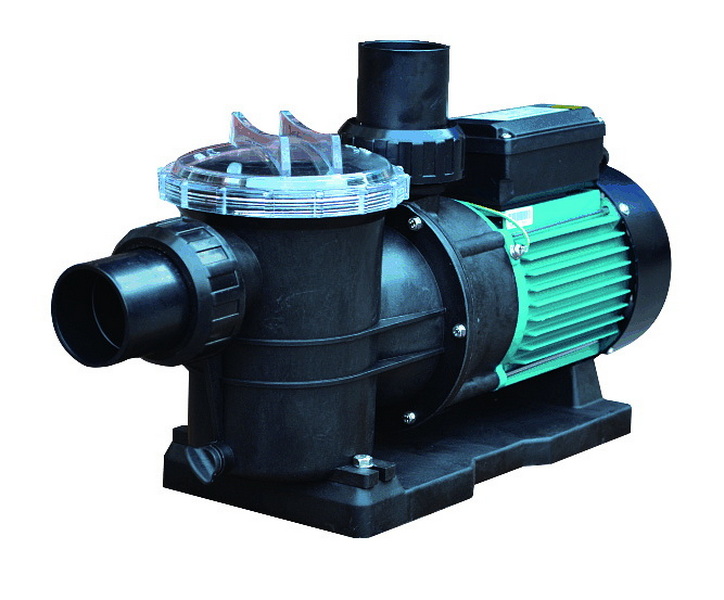
If the pump still will not prime or loses prime after a few minutes, a suction‑side air leak is very likely. Technicians use a mix of visual inspection and simple tests to locate these leaks.[6][1][10]
A major leak can create a large air pocket under the pump lid and make water splash violently around inside the housing, while a small leak may only show as a fine stream of bubbles. In some cases, air bubbles appear at the return jets even though the pump seems primed, indicating air is being drawn in somewhere on the suction side.[6][10]
If water level, baskets, valves, and air leaks all check out, the pump itself may have mechanical or electrical problems. These issues usually require closer inspection and sometimes professional service.[2][15][1]
- Worn or clogged impeller: A damaged impeller cannot create enough lift to prime, and clogged impeller vanes severely reduce flow. Cleaning or replacing the impeller often restores normal operation.[5][15][2]
- Failing pump seals or housing: Cracked housings or bad shaft seals can allow air to enter and water to exit, making priming inconsistent.[12][10][14]
- Incorrect motor speed or failing motor: Two‑speed or variable‑speed motors that start on too low an RPM may never reach full prime. Motors with internal electrical faults may spin but not generate enough torque under load.[5][6]
- Electrical supply issues: Tripped breakers, bad wiring, or low voltage can cause the pump to stop during priming or fail to start properly.[15][11]
Some priming issues are simple enough for most homeowners, but others justify calling a licensed pool technician or electrician. Persistent loss of prime, mysterious leaks underground, or repeated motor failures are good reasons to seek expert help.[1][12][15][6]
In many older systems, upgrading to a modern high‑efficiency pump and properly sized sand, cartridge, or DE filter can greatly improve priming reliability and daily circulation. For OEM partners, offering complete, matched pump‑and‑filter sets is an effective way to deliver plug‑and‑play solutions that prime quickly and keep water clear.[11][1]
For overseas brands, wholesalers, and pool equipment manufacturers, consistent priming and long‑term reliability start with well‑designed pumps and filters manufactured under strict quality control. Precision‑molded pump housings, high‑quality O‑rings, and carefully engineered suction paths significantly reduce priming problems in the field.
Matching the right sand, DE, or cartridge filter to the pump's flow rate also protects against excessive restriction that can make priming difficult. Offering OEM packages that combine smart‑machined pumps, top‑grade sand filters, LED lights, and accessories gives installers a complete, easy‑to‑prime system out of the box.[1][11]
A pool pump that will not prime is almost always telling you something is wrong with water level, air leaks, clogged flow paths, or pump mechanics. Addressing these systematically—checking level, cleaning baskets, filling the pump, setting valves correctly, and hunting for suction‑side leaks—resolves most problems without major repair.[1][10][3]
When basic steps fail, it is important to inspect the impeller, seals, valves, and electrical supply or call a professional to prevent long‑term damage from running the pump dry. For OEM buyers and professionals, specifying high‑quality pumps and filters from a dedicated manufacturing factory helps minimize priming complaints and improves customer satisfaction across international markets.[15][1][6]
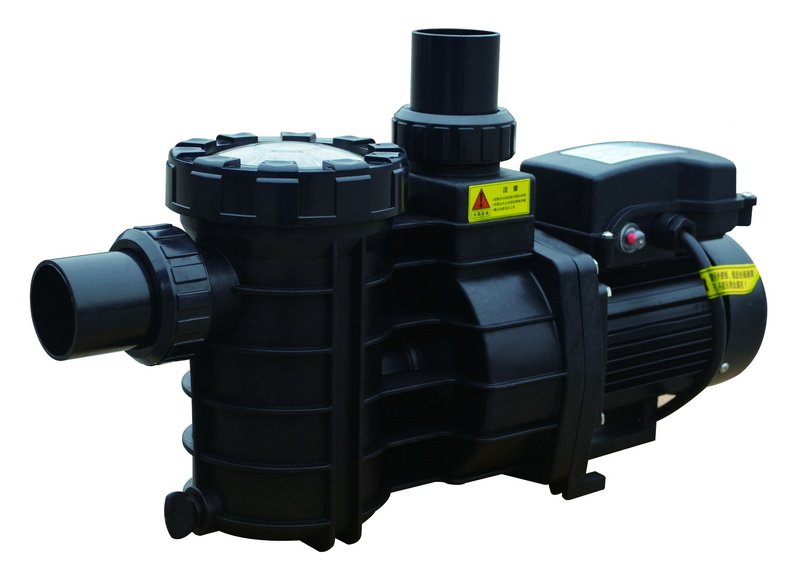
If the pump is running but not pulling any water, the most common causes are very low pool water level, a big suction‑side air leak, or closed/incorrectly set valves. Start by raising the water level, verifying valve positions, priming the pump with water, and checking the pump lid O‑ring for leaks.[13][10][3][12][1]
Losing prime after initially filling usually points to a small suction‑side air leak or an issue with a check valve allowing water to drain back when the system stops. Carefully inspect unions, valves, and the pump lid, and use smoke or shaving‑cream tests to pinpoint the leak.[10][14][12][1][6]
A dirty or heavily clogged filter increases back‑pressure and can make it harder for the pump to establish stable flow, especially on low‑speed settings. For troubleshooting, many professionals briefly set the multiport valve to “Recirculate” to bypass the filter while priming, then clean or backwash the filter as needed.[4][11][9][1]
Running a pump while it is full of air can overheat the seal and motor because water is not cooling or lubricating them properly. If the pump does not prime within a short time, shut it off, let it cool, and re‑check water level, valves, priming, and air leaks before trying again.[2][3][1]
A correctly installed system with good valves and check valves should hold prime between daily cycles and not require frequent manual priming. If you must manually prime often, there is likely a leak, drain‑back issue, or plumbing configuration problem that needs correction.[12][1][6]
Variable‑speed pumps can still have priming problems if there are leaks or restrictions, but they often include built‑in priming routines that start at higher RPM until the pump is full. After prime is established, RPM drops to save energy while maintaining adequate flow through the filter.[5][11]
[1](https://www.inyopools.com/HowToPage/how_to_determine_why_a_pool_pump_won_t_prime.aspx?CommentPage=1)
[2](https://blog.abchomeandcommercial.com/pool-pump-wont-prime/)
[3](https://www.milleroutdoorsnola.com/blog/how-to-prime-a-pool-pump/)
[4](https://www.youtube.com/watch?v=9JVApTiCQIg)
[5](https://www.youtube.com/watch?v=UgXzHO16jxc)
[6](https://diy.inyopools.com/article/test-suction-side-air-leaks/)
[7](https://www.youtube.com/watch?v=hlz48dkxwAc)
[8](https://www.youtube.com/watch?v=eIweuWQ-WpE)
[9](https://www.swimmingpool.com/maintenance/pump&filter/when&how-to-prime-pool-pump/)
[10](https://www.poolzoom.com/suction-side-air-leaks.html)
[11](https://lesliespool.com/blog/pool-pump-troubleshooting-guide.html)
[12](https://www.bluescience.com/swimming-pools/posts/what-to-do-if-your-pump-will-not-prime/)
[13](https://www.thepoolfactory.com/blogs/equipment/how-to-prime-an-above-ground-pool-pump)
[14](https://www.reddit.com/r/pools/comments/ymh351/air_in_system_suctionside_leak_when_i_kill_the/)
[15](https://aquaclearpoolcare.com/why-wont-my-pool-pump-prime/)
[16](https://www.youtube.com/watch?v=SiEOIxYpJ5g)
[17](https://www.reddit.com/r/pools/comments/15lr0qf/pump_not_priming/)
[18](https://www.youtube.com/shorts/HPkn5IQay8g)
[19](https://www.tiktok.com/@swimuniversity/video/7506203521168051486)
[20](https://www.youtube.com/shorts/Gp6AioHHmM4)


