
Views: 222 Author: Tina Publish Time: 2025-12-05 Origin: Site


Content Menu
● How a Pool Pump Is Supposed to Work
● Common Symptoms When a Pump Stops Working
● Reason 1: Power and Electrical Issues
● Reason 2: Air Leaks, Priming Problems, and Low Water Level
● Reason 3: Clogged Skimmer Basket, Pump Basket, or Impeller
● Reason 4: Filter Problems Restricting Flow
● Reason 5: Overheating and Motor Failure
● Reason 6: Incorrect Pump Sizing or Plumbing Design
● Step‑by‑Step Troubleshooting Checklist
● Preventive Maintenance to Keep Pumps Running
● When to Repair and When to Replace
● FAQs About Swimming Pool Pumps Not Working
>> 1. Why does my pool pump just hum and not start?
>> 2. Why does my pump keep losing prime?
>> 3. Why is my pump running but the pool water is barely moving?
>> 4. Why does my pump trip the breaker after a few seconds?
>> 5. How often should I service my pool pump?
>> 6. Can I run my pool pump without water for a short time
A swimming pool pump is the heart of the circulation and filtration system, so even short downtime can quickly lead to cloudy or unsafe water. When a pump fails, symptoms like no power, humming noises, low flow, or frequent breaker trips usually point to specific, diagnosable problems.[2][1]
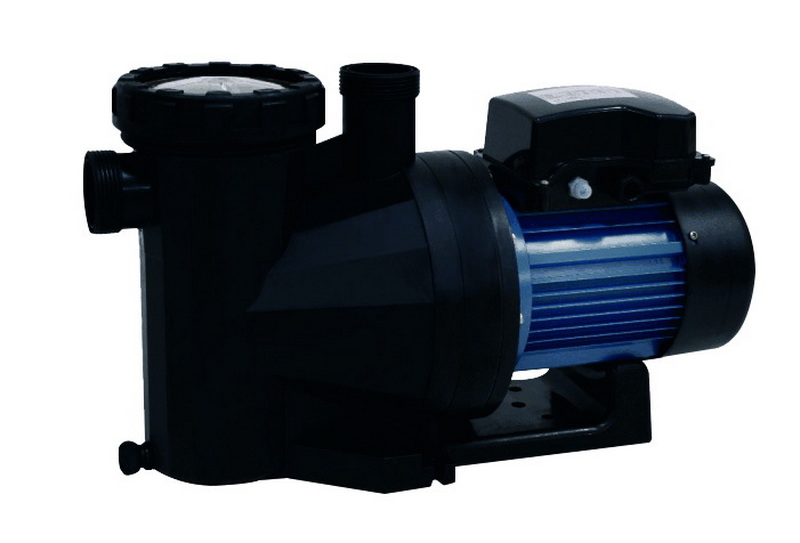
A standard swimming pool pump pulls water from skimmers and main drains, pushes it through a filter (sand, DE, or cartridge), then returns clean water back to the pool through return jets. For this to work, the pump needs a full prime (no large air pockets), a free‑spinning impeller, a sealed wet end, and a stable electrical supply to the motor.[1][2]
Inside the motor, a start capacitor helps the pump start under load; if it fails, the motor may hum but not turn, or trip the breaker shortly after starting. Any restriction on the suction or return side, or any air leak, can reduce water flow, cause the pump to run dry, overheat, or eventually burn out.[4][5][6][3]
When owners ask “why is my swimming pool pump not working,” they usually describe one of a few typical symptoms.[2][3]
- Pump will not turn on at all
- Pump turns on, then shuts off or trips the breaker
- Pump hums but the motor shaft does not spin
- Pump runs, but there is very low water flow
- Pump runs loudly, leaks, or loses prime frequently
Each symptom points to different likely causes and helps narrow down the right troubleshooting steps. Paying attention to the exact noise, timing, and water movement makes diagnosis much easier and prevents unnecessary part replacements.[7][1]
One of the most common reasons a pool pump is not working is a simple power supply problem, such as a tripped circuit breaker, faulty GFCI outlet, blown fuse, or loose wiring connection. In these cases, the pump may not turn on at all, or it may run only intermittently and then shut down unexpectedly.[10][6][7]
Electrical issues may also include a failing start capacitor or motor windings, which can cause the pump to hum loudly without starting, then trip the breaker after several seconds. Because working inside electrical boxes is hazardous, pool owners should visually check breakers and outlets but rely on licensed electricians for deeper electrical diagnostics.[5][6][11]
If a pump runs but does not move much water, or the pump basket never fills completely, air leaks on the suction side are a prime suspect. Common leak points include loose pump lids, worn or cracked lid O‑rings, unions before the pump, and connections from skimmers and suction lines.[3][1]
Low pool water level can also introduce air through the skimmer, breaking prime and causing the pump to draw in a mixture of water and air instead of a solid water column. Running a pump with air in the system can lead to overheating, noisy operation, and eventually motor failure because the pump relies on water for cooling.[4][2]
Debris blockages are another frequent answer to “why is my swimming pool pump not working,” especially after storms, heavy leaf fall, or when maintenance has been delayed. Leaves, twigs, seed pods, hair, and other debris can clog the skimmer basket, pump strainer basket, or impeller, restricting flow and forcing the motor to work much harder.[12][1][3]
A partially clogged impeller often causes weak jets, low filter pressure, and sometimes a humming noise if the impeller is jammed. Cleaning the impeller with the power off—by opening the pump housing and carefully removing trapped debris—often restores normal performance without replacing any parts.[5][12][3]
If the filter is dirty or clogged, water may not pass through easily, leading to low flow, high pressure on the gauge, and overheating of the pump. For sand filters, compacted or dirty sand can restrict flow; for DE filters, clogged grids or finger elements cause resistance; for cartridge filters, the pleats can become heavily loaded and need cleaning or replacement.[1][3]
Many troubleshooting guides recommend cleaning or backwashing the filter when the pressure is roughly 10 psi or 50–60 kPa above its normal clean reading, as this often relieves stress on the pump. Ignoring filter maintenance not only harms circulation but also shortens pump life and can force premature replacement of mechanical parts.[4][3]
Overheating is a major cause of pump burnout when owners wonder why the pump has suddenly stopped working. Poor ventilation, direct sun on an enclosed pump area, restricted airflow through motor vents, or running the pump dry can all cause temperatures to climb and damage internal components.[4]
Overheated motors may shut off on their internal thermal overload, cool down, and then restart, leading to a cycle of stop‑and‑start that becomes more frequent over time. If bearings are worn or the shaft is rusted, the motor may make grinding or screeching noises and eventually seize, at which point replacement is often more economical than repair.[11][10][4]
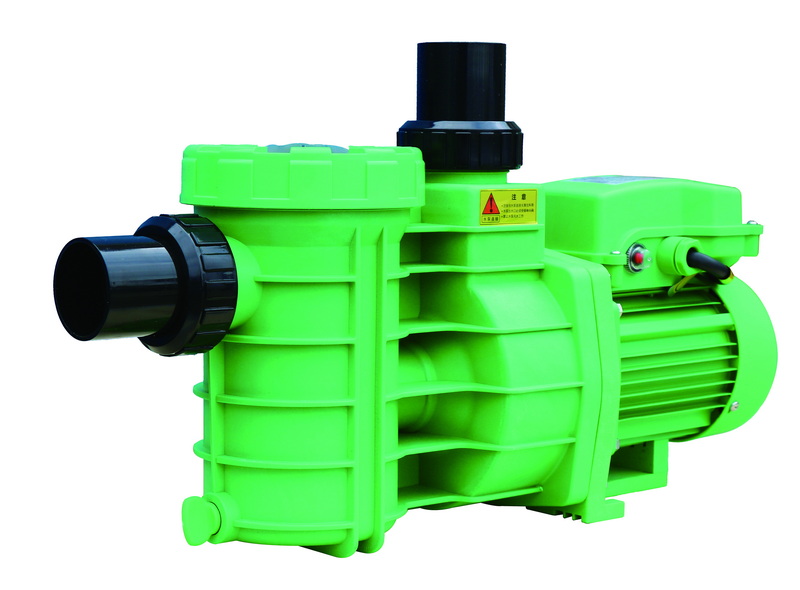
Sometimes the pump is technically “working,” but its performance is so poor that owners think it is faulty. An oversized or undersized pump, excessive pipe length, too many tight elbows, or valves that are partially closed can all reduce actual flow at the returns.[7][1]
High resistance systems can force the pump to operate outside its optimal range, making it noisy and inefficient and increasing the chance of cavitation and air problems. A professional can review total dynamic head, pipe layout, and equipment selection to recommend a pump and filter combination that matches the pool's design.[7][4]
Owners who want to solve “why is my swimming pool pump not working” systematically can follow a logical troubleshooting sequence.[3][1]
1. Check power and controls
- Confirm the time clock or automation system is calling for the pump to run.
- Reset the circuit breaker and GFCI, and verify that the pump's power switch is on.[6][7]
2. Inspect water level and visible leaks
- Ensure the pool water level is around the middle of the skimmer opening.
- Look for obvious leaks around suction lines, pump unions, and the pump lid.[2][3]
3. Clean skimmer and pump baskets
- Turn off power, remove the skimmer baskets and pump strainer basket, and clear all debris.
- Reinstall baskets correctly and ensure lids are tight.[1][3]
4. Prime the pump
- With power off, remove the pump lid, fill the basket with water, and lubricate the lid O‑ring if needed.
- Replace the lid, open suction and return valves, then turn on the pump and watch for a full prime.[3][2]
5. Check the filter
- Read the pressure gauge and compare to the normal clean pressure.
- Backwash sand or DE filters or clean cartridges if pressure is significantly above normal.[3]
6. Listen and observe the motor
- Note whether it is silent, humming, grinding, or screeching, and whether it trips the breaker quickly.
- Humming and quick breaker trips often indicate a bad capacitor or stuck motor; loud grinding suggests bearing failure.[10][11][5]
7. Inspect and clean the impeller
- If flow is weak and baskets are clean, open the pump housing (power off) and clear debris from the impeller.[12][3]
If problems persist after these steps, the safest option is to contact a qualified pool technician or electrician to avoid electrical hazards and further equipment damage.[6][7]
Many of the issues behind “why is my swimming pool pump not working” can be avoided with routine maintenance. Simple habits like emptying skimmer and pump baskets regularly, keeping proper water level, and cleaning the filter on schedule reduce strain on the pump.[1][4][3]
Good ventilation around the motor, shading equipment from extreme heat, and avoiding dry runs (never running the pump without water) help prevent overheating and burnout. Scheduling professional inspections at least once a year lets experts catch early signs of capacitor failure, wiring problems, or worn bearings before they lead to complete pump failure.[6][4]
Not every non‑working pump needs full replacement; minor problems like clogged baskets, air leaks at the lid, or a single failing capacitor are often cost‑effective to repair. However, if the motor has severe corrosion, repeated overheating, or badly worn bearings, replacing the motor or entire pump may be more economical and reliable.[11][10][4][3]
Newer high‑efficiency pumps, including variable‑speed models, can significantly reduce energy consumption while improving circulation and filtration performance when sized correctly. When upgrading, it is important to match the new pump to the existing sand, DE, or cartridge filter and the pool's plumbing to avoid the same flow problems recurring.[7][1]
“Why is my swimming pool pump not working?” usually has a practical answer linked to power supply, air leaks, blockages, filter problems, or motor failure, all of which can be narrowed down by observing how the pump behaves. By following a structured troubleshooting process and keeping up with simple preventive maintenance, most homeowners can restore reliable circulation—or know exactly when to call a professional for help.[6][2][1][4][3]
For buyers, brand owners, and wholesalers, choosing well‑engineered pumps and filters from experienced OEM manufacturers, combined with clear maintenance guidance, reduces downtime, warranty claims, and long‑term operating costs.[7][4]
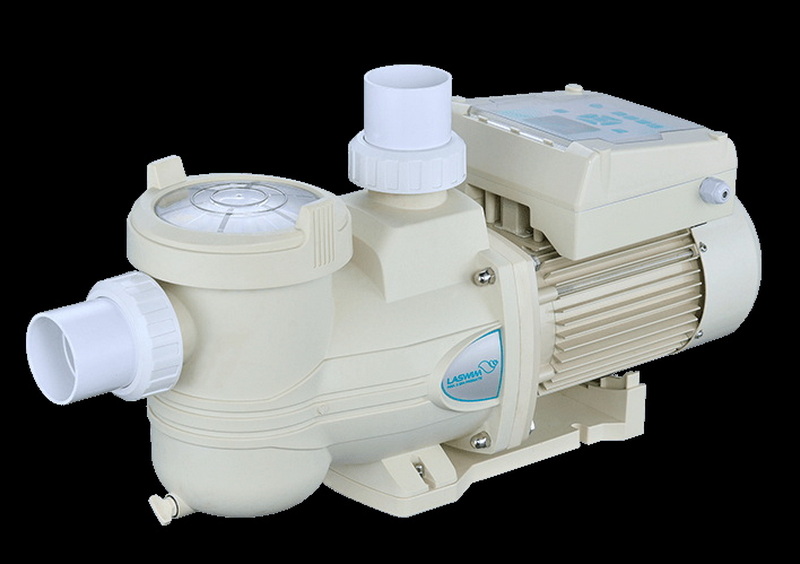
A pool pump that only hums without starting often has a failed start capacitor, a stuck or rusted motor shaft, or a clogged impeller that prevents rotation. Because the motor cannot turn, it draws high current and may quickly trip the breaker or overheat, so the pump should be shut off and inspected before further use.[10][5][12][6]
Losing prime usually indicates an air leak on the suction side, a loose or cracked pump lid O‑ring, low pool water level, or a combination of these factors. When air continuously enters the system, the pump basket will not stay full, flow will fluctuate, and the pump may eventually run dry and overheat.[2][4][3]
If the motor runs but water movement is weak, common causes are clogged skimmer or pump baskets, a dirty or restricted filter, or debris lodged in the impeller. In some cases, partially closed valves or undersized plumbing can also limit flow even though the pump itself is turning normally.[12][1][3][7]
A pump that trips the breaker moments after start may have a failing capacitor, internal motor short, seized bearings, or a jammed impeller causing excessive current draw. A weak or incorrectly sized breaker, damaged wiring, or moisture in electrical connections can make this problem worse and should be evaluated by a qualified electrician.[5][11][10][6][7]
Basic maintenance such as emptying baskets and checking water level should be done weekly during the swimming season, while filter cleaning follows the pressure gauge and manufacturer recommendations. Professional inspection of the pump, motor, and electrical connections at least once per year helps prevent surprises and extend equipment life.[6][1][4][3]
Running a pool pump without water, even briefly, is risky because the water normally cools and lubricates internal components. Dry operation can cause rapid overheating, deformation of plastic parts, seal damage, and early motor failure, so the pump should always be fully primed before starting.[4][3]
[1](https://lesliespool.com/blog/pool-pump-troubleshooting-guide.html)
[2](https://www.swimuniversity.com/pool-pump-not-working/)
[3](https://dolphinpacific.co.nz/pool-pump-troubleshooting/)
[4](https://professionalaquaticservices.com/why-do-pool-pumps-burn-out/)
[5](https://intheswim.com/blog/pool-pump-troubleshooting-guide.html)
[6](https://aquaticpros.org/common-pool-pump-electrical-issues/)
[7](https://poolpartstogo.com/blogs/articles/troubleshooting-common-inground-pool-pump-problems)
[8](https://www.youtube.com/watch?v=2-4HSvVuqdE)
[9](https://www.youtube.com/watch?v=Ayk3co2KetE)
[10](https://www.aquamagazine.com/service/article/15121199/pump-troubleshooting-for-pool-openings-part-2)
[11](https://pleasantpools.com/5-most-common-pool-pump-problems-and-solutions/)
[12](https://mrpoolman.com.au/blogs/news/the-only-pool-pump-troubleshooting-guide-you-ll-need)
[13](https://www.youtube.com/playlist?list=PL784D975AEA898B07)
[14](https://inspect360.com/top-5-reasons-your-pool-pump-isnt-working/)
[15](https://www.reddit.com/r/swimmingpools/comments/8t1h8g/pool_pump_wont_turn_on_ideas/)
[16](https://www.youtube.com/watch?v=p5ZkC10kutI)
[17](https://www.facebook.com/groups/637529959937311/posts/1679765719047058/)
[18](https://www.youtube.com/watch?v=RH78q36liks)
[19](https://www.reddit.com/r/pools/comments/1dan6lm/pump_makes_a_noise_and_then_trips_the_breaker/)
[20](https://www.inyopools.com/HowToPage/how-to-troubleshoot-a-pool-pump-that-is-not-full-of-water.aspx?CommentPage=1)


