
Views: 222 Author: Tina Publish Time: 2025-07-14 Origin: Site


Content Menu
● Understanding Your Pool Filter System
● Common Causes of Air in Pool Filters
>> Leaky Pipe Fittings and Valves
>> Equipment Placement and Plumbing Design
● Step-By-Step Troubleshooting Guide
● How to Bleed Air From Your Pool Filter
>> 1. Why does my pool filter lose prime overnight?
>> 2. How do I know if air is entering my pool system?
>> 3. Can air in the filter damage my pool equipment?
>> 4. What is the best way to find a suction-side air leak?
>> 5. How often should I bleed my pool filter?
A properly functioning pool filter system is essential for crystal-clear water and a healthy swimming environment. However, many pool owners face a persistent and frustrating issue: air getting into the pool filter. Air in your pool filter can reduce filtration efficiency, cause noisy operation, and even damage expensive equipment. This comprehensive guide explores the reasons behind this problem, offers step-by-step troubleshooting, and provides actionable solutions to keep your pool running smoothly.
Maintaining a clean and safe pool requires more than just adding chemicals; it involves ensuring that the circulation and filtration systems are working correctly. When air enters the system, it disrupts water flow, reduces filtration capacity, and can lead to costly repairs if left unaddressed. Understanding why air gets into your pool filter and how to solve it is critical for every pool owner.
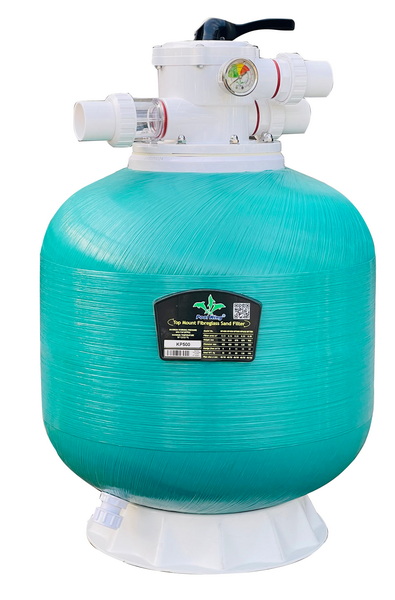
Before diving into the causes and solutions, it's important to understand how your pool's filtration system works:
- Pool Water Flow: Water is drawn from the pool through skimmers and main drains by the pump. It passes through the filter, which removes debris and contaminants, and is then returned to the pool.
- Suction Side: The plumbing from the pool to the pump is called the suction side. Air leaks here are the most common cause of air in the filter.
- Pressure Side: After the pump, water is pushed through the filter and back to the pool. Air leaks on this side are less common but can still occur.
The pump creates suction that draws water from the pool. When air enters the suction side, it disrupts this suction, causing the pump to lose prime. This can lead to cavitation, where vapor bubbles form and collapse inside the pump, potentially damaging the impeller and motor. Proper sealing and maintenance of all components on the suction side are vital to prevent air intrusion.
If your pool's water level drops too low, the skimmer will start to suck in air along with water. This is one of the most common and easily overlooked causes.
- Symptoms: Bubbles in the pump basket, air coming from return jets, noisy operation.
- Solution: Maintain water level at least halfway up the skimmer opening at all times.
When the water level is too low, the skimmer cannot maintain a steady flow of water, and air is drawn in through the skimmer weir. This not only introduces air into the filter but can also cause damage to the pump by running it dry. Regularly check the pool water level, especially after heavy use or hot weather when evaporation rates are high.
A cracked, loose, or poorly sealed pump lid or a worn-out O-ring can allow air to enter the system. Even a small gap can cause significant air intrusion.
- Symptoms: Visible bubbles in the pump basket, difficulty priming the pump.
- Solution: Inspect the pump lid and O-ring for cracks, dirt, or wear. Clean and lubricate the O-ring, and replace if necessary.
The pump lid must create an airtight seal to maintain suction. Dirt, debris, or damage to the O-ring can break this seal. Applying a pool-safe silicone lubricant to the O-ring helps maintain flexibility and prevents cracking. Always ensure the lid is securely tightened after maintenance.
Loose or poorly sealed fittings, unions, or valves on the suction side can introduce air into the system.
- Symptoms: Persistent air bubbles, especially after the pump is turned off and restarted.
- Solution: Tighten all fittings and check for leaks using a soapy water solution. Replace or reseal as needed.
Over time, vibrations and temperature changes can loosen fittings. PVC glue joints can degrade, and threaded fittings may loosen. Regular inspection and maintenance of these connections are necessary to prevent air leaks.
A malfunctioning skimmer can introduce air, especially if the skimmer basket is clogged or the weir door is stuck.
- Symptoms: Gurgling sounds, vortex in the skimmer, air bubbles.
- Solution: Clean the skimmer basket regularly and ensure the weir door moves freely.
The skimmer's job is to draw water from the surface, but if the basket is blocked with leaves or debris, water flow is restricted, causing air to be sucked in. The weir door helps maintain a proper water seal; if it's stuck open or broken, air can enter the system.
Cracks in the filter tank or multiport valve can also be sources of air leaks.
- Symptoms: Water leaks around the filter, air in the filter tank.
- Solution: Inspect the filter housing for visible cracks and replace damaged parts.
Plastic filter housings can degrade over time due to UV exposure and chemical wear. Even small cracks can allow air to enter, reducing filter efficiency and causing noise.
Worn or damaged O-rings in the backwash valve can allow air to enter after backwashing.
- Symptoms: Air in the filter after backwashing, loss of prime.
- Solution: Inspect and replace O-rings in the backwash valve.
The backwash valve controls the flow direction during cleaning cycles. If its seals are compromised, air can enter the system when the valve is returned to the filter position.
If your pump is installed above the water level or if plumbing runs are unusually long, it can be harder for the pump to maintain prime, increasing the risk of air leaks.
- Solution: Whenever possible, install the pump below the water level and minimize unnecessary plumbing runs.
Gravity helps the pump stay primed. When the pump is higher than the water level, it must work harder to draw water, increasing the chance of air intrusion and cavitation.
1. Check Water Level: Ensure water is at least halfway up the skimmer. If low, add water and monitor.
2. Inspect Pump Basket and Lid: Remove the pump lid and clean out any debris. Check the O-ring for cracks or dirt. Lubricate or replace as needed.
3. Tighten Fittings: Use a wrench to gently tighten all suction-side fittings. Avoid overtightening which can cause damage.
4. Test for Leaks: Apply a soapy water solution to joints and watch for bubbles forming, indicating air leaks.
5. Observe the Pump: Turn on the pump and look for persistent bubbles in the pump basket or hear unusual noises.
6. Check Skimmer and Weir: Remove debris from the skimmer basket and ensure the weir door moves freely.
7. Examine Filter Housing and Valves: Inspect for cracks or worn seals. Replace damaged components.
8. Bleed the Filter: Use the air relief valve to release trapped air.
9. Prime the Pump: If necessary, fill the pump basket with water before restarting to help maintain prime.
Bleeding air from your pool filter is a simple but essential maintenance task:
1. Turn on the Pump: Run the filter on the normal setting.
2. Locate the Air Relief Valve: Usually found at the top of the filter.
3. Open the Valve: Slowly turn the valve counterclockwise. Listen for the hiss of air escaping.
4. Wait for Water: When water starts to come out, close the valve.
5. Repeat if Needed: If air persists, repeat the process until only water escapes.
Regular bleeding prevents air pockets from building up, which can reduce filtration efficiency and cause premature wear on the pump.
- Regularly check and maintain water level. Keep it at least halfway up the skimmer to prevent air suction.
- Clean skimmer and pump baskets weekly. Remove leaves and debris to ensure unobstructed water flow.
- Lubricate O-rings with pool-safe lubricant every month. This prevents cracking and maintains airtight seals.
- Inspect all visible plumbing for leaks or cracks. Tighten or replace fittings as needed.
- Backwash or clean your filter as recommended by the manufacturer. This maintains filter efficiency and prevents pressure buildup.
- Schedule annual professional inspections. A pool technician can identify hidden issues before they become serious problems.
Air in your pool filter is a common but solvable issue. By understanding the causes—ranging from low water levels and faulty O-rings to leaky fittings and skimmer problems—you can systematically troubleshoot and fix the problem. Regular maintenance, vigilant observation, and timely repairs will keep your pool filter system running efficiently, ensuring clear, healthy water all season long.
Taking proactive steps, such as maintaining proper water levels, inspecting seals, and cleaning skimmer baskets, will minimize air intrusion and extend the life of your pool equipment. Remember, a well-maintained pool filtration system not only improves water clarity but also enhances the overall swimming experience by preventing costly breakdowns.

Losing prime overnight is often due to a slow suction-side air leak. As the pump shuts off, air seeps in, causing the water to drain back and lose prime. Check all suction-side fittings, pump lid, and O-rings.
Common signs include bubbles in the pump basket, air coming out of return jets, gurgling noises, and difficulty maintaining pump prime.
Yes. Persistent air can cause the pump to run dry, overheat, or cavitate, leading to expensive repairs or replacement of the pump and motor.
Check all joints and fittings with a soapy water solution while the pump is running. Bubbles will form at the site of a leak. Also, inspect the pump lid and O-ring.
It's good practice to bleed your filter weekly or whenever you notice a drop in pressure or bubbles in the system.


