


Content Menu
● Understanding Pool Filter Types
● Where Homeowners Can Buy Pool Filters
>> Big‑box home improvement stores
>> Online pool specialists and marketplaces
● Where Professionals and Businesses Should Buy
>> Buying from distributors and trade wholesalers
>> Buying OEM pool filters directly from factories
● How to Choose the Right Pool Filter Before You Buy
>> Step 1: Calculate your pool volume
>> Step 2: Match filter flow rate to pump
>> Step 3: Decide which filter type suits you
● Online vs Offline vs OEM: Buying Options Compared
● Recommended Buying Scenarios
>> 1. What is the best place to buy a pool filter online?
>> 2. Can I buy an oversized filter for my pool?
>> 3. Where should I buy replacement cartridges or D.E. grids?
>> 4. Is it worth importing OEM pool filters from a factory?
>> 5. How do I know if my new filter matches my pump?
>> 6. Which filter type should I choose for very clear water?
Finding the right place to buy a pool filter matters as much as choosing the right type of filter itself, especially if you want clean water, low running costs, and long service life. This guide explains where to buy pool filters, how to choose the right one, and how overseas buyers can source OEM filters directly from professional factories.[1][2][3]
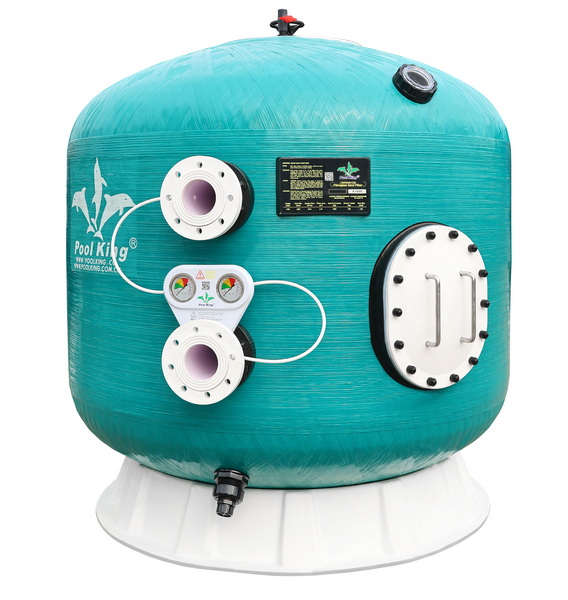
Before deciding where to buy, you need to understand the three main filter types: sand, cartridge, and D.E. filters. Each has different filtration performance, maintenance needs, and typical buyers.[2][3][1]
- Sand filters
- Use silica sand in a tank to trap debris as water passes through.[3][1]
- Typically filter particles around 20–40 microns, suitable for general residential and many commercial pools.[1]
- Known for low cost and simple operation, but less effective for very fine particles.[2][1]
- Cartridge filters
- Use pleated cartridges that catch smaller particles as water flows through the fabric.[1]
- Commonly filter down to about 10–20 microns and do not require backwashing, saving significant water.[2][1]
- Popular with residential owners who want clearer water and easier maintenance with fewer multiport valves.[1][2]
- D.E. (Diatomaceous Earth) filters
- Use grids coated with diatomaceous earth to capture contaminants as small as 1–3 microns.[4][1]
- Deliver the clearest water but require more complex maintenance and regular recharging of D.E. powder.[4][1]
- Often favored for high‑end residential pools, spas, and demanding commercial applications.[4][1]
For homeowners, convenience, after‑sales support, and compatibility with existing equipment are usually top priorities. The main options are local pool stores, big‑box retailers, and online specialty sites.[5][3]
Local pool stores offer in‑person advice, quick replacements, and the chance to see products physically before purchase. Many carry well‑known brands and compatible filter parts, including cartridges, grids, valves, gauges, and O‑rings.[6][7][3]
- Pros
- Immediate availability and local warranty handling.[3]
- Staff can help identify your existing filter model from labels or photos.[8][6]
- Cons
- Higher prices than some online options.[3]
- Limited range if the shop is tied to a few brands.[3]
National chains and home centers offer pool filters seasonally, mainly focused on standard residential sizes. They typically stock sand filters and cartridge filter systems bundled with pumps for above‑ground and small in‑ground pools.[3]
- Pros
- Easy to buy during regular home‑improvement trips and often competitive pricing.[3]
- Clear consumer‑level buying guides that explain filter options in simple terms.[3]
- Cons
- Narrower product depth, especially for large or specialized systems.[3]
- Less technical sizing support compared with dedicated pool specialists.[9][3]
Online pool retailers provide wide selection, detailed specs, and customer reviews that help compare different filter systems. Many sites specialize in pool equipment, offering cartridge, sand, and D.E. filters, plus replacement parts.[10][6][5]
- Pros
- Large catalogs of complete filter systems and spare parts from multiple brands.[5][10]
- Helpful guides and blogs to choose filter type, size, and flow rate correctly.[9][5]
- Cons
- Shipping costs and lead times, especially for large sand filter tanks.[10]
- Returns can be more complicated for bulky or used wet equipment.[10]
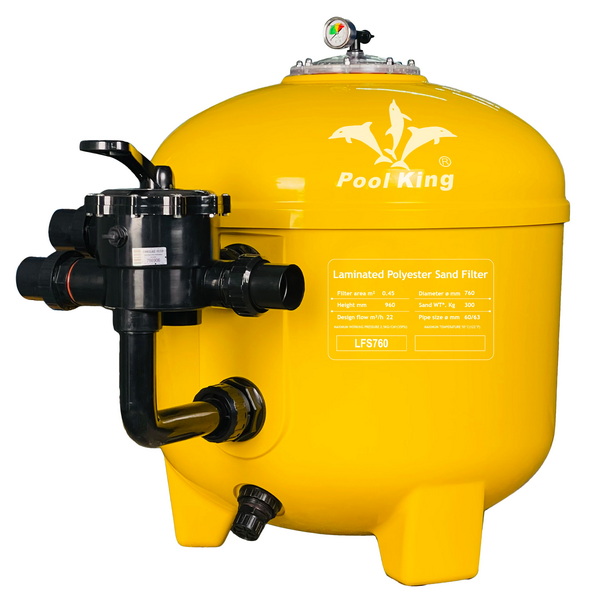
If you are a builder, wholesaler, or brand owner, your purchasing strategy is different from a homeowner's. You typically care more about OEM/ODM capability, long‑term sourcing, and compatibility across multiple projects.[7][9]
Regional distributors consolidate products from several manufacturers and often support installers and service companies. They stock full ranges of filters, pumps, multiport valves, and replacement media.[6][7]
- Best for
- Small and mid‑size pool builders needing consistent supply and standard brands.[7]
- Service companies that need quick access to cartridges, grids, and sand filter parts.[6][7]
- Benefits
- Volume pricing, technical training, and coordinated logistics to job sites.[7]
- Access to brand marketing materials and longer‑term support contracts.[7]
For overseas brands, wholesalers, and manufacturers, working directly with a specialized pool filter factory in China allows custom branding and better cost control. Professional factories use automated and intelligent machinery to produce sand filters, D.E. filters, cartridge filters, pumps, LED lights, and accessories at scale.[8][7]
- Typical OEM capabilities
- Custom logos, colors, labels, and packaging for sand filters, D.E. filters, and cartridge filters.[8]
- Matching water pumps, LED pool lights, and accessories to create complete system lines.[8][7]
- Advantages
- Lower unit cost at volume compared to buying branded finished products from distributors.[7]
- Ability to design filters for specific markets—such as higher flow rates, alternative voltages, or region‑specific ports.[9][7]
Knowing where to buy is only useful if you also know what you should buy. Correct sizing and compatibility with your pump and pool volume directly affect filtration quality and equipment life.[11][9][3]
Pool volume determines how much water must be filtered within a standard turnover time, usually 8–10 hours per day. Residential pumps are typically sized to circulate the full volume of water in that period.[9]
- Basic approach
- Measure length, width, average depth, and apply a standard pool volume formula depending on shape.[9]
- Convert volume to liters or gallons to calculate the flow rate needed for a full turnover in 8–10 hours.[9]
A filter must be compatible with the pump's flow rate to avoid damage, poor performance, or excessive pressure. If the filter is too small, the pump may over‑pressurize it; if too large with inadequate flow, filtration becomes inefficient.[11][9]
- Guidelines
- Determine the pump's turnover rate and ensure the filter's rated flow capacity is higher than the pump's output.[11][9]
- For large pools, bigger filters generally provide better filtration and less frequent cleaning, as long as flow remains within the recommended range.[11][9]
Your usage pattern, budget, and clarity expectations should guide the choice between sand, cartridge, and D.E.[1][3]
- Choose a sand filter if
- You prefer low upfront cost and straightforward backwashing and are satisfied with good, but not ultra‑fine, clarity.[1][3]
- Choose a cartridge filter if
- You want finer filtration, longer cleaning cycles, and significant water savings because there is no backwash.[2][1]
- Choose a D.E. filter if
- You need the clearest possible water and accept more complex maintenance and handling of D.E. media.[4][1]
The table below summarizes the main buying paths for pool filters and who they suit best.[10][8][7]
| Buying channel | Typical buyer | Main advantages | Main limitations |
|---|---|---|---|
| Local pool store | Homeowners, small service firms | Face‑to‑face advice, instant pickup, help identifying parts.intheswim+2 | Higher prices, limited inventory depth.homedepot |
| Big‑box home center | DIY homeowners | Convenience, seasonal promotions, simple starter packs.homedepot | Narrow product range, less technical support.homedepot |
| Online pool specialist | Homeowners, pros | Huge selection, detailed specs, guides and blogs.doheny+1 | Shipping time, bulky returns.thepoolfactory |
| Trade distributor | Builders, installers, service | Volume pricing, training, job‑site logistics.hayward | Usually requires business account.hayward |
| OEM factory (China) | Brands, wholesalers, manufacturers | Custom branding, lower unit costs, full product lines.intheswim+1 | MOQs, lead time, import logistics.hayward |
Linking your specific situation to a buying route makes your decision much easier. Below are practical examples you can adapt.[9][3]
- If you are a homeowner upgrading an old system
- Visit a local pool store or online specialist with your current filter's label and pump data.[8][10]
- Ask for a slightly larger filter compatible with your pump to reduce cleaning frequency and improve clarity.[11][9]
- If you are a new pool owner on a budget
- A sand filter system from a big‑box retailer or online shop can be cost‑effective, especially for above‑ground pools.[10][3]
- Confirm that the included pump and filter are appropriately matched for your pool volume.[11][9]
- If you run a pool service company
- Work with distributors and online specialists that stock a full range of cartridges, grids, and filter parts.[6][10]
- Standardize on a few filter lines to simplify maintenance, training, and spare‑parts inventory.[7]
- If you are an overseas brand or wholesaler
- Source filters directly from an OEM factory that produces sand filters, cartridge filters, D.E. filters, pumps, LED lights, and accessories with smart machinery.[8][7]
- Use OEM customization to build your own product line with unified design, packaging, and documentation for your target market.[8][7]
Choosing where to buy a pool filter depends on who you are and how you use your pool, but the core principles remain the same: correct sizing, compatible pump, and a filter type that matches your clarity and maintenance expectations. Homeowners usually benefit from local pool stores, big‑box retailers, and online specialists, while professional buyers and overseas brands gain the most from cooperating with OEM factories that can supply sand, cartridge, and D.E. filters plus matching pumps and LED lights under custom labels.[10][1][7][11][8][9]
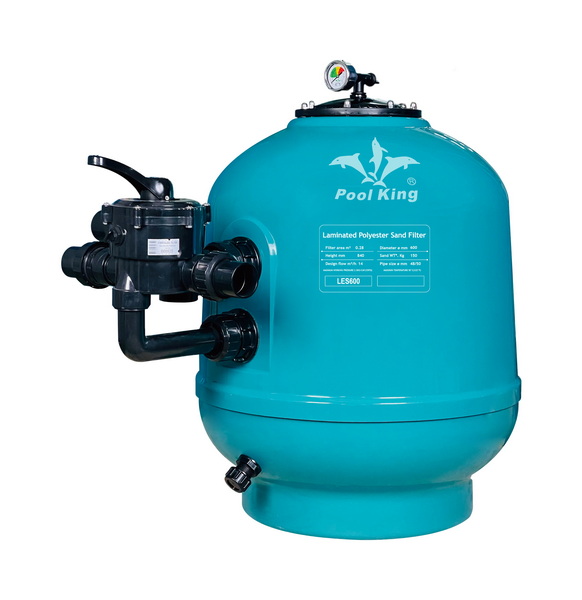
Dedicated pool equipment websites and specialist retailers are usually the best online sources, because they offer a wide range of sand, cartridge, and D.E. filters with detailed technical information. Many also provide sizing calculators, buying guides, and live support to help match the filter to your pump and pool volume.[5][10][9]
A slightly oversized filter is often recommended because it improves filtration and reduces cleaning frequency, as long as the pump's flow rate remains within the filter's rated limits. However, an extremely oversized filter with very low flow may underperform, so balancing pump output and filter flow capacity is still important.[11][9]
Replacement cartridges, D.E. grids, O‑rings, and valves are widely available from pool stores, distributors, and online parts specialists that stock components compatible with many filter brands. When possible, match parts using the filter label, model number, and a visual comparison to ensure proper fit.[6][8]
For foreign brands, wholesalers, and large buyers, importing OEM filters from a specialized factory can significantly reduce cost per unit while enabling custom branding and system integration. This route is most suitable when your order volume meets minimum quantities and you are prepared to manage shipping, certification, and after‑sales support in your local market.[7][8]
Check the pump's flow rate and the filter's maximum flow rating; the filter must be able to handle at least the pump's output without exceeding recommended operating pressure. Good practice is to size the filter somewhat larger than the pump and pool minimum so it can maintain turnover time while operating comfortably within its design limits.[11][9]
For the clearest water, D.E. filters are usually preferred because they can trap particles as small as 1–3 microns, much finer than sand or many basic cartridges. High‑quality cartridge filters are also a strong option if you want fine filtration with lower water use and simpler maintenance than D.E. systems.[2][4][1]
[1](https://intheswim.com/blog/best-pool-filter-type-de-sand-or-cartridge.html)
[2](https://blog.royalswimmingpools.com/blog/different-types-of-pool-filters)
[3](https://www.homedepot.com/c/ab/pool-filters-buying-guide/9ba683603be9fa5395fab9011ed5911)
[4](https://www.summerhillpools.com/pool-equipment/filter-types/)
[5](https://www.doheny.com/help/diy-how-to-select-a-pool-filter)
[6](https://lesliespool.com/pool-filter-parts/)
[7](https://hayward.com/products/pool-filters.html)
[8](https://intheswim.com/c/filter-parts/)
[9](https://lesliespool.com/blog/pool-filter-sizing.html)
[10](https://www.thepoolfactory.com/collections/pool-filter-systems)
[11](https://www.inyopools.com/HowToPage/how-to-size-a-pool-filter.aspx?CommentPage=1)
[12](https://www.discountfilterstore.com/collections/pool-and-spa-filters)
[13](https://aquapoolsupply.com/blogs/news/choosing-the-right-pump-and-filter-for-your-swimming-pool)
[14](https://www.reddit.com/r/pools/comments/14o30p1/what_kind_of_filter_is_this_where_can_i_find/)
[15](https://www.denscotpools.com/the-denscot-column/different-types-of-pool-filters)


