
Views: 222 Author: Tina Publish Time: 2025-09-13 Origin: Site


Content Menu
● What is Glass Media for Pool Filters?
>> Advantages of Glass Media over Sand
● Types of Pool Filters Compatible with Glass Media
● Where to Buy Glass Media for Pool Filters
>> 1. Specialized Pool Supply Stores
>> 2. Industrial Filtration Suppliers
>> 3. Manufacturer Direct Purchase
>> 5. Local Pool Service and Maintenance Companies
● How to Choose the Right Glass Media for Your Pool Filter
● Detailed Installation Guide for Glass Media in Pool Filters
>> Step 1: Preparing the Filter
>> Step 3: Cleaning the Filter Tank
>> Step 4: Adding New Glass Media
>> Step 5: Reassembling and Testing
● Maintaining Your Glass Media Filter for Optimal Performance
>> Troubleshooting Common Issues
● Environmental Impact and Sustainability of Glass Media
● Frequently Asked Questions (FAQs)
>> 1. Can I use glass media in any sand filter?
>> 2. How long does glass media last compared to sand?
>> 3. Is glass media environmentally friendly?
>> 4. How do I know how much glass media to buy?
>> 5. How do I dispose of used glass media?
When it comes to maintaining crystal-clear pool water, using the right filter media is crucial. Glass media has become a popular choice for pool filters due to its excellent filtration performance, eco-friendliness, and durability. This article explores where to buy glass media for pool filters, the benefits of using glass media, practical tips for selection, installation, and maintenance, and everything you need to know to keep your pool water sparkling clean.
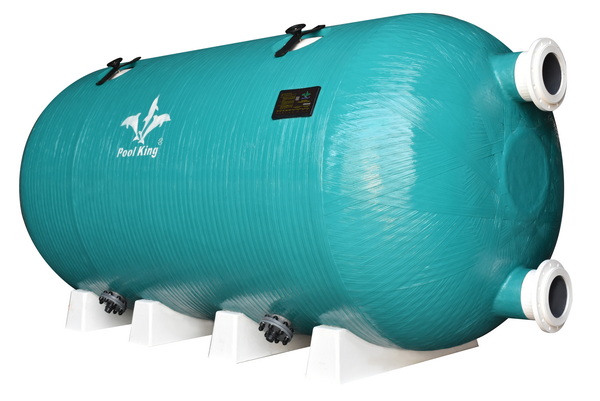
Glass media refers to specially processed recycled glass particles that are used as a filtration medium inside swimming pool sand filters or other types of pool filters. Unlike traditional sand, glass media offers superior filtration with the ability to trap finer particles, resulting in clearer and healthier pool water.
- Finer filtration: Glass media filters out particles as small as 20-35 microns, compared to 40-50 microns for sand, capturing smaller debris including algae and bacteria more effectively.
- Longer lifespan: Glass media lasts up to 5 to 7 years without losing efficiency, whereas conventional sand often requires replacement every 3 to 5 years.
- Eco-friendly: Made from 100% recycled glass, it helps reduce landfill waste and supports environmental sustainability.
- Lighter weight: It weighs about half as much as sand, making installation, removal, and replacement easier and less labor-intensive.
- Less backwashing: Maintains filtration efficiency with fewer backwashing cycles, saving water and reducing maintenance.
- Improved water flow: Due to its smooth, angular particles, glass media improves water flow within the filter, enhancing overall filtration dynamics.
Glass media is compatible with various pool filter types but is most commonly used in:
- Sand filters: The primary filter type using glass media due to its granular bed structure.
- DE (Diatomaceous Earth) filters: Some DE filters can use glass media with slight modifications.
- Cartridge filters: Usually do not utilize glass media since they use fabric or pleated cartridges as the filter medium.
Finding quality glass media requires sourcing from reliable suppliers to ensure purity, particle size consistency, and certifications. Here are the main trusted options for purchasing glass media:
Pool supply retailers—both brick-and-mortar locations and online stores—often stock pool-specific glass media. These stores typically carry well-known brands with proven efficacy.
- Examples: Leslie's Pool Supplies, Pentair, Hayward.
- Benefits: Access to expert advice, product warranties, easy returns, and fast shipping.
Some companies that specialize in commercial and industrial filtration equipment also provide glass media for pool filtration. These suppliers cater to both residential and commercial pools.
- Examples: Filtrex, Eagle Filters.
- Benefits: Ability to purchase in bulk for significant cost savings, industrial-grade quality materials suited for large or commercial pools.
Purchasing directly from manufacturers—especially those based in China and other major production hubs—can provide the best prices, particularly for OEM orders or large quantities.
- Benefits: Customized packaging and labeling, consistent supply, and options for OEM partnerships if you are a reseller or brand owner.
- Caution: Ensure the manufacturer complies with international quality standards such as NSF, ISO, or other relevant certifications to guarantee product safety and performance.
Platforms like Amazon, Alibaba, and eBay offer a broad range of glass media products from various sellers.
- Benefits: Wide selection with diverse pricing, access to customer reviews and ratings.
- Caution: Careful evaluation is necessary to avoid counterfeit or substandard products; look for seller ratings and verified certifications.
Pool professionals and maintenance companies often supply or source glass media for their clients as part of regular pool servicing.
- Benefits: Professional advice tailored to your pool type, installation services, and maintenance tips.
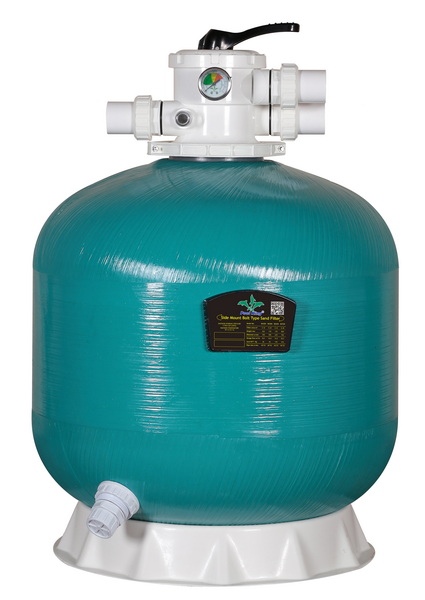
Selecting the appropriate glass media involves understanding key product specifications and your pool's filtration requirements.
- Particle Size (Mesh Size): The most common grain size for pool filter glass media ranges from 0.4 mm to 0.8 mm, which maximizes filtration performance without compromising flow rate.
- Quantity Required: Pool filter tanks have a specified media volume, usually between 50 to 100 pounds. Always check your filter manufacturer's specifications before purchasing.
- Certifications: Look for products with NSF/ANSI 50 certification or other safety and performance standards to ensure compliance with local pool health regulations.
- Supplier Reliability: Opt for manufacturers or distributors with positive track records, excellent customer reviews, and prompt technical support.
- Price vs. Quality: While it's tempting to go for the cheapest product, quality glass media often results in longer-lasting filters and cleaner water, leading to cost savings over time.
- Packaging and Storage: Properly sealed bags keep the media free from contamination and moisture, preserving its filtration efficiency.
Replacing traditional sand with glass media can be a straightforward process with the right tools and steps. Below is a step-by-step guide to ensure a smooth transition:
- Turn off the pool pump and power supply.
- Release any built-up pressure by opening the air relief valve.
- Drain the existing filter tank by opening the drain plug.
- Remove the filter's multiport valve carefully.
- Scoop out all existing sand or media using a small bucket or shop vac.
- Dispose of the old media according to local regulations.
- Inspect the filter tank and lateral assembly for damage or debris.
- Rinse the filter tank thoroughly with a hose to remove residual sand or debris.
- Ensure the lateral diffuser (underdrain) is clean and intact.
- Fill the filter tank with the recommended volume of glass media.
- Glass media can be added with a scoop or by carefully pouring into the tank.
- Avoid overfilling to maintain proper water flow.
- Reattach the multiport valve and tighten it securely.
- Perform a backwash cycle for 3-5 minutes to settle the media bed and clear any dust.
- Return the valve to the filter position and restart the pump.
- Monitor pressure gauges and check for leaks.
Proper maintenance extends the life and efficiency of your pool's glass media filter.
- Backwash Regularly: Backwash the filter when the pressure gauge reads 8-10 psi above the clean filter pressure. This removes trapped debris and prevents clogging.
- Avoid Chemical Overdosing: Excessive use of pool chemicals, especially stabilizers and algaecides, can coat the media and reduce its efficiency.
- Visual Inspection: Check media condition annually. If the glass appears worn down or less effective, replacement might be necessary.
- Prevent Channeling: Occasionally perform a deep clean using filter cleaner chemicals to prevent channeling – the formation of paths where water bypasses the media.
- High Pressure Build-up: Usually means the media bed is clogged or compacted. Backwash and clean the media.
- Cloudy Pool Water: Could indicate media degradation or insufficient filtration. Test media quality and water chemistry.
- Leaks Around Filter Nut: Ensure tight seals and gaskets are intact during reassembly.
Choosing glass media contributes positively to environmental sustainability. Since it is manufactured primarily from 100% recycled glass, it reduces waste and minimizes the carbon footprint compared to natural sand mining. Furthermore, its longer product lifespan helps conserve resources by reducing frequent replacements.
Many manufacturers also emphasize eco-conscious production, using energy-efficient processes and recycled packaging materials. As the swimming pool industry increasingly adopts green technologies, glass media is becoming a preferred choice for environmentally-aware pool owners.
Glass media is a superior alternative to traditional sand for pool filtration systems, offering finer filtration, longer durability, eco-friendly benefits, and easier handling. Whether you purchase from local pool supply stores, industrial filtration suppliers, direct manufacturers, or online marketplaces, ensure you select certified, high-quality glass media that matches your filter specifications. Proper installation and maintenance will optimize your pool's water clarity and keep your filtration system running efficiently for years. Investing in quality glass media not only improves your swimming experience but also supports environmental sustainability.
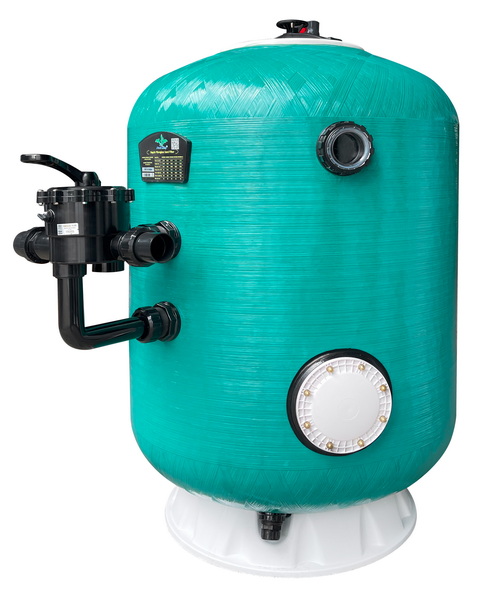
Most modern sand filters are compatible with glass media, but it's always best to check your filter manufacturer's recommendations before switching.
Glass media generally lasts 5 to 7 years, providing longer service than standard pool sand, which typically needs replacement every 3 to 5 years.
Yes. It is produced from 100% recycled glass, reducing landfill waste and the need for natural sand extraction, making it a highly sustainable option.
Refer to your pool filter's manual for the specific volume required. Most filters require between 50 to 100 pounds (about 22 to 45 kilograms) of media.
Used glass media can often be recycled as regular glass. Check your local recycling regulations to ensure proper disposal.


