
Views: 222 Author: Tina Publish Time: 2026-01-22 Origin: Site


Content Menu
● How a pool circulation system is laid out
● Typical location of a pool filter
● Relationship between the pool pump and the filter
● Where the filter sits relative to the skimmer and returns
● Distance and height guidelines for placing the filter
● Hiding equipment while keeping access easy
● Types of filters and equipment pad layout
● How professional OEM equipment improves installation
● Integration with lighting and accessories
● Practical tips for choosing the best equipment location
● Safety and code‑related considerations
● How OEM sand filter systems support international partners
● FAQ
>> 1. Where exactly is the pool filter located in a typical backyard pool?
>> 2. Can the pool filter be placed far away from the pool?
>> 3. Does the filter go before or after the pool pump?
>> 4. How close should the pool pump and filter be to each other?
>> 5. Do different filter types change where the filter is installed?
For most residential pools, the pool filter is located next to the pool pump on an equipment pad a short distance away from the pool, usually along a wall, fence, or behind landscaping. Together, the pool pump and pool filter form the heart of the circulation system, pulling water from the pool, cleaning it, and sending it back through the return jets.
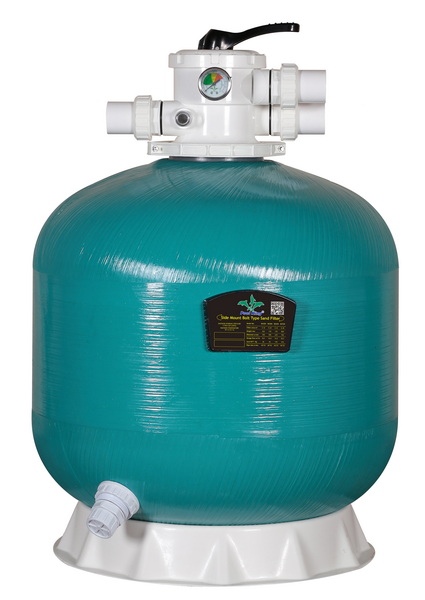
A modern swimming pool circulation system follows a closed loop: pool → suction lines → pool pump → pool filter → heater or chlorinator → return lines → pool. Understanding this loop makes it much easier to locate the pool filter, identify where the pool pump should sit, and design an equipment pad that is quiet, efficient, and easy to service.
- Water is drawn from the skimmer(s) and main drain through underground suction pipes leading to the inlet of the pool pump.
- The pool pump then pushes the water under pressure into the pool filter tank, which contains sand, cartridge, or DE elements that trap debris and fine particles.
- From the pool filter outlet, water may flow through a heater, chlorinator, salt system, or advanced oxidation device and then back to the pool via return jets placed strategically around the pool walls.
Manufacturers design each pool pump to work with a suitably sized pool filter so the flow rate, pressure, and filtration area match the pool volume and plumbing layout. When planning an equipment area, locating the pool filter right beside the pool pump helps maintain correct flow, reduces energy use, and simplifies maintenance for homeowners and service technicians.
To help users visualize this layout more clearly, you can insert multiple visual elements throughout the article, such as:
- A schematic diagram of the circulation loop showing the pool, skimmer, main drain, pool pump, pool filter, heater, and returns.
- A step‑by‑step animation demonstrating how water moves through the suction side, through the pool pump and pool filter, and back to the pool.
- A short explanatory clip highlighting the internal components of a sand filter, cartridge filter, and DE filter.
In most in‑ground and above‑ground installations, the pool filter is installed directly after the pool pump on a common base called the equipment pad. This pad is normally placed 10–20 feet from the pool edge, far enough away to meet common electrical safety requirements but close enough to minimize friction losses in the pipes.
- Many regional codes require the pool pump and filter to be at least several feet from the water's edge so that a swimmer cannot reach energized equipment from inside the pool.
- For efficiency and quiet operation, installers often choose an inconspicuous corner along the house wall, behind a fence, or near a utility side yard, where the pool pump and pool filter can stand together.
Pool builders typically aim for 10–30 feet of distance between the pool and the pool pump–filter set, which works well for most residential systems. Beyond about 30–50 feet, longer pipe runs can cause noticeable head loss, so the installer may increase pipe size or use a more powerful pool pump to maintain flow through the pool filter.
To make this clearer to homeowners and DIY users, consider embedding:
- A top‑down layout illustration of a backyard showing different example positions for the pad at 10, 20, and 30 feet from the pool.
- A comparison clip demonstrating how flow rate and pump noise change as the distance between the pool pump, pool filter, and pool increases.
The pool pump and the pool filter always work as a pair, and their physical relationship is fixed: the pool pump must come first, and the pool filter comes directly after it in the plumbing line. Locating the filter before the pool pump would expose the pump to large debris, air leaks, and irregular flow, which can cause cavitation, noise, and premature failure.
- On the equipment pad, the suction plumbing from the skimmer and main drain connects into the inlet of the pool pump, which is usually at the front of the pump housing.
- The pump's discharge port, often on top or side, feeds into a short piece of PVC pipe leading into the pool filter's inlet union or multiport valve.
Because the pool filter sits on the pressure side of the pool pump, it must be rated for the maximum system pressure, and valves on the filter tank or multiport handle allow backwashing, rinsing, and waste discharge. When upgrading to a higher‑flow variable‑speed pool pump, professionals frequently resize the pool filter so the filtration area can handle the increased circulation without excessive pressure rise.
To educate pool owners and professionals, you can include:
- A close‑up visual of an equipment pad showing the suction lines, pool pump inlet, pump discharge, and filter inlet/outlet arrows.
- A short demonstration clip showing how changing pool pump speed affects the pressure gauge reading on the pool filter.
To understand exactly where the pool filter is located in the overall system, it helps to trace the water path from the pool skimmer to the return jets.
- Skimmer and main drain: These are on the pool walls and floor, pulling surface and deep water into suction plumbing that runs underground to the pool pump.
- Pool pump: Located on the equipment pad, it receives suction water and converts it into pressurized flow.
- Pool filter: Immediately downstream of the pool pump, the filter tank sits on the same pad and cleans the water before it reaches heaters or sanitizers.
- Returns: After leaving the pool filter and any heater, the water travels back to the pool through return fittings that are placed around the perimeter to promote good circulation.
Return jets are often oriented so they gently push water around the pool in a circular pattern, sweeping debris toward the skimmer while maintaining a calm surface for effective skimming. When skimmers and returns are placed correctly and the pool pump and filter are sized properly, the system works quietly and efficiently with fewer dead spots and better chemical distribution.
For better user understanding, effective visual content in this part might include:
- A transparent‑style diagram showing skimmer openings, main drain, suction lines, pool pump, pool filter, and return jets.
- A dynamic clip of dye or colored particles circulating through the pool to show how the pool pump and pool filter influence water movement.
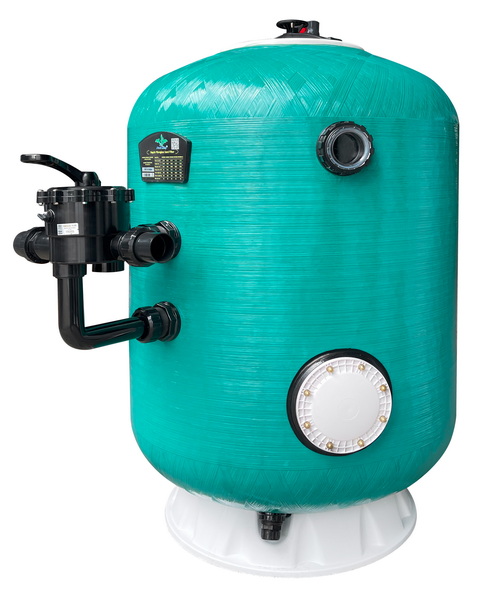
Although local building codes always take priority, several common industry guidelines shape where a pool filter can be located relative to the pool.
- Ideal distance: Many professionals suggest keeping the pool pump and pool filter within 15–20 feet of the pool for standard residential setups, with 20–30 feet being common on many new installations.
- Maximum practical distance: Systems up to around 30 feet away from the pool usually work well with standard plumbing and a correctly sized pool pump, while longer runs may require larger pipe diameters or higher‑performance pumps.
Horizontal distance is not the only factor; vertical elevation matters too because a pool pump is more efficient when it sits close to the normal water level. Installing the pool pump and pool filter well above the water line forces the pump to work harder during priming, while placing them slightly below the water level may require extra valves to prevent flooding during service.
To support planning and sales, you can provide:
- A side‑view illustration showing different elevation options for the equipment pad relative to the water level.
- A technical explainer clip comparing priming performance with the pool pump at various heights.
Homeowners often want to know where the pool filter will be located so they can hide it visually while still allowing easy service access. Manufacturers and builders recommend a balance: the pool pump and filter should be close enough for efficiency but screened behind walls, planters, or fencing to control noise and maintain the backyard aesthetic.
- A small concrete or composite pad with enough space around the pool pump and pool filter makes it easier to remove lids, change cartridges, and operate valves.
- When building a partial enclosure or equipment shed, good ventilation and drainage are critical to protect the electric motor of the pool pump and the metal components on the pool filter and heater.
It is wise to leave clear walking space in front of the pool pump, filter, and control valves so technicians can work safely without reaching over hot or hot‑water equipment. Properly planned access also helps homeowners perform routine tasks such as emptying pump baskets, backwashing the filter, and adjusting timers or automation panels without struggling with cramped spaces.
For marketing content, consider:
- Before‑and‑after visuals showing exposed versus well‑screened equipment pads.
- A walkthrough clip of a technician servicing a pool pump and pool filter in a well‑designed equipment area.
Even though the exact media inside the pool filter can differ, the physical location in the system remains the same for sand, cartridge, and DE units.
- Sand filters store sand media inside a spherical tank positioned after the pool pump, with a multiport valve mounted on top or on the side for backwash control.
- Cartridge filters use one or more pleated cartridges inside a vertical tank connected directly to the discharge of the pool pump, usually without a backwash valve.
- DE filters include internal grids coated with diatomaceous earth and are installed on the equipment pad in the same position after the pool pump and before the heater.
In all three cases, the pool pump drives water into the filter inlet, and the cleaned water leaves the outlet at the top or side, flowing to other equipment. Installers often align the pool pump, pool filter, heater, and salt system in a straight row on the pad to keep plumbing neat and reduce head loss caused by unnecessary turns and fittings.
To help buyers compare options, suitable visuals include:
- Side‑by‑side illustrations of sand, cartridge, and DE pool filters in the same equipment‑pad position.
- A comparison clip explaining the maintenance steps for each filter type while constantly showing the pool pump–filter relationship.
Professional OEM manufacturers design integrated pool systems in which the pool pump, pool filter, and related accessories match each other in capacity, pressure rating, and hydraulic performance. When an OEM set is used, the equipment pad layout is easier to standardize, and the position of the pool filter relative to the pool pump and pool can be optimized during design rather than improvised in the field.
- Matching the flow curve of the pool pump with the filtration area of the pool filter allows high turnover rates without excessive pressure or noise.
- OEM equipment often includes unions, valves, and connection kits that reduce installation time and ensure correct flow direction between the pool pump, pool filter, heater, and sanitizers.
Because the equipment is engineered to work as a system, service professionals know exactly where to place the pool filter and how to route piping from the skimmer, main drains, and returns to maintain correct velocities. This standardization is especially helpful for overseas brand owners, wholesalers, and builders who want reliable, repeatable installations backed by technical documentation.
For B2B content aimed at international partners, rich media can include:
- Exploded‑view renderings of matched OEM circulation sets that highlight pool pump and pool filter interfaces.
- Technical clips showing recommended equipment‑pad layouts for different pool sizes, each using the same OEM circulation kit.
Although lighting and other accessories do not directly determine where the pool filter sits, their wiring and plumbing connections often share the same equipment area. For example, low‑voltage LED pool lights use junction boxes or transformers that are usually mounted near the pool pump and control boxes, while water features or spa jets may tee off after the pool filter.
- Keeping control systems, timers, and automation panels close to both the pool pump and pool filter makes it easier to coordinate filtration, lighting, and water features on a single schedule.
- When planning conduits and cable routes, installers need enough open space around the pad to keep electrical and plumbing runs organized and code‑compliant.
For brand marketing and user education, you can highlight:
- A system overview diagram showing how the pool pump and pool filter share an equipment zone with LED drivers, automation hubs, and other add‑ons.
- A control‑panel demonstration clip where users schedule filtration cycles, lighting scenes, and water features together.
When deciding where the pool filter and pool pump should be located, homeowners and professionals can follow several practical tips:
- Prioritize a location that is close to the pool but still respects local safety codes for electrical and gas equipment.
- Ensure the ground is level, stable, and well‑drained so the pad does not shift or flood, which could damage the pool pump or filter.
- Plan for future expansion: leave room for a larger pool filter, a heat pump or gas heater, and additional circulation devices for spas or water features.
- Think about noise: do not place the pool pump and pool filter directly under bedroom windows or in enclosed spaces that amplify sound.
- Consider service access from day one so technicians can easily remove pool pump lids, filter tanks, and valve assemblies.
Helpful visual aids for this section might include:
- A step‑by‑step layout guide with overhead diagrams for small, medium, and large pads.
- A quick‑tip clip showing common mistakes, such as placing the pool pump too close to walls or blocking access to the pool filter.
Safety and code compliance always influence where the pool filter and pool pump are located. Electrical codes typically require minimum distances between electrical components and the pool, as well as proper bonding and grounding of metallic parts. Local building rules may also dictate barriers, clearances, and safe pathways around the equipment area.
Key safety considerations include:
- Keeping the equipment outside of fenced pool barriers unless specifically planned with gates and safe access.
- Ensuring that the pool pump motor has proper overcurrent protection, and that the pool filter and connected plumbing can withstand normal and maximum working pressure.
- Providing adequate ventilation around gas heaters and heat pumps so exhaust gases and hot air can dissipate safely away from the pool pump, pool filter, and nearby structures.
For safety‑focused content, strong visual support can include:
- A compliant equipment‑pad layout illustration with required clearances annotated.
- A quick safety clip highlighting the dangers of tampering with pressurized pool filters or running the pool pump with closed valves.
For overseas brand owners, wholesalers, and builders, partnering with a specialist OEM factory simplifies the selection and layout of sand filters, pool pumps, and related accessories. A professional manufacturer in this field not only supplies high‑quality sand filter systems and pool pumps but also offers matching valves, unions, pressure gauges, and plumbing recommendations that make on‑site installation much faster.
An experienced OEM supplier can provide:
- Complete sand filter and pool pump sets engineered for specific pool volumes and turnover targets.
- Technical drawings that show the recommended location of the pool filter and pool pump relative to skimmers, main drains, and return lines.
- Custom branding, packaging, and documentation tailored to overseas distribution channels.
By combining intelligent production equipment with strict quality control, such OEM partners help their customers build reliable filtration systems for residential and commercial pools. For content marketing, case‑study clips, plant tours, and product‑explainer animations can highlight how these sand filters and pool pumps are designed, tested, and installed around the world.
The pool filter is always located on the pressure side of the system, immediately after the pool pump on the equipment pad that sits a safe and practical distance away from the pool. By positioning the pool pump and pool filter together within a reasonable range of the pool and at a suitable elevation, installers balance hydraulic efficiency, code requirements, noise control, and visual appearance. Whether the pool uses a sand, cartridge, or DE filter, the physical location is the same: after the pump, before heaters and sanitizers, and connected to the skimmer, main drains, and return jets through well‑planned plumbing lines. For homeowners and professionals alike, understanding this layout makes it easier to design, install, and operate a clean, quiet, and dependable swimming pool system.
Contact us to get more information!
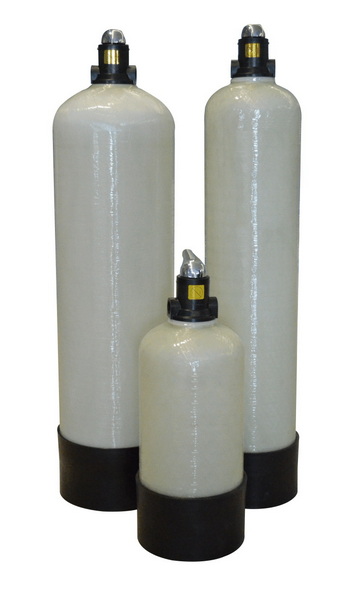
In a typical backyard installation, the pool filter sits on the equipment pad right next to the pool pump, usually some distance from the pool edge behind a fence, wall, or landscaping. Suction lines from the skimmers and main drains go into the pool pump, and the pressurized outlet from the pool pump feeds directly into the pool filter tank before the water returns to the pool.
The pool pump and pool filter can be installed farther away, but efficiency drops as the pipe run gets longer due to friction losses. Many professionals recommend keeping the equipment within a few tens of feet of the pool; beyond that, pipe size and pool pump selection usually need to be upgraded to maintain proper flow through the filter.
The pool filter must always go after the pool pump, on the pressure side of the system, so the pump can push water through the filter media at a controlled rate. Installing the filter before the pool pump would starve the pump of water, allow debris into the impeller, and create air leaks and cavitation that shorten the life of the pool pump.
On the equipment pad, the pool pump and pool filter are normally installed directly next to each other with only a short piece of rigid or flexible PVC between them. This tight connection minimizes elbows and fittings, reduces head loss, makes pressure readings more predictable, and simplifies maintenance tasks like backwashing or opening the pool filter tank.
Sand, cartridge, and DE filters all occupy the same position in the plumbing line: after the pool pump and before heaters, chlorinators, and return lines. The internal media and maintenance methods differ, but the external location of the pool filter on the equipment pad does not change, so installers can upgrade or swap filters without relocating the pool pump.
1. https://www.poolwarehouse.com/articles/pool-plumbing-101-the-ultimate-guide-to-routing-your-pools-plumbing-and-pad/
2. https://www.swimmingpoolsteve.com/pages/pump-distance.html
3. https://intheswim.com/blog/how-to-build-a-pool-equipment-pad-set-up-and-design.html
4. https://clearcomfort.com/roles-of-swimming-pool-equipment-pad/
5. https://intheswim.com/blog/inground-pool-skimmer-plumbing-diagrams.html
6. https://www.goldstandardpools.com/pool-pad-equipment-essential-setup-for-a-reliable-pool-system


