


Content Menu
● What Your Pool Pump Really Does
● Understanding Turnover and Runtime
>> General daily runtime ranges
● How to Calculate Your Ideal Pump Runtime
>> Step 1: Estimate pool volume
>> Step 2: Find pump flow rate
>> Step 3: Calculate turnover time
● Best Time of Day: Day vs Night vs Mixed Schedule
>> Running the pump during the day
>> Best real‑world approach: split schedule
● Seasonal and Weather‑Based Adjustments
>> Cool or off‑season conditions
>> Hot summer or high‑use season
>> After parties and heavy bather load
● Energy Savings Without Sacrificing Water Quality
>> Use off‑peak electricity where available
>> Break runtime into multiple blocks
>> Consider variable‑speed pumps
● When to Run the Pump for Chemicals, Shock, and Special Cases
>> After rainstorms or heavy debris
● Example Schedules for Common Pool Scenarios
● Choosing the Right Filtration and Control Equipment
>> 1. Is it better to run my pool pump at night or during the day?
>> 2. How many hours a day should I run my pool pump?
>> 3. Do I have to run my pool pump for all hours consecutively?
>> 4. Can I run my pool pump every other day to save money?
>> 5. How long should I run my pump after shocking the pool?
>> 6. Does a variable‑speed pump change how long I should run the system?
>> Citations:
Knowing when to run your pool pump is just as important as choosing the right filter and pump in the first place. Proper scheduling keeps the water clear, saves energy, and extends the life of your equipment. For professional pool owners, installers, and OEM buyers, understanding runtime and timing is also critical to specifying the right sand filters, cartridge filters, DE filters, and smart pumps in any project.
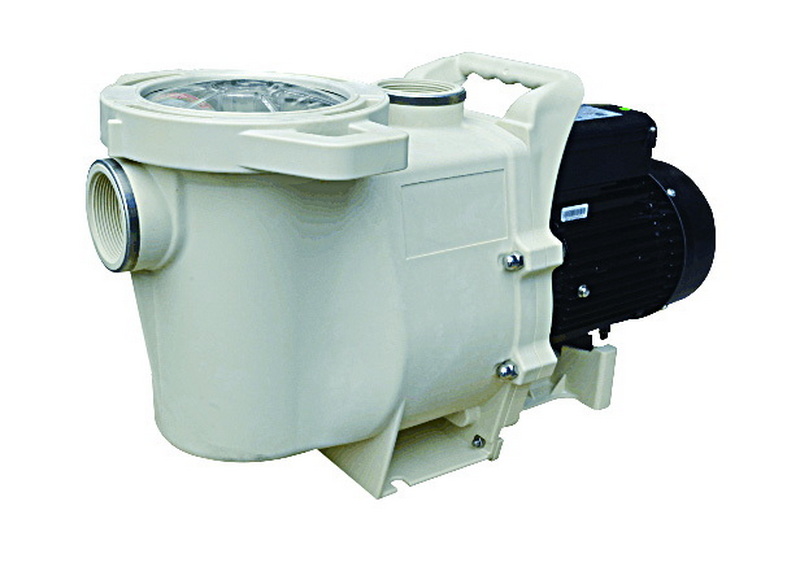
Your pool pump and filtration system work together to keep the water healthy, safe, and visually attractive. The pump pulls water from the pool through the skimmer and main drain, pushes it through the filter, and returns clean water back into the pool.
Key functions of the pump and filter system include:
- Circulating water through the filter media (sand, cartridge, or DE) to remove dirt, debris, and fine particles.
- Distributing chemicals evenly so sanitizers and balancers work effectively in every corner of the pool.
- Preventing stagnant water that encourages algae, bacteria growth, and unpleasant odors.
The basic concept behind pump runtime is “turnover.” Turnover is the time it takes for the pump to move an amount of water equal to the entire volume of the pool through the filtration system. In most residential pools, the target is at least one full turnover every 24 hours, and in heavy-use or hot climates, two turnovers per day may be preferred.
While every pool is different, the following guidelines are commonly used:
- Standard single‑speed pump in moderate conditions: about 8 hours per day.
- Warmer climates or busy pools: about 10–12 hours per day.
- Very hot climates with high bather load or full sun: often 12–16 hours per day.
- Cooler off‑season water: around 4–6 hours per day may be enough when the pool is covered and lightly used.
These values assume that the pump and filter are correctly sized relative to the pool volume. If the pump is undersized, it may need to run longer to achieve the same water quality; if oversized, you may be able to reduce the hours slightly without sacrificing clarity.
A more precise way to plan runtime is to calculate turnover from the pool volume and the pump's flow rate. This is especially useful for commercial projects, new installations, or OEM equipment specification.
For a simple rectangular pool:
- Volume (metric) ≈ Length × Width × Average Depth (in meters) × 1,000
- Volume (US gallons) ≈ Length × Width × Average Depth (in feet) × 7.5
Freeform or irregular shapes can be approximated by dividing the pool into simple sections or using average dimensions.
The pump or filter nameplate usually lists a flow rate in gallons per minute (GPM) or liters per minute (LPM). If not, the product manual or technical data sheet will provide this information.
Turnover time (hours) ≈ Pool volume ÷ (Pump flow rate × 60)
Example:
- Pool volume: 70,000 liters
- Pump flow: 210 L/min
Turnover time ≈ 70,000 ÷ (210 × 60) ≈ 70,000 ÷ 12,600 ≈ 5.6 hours
This means one full turnover takes about 5.5–6 hours. If the pool is in heavy use or in a hot climate, you might aim for two turnovers and run the pump for around 11–12 hours.
There is no single “perfect” time that works for all pools. The best schedule depends on water temperature, sunlight, usage patterns, and local electricity pricing. However, understanding what happens during the day versus at night helps you choose a smart strategy.
Daytime filtration offers several important benefits:
- Water is circulating when the pool is actually being used, which helps remove oils, sweat, cosmetics, and debris brought in by swimmers.
- Sunlight and warm temperatures encourage algae growth; running the pump in the hottest part of the day helps push water through the filter and maintain sanitizer levels where algae are most active.
- If you use solar heating or UV‑sensitive sanitizing systems, daytime circulation ensures the system works efficiently.
The main downside is that daytime is often peak electricity pricing. In many regions, running the pump during the hottest daylight hours will cost more per kWh than running it at night.
Nighttime operation can be very attractive from a cost and water-treatment perspective:
- Many utility companies offer off‑peak or discounted power rates overnight, so running the pump at night can significantly reduce electricity costs.
- Shock treatment and many chemical adjustments are best done in the evening to avoid UV degradation; running the pump at night ensures thorough mixing when chlorine levels are temporarily higher.
- There is less competition with other household electrical loads, which may be helpful in some installations.
The trade‑off is that during hot, sunny days the pool might not be circulating as much if you run the pump mostly at night. If runtime is too short or limited to overnight only, algae and cloudiness may develop more easily, especially in busy pools.
For many pool owners and commercial operators, a mixed schedule provides the best balance:
- Run the pump for part of the required daily hours during the day (to control algae and handle bather load).
- Run the remaining hours during off‑peak night periods (to lower electricity costs and circulate chemicals after dosing).
Example mixed schedule for an 8‑hour target:
- 3–4 hours in late morning to mid‑afternoon, when the pool is warmest and in use.
- 4–5 hours overnight, especially after adding chlorine or balancing chemicals.
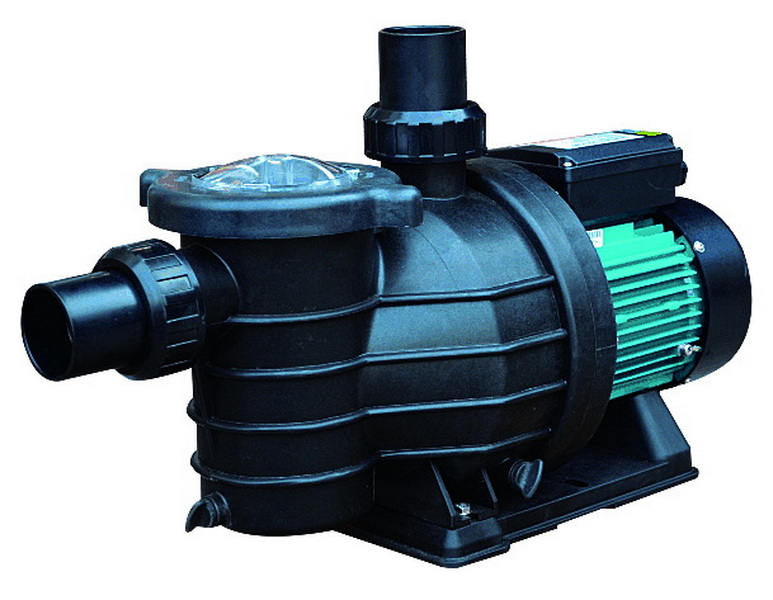
Your filtration needs are not the same all year. Adjusting pump runtime by season and weather helps keep the pool clear without wasting energy.
When water temperatures drop and the pool is lightly used or covered:
- Biological activity slows dramatically, so algae and bacteria grow more slowly.
- 4–6 hours of daily runtime is often enough for basic circulation and filtration.
- If the pool is covered with a solid or safety cover, you may be able to reduce runtime further, as there is less debris and sunlight exposure.
However, it is still important to run the pump daily to protect equipment from stagnant water and allow chemicals to distribute evenly.
In summer, especially in hot climates or when the pool is busy almost every day:
- Aim for 10–16 hours of filtration per day, depending on usage, water temperature, and sun exposure.
- If the pool gets full sun and heavy bather load, two turnovers per day are often recommended to keep water crystal clear.
- Consider running more hours during the afternoon and early evening when contaminants and algae growth are highest.
Pool parties and intensive use add large amounts of organic material (sweat, cosmetics, body oils, sunscreen, etc.) and can overwhelm normal filtration schedules. In these cases:
- Run the pump for extended hours after the event—often overnight—to help the filter capture extra debris.
- Test and balance chemicals, then consider a shock treatment to restore sanitizer levels.
- Maintain strong circulation until the water is clear and the chemical levels stabilize.
Electricity is one of the largest operating costs for a pool, so efficient pump operation is essential. The goal is to achieve enough turnover to keep the water clean without over‑circulating and paying for unnecessary runtime.
If your utility offers time‑of‑use pricing, check which hours are off‑peak. These are commonly late evening through early morning. By scheduling a large portion of your daily runtime during off‑peak periods, you can significantly reduce your electricity bill.
You do not have to run the pump for all hours consecutively. As long as the total runtime within 24 hours reaches your target, you can break it into two or more blocks. For example:
- 3 hours in the morning to skim overnight debris and start circulation.
- 3–4 hours in the afternoon to handle bather load and heat.
- 2–3 hours late at night for off‑peak energy use and chemical mixing.
This flexible approach gives you clear water, improved comfort, and lower energy cost.
Variable‑speed pumps (VSPs) are designed to run at different speeds rather than operating at a single fixed speed. They often:
- Run for longer daily hours at low speed but still consume less total energy than single‑speed pumps.
- Allow fine control of flow rate for different modes, such as filtration, backwashing, heating, or spa circulation.
- Reduce hydraulic noise and extend equipment life by avoiding high‑speed operation all day.
Pairing a VSP with an efficient sand filter, cartridge filter, or DE filter can significantly reduce both energy consumption and maintenance issues.
Pump runtime is especially important when adjusting chemicals, performing shock treatments, or dealing with unusual conditions such as storms or heavy debris.
When adding standard chemicals such as:
- Chlorine or other sanitizers
- pH increasers or reducers
- Alkalinity or calcium hardness adjusters
- Algaecides or clarifiers
You should run the pump:
- While adding the chemicals, so they disperse rapidly and avoid localized high concentrations.
- For several hours afterward to ensure uniform mixing and prevent staining or damage.
Most pool professionals prefer to add chemicals when the pump is running and leave it on for at least a few hours after dosing.
Pool shock is a high‑dose oxidizing treatment intended to destroy chloramines, organic contamination, and early algae growth. Best practices include:
- Add shock in the evening or at night, when sunlight cannot quickly break down chlorine.
- Run the pump continuously for many hours after shocking—often overnight—to circulate the higher chlorine level through all areas of the pool.
- Wait to swim again until free chlorine returns to a safe range as specified on the shock product label.
Rain and storms can drastically affect your pool water:
- Rainwater dilutes and slightly acidifies the pool, influencing pH and sanitizer levels.
- Wind and storms can blow leaves, dust, pollen, and other debris into the water.
In these situations:
- Run the pump and filter longer than usual immediately after the storm.
- Skim large debris, vacuum if needed, and backwash or clean the filter if the pressure rises.
- Test and rebalance chemicals, then continue circulation until the water is clear.
The best schedule for your pool will depend on climate, pool size, equipment selection, and energy prices. The table below provides starting points that owners or installers can adjust to local conditions.
| Scenario | Daily runtime target | Example schedule | Key notes |
|---|---|---|---|
| Moderate climate, single‑speed pump | ~8 hours | 4 hours day + 4 hours night | Good balance of clarity, cost, and simplicity. |
| Hot climate, heavy bather load | 12–16 hours | 6–8 hours day + 6–8 hours night | Strong algae control and fast debris removal. |
| Cooler season, light use | 4–6 hours | Mostly daytime | Enough circulation to keep water balanced. |
| Variable‑speed pump installation | 12–24 hours at low speed | Majority off‑peak, some daytime | Long, gentle circulation with lower total energy. |
| Covered or partially covered pool | 4–8 hours | Split morning and evening | Less debris, but daily turnover still required. |
High‑quality equipment makes runtime planning easier and more forgiving. For OEM buyers, distributors, and brand owners, combining a robust pump with the right filter and smart controls can significantly improve end‑user satisfaction.
Key filtration technologies:
- Sand filters:
- Durable and easy to maintain.
- Ideal for standard residential pools and commercial applications where robust performance is needed.
- Often paired with multiport valves for simple backwashing.
- Cartridge filters:
- Provide fine filtration with relatively low resistance, which can improve flow at lower pump speeds.
- Require periodic removal and cleaning but do not need backwashing, saving water.
- DE (diatomaceous earth) filters:
- Offer very fine filtration, capturing tiny particles and delivering exceptionally clear water.
- Often used for premium residential pools or commercial facilities where top‑tier water clarity is a priority.
Smart controls and automation:
- Timeclocks and digital timers let you program multiple start/stop times, making day/night splits easy to implement.
- Advanced controllers integrate with variable‑speed pumps, chemical dosing systems, heaters, and lights, allowing the entire system to operate as a coordinated unit.
- Remote monitoring via apps enables pool professionals or owners to adjust runtime quickly if conditions change, such as during a heatwave or after heavy rain.
Running a pool pump is not about leaving it on 24/7; it is about achieving the right daily turnover at the right times. Most residential pools operate well with about 8 hours of filtration per day in normal conditions, more in hot or high‑use seasons, and less in cool or off‑season periods when the pool is covered and lightly used. By calculating turnover based on pool volume and pump flow rate, you can fine‑tune runtime instead of relying on guesswork.
Choosing whether to run the pump during the day, at night, or on a mixed schedule comes down to balancing water quality with energy cost. Daytime operation is ideal for controlling algae and handling bather load when the pool is warm and active, while nighttime operation takes advantage of off‑peak electricity rates and supports effective shock treatments and chemical distribution. Splitting runtime into multiple blocks—some during the day and some at night—often delivers the best blend of clarity, cost savings, and comfort.
Energy‑efficient equipment such as variable‑speed pumps and high‑performance sand, cartridge, or DE filters further improves this balance. With smart controls and timers, you can automate schedules to respond to seasons, weather, and usage patterns without constant manual adjustments. Whether you are a homeowner, a commercial operator, or an OEM buyer specifying pumps and filters for global markets, understanding when to run the pool pump ensures consistently clear water, lower operating costs, and longer‑lasting equipment.
Contact us to get more information!
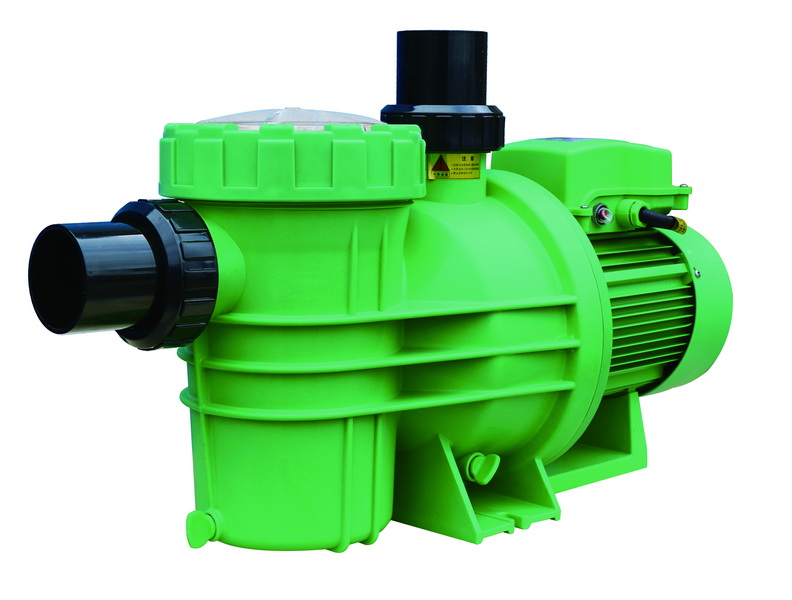
Both options have advantages. Running the pump during the day improves algae control and handles contaminants when the pool is warm and in use. Running it at night can reduce electricity costs and is ideal after adding shock or other chemicals. In practice, many pool professionals recommend splitting runtime between day and night to combine these benefits.
For a correctly sized pump and average residential pool, around 8 hours per day is a common starting point. In very hot climates or for pools with heavy use and full sun exposure, 10–16 hours may be needed, while in cooler seasons or covered pools, 4–6 hours can be sufficient. The ideal runtime should be based on achieving at least one full turnover of the pool volume per day, and sometimes two turnovers in demanding conditions.
No. You can divide the daily runtime into several blocks throughout the day and night. As long as the total runtime reaches your target within 24 hours, the pool can stay clean and clear. Many owners, for example, run a few hours in the morning, a few in the afternoon during peak use, and a few at night during off‑peak electricity periods.
Running the pump every other day is risky and usually leads to cloudy water and higher chemical costs over time. Standing water accumulates debris and allows algae and bacteria to grow more easily. It is generally smarter to reduce daily hours slightly, or upgrade to a more efficient pump and filter, than to skip entire days of circulation.
After shocking, the pump should run continuously for many hours—often overnight or longer—so that the high chlorine level disperses evenly and passes through the filter repeatedly. This helps destroy chloramines, organic contamination, and early algae growth. Only return to normal runtime once the water is clear again and chlorine levels have dropped back into the recommended range for safe swimming.
Yes. Variable‑speed pumps are designed to run longer hours at lower speeds. Even though they run for more hours per day, they usually consume less energy overall than single‑speed pumps. The slower, continuous circulation often improves filtration efficiency, especially when paired with a properly sized sand, cartridge, or DE filter, and it allows more flexibility in scheduling runtime across on‑peak and off‑peak periods.
1. https://lesliespool.com/blog/whats-the-best-time-to-run-your-pool-pump.html
2. https://www.1stdirectpools.com/blog/post/when-run-pool-pump-ultimate-guide
3. https://www.intheswim.com/blog/how-long-to-run-pool-pump.html
4. https://mrpoolman.com.au/blogs/news/how-long-should-i-run-my-pool-pump-every-day
5. https://knowledgebase.royalswimmingpools.com/when-is-the-best-time-to-run-my-pools-filtration-system-and-for-how-long
6. https://www.riverbendsandler.com/help-advice/pool-school-how-often-should-a-pool-pump-run-in-the-summer/
7. https://mrpoolman.com.au/blogs/news/is-it-better-to-run-the-pool-pump-during-the-day-or-night
8. https://www.swimuniversity.com/run-pool-pump/
9. https://www.aaronpoolsandspas.com/pool-pumps-the-best-time-to-run-your-pump/
10. https://www.swimmingpool.com/maintenance/pump&filter/how-long-to-run-pool-pump/


