
Views: 222 Author: Tina Publish Time: 2025-10-29 Origin: Site


Content Menu
● The Importance of Pool Filter Cartridges
● Types of Pool Filter Cartridges
>> Sand Filters
>> Diatomaceous Earth (DE) Filters
● Lifespan and Maintenance Factors
>> What Affects Cartridge Longevity?
● How to Identify Cartridge Wear
>> 1. Persistent Water Cloudiness
>> 2. Higher Filter Pressure Readings
>> 5. Age and Cleaning Frequency
>> 6. Excessive Chemical Consumption
● Step-by-Step: Inspecting and Replacing Pool Filter Cartridges
● Cleaning Pool Filter Cartridges: Extension Tips
● OEM Considerations for International Buyers
● Innovations and Trends in Pool Cartridge Design
● How to Select the Right Replacement Cartridge
● Troubleshooting and Maintenance Log
>> 1. How often should I replace a pool filter cartridge?
>> 2. What are the common signs a cartridge needs replacing?
>> 3. Can regular cleaning extend cartridge life?
>> 4. Are aftermarket cartridges as reliable as OEM models?
>> 5. What risks come with overdue cartridge replacement?
A pool filter cartridge is an essential component in residential and commercial pools, responsible for trapping fine debris, oils, and contaminants to ensure sparkling water and a healthy swimming environment. Knowing when and how to replace your pool filter cartridge is fundamental to the long-term success of your pool maintenance routine and the performance of your entire filtration system. This comprehensive guide will equip pool owners, technicians, OEM partners, and brand managers with actionable insights, practical tips, and multimedia advice to keep pools performing at their absolute best.[11][12]
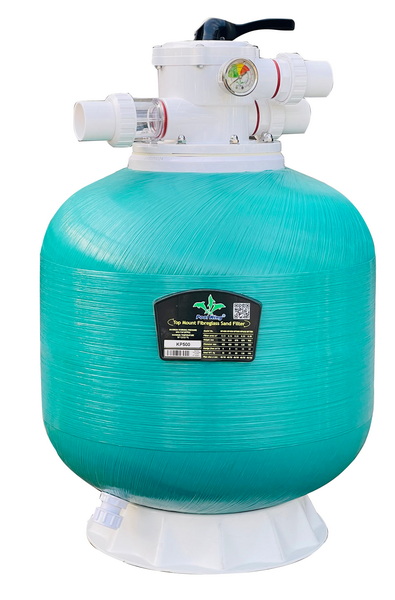
Pool filter cartridges are central to clean water and trouble-free pool operation. These pleated filtration elements remove dust, algae, and suspended particles much more effectively than older sand or DE filter systems. Their efficiency affects everything from sanitation and chemical use to the longevity of pumps and heating systems. Poor filter performance results in murky water, increased chemical costs, and higher energy bills.[12][11]
Sand filters trap debris in a bed of sand; while affordable and robust, they require periodic sand replacement and frequent backwashing, which can lead to significant water loss.[11][12]
DE filters use fossilized diatom particles for ultra-fine filtration. While they're extremely effective, they require more involved maintenance, as DE must be replenished after each filter cycle.[12]
Cartridge filters use pleated fabric media for high-surface-area filtration. They're prized for their simple maintenance and high contaminant retention, which is why they dominate residential and light commercial markets worldwide.[11][12]
- Pool Usage Frequency: More swimmers and heavier use drive up contaminant loads, requiring more frequent cleaning and replacement.[11]
- Water Quality: High mineral concentrations, heavy pollen, or frequent rain events rapidly clog cartridges.[12]
- Chemical Balancing: Poorly balanced water degrades filter media faster, especially high chlorine levels or low pH.[12][11]
- Maintenance Method: Using proper cleaning chemicals—and not abrasive tools—can double cartridge lifespan.[12]
Recognizing when a pool filter cartridge has reached the end of its useful life is a crucial skill for pool owners and technicians. The following signs are clear indicators that your cartridge requires replacement:
If your pool water appears consistently cloudy after adequate filtration and chemical adjustments, the cartridge media is often the culprit. The fibers become worn, allowing fine debris and microscopic particles to slip through.[4][11][12]
An increase of 8-10 PSI over normal operating pressure, even after thorough cleaning, almost always signals advanced clogging or broken-down filter media. This raises pump energy consumption and strains equipment.[4][12]
Decreased circulation rates indicate the cartridge pores have closed off, becoming saturated with debris or mineral buildup.[11][12]
Cracks, tears, broken bands, collapsed pleats, or brittle endcaps all render a pool filter cartridge unfit for service. Using a damaged cartridge risks contaminating the pool and damaging the pump.[4][12]
Industry best-practices suggest replacing filter cartridges every 12-18 months, or sooner under heavy use. If cleaning cycles grow increasingly frequent—requiring maintenance twice as often as before—it's time for a new cartridge.[4][11][12]
If you notice that your pool needs substantially more chlorine, algaecides, or other treatments, it may be a sign the filter cartridge is no longer trapping contaminants efficiently, leading to an ongoing chemical imbalance.[12]
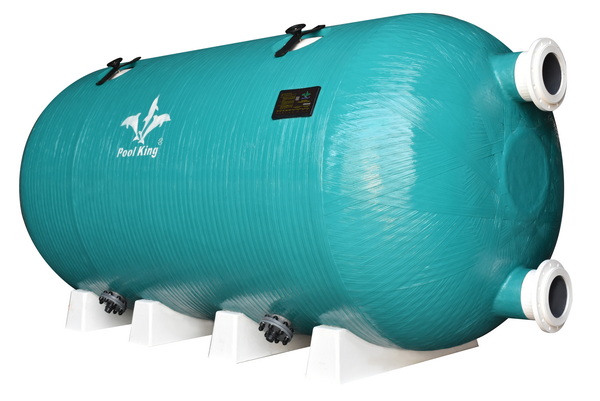
A regular inspection and systematic approach to replacing cartridge filters helps maximize lifespan and prevents costly pool downtime.
Turn off the pool pump and close any shut-off valves connected to your filtration system before starting work.[5][7]
Open the air relief valve on the filter housing; this is a mandatory step to avoid sudden water release or pressure injury.[7][5]
Depending on your manufacturer, unscrew or unclip the housing top, and gently lift it off. Avoid using excessive force to prevent damaging adjoining connectors.[5][7]
Take out the old filter cartridge. Inspect for signs of tears, collapsed pleats, or hard mineral deposits. Discard the old cartridge in accordance with local regulations.[7][5]
Before inserting a new cartridge, rinse the inside of the canister to remove any residue, dirt, or loose debris. This ensures optimum performance from the new filter component.[5][7]
Unwrap the new cartridge, align it properly, and seat it in the holder. Ensure it isn't tilted or leaning to one side.[7][5]
Close the top, secure any clamps or fasteners, and make certain the seal is completely watertight.[5][7]
Close the air relief valve, turn on the pump, and watch for leaks or pressure anomalies. Monitor the pressure gauge for a few minutes to ensure it's in the correct operating range.[2][7][5]
While eventual replacement is inevitable, proper cleaning can extend cartridge service life significantly.
- Rinse every 2-4 weeks during high season with a hose, using a filter wand to blast debris from pleats.[4]
- Soak the cartridge overnight in a specialized filter cleaning solution for chemical removal and improved performance.[4]
- For cartridges saturated with oily residues, use an enzyme-based cleaner.[4]
- For mineral deposits (from hard water), use a granular filter cleaner product.[4]
- Always rinse thoroughly after soaking to prevent chemical residue from entering your pool.
As a factory specialized in filtration solutions, producing sand filters, DE filters, cartridge filters, pumps, LED lights, and accessories, it is vital to offer clear documentation, technical support, and product certification to international brands and wholesalers.
- Provide compatibility charts and guides for global customers.
- Ensure your cartridges are compliant with local water quality regulations.
- Offer private-label and OEM packaging options, as well as bulk ordering and shipment logistics support.
OEM and brand buyers should stay aware of the latest advances in pool filter cartridge technology:
- High-Performance Pleat Materials: Latest polyester blends last longer and maintain effective filtration for more cycles.[8]
- Antimicrobial Treatments: Cartridges with built-in antimicrobial agents reduce biofilm and bacterial growth.[8]
- Eco-friendly Designs: Reusable endcaps and recyclable materials now feature in premium OEM cartridges.[8]
- Smart Monitoring Systems: Integration with IoT sensors and pool management apps for real-time monitoring of cartridge health, pressure, and lifespan.[8]
These innovations are increasingly important for commercial pool operators and international wholesalers seeking differentiated products in a competitive market.
To ensure seamless operation and best possible pool water clarity:
- Match replacement cartridges with original manufacturer specifications for dimensions, media type, and flow rate.[1]
- Consider aftermarket cartridges from established suppliers if genuine OEM cartridges are unavailable.[1]
- Verify warranty and quality standards, especially for large-scale or public pools.[1]
- Maintain an inventory of spare cartridges, particularly in commercial or high-usage environments.
Maintain a logbook for filter cartridge maintenance. Record:
- Dates of cleaning and replacements
- Pressure readings before and after cleaning
- Observed changes in water clarity and chemical consumption
This will help proactively identify any issues and optimize long-term pool performance.
Regular filter cartridge inspection and timely replacement are essential for pristine pool water, safe swimming, and efficient maintenance. Delaying replacement can cause increased energy costs, cloudy water, equipment wear, and higher chemical needs—ultimately risking health and customer satisfaction. By following the methods and insights in this guide, pool owners and operators can ensure continuous optimal performance, longer system lifespan, and robust protection for swimmers.
As a leading OEM supplier of filtration systems and pool accessories for international brands and wholesalers, our team offers customized, certified, and high-performance cartridge solutions tailored to every market. Contact us for product consultation, private-label partnership, or technical support on pool filtration upgrades.
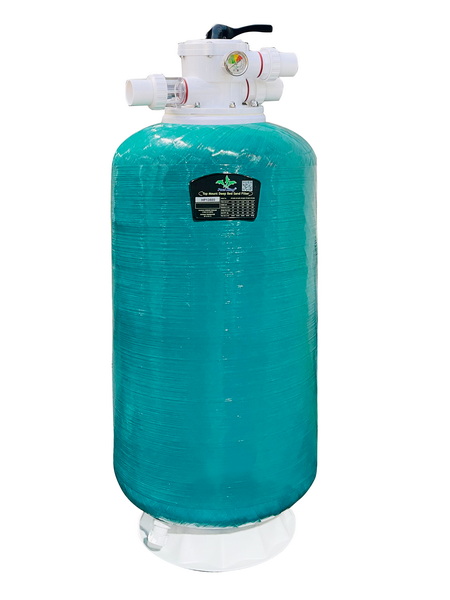
Pool filter cartridges should be replaced every 12-18 months, or after 12-15 cleanings, depending on pool usage intensity and water chemistry.[1][11][4]
Signs include persistent cloudy water, increased pressure even after cleaning, reduced circulation, visible physical damage, and excessive chemical use.[1][11][4]
Proper periodic cleaning with approved solutions can extend cartridge life, but eventual replacement is required as pleats wear out and filtration efficiency drops.[4]
Quality aftermarket cartridges can perform well if matched properly to system specifications, but OEM models generally offer superior fit, warranty, and long-term reliability.[1]
Delayed replacement leads to chronic cloudy water, pump stress, high chemical costs, trouble with local health compliance, and possible pool closure in public facilities.[11][1][4]
[1](https://www.allfilters.com/blog/pool-cartridge-filter-replacement-guide)
[2](https://www.youtube.com/watch?v=f4xja-rKYLU)
[3](https://superiorpoolservice.com/how-to-replace-a-pool-filter/)
[4](https://intheswim.com/blog/pool-filter-cartridges-when-to-clean-and-when-to-replace.html)
[5](https://www.mavaquadoc.com/blogs/pool-maintenance-blog/how-to-replace-pool-filter-cartridges)
[6](https://www.thepoolfactory.com/blogs/pool-care/how-to-replace-the-5-cartridges-in-your-hydrotools-cartridge-filter-system-with-a-single-cartridge)
[7](https://mrpoolman.com.au/blogs/news/pool-filters-the-ultimate-guide)
[8](https://diy.inyopools.com/article/the-ultimate-guide-replacement-pool-filter-cartridges/)
[9](https://nationaldiscountpoolsupplies.com/blog/simple-3step-pool-spa-cartridge-filter-measuring-guide/)
[10](https://www.facebook.com/SwimmingPoolKit/videos/learn-how-to-replace-your-pool-filters-old-dirty-cartridges-for-shiny-new-ones-w/1445913043119129/)
[11](https://hurricane-pool-filters.com/blogs/insights/top-5-signs-its-time-to-replace-your-pool-filter-cartridge)
[12](https://lesliespool.com/blog/pro-tips-cartridge-filters-clean-replace.html)


