
Views: 222 Author: Tina Publish Time: 2025-08-03 Origin: Site


Content Menu
● Factors Influencing the Best Time to Run Your Pool Pump
>> Electricity Costs & Off-Peak Hours
>> Pool Chemicals and Pump Timing
● How Long Should You Run Your Pool Pump?
>> Determining Your Turnover Rate
● Additional Considerations for Pool Pump Management
>> The Role of Variable-Speed Pumps
>> Impact of Pool Size and Usage
>> Weather and Environmental Factors
● Expert Advice on Optimal Scheduling
● FAQ: Common Questions on Pool Pump Usage
>> 1. Should I run my pool pump during the day or night?
>> 2. How long should I run my pool pump each day?
>> 3. Does running my pump at night save money?
>> 4. What should I do after adding pool chemicals?
>> 5. Are variable-speed pumps worth the investment?
Owning a swimming pool brings endless enjoyment, but proper maintenance is crucial to ensure crystal-clear water, a healthy swimming environment, and energy efficiency. One often-debated topic among new and seasoned pool owners is: when is the best time to run your pool pump? In this comprehensive guide, we'll explore all angles with data, expert advice, and visual content to help you make the best choices for your pool and your wallet.
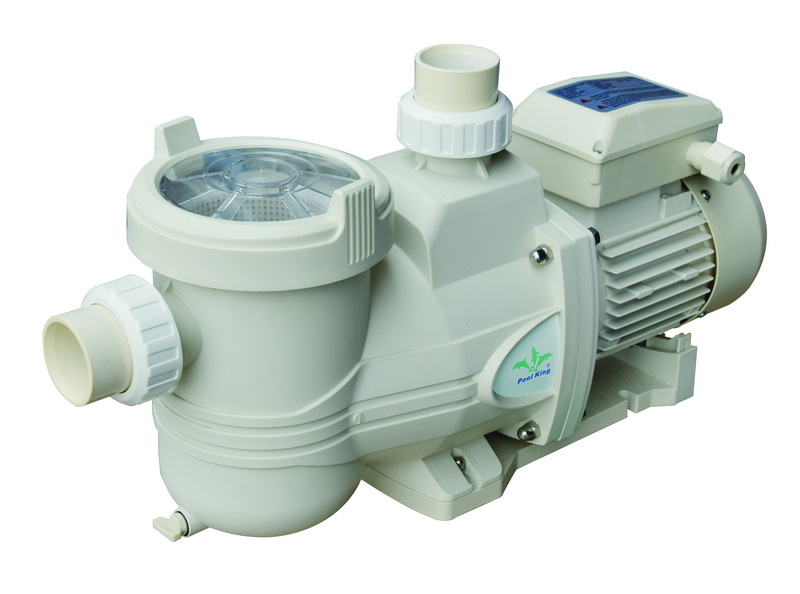
The pool pump is the heart of your filtration system. Its main functions include:
- Circulating water through the filter to remove dirt, debris, and contaminants.
- Ensuring even distribution of pool chemicals to maintain proper water chemistry.
- Preventing algae growth by reducing stagnant areas in the pool.
- Supporting additional pool equipment, like heaters and chlorinators.
A well-functioning pump is essential to maintaining a clean and safe swimming environment. Without it, water would quickly become murky, and algae and bacteria would proliferate, making your pool unpleasant and potentially hazardous.
A pool filtration system typically includes:
- The pump.
- A filter (sand, DE, or cartridge).
- Piping and accessories.
When the pump runs, water is drawn from the pool, passes through the filter (removing fine particulates and debris), and returns clean. This cycle should ideally happen at least once daily; the time needed is referred to as the “turnover rate.”
Turnover is a key concept: it is the duration required for the pump to circulate the entire volume of your pool water through the filter once. Achieving at least one full turnover daily is essential for maintaining water clarity and hygiene.
Selecting the right time to run your pool pump depends on a variety of factors that balance water cleanliness, chemical efficacy, energy consumption, and pool usage patterns.
Daytime Advantages:
- Algae Control: Sunlight boosts algae growth, so circulating and filtering water during peak daylight hours helps keep algae at bay, especially in warm climates.
- Pool Usage: Running the pump during swim times helps trap debris and bacteria generated by swimmers, improving swimmer comfort and hygiene.
Nighttime Advantages:
- Protecting Chemicals: Chlorine and other sanitizers degrade in sunlight. Running the pump at night—especially after adding chemicals—is ideal to maximize chemical effectiveness and to ensure chemicals distribute evenly before the sun's UV rays can break them down.
- Lower Electricity Rates: Many electric utilities offer reduced rates during off-peak hours, usually overnight, making night operation more cost-effective.
Many pool owners find a split schedule beneficial—running the pump for several hours in the daytime to control algae and handle pool activity, and for several hours at night to save energy and distribute chemicals effectively.
Electricity pricing can greatly influence pump run scheduling:
- Peak Hours: Electricity costs more during the day (typically 8 AM to 8 PM).
- Off-Peak Hours: Rates drop in the late evening, overnight, and early morning.
Running your pump during off-peak hours can save energy bills significantly, but it must be balanced against algae control and chemical degradation concerns.
Summer:
- Increased pool use leads to more debris and contaminants.
- Higher ambient temperatures increase algae growth rates.
- More sunlight increases chemical breakdown.
Recommended: Run pump 8–12 hours daily, focusing on peak sun hours for algae control, plus night-time cycles for chemical distribution and energy savings.
Winter:
- Lower temperatures slow algae and bacterial growth.
- Pool usage typically decreases.
Recommended: Reduce pump time to 4–6 hours per day or as low as needed to keep water circulating and chemicals balanced.
Proper chemical management is intertwined with pump operation:
- After Adding Chemicals: Always run the pump to disperse chemicals uniformly.
- Shocking the Pool: Usually done at night to avoid sunlight degrading the added chlorine, followed by overnight pump operation to maximize sanitizer effects.
- Balancing Water Chemistry: Consistent circulation helps maintain correct pH, alkalinity, and sanitizer levels.
Industry experts generally recommend:
- 8–10 hours per day in summer for average pools. Larger or heavily used pools may require 12 hours or more.
- 6–8 hours per day in transitional seasons (spring and fall).
- 4–6 hours per day in winter when algae and bacterial growth slows down.
To precisely calculate run time, use this formula:

Running multiple turnovers daily enhances water quality but increases energy consumption, highlighting the importance of optimizing pump schedules.
Variable-speed pumps are increasingly popular due to their:
- Energy Efficiency: They can run at lower speeds over longer periods, consuming less electricity than single-speed pumps.
- Quiet Operation: Running pumps at lower speeds reduces noise.
- Flexibility: Allows programming different speeds at different times for balancing filtration needs and energy saving.
These pumps offer significant energy savings and can run 24/7 at low speed, which some experts advocate for to maintain constant water circulation and filtration.
Larger pools or pools with heavy use (e.g., frequent swimmers, pets, parties) require longer pump run times for effective sanitation.
Conversely, smaller or lightly used pools can manage with shorter operational hours to save energy.
- Rainfall: Heavy rains increase debris; pump runtime should increase following storms.
- Windy Conditions: Winds carry dust and leaves into the pool, increasing filtration needs.
- Nearby Trees: Pools surrounded by foliage may require more extensive filtration to combat falling debris.
- Run pumps during daylight hours, especially mid-morning through mid-afternoon, when algae growth is highest.
- Schedule nighttime off-peak hours operation after chemical doses to conserve energy.
- If using a variable-speed pump, consider running low speed continuously or for extended periods for gentle yet thorough circulation.
- Use a timer or smart controller to automate pump schedules, optimizing for cost, cleanliness, and pool usage.
- Automate: Timers and smart controllers optimize pump runtime for your unique pool.
- Maintain Equipment: Regularly clean filters and check pump parts to prevent energy waste.
- Optimize Water Chemistry: Balanced water reduces filter strain and chemical use.
- Combine tasks: Program pumps to coincide with cleaning cycles, chemical treatment times, and heating schedules.
- Consider Solar Power: Solar panels can offset some electrical costs for pump operation, enhancing sustainability.
The best time to run your pool pump depends on your specific pool size, usage patterns, climate, and energy costs. Running your pump during the daytime helps control algae growth fueled by sunlight and ensures swimmer comfort, while nighttime operation maximizes chemical effectiveness and reduces electricity bills via off-peak rates.
For enhanced pool health and cost-efficiency, consider a split running schedule or invest in a variable-speed pump combined with a reliable timer or smart controller. Consistent maintenance, appropriate runtime based on calculated turnover, and attentiveness to seasonal changes will ensure your pool remains sparkling clean and inviting year-round.
Efficient pump operation not only preserves water quality but prolongs equipment lifespan and reduces utility costs, giving you peace of mind and more time to enjoy your refreshing oasis.
Answer: Both have benefits. Running during the day helps control algae and cleans swimmer-generated debris; nighttime operation saves electricity and protects chemicals. A split schedule often works best.
Answer: Ideally 8 to 12 hours during summer to ensure full water turnover. In cooler months or lower usage periods, 4 to 6 hours can suffice.
Answer: Often yes, because of lower off-peak electricity rates—but ensure that water quality isn't compromised by too little daytime filtration.
Answer: Run the pump immediately afterward to ensure chemicals distribute evenly; for shock treatments, run overnight to maximize sanitizer action.
Answer: Yes, particularly for energy savings, reduced noise, and flexible scheduling, which can pay off over time with lower utility bills.


