
Views: 222 Author: Tina Publish Time: 2025-10-23 Origin: Site


Content Menu
● Why Is Running a Pool Pump Important?
● Understanding Pool Pump Operation
● The Factors Affecting the Best Time to Run a Pool Pump
● Ideal Times to Run Your Pool Pump
>> Early Morning (Before Sunrise)
● Recommended Pump Run Duration
● Smart Pump Controls and Timers
● Additional Tips for Efficient Pump Operation
● Our OEM Pool Equipment Solutions
● FAQs
>> 1. How many hours per day should I run my pool pump?
>> 2. Can running my pool pump at night save money?
>> 3. Which filter requires the longest pump operation?
>> 4. How do variable speed pumps help save energy?
>> 5. Why is regular pump maintenance important?
>> 6. Can pool covers reduce pump run time?
Running a pool pump efficiently is essential for maintaining clean, clear water and optimizing energy use for your pool. As a Chinese factory specializing in manufacturing top-tier sand filters, pool pumps, LED lights, and accessories, we know the importance of smart pool pump operation to save costs and enhance pool health.
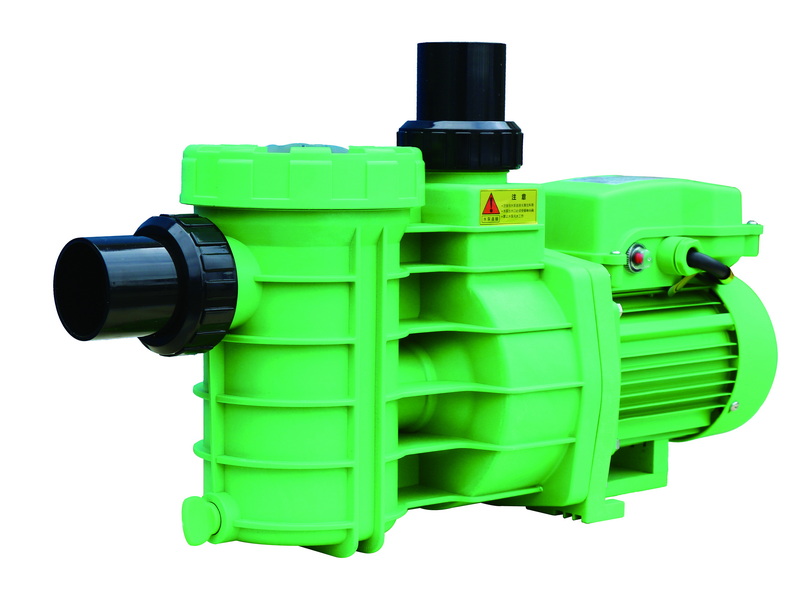
A pool pump circulates water through filters and treatment systems, removing debris, contaminants, and harmful organisms. Without adequate circulation, water stagnates, causing algae growth and unsanitary conditions.
Pool pumps typically consist of a motor that drives water through filters (such as sand filters, DE filters, or cartridge filters). Running the pump ensures that the water constantly cycles, filtering out dirt and chemicals to keep water balanced and safe.
Timing your pump's operation depends on various factors:
- Energy Costs: Electricity rates change throughout the day, with peak and off-peak pricing.
- Pool Usage: More swimmers mean higher contamination needing more circulation.
- Weather and Temperature: Warmer days cause faster algae growth and chemical use.
- Filter Type: Different filters (sand, DE, cartridge) have varying requirements.
- Pump Type: Single-speed, dual-speed, and variable-speed pumps differ in energy consumption and running patterns.
Understanding these factors helps optimize the pump running schedule to balance water cleanliness and energy savings.
Running your pump early in the morning uses cooler ambient air temperatures, which reduces motor strain and helps prolong pump life. Electricity rates are often lower during these off-peak hours, saving on energy costs. It also helps clear debris and contaminants that settle overnight, preparing the pool for the day ahead.
Sunlight stimulates algae growth and chemical reactions that can cloud the pool water. Running the pump during the warmest hours helps disperse chlorine and other sanitizers evenly throughout the water, preventing algae blooms and bacterial growth. Effective water circulation during this time is critical for maintaining balanced water chemistry.
While commonly recommended to avoid late-night pump operation due to cooler temperatures slowing filtration, running the pump during early evening after pool usage can help remove contaminants introduced by swimmers and outdoor elements.
Running your pump in the late night may be tempting to reduce energy costs during off-peak hours, but lower water temperatures and decreased pool activity limit filtration effectiveness. The pump motor may also suffer from condensation-related mechanical wear if operated continuously during colder, damp conditions.
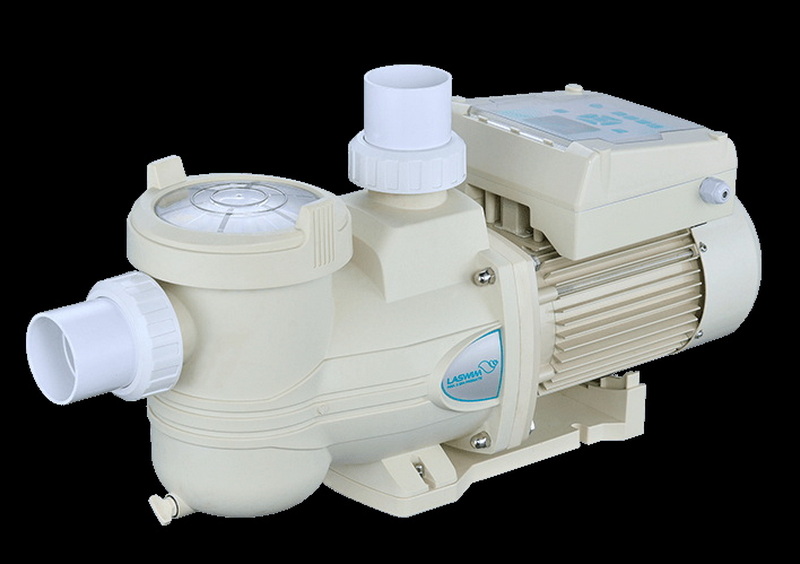
The general recommendation is to run your pool pump between 8 and 12 hours daily. This duration varies depending on:
- Size of the pool
- Frequency of pool use
- Type and condition of the filtration system
- Local weather and climate
Smaller pools or less frequent use requires less filtration time, while larger or heavily used pools need extended pump operation. Consulting manufacturer guidelines and local pool professionals provides tailored recommendations.
Modern pools often use programmable timers to automate pump operation during ideal times of day without manual intervention. Timers allow pool owners to set multiple on/off cycles matching peak contamination periods and off-peak energy rates.
Variable speed pumps adjust motor speed to precisely match filtration demands. Running at lower speeds during less critical times reduces energy consumption dramatically compared to single-speed pumps, which always operate at maximum power. Variable-speed technology can cut operating costs by 50% or more.
- Regular Maintenance: Clean filters, skimmer baskets, and pump impellers reduce pump strain and improve water circulation.
- Check Pressure Gauges: High pressure on filters means they are clogged and need cleaning to maintain flow rates.
- Use Pool Covers: Covers minimize debris entry to reduce pump filter load and allow shorter run times.
- Seasonal Adjustments: Run pumps less during colder months when the pool is unused, but keep filtration active enough to prevent algae.
- Optimize Pump Size: Using a pump that is too powerful can increase energy use unnecessarily; choose one suitable for your pool size and filtration needs.
As a specialized Chinese manufacturer, we produce high-quality sand filters, DE filters, cartridge filters, pool pumps, LED pool lights, and accessories. Our smart-designed products are engineered for durability and efficiency, providing reliable filtration and water circulation for pools worldwide.
We offer OEM services for international wholesalers, brands, and manufacturers, customizing products to meet specific regulatory standards, energy efficiency requirements, and aesthetic preferences. Our pumps feature advanced motors and variable speed options that maximize energy savings while maintaining crystal-clear pool water.
The best time to run your pool pump strikes a balance between energy efficiency, water cleanliness, and equipment longevity. Early mornings and midday hours are the most advantageous for pump operation, leveraging cooler temperatures and sunlight to maximize filtration effectiveness while optimizing energy costs. Avoid running pumps late at night when colder conditions reduce efficiency and potentially harm equipment. Installing smart timers and variable speed pumps can significantly boost savings and water quality. With proper maintenance and high-quality OEM equipment, pool owners can enjoy safe, clear water year-round with minimized operational costs.
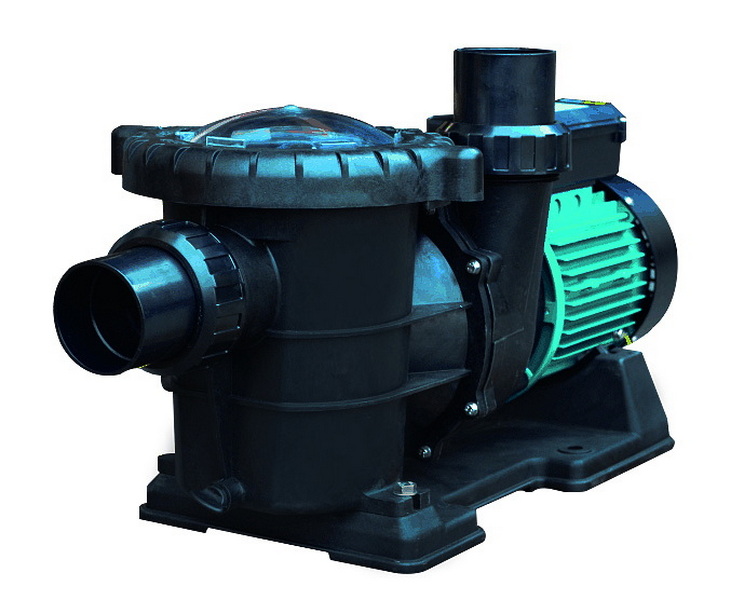
The recommended duration is typically 8-12 hours daily, adjusted based on pool size, use, and water conditions.
While off-peak energy rates may lower costs, cooler nighttime temperatures can reduce filtration efficiency and affect water quality.
DE filters and sand filters generally need longer pump running times (around 8+ hours) to perform optimally.
They allow speed adjustment to match pool filtration needs, using less power than fixed-speed pumps and lowering electricity use.
Keeping filters and pump components clean reduces energy demands, prolongs pump life, and maintains high filtration quality.
Yes, using pool covers limits debris accumulation, allowing shorter pump operation while retaining water cleanliness.


