
Views: 222 Author: Tina Publish Time: 2025-12-24 Origin: Site


Content Menu
● Why It Matters Under a Pool Ladder
● Best Option: Pool Ladder Pad or Step Mat
>> How to Install a Ladder Pad
● Common Alternatives (When You Don't Have a Pad)
● What to Put Under Different Ladder Types
● Safety and Stability Benefits
● How to Choose the Right Pad or Material
● Simple Installation and Maintenance Tips
● Recommended Things to Put Under a Pool Ladder (Quick Table)
● FAQs About What to Put Under a Pool Ladder
>> 1. Do I really need anything under my pool ladder?
>> 2. What is the best thing to put under an above‑ground pool ladder?
>> 3. Can I use a regular bath mat instead of a ladder pad?
>> 4. How do I keep the pad from floating away or shifting?
>> 5. Will a ladder pad also make the ladder more stable?
>> 6. How often should I replace the material under my pool ladder?
>> 7. Can OEM pool equipment suppliers include ladder pads in their packages?
A pool ladder pad or step mat is the safest and most effective thing to put under a pool ladder because it cushions the ladder feet, protects the vinyl liner, and reduces slipping in high‑traffic entry areas. Many pool owners also use alternatives like bath mats, shower mats, or even modified pool noodles and tennis balls when a dedicated pad is not available, but purpose‑made ladder mats last longer and stay in place better.[1][2][3][4][5]
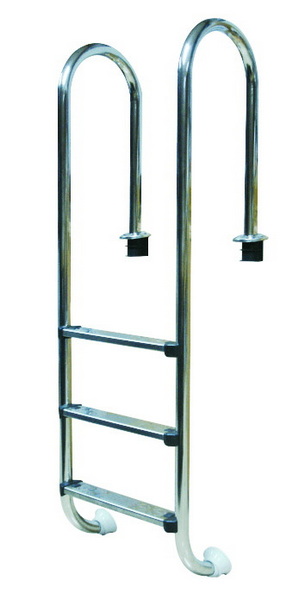
The area directly under the ladder takes concentrated weight and constant movement, which makes it a weak spot for vinyl liners and even for some concrete finishes. Without protection, the ladder feet and edges can chafe, puncture, or stretch the liner, leading to leaks and expensive repairs.[2][3][6]
- A dedicated ladder pad creates a cushioned barrier between the ladder base and the liner, spreading the load and reducing friction.[3][6]
- Non‑slip textures on many pads help keep both the ladder and swimmers more stable when getting in and out of the pool.[7][2]
Pool ladder pads (also called ladder mats or step pads) are specifically designed to sit under the ladder or steps to protect the pool floor.[2][3]
- They are usually made from thick, chemical‑resistant vinyl or polyethylene designed for constant submersion and chlorine exposure.[3][7]
- The pad acts as a sacrificial wear layer so the ladder scuffs and pressure affect the pad, not the liner.[6][2]
Many commercial pads include ribbed or textured bases that help them stay put and prevent floating or shifting. Sizes like 20" x 24" and 24" x 36" are common for standard above‑ground ladders and steps.[8][9][10][7]
Installing a ladder pad is simple and suits DIY pool owners.
1. Remove the ladder or steps from the pool and temporarily place them on the deck.[3]
2. Smooth the liner in the entry area and position the pad exactly where the ladder feet will rest.[3]
3. Place the ladder carefully on top, making sure each foot sits fully on the pad and the pad is flat with no folds.[9][3]
When a factory ladder pad is unavailable, many pool owners get creative with household items, though these are usually temporary solutions.
- Thick bath or shower mats: Placed under the ladder to protect the liner, often with suction cups that help keep the mat from sliding.[5][11][1]
- Cut tennis balls or pool noodles: Slipped over ladder feet or backs to soften contact points and reduce sharp pressure on the liner.[4][5]
Some users also mention flip‑flops or plastic “bricks” weighted with sand, used to support ladder feet and distribute weight, though these options must be checked carefully for sharp edges and long‑term durability.[11][4]
Different ladder and step designs load the pool floor in different ways, so what you put under them can change slightly.
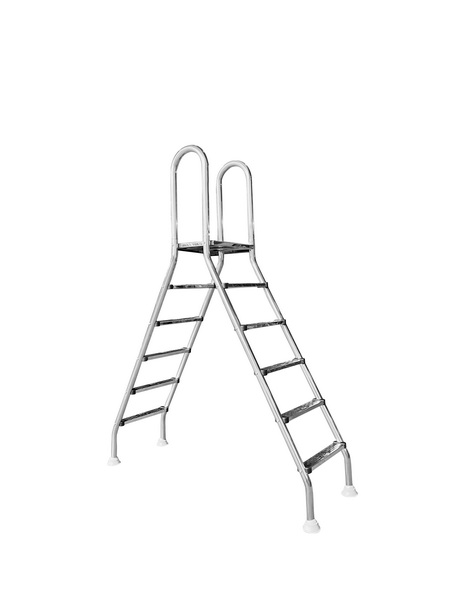
- Traditional A‑frame ladders for above‑ground pools: A rectangular ladder mat that covers both feet is ideal, especially for narrow, vertical ladders.[8][2]
- Wide entry steps or “wedding cake” stairs: Larger step pads or “liner guards” that match the footprint of the step base work best and are often sold specifically for these models.[10][9]
Heavy, weighted steps that sit directly on the floor benefit from a pad that resists compression over time and helps prevent “pressure spots” in the liner.[9][3]
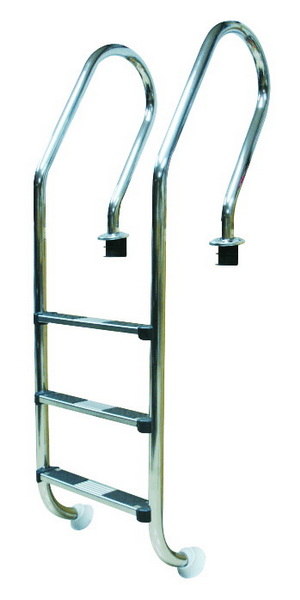
Putting the right material under your pool ladder is not only about liner protection; it also improves day‑to‑day safety and comfort.
- Non‑slip surfaces help reduce slips when swimmers step onto the first rung or platform, especially when feet are wet and surfaces are slick.[7][2][3]
- Pads help keep the ladder from sliding or “walking” across the liner, improving stability when kids and adults climb up and down repeatedly.[9][2]
Accessories like weighted bases, ladder weights, or sand‑filled “bricks” placed under the steps can further stabilize the ladder and reduce movement, but these must be used in a way that does not concentrate force on a small part of the liner.[12][4]
When deciding what to put under your pool ladder, focus on compatibility, durability, and safety.
- Size and shape: Choose a pad that fully covers the area under the ladder feet or step base, with a little extra margin; many pads can be trimmed for a perfect fit.[8][2]
- Material quality: Look for thick, chemical‑resistant vinyl or polyethylene designed for pool use; thin or non‑pool plastics can break down quickly in chlorine and sunlight.[7][3]
Many ladder pad manufacturers emphasize features such as non‑skid surfaces, ribbed bases that resist floating, and compatibility with popular ladder brands. This makes them suitable for both residential and light commercial installations, especially when combined with professional‑grade filtration and circulation systems.[8][7][9]
Once you decide what to put under your ladder, a few good habits will extend its life and keep your pool safe.
- Check the pad position at least weekly to make sure it has not shifted or folded, especially in pools with many active swimmers.[5][3]
- Remove debris (sand, small stones, leaves) from under the pad when you open or close the pool so abrasive dirt does not grind against the liner.[2][3]
When performing seasonal maintenance, removing the ladder and pad gives a chance to inspect the liner for early signs of wear and to clean the pad itself with a mild brush and pool‑safe cleaner. This inspection can be done at the same time as filter cleaning or pump service, which is convenient for OEM equipment packages that combine filtration, circulation, and access products.[3]
| Option / Material | Main Purpose | Pros | Cons / Notes |
|---|---|---|---|
| Dedicated ladder pad / ladder mat | Liner protection + non‑slip surface | Durable, non‑slip, sized for ladders and stepspoolsupplies+1 | Small extra cost; must choose correct sizethepoolfactory |
| Step pad / liner guard for steps | Large step “footprint” protection | Covers wide bases, good for heavy stepsyoutubehomedepot | Bulkier; may be model‑specific |
| Bath or shower mat (DIY) | Temporary liner protection | Cheap, readily available, suction cups helpfacebook+1 | Not as durable in chlorine; may move or floatreddit |
| Tennis balls / pool noodles | Soften ladder feet and edges | Very low cost and easy to installreddit+1 | Limited coverage, more of a “backup” solution |
| Weighted blocks / plastic bricks | Extra stability and anti‑float | Help keep ladder plantedreddit+1 | Must avoid sharp edges and liner hotspots |
Putting the right material under your pool ladder is essential to protect your liner, improve safety, and keep your ladder stable for years of use. The best solution is a thick, non‑slip ladder pad or step mat sized to your specific ladder or steps, ideally made from chemical‑resistant vinyl or polyethylene designed for pool environments.[7][2][3]
DIY options like bath mats, shower mats, tennis balls, and pool noodles can help in a pinch but are usually less durable and reliable than purpose‑built pads. For brands, wholesalers, and pool builders, bundling high‑quality ladders, protective pads, and robust filtration equipment (sand filters, DE filters, cartridge filters, pumps, and LED lights) into a complete OEM package delivers better long‑term value and fewer warranty issues for end users.[1][4][5]
Yes. A protective pad or mat greatly reduces friction, scuffing, and pressure points that can lead to punctures or tears in vinyl liners, especially in heavily used pools.[2][3]
The best option is a dedicated pool ladder pad that matches the base size of your ladder, made from thick, non‑slip, chemical‑resistant material designed for pool use.[7][2][3]
A thick bath or shower mat with good grip can work as a temporary solution and is used by some pool owners, but it may not last as long in chlorinated water and can move more easily than a purpose‑built pad.[11][1][5]
Choose a pad with ribbed or textured backing that is designed not to float, and ensure the ladder or steps sit fully on top of it so the weight holds it down. Some owners also position steps close to the wall and weigh them to further reduce movement.[5][9][7]
Yes. Many ladder pads feature non‑slip surfaces that help keep the ladder from sliding and provide extra traction underfoot, which improves both stability and safety.[9][2][3]
Inspect the pad or mat at least once per season; if you see cracks, hardening, curling edges, or worn‑through sections, replace it to maintain full protection and grip. High‑quality pads typically last several seasons under normal use.[2][3]
Yes. Many professional suppliers and OEM factories integrate ladders, step systems, protective pads, filters, pumps, and lights into complete equipment bundles for brands and wholesalers, simplifying purchasing and improving compatibility across components.[3][2]
[1](https://www.facebook.com/groups/637529959937311/posts/2289506661406291/)
[2](https://www.poolsupplies.com/shop/pool-ladder-mats-step-pads)
[3](https://blog.linerworld.com/2024/06/18/pool-ladder-pads-faq/)
[4](https://www.reddit.com/r/pools/comments/orfcbx/new_pool_ladder_is_hanging_and_damaging_pool_wall/)
[5](https://www.reddit.com/r/AboveGroundPools/comments/1ll74eg/do_you_put_something_under_the_stairladder_legs/)
[6](https://linerworld.com/products/ladder-pad-liner-protector)
[7](https://www.lowes.com/pl/pools/pool-ladders-lifts/ladder-mat/4294610240-711372968807)
[8](https://www.thepoolfactory.com/products/swimline-ladder-mat-20x24)
[9](https://www.youtube.com/watch?v=rdXADw286-s)
[10](https://www.homedepot.com/p/Blue-Wave-2-ft-x-3-ft-In-Pool-Ladder-Step-Pad-for-Above-Ground-Pool-NA401/203414415)
[11](http://www.poolforum.com/pf2/archive/index.php/t-4706.html)
[12](https://www.facebook.com/groups/637529959937311/posts/2602933906730230/)
[13](https://www.resiliabrands.com/products/swimming-pool-ladder-mat)
[14](https://mainaccess.com/protective-mats/)
[15](https://treefruitresearch.org/view/Inch-Non-Slip-Protective-Pad-For-Above-Ground-Pools/1038806)


