
Views: 222 Author: Tina Publish Time: 2025-08-15 Origin: Site


Content Menu
● Why the Right Pump Size Matters
● Calculating Your Pool's Water Volume
>> Oval Pools
● Determining Required Flow Rate (GPM)
● Matching Flow Rate to Pump Horsepower (HP)
>> Typical Horsepower and Flow Rate for a 10,000-Gallon Pool
>> Pump Types
● Plumbing and Filter Considerations
● Energy Efficiency and Operating Costs
>> Tips for Reducing Pump Energy Use
● Installation and Maintenance Basics
● Frequently Asked Questions (FAQ)
>> 1. What is the recommended horsepower pump for a 10,000-gallon pool?
>> 2. How often should the water in a 10,000-gallon pool be circulated?
>> 3. Will a larger pump clean my pool faster?
>> 4. Are variable-speed pumps worth the investment?
>> 5. Can smaller plumbing pipes handle a larger pump?
Owning a swimming pool is a luxurious addition to any home, but maintaining it properly requires understanding the essential components that keep water clear, safe, and inviting. Among the most critical elements in pool maintenance is selecting the right size pool pump. For a pool that holds approximately 10,000 gallons of water, the pump size directly affects water circulation efficiency, the effectiveness of filtration, energy consumption, and overall maintenance costs.
This article offers an in-depth guide on how to select an appropriately sized pool pump for 10,000 gallons. We cover everything from water volume calculations and flow rate determination to horsepower matching, plumbing considerations, and energy-saving options. Practical advice and helpful explanations make this article useful to both pool owners and professionals in the pool industry.
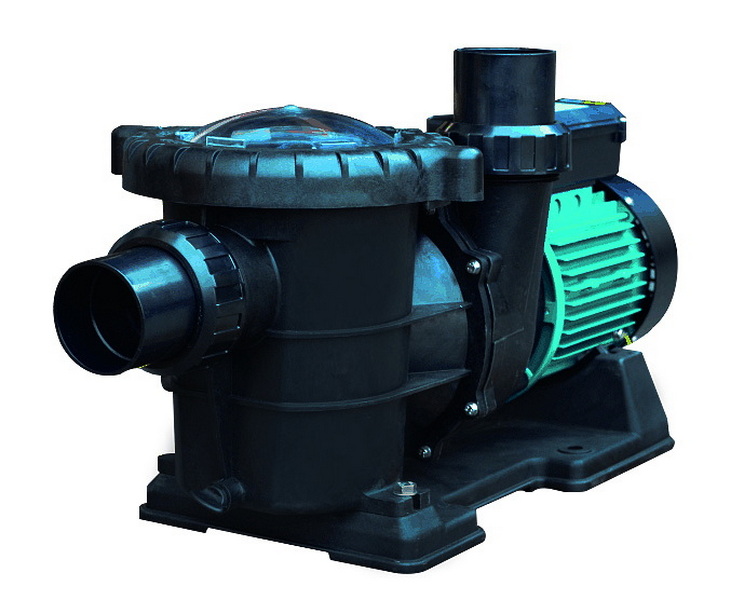
The primary role of a pool pump is to circulate water through the filtration system to remove debris, bacteria, and contaminants. Choosing the wrong pump size can lead to several problems:
- Oversized Pumps: Using a pump larger than what your pool requires wastes energy, increases electricity bills, causes potential damage to the plumbing system due to excessive pressure, and can stress the filter media, reducing its lifespan.
- Undersized Pumps: Pumps that are too small fail to circulate all pool water effectively, which results in cloudy or unsafe water, chemical imbalance, stagnant zones, and potentially increased algae growth.
Therefore, the right balance between sufficient flow rate and energy efficiency is vital. An ideally sized pump will circulate and filter the pool water several times per day, usually between eight and ten hours, while minimizing operational costs and wear on the system.
Knowing your pool's water volume is fundamental before deciding the ideal pump size since flow rate requirements depend heavily on it.
Pools with simple rectangular shapes are easiest to calculate. The formula for volume in gallons is:
Volume=Length (ft)×Width (ft)×Average Depth (ft)×7.5
Example:
| Length | Width | Depth | Calculation | Volume (gallons) |
|---|---|---|---|---|
| 20 ft | 15 ft | 4.5 ft | 20×15×4.5×7.520×15×4.5×7.5 | 10,125 |
This perfectly fits our 10,000-gallon target pool for this discussion.
Oval pools have a slightly different formula, incorporating π (pi):
Volume=Length×Width×0.7854×Average Depth×7.5
For irregular pools, volume calculation involves dividing the pool into several geometric sections, calculating each separately, then summing totals. Alternatively, professional measurement tools or pool service companies can be employed.
The flow rate in gallons per minute (GPM) is how much water your pump can circulate and filter. The turnover rate is the total time needed to filter all pool water once. Industry standards suggest a turnover time of 8 to 10 hours for residential pools.
For a 10,000-gallon pool and a 10-hour turnover:

If you prefer faster water turnover (for example, 6 hours):

Faster turnover rates are recommended if you have heavy pool usage, water features like fountains or waterfalls, or elevated temperatures that require more frequent filtration.
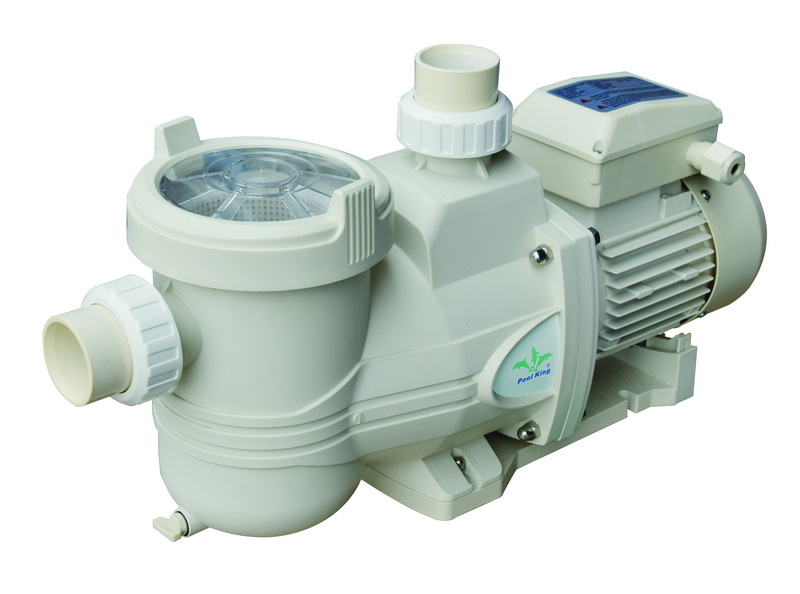
Pump size is often specified in horsepower, but pumps from different manufacturers may have varying flow rates at the same horsepower rating. Thus, prioritize meeting the required flow rate and turnover time over horsepower alone.
| Horsepower (HP) | Approximate Flow Rate (GPM) | Suitable For |
|---|---|---|
| 0.5 HP | ~15-20 GPM | Smaller pools, low water features |
| 1.0 HP | ~20-30 GPM | Standard residential 10,000 gal |
| 1.5 HP | ~30-40 GPM | Larger pools, water features |
- Single-Speed Pumps: Run at full speed all the time; typically less efficient but cheaper to buy.
- Dual-Speed Pumps: Offer high-speed for cleaning and circulation, low-speed for daily filtration, balancing energy use and performance.
- Variable-Speed Pumps: Best energy efficiency with ability to adjust speed precisely according to demand; quieter operation and longer service life.
For a 10,000-gallon pool, a 1 HP single-speed pump is generally sufficient, though variable-speed models are increasingly popular due to significant electricity savings (often 50-80%).
Selecting the right size pump requires checking compatibility with your plumbing and filter system.
Common pipe diameters for pools are 1.5 inches or 2 inches. The pipe size imposes a maximum flow limit because excessive flow can cause pipe damage or system inefficiency.
| Pipe Diameter | Maximum Flow Rate (GPM) |
|---|---|
| 1.5 inches | ~42 GPM |
| 2 inches | ~73 GPM |
Using a pump that demands flow rates beyond the plumbing capacity will cause noise, vibration, and premature wear.
Filters also have maximum flow ratings to prevent damage:
- Sand Filters: Usually rated by filter surface area.
- Example: 1 square foot of sand filter surface area treats about 10,000 gallons.
- Flow rates should not exceed the filter's maximum GPM, or sand can be disturbed and clogging may occur.
- Cartridge and DE Filters: Also have specified max flow rates, which must be checked to avoid overpressure.
Pump operation typically accounts for 50-70% of a pool's electricity bill. Thus, investing in energy-efficient pumps can reduce long-term costs significantly.
- Adjust speed to match demand, running slower for daily filtration and faster when vacuuming or backwashing.
- Can reduce energy use by 50-80%.
- Often qualify for rebates from electric utilities.
- Higher initial cost but lower lifetime operating expense.
- Run the pump fewer hours but longer cycles: Running at low speed for longer is more efficient than short, high-speed cycles.
- Use a timer: Automatically control run times to avoid forgetfulness.
- Maintain equipment: Clean pump baskets and filters regularly for optimal flow and less strain.
Proper installation and routine maintenance affect pump performance and lifespan.
- Installation Tips:
- Position pump below pool water level for better suction.
- Use vibration isolators to reduce noise.
- Ensure proper electrical grounding and weatherproofing.
- Maintenance:
- Clean pump basket weekly.
- Backwash sand filters or clean cartridges as recommended.
- Check and lubricate pump seals annually.
Selecting the optimal pool pump size for a 10,000-gallon pool ensures water clarity, safe chemical balance, energy efficiency, and system longevity. For this size, pumps in the range of 0.5 to 1.5 horsepower typically meet flow requirements and turnover times, with 1 HP being the most common choice.
Energy-efficient variable-speed pumps, though higher in upfront cost, provide flexible operation and significant electricity savings over traditional single-speed pumps. Always consider your pool's plumbing size and filter specifications to ensure compatibility and avoid damaging the system.
By accurately calculating your pool's volume, determining your desired turnover time, and matching pump flow rate and horsepower accordingly, you can enjoy a clear, healthy pool environment at the most economical cost.
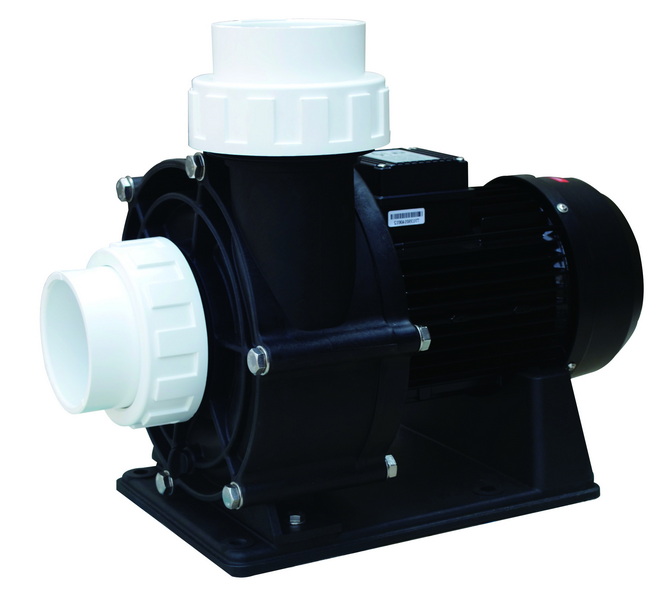
A 1 HP pump is generally suitable, but depending on usage, 0.75 to 1.5 HP pumps can also be viable.
Complete turnover of the pool water should occur every 8 to 10 hours to maintain water clarity and chemical balance.
Not necessarily. An oversized pump can cause filtration problems and increase energy costs without significantly improving cleanliness.
Yes, they offer significant energy savings, reduce noise, and extend the life of pool equipment.
No. Using a pump that demands higher flow than your plumbing can handle can damage pipes and reduce efficiency; pipes should match or exceed pump capacity.


