
Views: 222 Author: Tina Publish Time: 2026-01-16 Origin: Site


Content Menu
● How a Pool Filter Normally Works
● What Backwashing Actually Does
● Main Benefits of Backwashing
● What Backwash Does in a Sand Filter
● What Backwash Does in a DE Filter
● Why Cartridge Filters Are Different
● Backwash vs. Rinse vs. Waste
● Step‑by‑Step: What Happens During Backwash
● Common Backwashing Mistakes to Avoid
● How Backwashing Impacts Water and Chemistry
● Why Backwashing Matters for OEM Filter Systems
● FAQs About Pool Filter Backwash
>> 1. What does backwashing actually do to my pool filter?
>> 2. How do I know when it's time to backwash?
>> 3. How long should I backwash?
>> 4. Can I backwash a cartridge pool filter?
>> 5. Does backwashing waste a lot of water?
>> 6. Why is my water still cloudy after I backwash?
>> 7. How does backwashing affect my chemicals?
Backwashing is one of the most important maintenance steps for sand and DE pool filters, yet many pool owners only know it as “that setting on the valve.” Understanding exactly what backwash does, when to use it, and how it affects your pool water helps you keep your system efficient and avoid damage to pumps, valves, and filter tanks.
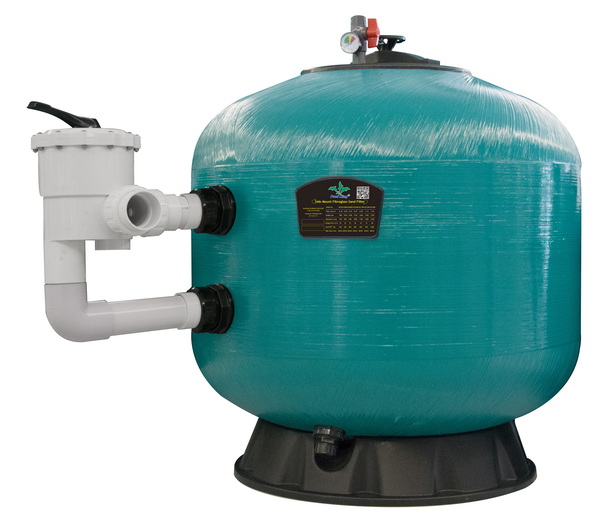
In normal filtration mode, the pump pushes dirty pool water through the filter media so particles get trapped and clean water returns to the pool through the return lines.
- In a sand filter, water flows from the top of the tank down through a bed of sand, trapping debris in the top layers before exiting via laterals at the bottom.
- In a DE filter, water passes through fabric‑covered grids coated with DE powder that catches very fine particles before the clean water exits the tank.
Over time, trapped dirt builds up in the sand bed or DE coating, increasing resistance and causing the pressure gauge to rise and flow to drop.
Backwashing reverses the direction of water flow through the filter so accumulated dirt and contaminants are lifted out of the media and discharged to a drain or waste line.
- When the multiport or push‑pull valve is set to Backwash, water enters the filter from the opposite side, fluidizing the sand bed or knocking debris off the DE grids.
- The dirty water exits through a waste or backwash port, often visible in a clear sight glass until it runs clean.
This process restores normal flow, reduces the pressure reading, and resets the filter so it can continue trapping new debris effectively.
Backwashing is not just a “nice to have” feature – it protects your entire circulation system.
- Restores flow and efficiency: Removing the dirt load from the media allows more water to pass through at the same pump speed, improving circulation and turnover.
- Reduces pump strain: High resistance in a dirty filter forces the pump to work harder; backwashing reduces head pressure, helping the pump run cooler and last longer.
- Keeps water clearer: A clean filter captures more fine particles, helping maintain sparkling water alongside proper sanitization and chemistry.
- Extends filter media life: Regular, correct backwashing prevents severe compaction and channeling in sand beds and reduces heavy fouling on DE grids.
Experts recommend backwashing when the pressure gauge rises roughly 8–10 psi above the clean, starting pressure or when you see a clear drop in return jet strength.
- For many residential sand filters, this often works out to every 2–3 weeks during the swimming season, but heavy bather loads, storms, or algae treatments can require more frequent cycles.
- DE filters, which capture finer particles, may need backwashing more often, especially after heavy debris loads or cloudy‑water events.
You should also backwash after vacuuming a particularly dirty pool, after flocculant treatments, or anytime the filter becomes clogged with visible debris.
In a sand filter, backwashing loosens and lifts the sand bed so trapped dirt, oils, and fine debris are carried up and out of the tank.
- In Filter mode, dirt collects mostly in the top few centimeters of the sand bed.
- In Backwash mode, water enters the bottom of the tank and flows upward, fluidizing the sand and flushing contaminants out through the waste line.
After a good backwash, the sand bed is “reshuffled,” reducing channeling and restoring the ability to trap particles across the full depth of the media.
In a DE filter, backwashing dislodges the layer of used DE powder and the debris it holds from the grids or fingers and sends it to waste.
- The reversed water flow knocks DE and dirt off the grid surfaces and out of the tank.
- After backwashing, you must add fresh DE powder through the skimmer while the pump runs so a new coating forms on the grids.
Backwashing reduces the pressure and restores fine filtration, but DE filters still need periodic full teardown cleanings to remove oils and scale that backwashing cannot flush out.
Traditional cartridge filters do not have a backwash setting; the cartridge elements must be removed and manually cleaned with a hose or cleaner.
- Backwashing is intended for sand and DE filters that use a tank with directional flow and a valve configured for filter, backwash, rinse, and waste modes.
- Some modern systems combine cartridges with multi‑stage valves, but these are cleaned by rinsing or replacing cartridges rather than backwashing the media bed.
If a homeowner tries to “backwash” a standard cartridge system, they often just waste water without actually cleaning the media, so proper guidance in your installation and OEM manuals is important.
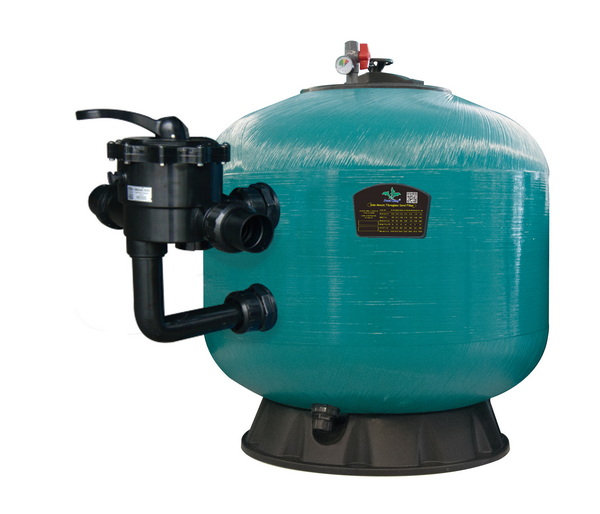
On most multiport valves, Backwash, Rinse, and Waste each play a different role in water management.
- Backwash: Reverses water flow through the filter to flush dirt and debris to the waste port.
- Rinse: Sends water in the normal filtration direction but routes it to waste, helping resettle the sand bed and prevent debris blowing back into the pool.
- Waste: Bypasses the filter entirely and sends water straight to the drain or waste line without cleaning the media.
The typical sequence is Filter → Backwash → Rinse → Filter again, with the pump off every time you move the valve handle to protect the internal seals and rotor.
From the system's point of view, a full backwash cycle passes through several clear stages.
1. Pump stops and valve changes
- Turning the pump off and moving the valve to Backwash redirects the internal pathways so water will flow backward through the tank.
2. Reverse flow and debris removal
- When the pump restarts, water enters the tank from the usual outlet side and flows through the media in reverse, lifting and carrying away accumulated dirt.
3. Waste discharge
- Dirty water exits via the backwash/waste port and hose to a drain, lawn, or approved disposal point until the water in the sight glass looks clear.
4. Rinse and resettle (sand/glass filters)
- Switching to Rinse briefly sends water in the normal filter direction but still to waste, resettling the sand and preventing dirty water from returning to the pool.
Once the valve is returned to Filter and the pump is restarted, the system resumes normal operation with lower pressure and better flow.
While backwashing is simple, several common mistakes reduce effectiveness or damage equipment.
- Backwashing too often: Over‑backwashing wastes water and can slightly reduce sand bed filtration efficiency; rely on the pressure increase and water clarity, not a daily habit.
- Moving the valve with the pump on: Changing valve positions while the pump runs can tear seals and damage internal components.
- Skipping the rinse step on sand filters: This can blow dirty water and disturbed sand back into the pool after a backwash.
- Not refilling DE after a DE backwash: Operating a DE filter with little or no DE can damage grids and dramatically reduce water clarity.
Clear instructions and labels on your OEM filter systems help users avoid these mistakes and protect the equipment.
Backwashing always sends a portion of pool water to waste, so it affects both water level and chemical balance.
- Each cycle may remove hundreds of liters of water, depending on filter size and backwash duration.
- After backwashing, owners typically need to top off the water level and may need to adjust sanitizer, pH, and alkalinity to keep chemistry in range.
Designing efficient sand and DE filters that backwash effectively in 2–3 minutes helps minimize water waste for end users.
For OEM brands, wholesalers, and pool equipment manufacturers, the backwash performance of your filters is a key selling point and service factor.
- A well‑designed multiport or valve system ensures stable backwash flow, thorough cleaning, and easy operation for homeowners and service technicians.
- Clear manuals, tank labels, and video guides showing when and how to backwash reduce warranty claims, extend filter life, and improve user satisfaction.
Chinese factories that specialize in high‑end sand filters, DE filters, cartridge filters, pumps, and LED pool lights can incorporate smart‑machining and robust valve engineering to provide OEM partners with reliable, easy‑to‑backwash filtration packages for both inground and above‑ground pools.
Backwashing is the core cleaning process for sand and DE pool filters, using a reverse water flow to flush dirt and debris out of the filter tank and to waste so the media can work effectively. Done at the right time and for the correct duration, it restores normal pressure and circulation, protects pumps and heaters, and helps maintain consistently clear, healthy pool water for swimmers.
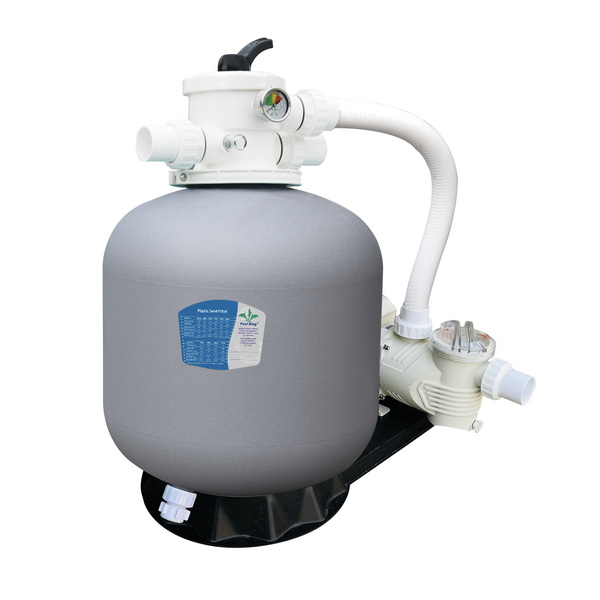
Backwashing reverses water flow through the filter to lift and flush trapped dirt, debris, and used media (DE powder) out through the waste line, restoring flow and reducing pressure. It is the primary cleaning method for sand and DE filters, preventing clogging and maintaining filtration efficiency.
Most pool pros recommend backwashing when the filter pressure rises about 8–10 psi above the clean starting reading or when return flow becomes noticeably weaker. Excessive debris, algae treatment, or a heavy storm can also make backwashing necessary sooner than usual.
For typical residential sand and DE systems, backwashing usually lasts about 2–3 minutes or until the water in the sight glass or discharge hose runs clear. This is normally followed by a 30–60 second rinse (for sand) before switching back to Filter mode.
Standard cartridge filters are not designed for backwashing; instead, you turn off the system, open the tank, remove the cartridges, and clean them manually. The backwash function applies to sand and DE filters that use directional valves and a media bed inside a single tank.
Backwashing sends water directly to waste, so each cycle can remove a significant volume depending on filter size and run time. Using pressure as your guide and limiting cycles to the minimum effective duration helps conserve water while still properly cleaning the filter.
Cloudy water after backwashing can result from poor pool chemistry, insufficient run time, very fine particles, or skipping the rinse step on a sand filter. In some cases, the filter media may be worn out or the DE grids damaged, requiring media replacement or a full teardown cleaning.
Because backwashing discharges treated water, it can slightly lower sanitizer and other chemical levels and may change concentration as fresh water is added. After topping up the pool, you should test and adjust chlorine, pH, and alkalinity as needed to return to the recommended ranges.
1. https://www.swimuniversity.com/backwash-pool-filter/
2. https://www.swimuniversity.com/backwash-sand-filter/
3. https://www.poolpartstogo.com/blogs/articles/how-to-backwash-your-pool-filter-the-easy-way
4. https://www.roagua.com/news/how-does-a-sand-filter-system-work/
5. https://thursdaypools.com/blog/how-to-backwash-a-sand-filter/
6. https://www.dazzlingblue.com.au/how-to-backwash-your-sand-or-glass-filter
7. https://www.hyclor.com.au/how-to-correctly-backwash-a-pool-filter/
8. https://www.swimmingpool.com/maintenance/pump&filter/how-to-backwash-de-pool-filter/
9. https://www.poolmarttx.com/post/sand-filter-backwashing--everything-you-need-to-know
10. https://www.youtube.com/watch?v=4OHkdSQSlN4
11. https://www.youtube.com/watch?v=eKeuOn09SZo


