
Views: 222 Author: Tina Publish Time: 2025-10-15 Origin: Site


Content Menu
● Understanding the Pool Pump and Its Importance
● Signs of a Leaking Pool Pump
>> 1. Water Around the Pump or Equipment Pad
>> 2. Low Water Pressure and Reduced Pump Performance
>> 3. Unusual Sounds Such as Gurgling
>> 4. Corrosion or Water Damage Near the Pump
>> 5. Frequent Need to Refill Pool Water
>> 6. Visible Cracks or Damage on the Pump Housing
>> 7. Leaking from Seal Plate or Drain Plug
● Common Causes of Pool Pump Leaks
● How to Test If Your Pool Pump Is Leaking
● Pool Pump Maintenance Tips for Baton Rouge Pools
>> Regular Inspection and Cleaning
>> Proper Water Level Management
>> Use Quality Replacement Parts
● How to Fix a Leaking Pool Pump
>> Step 2: Replace Worn Seals and Gaskets
>> Step 3: Tighten Loose Fittings
>> Step 4: Repair or Replace Pump Housing
>> Step 5: Test Pump After Repairs
>> 1. How do I know if my pool pump leak is serious?
>> 2. Can I fix a leaking pool pump myself?
>> 3. How much water can a leaking pump lose?
>> 4. Will a leaking pump affect pool water chemistry?
>> 5. How frequently should I inspect my pool pump for leaks?
Maintaining a swimming pool in Baton Rouge requires careful attention, especially to the pump system that keeps the water clean and clear. One common issue pool owners face is a leaking pool pump. Detecting leaks early can save time, money, and prevent damage to your pool equipment and surrounding area.
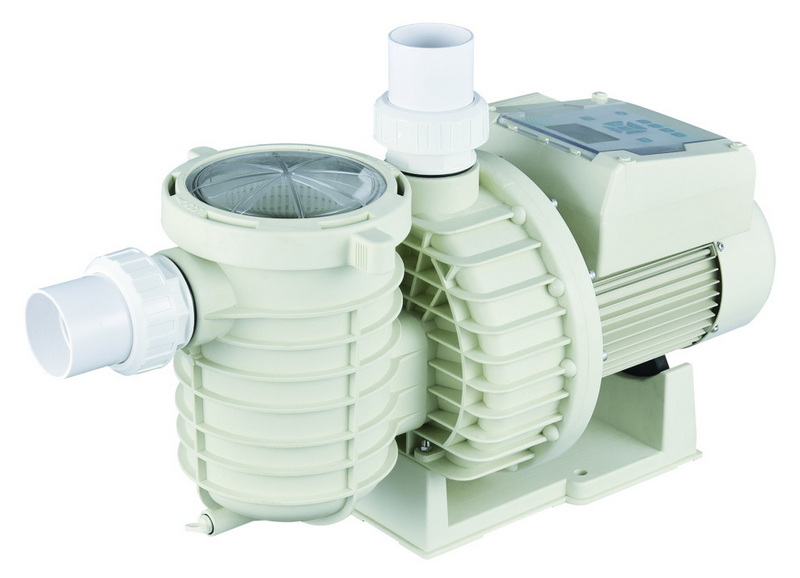
A pool pump is the heart of the filtration system. It circulates water through filters, removing debris and contaminants. A leak in the pump causes pressure loss, inefficient filtration, water wastage, and can damage the pump or nearby equipment if ignored.
Visible water pooling near your pool pump or equipment pad almost always indicates a leak. Look for drips, puddles, damp spots on the ground directly beneath or adjacent to the pump.
If your pump starts losing pressure or struggles to circulate water properly, a leak could be the cause. Leaks in seals or fittings reduce water flow and pressure.
Air entering through a leak creates gurgling or bubbling noises in the pump or pipes. These sounds differ from normal pump operation and signal issues.
Leaking water over time causes corrosion on metal parts and can damage wooden equipment pads or nearby surfaces. Rust spots and water stains are warning signs.
If you notice your pool losing water faster than normal evaporation rates (usually more than a quarter inch daily), it's likely due to a leak in the pump or associated plumbing.
Inspect the pump housing for cracks, especially around joints and seals. Small cracks can lead to major leaks and eventual pump failure.
Water leaking near the back of the pump around the seal plate or drain plug is a common leak source.
- Worn Mechanical Shaft Seal: This seal around the motor shaft is most prone to wear and leakage.
- Cracked Pump Housing: Physical damage or aged plastic can crack, leaking water.
- Loose or Damaged Drain Plug: If the drain plug's rubber washer wears or fittings loosen, leaks occur.
- Faulty O-Rings or Gaskets: O-rings on pump lids and fittings often degrade and leak.
- Overheated Pump Fittings: Excess heat can warp PVC fittings causing leaks.
1. Visual Inspection: Check the pump and surrounding areas for water accumulation.
2. Auditory Inspection: Listen for unusual gurgling or hissing sounds signaling air or water leaks.
3. Water Level Monitoring: Measure pool water level over several days using a bucket test to differentiate between evaporation and leaks.
4. Pressure Testing: Use pressure gauges after shutting off the pump to check for drops, indicating leaks.
5. Professional Leak Detection: When in doubt, hire experts with specialized equipment.
Proper maintenance prevents leaks and ensures peak pump performance. Baton Rouge's climate requires specific care due to humidity and seasonal changes.
- Inspect seals, O-rings, fittings, and the pump housing monthly.
- Clean debris from pump baskets and filter systems weekly.
- Replace worn out seals and gaskets promptly.
- Maintain water level above the skimmer intake to prevent pump cavitation.
- Monitor pool water level weekly, replenishing as needed to avoid dry running pump damage.
- Operate the pump 8 to 12 hours daily during swimming season to ensure proper circulation.
- Use timers to run pumps during off-peak hours to save energy.
- Avoid running the pump dry, which leads to overheating and seal damage.
- Before colder months, clean and balance pool water.
- Lower water levels moderately and cover the pool to protect pump and pipes from freezing.
- Run the pump periodically during winter (if applicable) or follow local professional winterizing advice.
- Always use manufacturer-approved seals, O-rings, and fittings.
- Avoid low-quality parts that deteriorate faster in Baton Rouge's humid environment.
- Use paper towels or cloth to detect wetness.
- Inspect around the shaft seal, drain plug, lid, and fittings carefully.
- Drain the pump if necessary.
- Remove old mechanical shaft seal carefully.
- Install a new high-quality shaft seal following manufacturer instructions.
- Replace any cracked or damaged O-rings/gaskets.
- Check and tighten all threaded fittings and clamps.
- Replace any fittings that show wear or cracking.
- Small housing cracks may be sealed with waterproof epoxy as a temporary fix.
- For major damage, replace the pump housing or the entire pump.
- Reassemble and fill the pump with water before restarting.
- Test for leaks visually and acoustically.
- Monitor for pressure return and consistent operation.
Recognizing the signs of a leaking pool pump early can prevent costly repairs and maintain your pool's efficiency. Watch for standing water, pressure drops, unusual sounds, corrosion, and rapid water loss. Regular inspection, proper maintenance, and timely repairs extend your pump's service life and ensure smooth operation in Baton Rouge's climate. When in doubt, professional help from experienced pool technicians in Baton Rouge ensures safe and effective pump repair.
A leak causing water pooling, pressure loss, or corrosion is serious and should be repaired promptly to avoid further damage.
Minor issues like replacing O-rings can be done by DIYers with basic skills, but shaft seal replacements and housing repairs often require professional assistance.
Depending on leak severity, a pump can lose several gallons per day, which significantly impacts water levels and chemical balance.
Yes, leaks cause water loss that alters chemical concentrations, requiring frequent adjustments to maintain safe swimming conditions.
Monthly inspections during peak season and before winterizing help catch leaks early and reduce costly repairs.
[1](https://www.lucasfirminpools.com/blog/baton-rouge-home-pool-maintenance-winterizing-your-pool-as-the-weather-changes)
[2](https://www.swimindays.com/blog/Maintaining-Your-Baton-Rouge-Pool-Tips-from-Expert-Swimming-Pool-Company)
[3](https://pinchapenny.com/stores/baton-rouge-la-221)
[4](https://www.yelp.com/search?find_desc=swimming+pool+maintenance&find_loc=Baton+Rouge%2C+LA)
[5](https://www.batonrougepoolbuilders.com/pool-maintenance-baton-rouge-la/)
[6](https://www.lucasfirminpools.com/blog/baton-rouge-pool-maintenance-energy-saving-tips-for-winter)
[7](https://reliefpools.com/what-regular-maintenance-done-pool/)
[8](https://www.poolpartnersbr.com)
[9](https://www.dreampoolsandoutdoors.com/pool-maintenance)


