
Views: 222 Author: Tina Publish Time: 2025-10-19 Origin: Site


Content Menu
● Introduction to Korea's pool fittings landscape
● Leading manufacturers and suppliers in Korea
● Why choose Korean pool fittings suppliers
● Filtration technology overview
● Smart features and IoT integration
● How to assess a potential supplier
● Best practices for a successful partnership
● Practical tips for importing from Korea
● Practical case studies and implementation notes
● How to start your collaboration
● Frequently Asked Questions (condensed)
>> 1. What certifications should I look for in pool fittings from Korea?
>> 2. Can Korean manufacturers provide private-label packaging?
>> 3. What is the typical lead time for custom pool filters and pumps?
>> 4. Do these suppliers offer smart controls or remote monitoring options?
>> 5. How do I evaluate the long-term service and spare parts support?
To meet international demand for high-quality pool filtration and precision components, Korean manufacturers have built a reputation for reliability, innovation, and strict quality control. This article highlights leading swimming pool fittings manufacturers and suppliers in Korea, with insights into OEM capabilities, product ranges, and how to select the right partner for your brand or project. We will cover filtration systems, pumps, LED lighting, and essential accessories, all while emphasizing the importance of smart manufacturing practices that ensure consistent performance and durable construction.
Korean manufacturers combine advanced automation, rigorous testing, and strong export experience to deliver swimming pool fittings that satisfy international standards. From sand and DE filtration systems to cartridge and tubular filters, Korean suppliers provide scalable solutions for residential, commercial, and public swimming facilities. OEM service is a common differentiator, enabling brands to customize product finishes, labeling, and packaging for global markets. The industry benefits from a robust ecosystem of suppliers, contract manufacturers, and logistics partners, all contributing to reliable, end-to-end solutions for global buyers.

- Sand filters
- DE filters
- Cartridge filters
- Tubular filters
- Pool pumps
- LED pool lighting
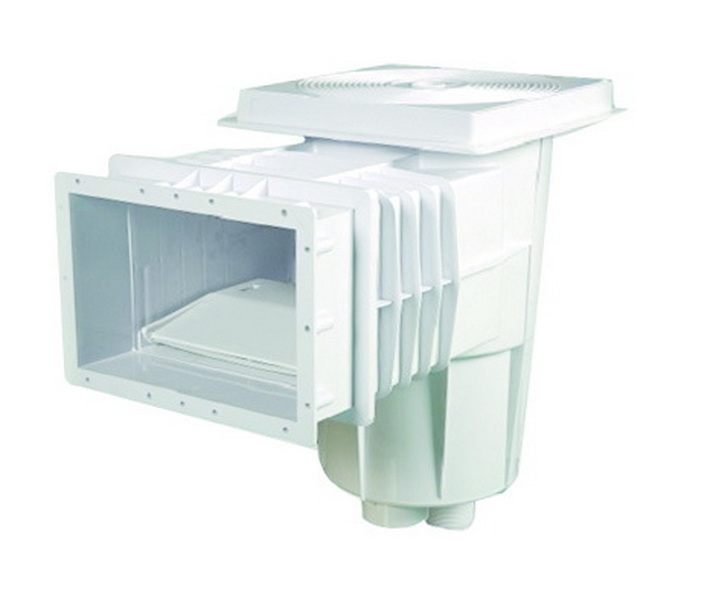
- Accessories and fittings (valves, unions, clamps, manifolds)
- Filtration media and cartridges
- Control systems and automation
- Maintenance tools and replacement parts
- Monitoring and sensing devices for water quality
Achieving optimal water quality requires integrating multiple components seamlessly. Korean manufacturers focus on modular designs that allow easy upgrades, scalable configurations, and simplified maintenance regimes, which is a strong selling point for international brands seeking long-term partnerships.
Company A
- Overview: Specializes in high-performance pool filtration systems with a strong emphasis on energy efficiency and low maintenance.
- Capabilities: OEM/ODM services, customization of manifold layouts, and color-matched exterior finishes.
- Key strengths: Rigid quality control, quick pilot runs, and robust after-sales support.
- Notable strengths: Access to rapid prototyping facilities, enabling fast iteration for custom SKUs.
Company B
- Overview: Renowned for durable sand and cartridge filtration modules designed for commercial pools.
- Capabilities: Large-scale manufacturing, standardized testing protocols, and global logistics expertise.
- Key strengths: Competitive pricing, comprehensive warranties, and certified manufacturing processes.
- Notable strengths: Strong network of international distributors and multilingual technical support.
Company C
- Overview: Innovative producer of DE filtration solutions and modular filter systems.
- Capabilities: Flexible customization options, including branding, packaging, and remote monitoring integrations.
- Key strengths: High filtration efficiency, compact designs, and easy maintenance features.
- Notable strengths: Proven track record with spa and resort projects requiring high-purity filtration media.
Company D
- Overview: Focused on energy-efficient pumps and integrated pool systems.
- Capabilities: OEM production with a wide range of performance curves and flow rates.
- Key strengths: Quiet operation, reliability in harsh environments, and strong distributor networks.
- Notable strengths: Strong service network in multiple continents, ensuring spare parts accessibility.
Company E
- Overview: Manufacturer of LED lighting and pool-related accessories.
- Capabilities: Complete accessory line, from valves and unions to lighting fixtures and dimming controls.
- Key strengths: IP-rated enclosure designs, color-consistent lighting, and long service life.
- Notable strengths: Advanced thermal management and moisture protection for outdoor installations.
Note: As the market evolves, many Korean manufacturers operate under multiple brands or partner networks. When evaluating options, request detailed factory audits, MOQs, lead times, and testing certificates (ISO 9001, CE, RoHS where applicable). Customer references from similar project scopes help validate capabilities.
- Quality assurance: Strict QA processes and standardized testing ensure consistent product performance.
- Innovation: Advanced automation and precision manufacturing enable compact, efficient designs.
- Customization: OEM capabilities help brands achieve unique aesthetics, packaging, and labeling.
- Global logistics: Proximity to major markets in Asia and established export channels reduce lead times.
- After-sales support: Localized technical support teams and regional service partners shorten response and repair times.
- Documentation: Ensure clear engineering drawings, bill of materials, and change-control procedures.
- Compliance: Verify applicable certifications (ISO, CE, RoHS) and local electrical standards for pumps and lighting.
- Custom branding: Discuss color schemes, logos, and packaging artwork to align with your brand identity.
- After-sales support: Confirm warranty terms, spare parts availability, and service networks.
- Minimums and timelines: Define MOQs, sample cycles, and ramp-up plans for new products.
- Quality traceability: Request Y bars, lot codes, and serial numbers to enable product lineage tracking.
- Sand filters: Durable and economical, suitable for a wide range of pool sizes; easy to retrofit and maintain.
- DE filters: High filtration precision for clearer water and better pressure management; require handling protocols for DE media.
- Cartridge filters: Low maintenance and modular, ideal for residential pools with space constraints; cartridge replacement is straightforward.
- Tubular filters: Specialty applications requiring specific filtration media configurations; ideal for higher-flow installations.
- Hybrid approaches: Some systems combine filtration methods to optimize water clarity and energy use.
Efficient pool pumps reduce energy consumption and operating costs. Korean manufacturers often integrate high-efficiency motors, variable speed options, and smart controls to align with green-building standards and evolving energy regulations. Variable-frequency drives (VFDs) enable tailored flow rates, reducing electricity use during off-peak periods and enabling smoother pool operation cycles.
LED pool lighting offers energy efficiency and striking aesthetics. Modern Korean fixtures emphasize waterproofing, heat dissipation, color stability, and compatibility with smart controls and automation systems for remote management. Integrated lighting controls support scenes, energy saving modes, and compatibility with building management systems for larger facilities.
A growing subset of Korean pool fittings manufacturers offers smart controllers, remote monitoring, and data analytics for pool ecosystems. These features enable real-time water-quality feedback, predictive maintenance alerts, and integrated dashboards for operators. For brands targeting hotel or resort markets, such capabilities differentiate premium offerings and support proactive maintenance programs.
- Production capability: Confirm annual output, production lead times, and scalability for peak seasons.
- Quality control: Request ISO certifications, inspection reports, and third-party test data.
- Technical support: Assess availability of engineers for pre-sale design and post-sale troubleshooting.
- References: Seek case studies or customer testimonials, especially for projects similar to yours.
- Trade terms: Clarify payment terms, incoterms, and incoterm-based risk allocations.
- ESG and sustainability: Inquire about energy-efficient practices, waste management, and social responsibility policies.
- Establish clear communication channels and a project timeline.
- Align on technical specifications, tolerances, and QA acceptance criteria.
- Plan for long-term supply stability, including component availability and obsolescence management.
- Include a well-defined warranty and returns policy.
- Schedule periodic audits and performance reviews to ensure ongoing alignment.
- Develop co-branding opportunities and joint marketing plans to maximize market impact.
- Use a freight forwarder experienced with electronics and pool equipment.
- Confirm packaging protections to prevent damage during transit.
- Verify labeling, user manuals, and safety instructions are provided in target markets' languages.
- Prepare for customs clearance by ensuring complete documentation and compliant harmonized codes.
- Consider local warehousing options to mitigate lead times and supply chain disruptions.
- Case study 1: A boutique resort chain required compact, high-efficiency DE filtration modules with private-label branding. The selected Korean supplier provided a modular design with customized color schemes and a remote monitoring option. The project achieved enhanced water clarity, reduced energy consumption, and a coherent brand presentation across all properties.
- Case study 2: A leisure-center operator needed programmable LED lighting with synchronized color schemes for a night swim event. The supplier delivered IP-rated fixtures with dimming controls and an integrated control hub. The result was improved ambiance, reduced maintenance visits due to robust components, and a stronger market image.
- Case study 3: A municipal pool system demanded scalable filtration and pumping solutions to handle peak summer demand. The partner supplied a combination of sand filters, high-capacity pumps, and a centralized control system. The system delivered reliable performance, simplified operations, and streamlined replacement parts logistics.
These examples illustrate how Korean pool fittings manufacturers can tailor solutions to various market segments, from luxury hospitality to public facilities, while maintaining a strong emphasis on OEM capabilities and after-sales support.
Korean swimming pool fittings manufacturers and suppliers offer a compelling combination of quality, innovation, and customization. For brands seeking reliable OEM solutions, partnering with a Korean supplier can streamline production while delivering durable, efficient, and aesthetically appealing pool filtration and accessory products. By carefully evaluating capabilities, certifications, and service levels, you can establish a strong, long-term supply relationship that supports growth in international markets. The emphasis on modular design, energy efficiency, and smart features ensures that these manufacturers remain at the forefront of the pool fittings industry, ready to meet evolving regulatory standards and customer expectations.
- Define your product range and target markets.
- Request sample kits and factory audit documentation.
- Align on technical specifications, packaging, and branding.
- Establish a clear timeline, MOQ, and payment terms.
- Set up a pilot order to validate quality before full-scale production.
Look for ISO 9001 for quality management, CE and RoHS compliance for electrical and material standards, and any industry-specific certifications relevant to your target market. Request CO, QA test reports, and material compliance statements.
Yes, many Korean suppliers offer private-label packaging and branding services as part of OEM/ODM arrangements. Discuss carton design, inner packaging, and labeling specifications early.
Lead times vary by product complexity and production capacity but commonly range from 6 to 14 weeks for initial runs, with faster timelines possible for standard configurations or pre-approved designs.
Several Korean manufacturers integrate variable-speed pumps, smart controllers, and Wi-Fi or Bluetooth-enabled monitoring. Confirm compatibility with your preferred control platform and app.
Ask about warranty terms, regional service partners, spare parts availability, and lead times for replacements. Request a service level agreement (SLA) detailing response times and repair windows.


