
Views: 222 Author: Tina Publish Time: 2025-08-10 Origin: Site


Content Menu
● Understanding Pool Pumps and Thunderstorms
>> Why Should You Turn Off the Pool Pump?
● Preparing Your Pool Equipment for a Thunderstorm
>> Step 1: Turn Off Power to Pool Equipment
>> Step 2: Secure and Protect Equipment
>> Step 3: Safeguard Pool Water
>> Step 4: Maintain Proper Drainage
● Electrical Safety and Surge Protection for Pool Systems
>> Use Surge Protectors or Whole-Home Surge Protection
>> Weatherproof Electrical Enclosures
>> Routine Electrical Inspections
● Pool Safety Tips During Thunderstorms
>> NEVER Swim During a Thunderstorm
>> Stay Indoors in a Safe Shelter
>> Avoid Metal Objects and Electrical Devices
● After the Storm: Inspection and Maintenance
● Additional Tips for Storm-Resistant Pool Care
>> 1. Should I turn off my pool pump if it's just raining without thunder?
>> 2. How do electrical surges during storms damage pool equipment?
>> 3. Is it safe to swim in a pool if there is lightning nearby?
>> 4. What should I do if my pool pump gets submerged in floodwater?
>> 5. How can I protect my pool equipment from storms long term?
Maintaining a swimming pool requires careful attention, not only for everyday use but especially when facing severe weather like thunderstorms. One common question pool owners often ask is whether they should turn off their pool pumps during a thunderstorm. This article explores the reasons behind this recommendation, provides extensive safety precautions, and outlines best practices for protecting your pool and equipment before, during, and after storms. It also includes practical advice on electrical safety, flood prevention, and pool maintenance that will help you safeguard your investment and ensure safe pool operation year-round.
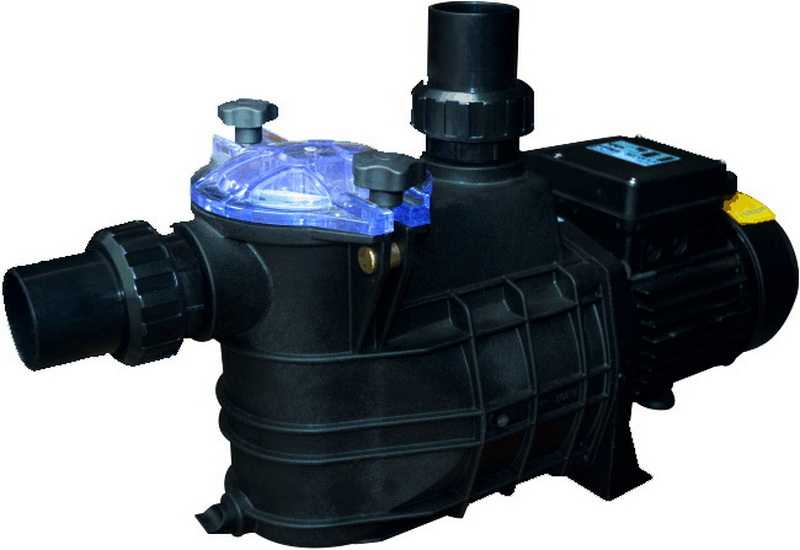
Pool pumps play a vital role in circulating water through filters that keep the pool clean and hygienic. These pumps usually run on electricity and can draw significant amounts of power—commonly around 1500 to 2000 watts depending on the size of the pool and the pump model. Because of their electrical nature and proximity to water, pool pumps are vulnerable during thunderstorms, when electrical grids may experience surges, brownouts, or sudden power outages.
1. Preventing Electrical Damage: Lightning strikes and power surges during storms can cause voltage spikes. These surges can damage the pump's electric motor, fry circuit boards, and lead to costly repairs or even permanent pump replacement. Turning off the pump ensures it is not drawing power during these risky times, preserving its longevity.
2. Avoiding Safety Hazards: Lightning has the potential to electrify the water and conductive metal components around the pool. Keeping pool pumps and other electrical equipment running during a storm increases the risk of electrical shocks or fires.
3. Protecting Against Flooding: Pumps are typically positioned near the ground. Heavy rainfalls can cause water intrusion, leading to short circuits, tripped breakers, or permanent damage to pool systems if the pump remains on.
4. Preserving Pool Water Quality: When power surges or outages occur, pumps may malfunction or stop abruptly, disturbing chemical circulation. Protecting equipment properly during storms helps maintain consistent water quality during extreme weather.
Proper preparation is the key to protecting your pool during severe weather. Below are essential steps you can take ahead of a storm.
- Locate your pool's dedicated circuit breaker panel and turn off breakers supplying power to pool pumps, filters, heaters, LED lights, and any other connected electrical equipment.
- Whenever possible, unplug pumps and accessories to fully isolate them from electricity and reduce surge risks.
- Avoid using or servicing electrical equipment outdoors during storms to prevent accidental shocks.
- Cover pumps, filters, and control panels with heavy-duty, waterproof plastic tarps or custom pool equipment covers to guard against rain and debris.
- Secure these covers tightly to avoid wind damage during strong gusts.
- Check for loose objects such as pool toys, umbrellas, or furniture in your pool area and move them indoors or fix them securely to prevent them from becoming airborne hazards.
- If you have a pool cover, install it firmly to minimize debris falling into the water.
- Avoid draining your pool just before storms or cyclones; instead, slightly lower the water level below the skimmer to reduce pressure on pool walls during heavy rainfall.
- After the storm passes, test and correct water chemistry since heavy rain dilutes chlorine levels and can imbalance pH, leading to algae growth and cloudy water.
- Clear all debris from gutters, drains, and pool area surfaces regularly to ensure water flows away from your pool and equipment.
- Installing French drains or additional drainage solutions around the pool perimeter can prevent water pooling, which risks flooding your equipment.

There are several advanced ways to protect your pool pump and pool-related electrical equipment from thunderstorm risks beyond just turning them off.
- Installing high-quality surge protectors on your pool's electrical supply can absorb or divert damaging voltage spikes caused by lightning or grid fluctuations.
- Whole-home surge protection devices add an extra layer of defense for all appliances, including pool equipment, reducing the risk of electrical damage significantly.
- Housing circuit breakers, timer controls, and pump motors inside weatherproof enclosures shields them from moisture and debris intrusion.
- Properly sealing electrical connections with waterproof insulation helps prevent corrosion and short circuits during storms.
- Schedule regular inspections by licensed electricians to verify grounding, bonding, and condition of your pool's electrical system.
- Identifying faulty wiring, corrosion, and improper grounding before storms can prevent catastrophic failure and safety hazards during extreme weather events.
Thunderstorms pose serious dangers beyond just pool equipment damage. The following safety tips are crucial for pool owners and users:
- Water conducts electricity, making pools extraordinarily dangerous during lightning strikes.
- Extinguish any pool usage immediately at the first sign of thunder or lightning.
- Follow the National Weather Service's 30-30 rule: If the time between seeing lightning and hearing thunder is 30 seconds or less, stay out of the pool; wait at least 30 minutes after the last thunder before swimming again.
- The safest place to be during a thunderstorm is inside a fully enclosed building with plumbing and wiring, which helps channel lightning strikes safely into the ground.
- If indoors is unavailable, a hard-topped vehicle offers the next level of protection.
- Stay away from metal umbrellas, railings, and electrical devices during storms as they can attract lightning strikes.
Once the thunderstorm passes, it's essential to conduct a thorough post-storm review of your pool and equipment:
1. Inspect Pool Equipment: Before restoring power, carefully examine pumps, filters, lighting, and electrical panels for water intrusion, physical damage, or mold. If any components were submerged or heavily exposed to water, contact a professional for assessment and servicing.
2. Restart Equipment Safely: Only reactivate the pool pump and associated devices once you are confident there is no water damage and that the electrical system is dry.
3. Clean and Clear the Pool: Remove all debris such as leaves, branches, and dirt from the pool surface and surrounding deck areas.
4. Test and Balance Water Chemistry: Storm runoff and rain can dilute chlorine and alter pH, causing cloudy water and algae growth. Test chemical levels and adjust accordingly to restore safe swimming conditions.
5. Record Maintenance: Keep a log of any storm damage and repairs for warranty records or insurance purposes.
- Consider Installing a Backup Power Supply: Generators can maintain filtration and circulation during power outages, though they must be used with caution during storms.
- Regularly Service Your Pump: Well-maintained motors operate more reliably and are less likely to fail under strain.
- Educate Family Members and Pool Users: Ensure everyone understands pool safety rules during thunderstorms to avoid accidents.
- Invest in Smart Pool Controllers: Some advanced pool automation systems monitor weather conditions and adjust pool equipment accordingly, including powering down pumps automatically when storms approach.
Turning off your pool pump during a thunderstorm is an essential step to safeguard your equipment and maintain pool safety. Electrical surges and flooding pose significant risks to pool pumps and associated devices, potentially leading to costly damage or hazardous situations. By following proper preparation, including powering down equipment, securing hardware with waterproof coverings, ensuring proper drainage, and adhering to pool safety protocols, you protect both your investment and your loved ones. Post-storm inspections and water maintenance restore pool health and ready your system for future use. Prioritize safety by acting promptly at the first signs of severe weather and waiting until all dangers have passed before restarting your pool pump.
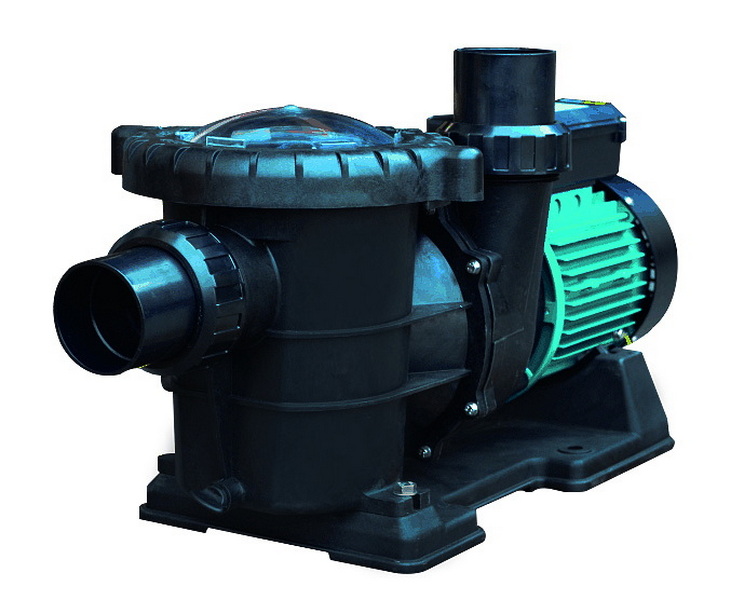
Generally, you don't need to turn off the pool pump during normal rain since it helps circulate chemicals and filter out debris. However, avoid handling electrical pool equipment outdoors during any wet conditions for personal safety.
Lightning strikes can cause voltage surges that exceed the pump motor's capacity, leading to burned-out motors, fried circuit boards, and electrical shorts which can render pumps inoperable.
No, swimming during a thunderstorm is extremely dangerous since water conducts electricity and can cause severe injury or death if lightning strikes nearby.
Do not turn it on under any circumstances until it has been inspected and serviced by a professional. Floodwater causes internal damage and creates electrical hazards.
Invest in surge protectors, use weatherproof electrical enclosures, maintain proper drainage around the pool, secure equipment physically, and schedule routine electrical inspections.


