
Views: 222 Author: Tina Publish Time: 2026-01-24 Origin: Site


Content Menu
● Safety Before Disassembling a Pool Pump
● Tools Needed to Take Apart a Pool Pump
● Step 1: Power Down and Drain the Pool Pump
● Step 2: Remove the Pump Lid and Basket
● Step 3: Disconnect Plumbing from the Pool Pump
● Step 4: Separate the Motor from the Pump Housing
● Step 5: Remove the Diffuser and Access the Impeller
● Step 6: Detach the Pool Pump Impeller
● Step 7: Remove the Shaft Seal and Seal Plate
● Step 8: Strip Down the Motor (Advanced)
● Cleaning and Inspecting Pool Pump Parts
● Priming and Restarting the Pool Pump After Reassembly
● Ongoing Maintenance Tips for a Healthy Pool Pump
● Common Pool Pump Problems After Reassembly
● When to Repair and When to Replace a Pool Pump
● FAQ
>> 1. How often should a pool pump be taken apart for maintenance?
>> 2. What are signs that a pool pump needs disassembly?
>> 3. Can a homeowner safely take apart a pool pump without a professional?
>> 4. Do I always need to replace the shaft seal when I open the pool pump?
>> 5. What happens if a pool pump is reassembled incorrectly?
Disassembling a pool pump safely and correctly helps you clean, repair, or replace internal components and extend the life of your filtration system. This guide walks through every step of taking apart a typical inground or above‑ground pool pump, from shutdown to full internal access, reassembly, and long‑term maintenance.
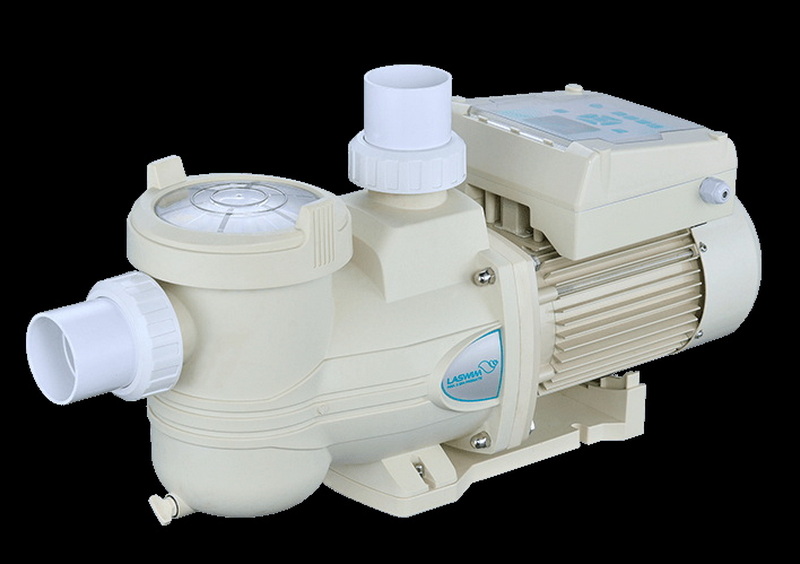
A pool pump moves water from the skimmer and main drain, pushes it through the filter, then sends clean water back to the pool. It works together with your filter to keep water clear, safe, and well‑circulated for swimmers.
The pool pump pulls water through the suction line using an impeller driven by an electric motor to create flow and pressure. Inside the pool pump housing, seals and gaskets prevent leaks while directing water efficiently through the system so that every part of the pool receives proper circulation.
Understanding the basic components makes it easier to take apart a pool pump without damaging critical parts. Most residential pool pump designs share similar internal structures regardless of brand, size, or horsepower.
- Pump housing (volute): Outer body that contains water and connects to suction and return plumbing.
- Strainer pot and basket: Capture leaves and debris before water reaches the impeller inside the pool pump.
- Lid and lid o‑ring: Seal the strainer pot to keep the pool pump from sucking air and losing prime.
- Impeller and diffuser: The impeller spins to move water, while the diffuser directs flow efficiently and reduces turbulence.
- Shaft seal and seal plate: Critical sealing assembly that keeps water out of the motor section of the pool pump.
- Motor and rear cover: Electric motor that powers the impeller and drives the entire pool pump.
- Base or mounting feet: Support the pool pump and reduce vibration when the system is running.
Knowing where each part sits and how it functions will make every step of disassembling and reassembling a pool pump more logical and less stressful.
Working on any pool pump requires careful attention to electrical and water safety. Skipping safety steps can lead to electric shock, flooding, or damage to the pool pump and nearby equipment.
- Turn off power to the pool pump at the circuit breaker, not just at the timer or control panel.
- Confirm the pool pump is de‑energized by checking that the motor will not start and that all controls are off.
- Close suction and return valves if available to isolate the pool pump from the rest of the pool plumbing.
- Wear protective gloves and safety glasses when handling tools, rusted bolts, or corroded fittings around the pool pump.
- Keep the working area dry and avoid standing in water while touching any part of the pool pump or its wiring.
Taking a few minutes to secure the area and lock out power will make the rest of the pool pump disassembly much safer.
Using the right tools makes pool pump disassembly smoother and reduces the risk of damaged threads or cracked plastic. Prepare all tools before opening the pool pump so you do not rush or improvise mid‑job.
- Screwdrivers (Phillips and flat head) for pump housing screws, terminal covers, and fan shrouds.
- Socket set or nut drivers for motor mounting bolts and housing bolts on the pool pump body.
- Strap wrench or large pliers for removing a stubborn impeller from the motor shaft.
- Soft mallet and penetrating lubricant for seized bolts or corroded components on older pool pumps.
- Non‑metallic scraper and cleaning brushes for old gaskets and scale inside the pool pump housing.
- Teflon tape or thread sealant for unions and threaded connections when reassembling the pool pump.
- Silicone‑based lubricant for o‑rings and lid seals to help the pool pump stay primed and leak‑free.
Having these tools ready helps you work methodically and avoid cracking plastic or stripping threaded connections on the pool pump.
The first active step in taking apart a pool pump is to remove any possibility of accidental start‑up and to drain excess water.
1. Switch off the dedicated pool pump breaker and, if possible, apply a lock or tag to prevent someone from turning it on.
2. Turn off any automation system or timer that could start the pool pump unexpectedly.
3. Open the drain plug on the bottom of the pump housing to let water drain from the pool pump before opening it.
4. Place a container or tray under the pool pump to collect remaining water and keep the equipment pad tidy.
Draining the housing reduces mess and makes it easier to handle the pool pump during the following steps.
Next, access the strainer area at the front of the pool pump to clear debris and reduce the chance of clogging the impeller during deeper work.
1. Release clamps or unscrew the transparent lid at the top of the pool pump strainer pot.
2. Carefully lift off the lid; some water may spill as pressure equalizes within the pool pump.
3. Remove the strainer basket and clean out leaves, hair, or debris that may clog the impeller.
4. Inspect the basket for cracks or broken sections that might allow debris into the pool pump.
5. Wipe and inspect the lid o‑ring, looking for cracks, flat spots, or dryness that might cause air leaks.
A clean basket and a healthy lid seal help the pool pump prime properly after reassembly.
Isolating the pool pump from fixed plumbing gives you room to work and prevents pipe stress when you open the housing.
1. Loosen union nuts on the suction and return lines connected to the pool pump housing.
2. If the system uses flexible hoses, use pliers or a nut driver to release hose clamps and slide hoses off the pump ports.
3. Mark each pipe or hose if needed so you know which side is suction and which is return when reconnecting the pool pump.
4. Support nearby plumbing with blocks or straps to avoid bending PVC and stressing the pump connections.
Removing plumbing connections allows you to lift or shift the pool pump easily and reach all the housing bolts.
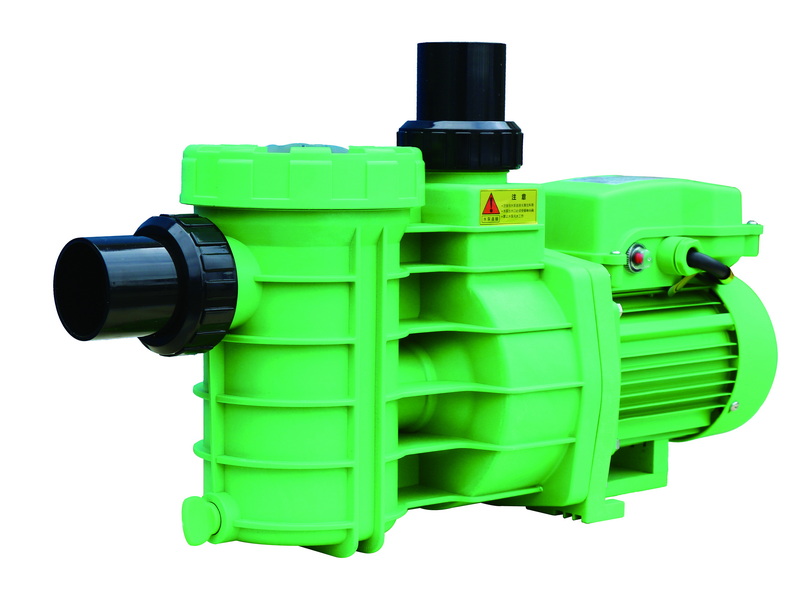
To reach the internal moving parts, detach the electric motor from the wet end of the pool pump.
1. Locate the bolts around the perimeter where the motor assembly joins the main pool pump housing or seal plate.
2. Use a socket or nut driver to remove these bolts evenly, loosening them in a cross pattern to avoid twisting the housing.
3. Gently pull the motor straight back from the pool pump body; some resistance is normal due to the seal and gasket.
4. If the motor feels stuck, tap lightly on the seal plate with a soft mallet while supporting the pool pump housing.
Once the motor assembly is free, you will see the impeller, diffuser, and sealing surfaces that are critical to pool pump performance.
With the motor and seal plate assembly removed from the main pool pump body, the diffuser and impeller become accessible.
1. Lift off the diffuser (sometimes called the shroud) that sits over the impeller inside the pool pump wet end.
2. Note the orientation of the diffuser and any alignment pins or tabs that help position it correctly.
3. Inspect the diffuser for cracks, worn edges, or clogged passages that can reduce pool pump efficiency.
4. Set the diffuser aside in a clean, dry place to prevent dirt or grit from getting into the sealing surfaces.
Now the impeller is exposed and ready for removal, which is one of the most important steps in taking apart a pool pump.
Removing the impeller must be done carefully to avoid damaging threads or cracking the impeller itself.
1. On the back of the motor, remove the small rear cover to expose the shaft end of the pool pump motor.
2. Use an appropriate wrench or pliers to hold the motor shaft steady at the rear while you work on the impeller at the front.
3. Unscrew the impeller by hand if possible. Many pool pump impellers have reverse threads, so check the arrow or manual for correct direction.
4. If the impeller is stubborn, use a strap wrench on the impeller hub rather than gripping the blades directly.
5. Avoid hitting the impeller vanes with hard tools, since cracks can cause vibration and poor pool pump performance.
Once the impeller is off, you can see the shaft seal, seal plate, and other components that protect the motor of the pool pump.
Behind the impeller, the shaft seal and seal plate protect the motor from water, and these are common service items in a pool pump.
1. Slide off the rotating half of the shaft seal from the impeller hub. This part usually has a spring and a polished face.
2. Gently pry the stationary ceramic half of the seal from the seal plate using a flat screwdriver, being careful not to scratch the metal or plastic seat.
3. Inspect the seal plate for grooves, cracks, or warped areas that could keep the new shaft seal from seating correctly.
4. If needed, unbolt the seal plate from the motor so you can clean or replace it before reassembling the pool pump.
Whenever a pool pump is opened this far, replacing the entire shaft seal set is strongly recommended.
For more advanced maintenance, the pool pump motor itself can be taken apart to reach bearings, windings, or internal wiring.
1. Remove the rear end cover and cooling fan from the pool pump motor by undoing the small bolts around the perimeter.
2. Mark the positions of end bells, capacitor wires, and terminal connections so the motor can be reassembled correctly.
3. Tap gently with a soft hammer to separate the motor end bells and slide out the rotor assembly from the stator.
4. Use a bearing puller and appropriate lubricant if replacing worn bearings that cause noise or vibration in the pool pump.
5. If windings or electrical components appear burnt or heavily damaged, consider replacing the entire motor or complete pool pump instead of repairing it.
Motor work is optional during pool pump disassembly but can greatly reduce noise and extend the life of an older unit.
Once the pool pump is fully disassembled, careful cleaning and inspection help you decide which parts to reuse or replace.
- Soak small parts of the pool pump in a mild descaling solution to remove calcium and rust from metal areas.
- Brush the inside of the housing, diffuser, and impeller with a soft brush to remove scale, algae, and fine debris.
- Check the housing for hairline cracks, stress marks, or warping that might cause leaks under pressure.
- Inspect the impeller for chipped blades, worn hubs, or clogged passages that could reduce pool pump flow.
- Examine all o‑rings and gaskets for flattening, brittleness, or cuts; plan to replace any that do not feel flexible.
- Dry all cleaned parts fully before putting the pool pump back together to avoid trapping moisture where it should not be.
Good cleaning and inspection ensure that your pool pump will run more efficiently once reassembled.
Reassembly is essentially the reverse of disassembly, but attention to seals and alignment is crucial for a leak‑free and quiet pool pump.
1. Install a new stationary seal half into the seal plate, pressing it squarely into the clean seat with the polished face outward.
2. Slide the rotating seal half onto the impeller hub, making sure the polished faces of the two seal halves will mate correctly.
3. Bolt the seal plate back onto the motor if it was removed, tightening bolts evenly to avoid warping the plate.
4. Thread the impeller back onto the motor shaft by hand, holding the shaft at the rear and turning the impeller in the proper direction.
5. Reinstall the diffuser over the impeller, aligning any pins or tabs with the matching features on the pool pump housing.
6. Position the motor assembly against the main housing and insert the housing bolts, tightening them in an alternating pattern.
7. Reinstall the strainer basket and lightly lubricate the lid o‑ring with silicone lubricant.
8. Reconnect plumbing unions or hoses, using Teflon tape on threaded fittings and tightening unions firmly but not excessively.
Proper reassembly ensures the pool pump operates quietly, holds prime, and does not leak at start‑up.
After taking apart and reassembling a pool pump, correct priming and start‑up are essential for protecting the motor and achieving full flow.
1. Make sure all valves on the suction and return lines are open so the pool pump can draw water freely.
2. Remove the lid and fill the strainer pot with clean water until it is nearly full.
3. Reinstall the lid carefully, checking that the o‑ring stays in its groove and does not pinch.
4. Turn the circuit breaker back on and then start the pool pump from the control panel or timer.
5. Watch the strainer pot through the clear lid; it should fill completely with water within a minute or so.
6. If the pool pump does not prime, stop it, add more water to the pot, check for air leaks at the lid or unions, and try again.
7. Once the pool pump is running steadily, check around the housing, unions, and drain plugs for drips or spraying water.
Monitoring the pool pump closely during the first minutes of operation helps catch issues before they cause damage.
Regular maintenance after disassembly and repair will help the pool pump run efficiently and last longer.
- Clean the pump basket at least once a week during heavy swimming seasons to keep the pool pump from running under strain.
- Keep the pool water level high enough so the skimmer does not suck air, which can cause the pool pump to lose prime.
- Inspect the lid o‑ring monthly and add a small amount of silicone lubricant to maintain flexibility.
- Check around the pool pump for small leaks and fix them early, before they cause corrosion or pump damage.
- Clear leaves, dirt, and clutter from around the motor housing so the pool pump can cool properly and avoid overheating.
- Maintain proper water chemistry so scale and corrosion do not build up inside the pool pump and filter system.
- Schedule more detailed inspections at the start or end of each season, opening the pool pump if flow, noise, or pressure readings suggest internal issues.
A well‑maintained pool pump will typically run more quietly, consume less energy, and provide better circulation.
Even with careful work, a pool pump may show some problems after being taken apart and put back together. Recognizing these symptoms early helps you correct the issue quickly.
- Low flow or weak returns: May indicate a partially clogged impeller, a dirty filter, or a small air leak on the suction side of the pool pump.
- Bubbles in the pump lid: Often caused by a bad lid o‑ring, loose union, or low water level in the pool.
- Loud grinding or screeching: Typically relates to worn motor bearings or misalignment inside the pool pump motor section.
- Persistent leaks at the seal plate: Usually signal an incorrectly installed shaft seal, damaged seal surfaces, or a cracked housing.
- Humming motor that will not start: May point to a bad capacitor, stuck rotor, or serious electrical issue inside the pool pump motor.
When such problems appear, review each step of your pool pump disassembly and reassembly to make sure everything was aligned, tightened, and sealed correctly.
Knowing whether to keep repairing a pool pump or upgrade to a new unit can save time and money.
- Consider repairing the pool pump if the housing is intact, the motor casing is solid, and issues are limited to seals, bearings, or minor parts.
- Replacement is often the better choice if the housing is cracked, the motor is badly rusted, or repair parts are hard to find.
- Upgrading to a modern, energy‑efficient pool pump can reduce electricity costs while providing better flow control.
- When the pool pump is more than a decade old and has recurring problems, combining disassembly knowledge with a strategic replacement plan often makes sense.
Evaluating both repair and replacement options will help you choose the best long‑term solution for your pool pump system.
Taking apart a pool pump becomes manageable when the process is broken down into clear, methodical stages from shutdown to full reassembly. By shutting off power, draining the housing, removing the lid and basket, separating the motor, and carefully extracting the diffuser, impeller, and shaft seal, you can inspect and service every critical component inside the pool pump. With thorough cleaning, new seals and o‑rings, and patient reassembly, the pool pump will usually return to quiet, efficient operation with strong water flow and reliable priming. Regular maintenance and timely troubleshooting after disassembly will protect your investment and keep the entire filtration system running smoothly for many swimming seasons.
Contact us to get more information!
Most residential systems benefit from internal inspection every one to three years, depending on usage, climate, and water quality. Heavy‑use pools or those with high debris loads may require more frequent partial disassembly to clean the impeller and refresh seals.
Warning signs include loud grinding or screeching noises, visible leaks around the seal plate, persistent air bubbles in the strainer lid, and reduced flow even after cleaning the basket and filter. If priming becomes difficult or the pool pump frequently loses prime, internal inspection is often necessary.
A careful homeowner with basic tools and good electrical safety habits can usually handle standard pool pump disassembly and shaft‑seal replacement. However, complex wiring changes and in‑depth motor repairs are best left to experienced technicians or electricians familiar with pool equipment.
Any time the pool pump is fully opened and the impeller is removed, replacing the shaft seal is strongly recommended. Reusing an old seal greatly increases the risk of leaks that can let water into the motor section and shorten the lifespan of the entire pool pump.
Incorrect alignment, missing o‑rings, crossed threads, or over‑tightened bolts can cause leaks, vibration, or cracked plastic in the pool pump housing. Improper motor wiring or assembly can lead to overheating, tripped breakers, or complete pump failure shortly after start‑up.
1. https://www.oreateai.com/blog/disassembling-your-pool-pump-a-stepbystep-guide/7a9116d76feee94b117615010a44c8ba
2. https://poolie.com/blog/repair/pool-pump-motor-repair/
3. https://www.epoolsupply.com/blogs/default-blog/parts-of-pool-pump
4. https://www.instructables.com/Restoring-Seized-Pool-Water-Pump-with-Pictures/
5. https://www.swimmingpool.com.sg/articles/maintaining-your-pool-pump-a-step-by-step-guide.html
6. https://www.linquip.com/blog/parts-of-pool-pump/
7. https://www.youtube.com/watch?v=aITgng8PCy8
8. https://www.intheswim.com/blog/pool-pump-parts-explained.html
9. https://diy.inyopools.com/article/disassembling-pool-pump-tips-tricks/
10. https://www.jimspoolcare.com.au/news-pool-cleaning/how-to-extend-the-life-of-your-pool-pump-with-proper-maintenance-and-repair/
11. https://poolpartstogo.com/blogs/articles/common-pool-pump-problems
12. https://www.poolmarttx.com/post/guide-to-replace-your-swimming-pool-pump-motor--a-step-by-step-guide
13. https://asappump.com/2024/09/10-steps-to-prolong-your-pool-pumps-life/
14. https://pleasantpools.com/5-most-common-pool-pump-problems-and-solutions/


