
Views: 222 Author: Tina Publish Time: 2025-12-21 Origin: Site


Content Menu
● Why Remove the Pool Ladder for Winter
● Tools and Materials You Will Need
● Step‑by‑Step: How to Remove a Pool Ladder for Winter
>> 1. Check Manufacturer Instructions and Local Climate
>> 2. Adjust the Water Level (If Needed)
>> 3. Loosen Anchors, Bolts, and Clamps
>> 4. Carefully Lift the Ladder Out
● How to Clean the Ladder Before Storage
>> Rinse Off Dirt, Algae, and Chemicals
>> Disinfect High‑Touch Areas (If Needed)
● Drying, Inspecting, and Servicing the Ladder
>> Inspect for Structural Damage
>> Lubricate and Protect Hardware
● Indoor Storage: The Best Option
● Outdoor Storage: When Indoor Space Is Limited
● Where Not to Store Pool Ladders
● Safety and Access Control During Winter
● OEM and Brand Opportunities in Ladder Design
>> 1. Do I really have to remove the ladder every winter?
>> 2. How long does it take to remove and store a pool ladder?
>> 3. Can I store the ladder next to my chlorine and shock products?
>> 4. What should I do if I find rust or cracks during inspection?
>> 5. When should I reinstall the ladder in spring?
>> 6. Is there any benefit in choosing ladders specifically designed for easy winter storage?
Storing your pool ladder correctly for winter protects it from cracking, rust, and UV damage, and also makes your pool area safer when it is not in use. Proper winter storage can add years of life to your ladder and other pool accessories while reducing replacement costs for homeowners, brands, and wholesalers.
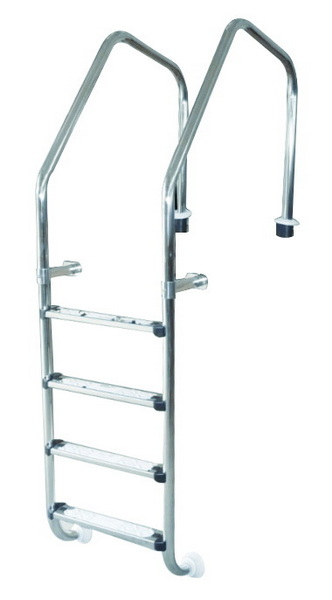
Most manufacturers and pool professionals recommend removing the pool ladder during the off‑season, especially in regions with freezing temperatures. Freezing water, snow load, ice, and aggressive winter chemicals can stress plastic treads and metal rails, causing cracks, corrosion, and instability when you reopen the pool in spring.
Keeping the ladder installed through winter also makes it harder to correctly fit and tension a winter or safety cover, which may leave gaps where debris and ice can damage the pool wall or liner. In addition, many safety guidelines advise removing ladders and restricting entry to prevent unsupervised access when the pool is officially “closed.”
For above ground pools, leaving an A‑frame ladder in place can trap ice between the ladder and the wall, increasing local stress on the liner. For inground pools, snow and ice accumulating around deck‑mounted ladders can transfer force through the rails into the anchor sockets, which may loosen or crack the surrounding concrete over time.
Before starting, gather all tools and supplies needed to remove and store the ladder safely and efficiently.
- Adjustable wrench and screwdrivers for bolts, clamps, and deck brackets
- Rubber mallet for stubborn anchor wedges or tight sockets
- Mild detergent, soft brush, non‑abrasive sponge, bucket, hose, and towels
- Silicone or PTFE spray lubricant for metal parts, and anti‑rust oil where appropriate
- Heavy‑duty tarp or plastic wrap for outdoor storage
- Cinder blocks, shelves, or pallets to keep the ladder off the ground
- Labeled zip bags or plastic bins for hardware (bolts, nuts, caps, wedges, clamps)
Having everything ready before you begin makes the process faster and reduces the risk of losing small hardware pieces, which is especially important for service companies and OEM distributors managing multiple installations.
Start by reviewing the ladder's instruction manual or manufacturer's website. Many brands clearly state whether seasonal removal is required, recommended, or optional, and specify any special steps such as draining ballast compartments or disassembling the ladder into sections.
Think about your climate:
- In freeze‑prone regions, always plan to remove and store the ladder, even if some owners leave it in place.
- In mild climates with no freezing, some users still remove the ladder to protect it from UV exposure and storms, while others leave it installed year‑round but inspect it more often.
Align your process with local regulations and safety codes, especially in commercial or community pools where additional rules may apply.
For some above ground pools, slightly lowering the water level can make it easier to access ladder mounts and remove heavy step systems. Many owners combine this with the general winterization drain level (often several inches below the skimmer or return fittings, according to pool guidelines).
In inground pools, the water level is often set according to winter cover type (mesh or solid). The ladder removal is usually independent of the water level, but you still need a stable deck area and safe footing to work around the anchors.
For inground ladders:
- Locate the anchor sockets in the deck and the securing bolts that press wedges against the ladder legs.
- Back the bolts out slowly until the wedge releases tension.
- Use a rubber mallet to gently tap the wedge downward if it is stuck, avoiding direct blows to stainless rails.
- Once the ladder legs move freely, you can pull them straight up from the sockets.
For above ground A‑frame or deck‑mounted ladders:
- Loosen clamps and brackets that attach the ladder to the top rail or deck.
- Remove any safety locks, pins, or stabilizer bars that prevent movement.
- Work carefully in cold weather because plastic becomes brittle; do not overtighten or abruptly twist components.
If any fastener is badly rusted, consider replacing it rather than forcing it and damaging the surrounding plastic or metal.
When all hardware is loose, lift the ladder straight up until the bottom clears the pool wall or deck edge, then tilt it away from the pool and carry it to a flat, clear workspace.
For large molded steps that use water or sand ballast:
- Remove any plugs or caps and allow water to drain back into the pool before lifting.
- If sand is used, plan to remove it after the unit is out of the pool to avoid spills.
- Use two adults to carry heavy or bulky units, both for safety and to avoid bending the pool wall or scratching the liner.
Avoid dragging metal rails across delicate finishes such as coping stones, deck coatings, or liners. Place old towels or cardboard on sharp edges to prevent scratches while moving the ladder.
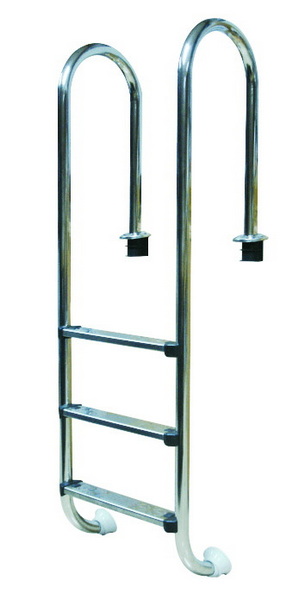
Lay the ladder on a flat, non‑abrasive surface (grass, mats, or cardboard). Use a garden hose to rinse off loose dirt, leaves, insects, and any visible algae.
Prepare a bucket of warm water with mild detergent (or manufacturer‑approved cleaner). With a soft brush or sponge, scrub:
- Treads and steps, focusing on textured areas where algae and sunscreen accumulate
- Underside surfaces and corners that are often missed during routine cleaning
- Handrails, joints, and around fasteners where grime collects
Avoid steel wool, harsh abrasives, and strong acid or solvent cleaners, which can damage protective finishes and weaken plastic.
Particularly in commercial or heavily used residential pools, you may want to disinfect handrails and treads. Use a dilute solution of appropriate disinfectant (following product instructions carefully). Rinse thoroughly after disinfection so no chemical residue remains on the surfaces.
If the ladder includes anti‑slip rubber feet or grip pads, inspect these for wear and clean them gently to maintain traction for the next season.
Thorough drying is crucial for preventing freeze damage and hidden corrosion.
- Wipe the ladder with towels to remove surface water.
- Stand or lay it in a well‑ventilated, shaded area until all moisture evaporates, including inside hollow rails and step cavities.
- For ladders with removable caps, open them so moisture can escape.
Do not wrap the ladder or place it in sealed containers while still damp, as trapped moisture can create mold, odors, and long‑term structural damage.
Once dry, perform a detailed inspection:
- Look for hairline cracks in plastic treads and side panels.
- Check for UV fading, chalky surfaces, or brittleness in older plastic components.
- Examine metal rails and hardware for rust, pitting, or loose welds.
- Confirm that all attachment points, pins, and locking mechanisms operate smoothly.
If any component is severely cracked or corroded, plan to replace it before reopening. For OEM brands and wholesalers, this is a good time to log issues that might indicate design improvements or material upgrades for future product lines.
Apply a light coat of silicone or PTFE‑based lubricant to moving joints and metal bolts to prevent seizing over winter. Avoid petroleum‑based products if the manufacturer warns they may harm plastic or rubber.
If the ladder uses exposed stainless steel, you may wipe it with a suitable protectant to slow corrosion, especially in coastal or high‑chloride environments. Always follow care instructions from the ladder supplier to keep warranties valid.
When possible, store the ladder indoors for the winter. Ideal locations include:
- A dry garage or workshop
- A basement storage room
- A well‑ventilated pool equipment shed (separate from chlorine storage)
Key indoor storage tips:
- Keep the ladder off bare concrete if condensation is common; use blocks or shelves.
- Avoid direct sunlight through windows, which can continue to age plastics.
- Store the ladder flat or upright in a natural position without heavy loads on top of it.
- Group related items—ladder, hardware bag, manual—together in one container or area.
Industrial users, service companies, and OEM distributors may assign labeled racks or shelves for ladders and steps by model or customer, which simplifies re‑deployment during the next season.
If you have no indoor space, outdoor storage is possible if done carefully:
1. Confirm the ladder is completely dry.
2. Wrap it in a heavy‑duty tarp or thick plastic sheeting.
3. Secure the wrap with straps, tape, or rope to keep water and snow out.
4. Place the wrapped ladder on bricks, pallets, or shelving so it is not in direct contact with the ground.
5. Position it in a shaded, sheltered spot, protected from falling branches and high winds.
Check the wrapped ladder once or twice during winter to ensure the cover is still intact and that no water has pooled inside the wrap.
Avoid storing the ladder under heavy piles of other equipment or materials, which can bend or deform rails and treads.
For safety and longevity, avoid:
- Storing ladders next to strong chlorine or other oxidizing chemicals in enclosed spaces, which can accelerate corrosion.
- Leaving the ladder leaning unsecured where children could use it to climb into restricted areas, such as a locked pool.
- Placing the ladder where vehicles, snowplows, or heavy equipment might strike it.
- Stacking heavy items on top of delicate steps or rails.
If your storage area doubles as a chemical room, consider using sealed hardware cabinets and separate ventilated zones to protect metal components.
Removing the ladder is only one part of a complete winter safety plan. To keep the pool area safe:
- Install or verify a secure, code‑compliant fence and self‑closing, self‑latching gate.
- Use a certified winter or safety cover and ensure it is properly tensioned.
- Post warning signs where required by local regulations.
- Keep stored ladders, steps, and other climbing aids away from the pool fence to prevent children from using them to gain access.
Commercial facilities should add these steps to their written winter closing checklist and assign responsibility to trained staff.
For manufacturers and OEM partners, winter storage considerations can influence product design and documentation:
- Incorporate easy‑release brackets and clearly marked hardware to simplify seasonal removal.
- Use corrosion‑resistant materials (stainless steel grades suitable for pool environments, UV‑stable plastics).
- Provide detailed winterization and storage instructions, including diagrams and safety warnings.
- Offer spare hardware kits and replacement parts to extend service life.
- Combine ladders and steps with matching filtration, pump, and lighting systems in OEM packages tailored to different markets and climates.
By focusing on durability, ease of storage, and clear user guidance, factories can help reduce warranty claims, improve customer satisfaction, and support distributors and installers worldwide.
Storing your pool ladder properly for winter is a small project that delivers big benefits in durability, safety, and long‑term cost savings. By removing the ladder before harsh weather arrives, cleaning and disinfecting it, drying every surface and cavity, and inspecting for cracks or corrosion, you protect both swimmers and equipment for the next season.
Whenever possible, store the ladder indoors in a dry, well‑ventilated space away from strong pool chemicals, or, if necessary, wrap and elevate it carefully outdoors. Avoid common mistakes like leaving the ladder in the water all winter, storing it wet, or exposing it to chlorine fumes, which can lead to early failure. For manufacturers, brands, and OEM partners, thoughtful ladder design and clear winterization instructions add real value for customers and support safer, more reliable pool installations worldwide.
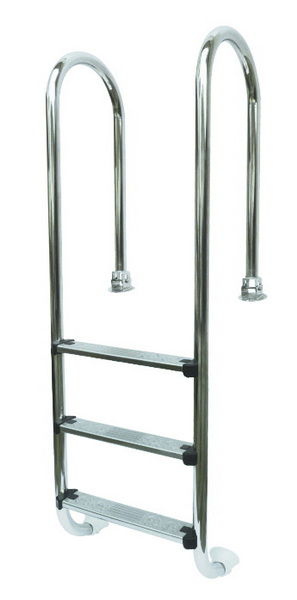
In any region with freezing temperatures, seasonal removal is strongly recommended to prevent damage from ice and extreme conditions. Even in warmer climates, periodic removal for deep cleaning and inspection helps extend the life of the ladder and maintain safety.
For a typical residential pool, removing, cleaning, drying, and storing the ladder usually takes 30–90 minutes, depending on ladder type and condition. Larger molded step systems or commercial installations may take longer because of ballast removal and more detailed inspections.
This is not recommended. Chlorine fumes and other oxidizing chemicals can attack metal and some plastics over time, accelerating corrosion and weakening structural components. Store the ladder in a separate, well‑ventilated area away from strong chemicals.
Light surface rust can sometimes be cleaned and protected with suitable products, but deeper pitting or compromised welds means the part should be replaced. Cracked plastic steps or handrails should also be replaced rather than repaired, because they may fail under load and create serious safety risks.
Reinstall the ladder only after the pool is opened, water is balanced, and winter covers are removed or repositioned. Inspect all components again, confirm all bolts and clamps are tight, verify anti‑slip surfaces are intact, and test the ladder by applying body weight carefully before allowing swimmers to use it.
Yes. Ladders with quick‑release brackets, corrosion‑resistant hardware, removable ballast caps, and modular construction are easier and safer to remove, clean, and store. For brands and OEM partners, promoting these features can differentiate products and reduce service issues over the ladder's lifetime.


