
Views: 222 Author: Tina Publish Time: 2026-01-18 Origin: Site


Content Menu
● Why You Might Need to Remove the Impeller
● Safety Precautions Before You Start
● Tools and Materials You Will Need
● Step‑by‑Step: How to Remove a Pool Pump Impeller
>> Step 1: Shut Off Power and Relieve Pressure
>> Step 2: Disconnect Plumbing (If Needed)
>> Step 3: Separate the Motor From the Pump Housing
>> Step 4: Remove the Diffuser
>> Step 5: Check for an Impeller Screw and Thread Direction
>> Step 6: Access and Secure the Motor Shaft
>> Step 7: Unthread the Impeller From the Shaft
>> Step 8: Dealing With Stubborn or Corroded Impellers
>> Step 9: Remove the Old Shaft Seal
>> Step 10: Inspect Parts and Prepare for Reassembly
● Maintenance Tips After Impeller Removal and Reassembly
>> 1. Which way do you turn a pool pump impeller to remove it?
>> 2. How do you hold the motor shaft when removing the impeller?
>> 3. What if the impeller is stuck and will not turn?
>> 4. Do you always need to replace the shaft seal when you remove the impeller?
>> 5. Can a homeowner safely remove a pool pump impeller?
>> 6. How can OEM brands make impeller removal easier for technicians?
Removing a pool pump impeller safely comes down to cutting the power, separating the wet end from the motor, holding the motor shaft, and then carefully unthreading the impeller without cracking the plastic or damaging the shaft seal. With the right tools and clear step‑by‑step guidance, most technicians and experienced homeowners can complete this process in under an hour.
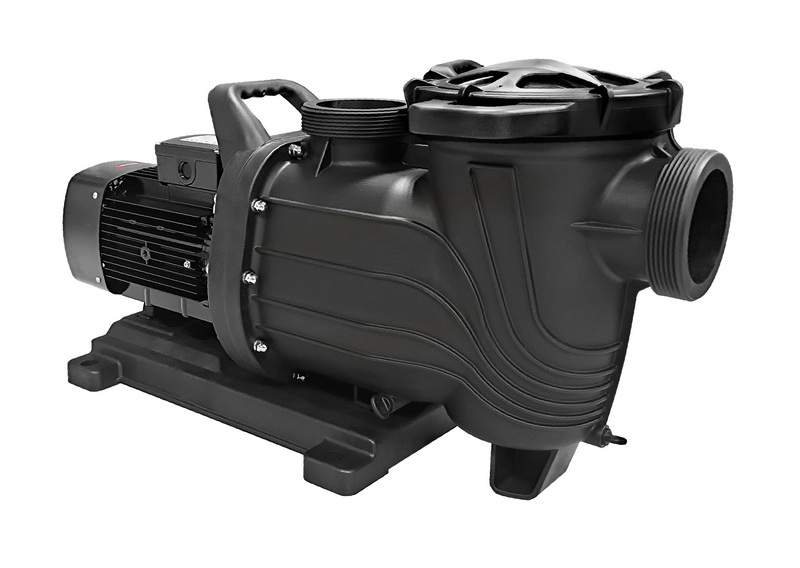
Removing the impeller is a routine part of many pool pump repair, upgrade, and maintenance tasks. Technicians, OEM partners, and wholesalers often deal with impeller removal when diagnosing performance issues or preparing pumps for export servicing.
- To replace a cracked, warped, or clogged impeller that is reducing flow, causing noisy operation, or tripping thermal overloads.
- To change a failed motor while keeping the existing wet end or volute, which requires unthreading the impeller from the motor shaft.
- To replace a leaking shaft seal that is allowing water into the motor area, causing corrosion on the shaft, bearings, bolts, and electrical connections.
- To clean out debris such as broken wear rings, leaves, seeds, small stones, or plastic that has become packed into the impeller vanes.
- To inspect OEM or aftermarket parts, verify part numbers, and confirm compatibility for large‑volume orders and private‑label pumps.
In your article layout, you can place a simple infographic near this section that illustrates how a damaged or clogged impeller affects flow rate and energy consumption.
Working on any pool pump combines water, electricity, and rotating parts, so basic safety steps are critical. OEM brands and service companies should also document safe procedures in their manuals to protect end users and field technicians.
- Turn off power at the breaker, not just at the time clock or automation panel, and tag or lock the breaker so no one can restart the pump by accident.
- Relieve system pressure by opening the filter air‑relief valve and removing the pump lid so trapped pressure does not push against fittings or gaskets.
- Wear eye protection and work gloves, especially if you will use strap wrenches, pliers, or penetrating oil around brittle plastic parts.
- Make sure the pump and motor have cooled down; motors that have been running can stay hot for several minutes after shutdown.
- Avoid working in standing water around the equipment pad, and keep electrical connections dry and sheltered during the repair.
Most residential pool pumps can be disassembled with basic hand tools, although stubborn impellers sometimes require specialized tools. Having everything ready before you start will make the process faster and more controlled.
- Screwdrivers (Phillips and flat‑blade) for removing motor end caps, electrical covers, and pump housing screws.
- Metric or imperial wrenches, typically including a 7/16‑inch wrench, to hold the motor shaft or remove mounting bolts.
- Socket set or nut drivers to remove the bolts that connect the motor and seal plate to the main pump housing.
- Rubber strap wrench or large channel‑lock pliers to grip and turn tight impellers without cracking the plastic vanes.
- Penetrating oil or rust remover to help loosen corroded impeller screws and frozen threads, used carefully to avoid contaminating the pool area.
- Replacement shaft seal and, if needed, a new OEM or aftermarket impeller and O‑rings, especially when the original parts are damaged or heavily worn.
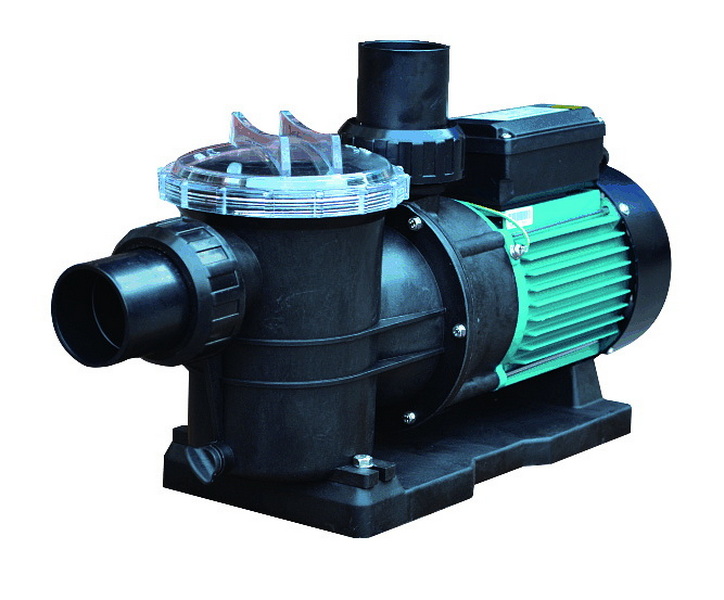
The exact details differ slightly between brands, but most common in‑ground pool pumps follow the same general process. The instructions below apply to many popular designs such as Hayward‑style, Pentair‑style, and Sta‑Rite‑style units; always check the specific service manual for your model.
Start by eliminating any risk of surprise movement or pressure‑related accidents.
- Turn off the electrical breaker feeding the pump and confirm that the motor will not start when the timer or automation system calls for it.
- Open the air‑relief valve on the filter until the gauge reads zero, then remove the pump lid to drop system pressure and allow water in the pump basket to drain back.
On many installations, you can leave the pump plumbed in place and simply remove the motor and wet end, but some cramped layouts require disconnecting unions or couplings.
- If the pump has unions on the suction and return side, loosen them so the wet end and motor can be pulled back for easier access.
- If there are no unions and space is very tight, consider cutting and later re‑plumbing with unions or quick‑disconnect fittings to make future service faster and cleaner.
To reach the impeller, you must first remove the motor and seal‑plate assembly from the main pump body or volute.
- Locate the bolts or clamp band that secure the motor and seal plate to the pump housing; most pumps use four to six bolts around the perimeter.
- Remove these bolts in a criss‑cross pattern and pull the motor straight back, bringing the seal plate and diffuser away from the volute; avoid twisting or bending the assembly.
The diffuser covers the impeller and shapes the flow, so it has to come off before you can access the impeller itself.
- Gently pry or twist the diffuser off the seal plate; some diffusers have plastic tabs or screws that must be released, while others simply pull away.
- Set the diffuser aside in a clean spot, noting any wear rings, O‑rings, or gaskets that may need replacement during reassembly.
Some pumps have a small screw in the center of the impeller that must be removed before the impeller can be unthreaded from the motor shaft.
- Inspect the center of the impeller: if a screw is present, it is usually a left‑hand, reverse‑thread screw that prevents the impeller from loosening during operation.
- To loosen a left‑hand impeller screw, turn it clockwise, which is the opposite of the normal “lefty‑loosey” direction used for standard screws.
If you try to spin the impeller without locking the motor shaft, the shaft will simply rotate with the impeller and nothing will loosen. Accessing the shaft from the rear of the motor allows you to hold it still.
- Remove the small end cap or cover at the back of the motor; under this cover you will see the capacitor and the end of the shaft.
- Carefully move the capacitor aside as needed and place a wrench on the flats of the shaft or insert a screwdriver into the slotted shaft design used on some motors to hold the shaft in place.
Once the shaft is held firmly, you can unscrew the impeller from the motor shaft without fighting against the motor's spin.
- Hold the shaft steady with your wrench or screwdriver and turn the impeller counter‑clockwise by hand to loosen it; most pool pump impellers unthread in this direction.
- If the impeller is tight, use a rubber strap wrench around the impeller hub to increase leverage while protecting the plastic from teeth marks or cracks.
Sometimes calcium buildup, rust, or a long‑term leak at the shaft seal causes the impeller to seize on the shaft. This is common on older pumps or poorly maintained systems.
- First, double‑check that any reverse‑thread screw has been removed; if that screw is still in place, the impeller will not come off and extra force may break it.
- Apply penetrating oil to the exposed threads or screw area and allow time for it to soak in, then try again with the strap wrench while firmly holding the shaft.
Once the impeller is off, you will normally see the two halves of the mechanical shaft seal—one in the impeller and one in the seal plate. This part is critical to preventing leaks.
- Pull the rotating seal half (typically a spring and ceramic or carbon face) out of the impeller, then push or pry the stationary half out of the seal plate from the back side.
- Clean the seal pocket surfaces with a soft cloth and avoid scratching or gouging the plastic or metal; do not touch the polished faces of the new seal with bare fingers during installation.
Before installing a new impeller or putting the original one back, inspect the surrounding components so you do not have to repeat the repair later.
- Check the seal plate, diffuser, O‑rings, and motor shaft for grooves, cracks, swelling, and corrosion; replace any questionable parts while the pump is apart.
- Verify the part numbers on the old impeller and seal match the OEM or private‑label parts being supplied, which is especially important for distributors and brand owners managing inventories.
Once the impeller has been removed, inspected, and either reinstalled or replaced, good operating practices will help prevent future failures.
- Always prime the pump properly after reassembly, filling the pump basket with water and bleeding air from the filter before starting the motor.
- Listen for unusual noises such as grinding, rattling, or cavitation, which may indicate misalignment, trapped air, or hidden debris in the impeller.
- Check for leaks around the seal plate and under the motor base during the first few minutes of operation and again after several hours of run time.
- Keep the pump basket and skimmer baskets clean, and do not allow large debris to bypass pre‑filters, as this can clog the impeller vanes.
- Schedule periodic inspections of the motor, capacitor, and shaft seal area in commercial or heavy‑use installations to catch problems early.
Removing a pool pump impeller is a manageable task when carried out with proper safety steps, the right tools, and a clear understanding of how the motor shaft, impeller threads, and shaft seal work together. By documenting each step with detailed photos and videos, and by supplying compatible OEM parts, training materials, and service‑friendly pump designs, manufacturers, brands, and wholesalers can help technicians around the world service their pumps efficiently, reduce downtime, and extend the overall life of pool circulation systems.
Contact us to get more information!
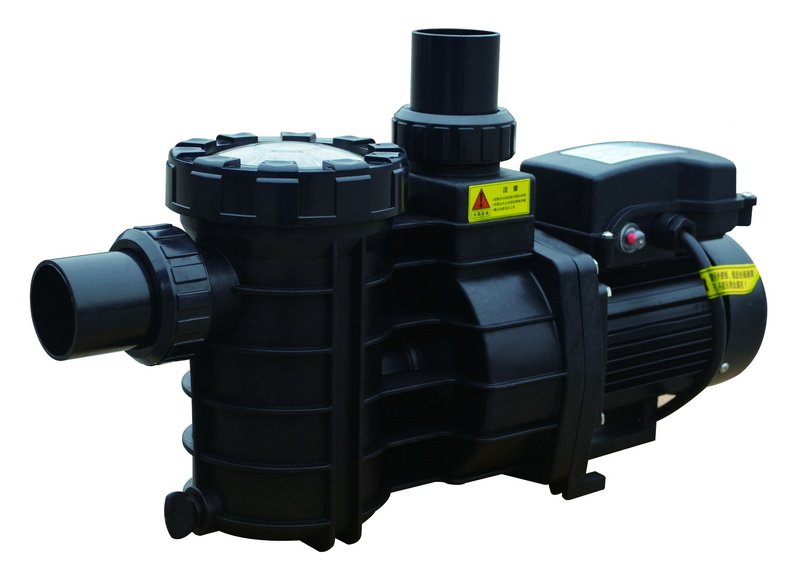
On most pool pumps, the impeller unthreads by turning it counter‑clockwise while the motor shaft is held still from the back of the motor. Some designs also use a small reverse‑thread locking screw in the center of the impeller; that screw must be removed by turning it clockwise before the impeller can be spun off.
After taking off the rear motor cap, you will see the end of the shaft, usually with wrench flats or a slotted design. Place an appropriately sized wrench on the flats or insert a screwdriver into the slot to keep the shaft from rotating while you turn the impeller by hand or with a strap wrench.
First, make sure any reverse‑thread center screw has been removed. Then apply penetrating oil to the threads and allow it to soak in, grip the impeller hub with a rubber strap wrench, and try again while firmly holding the shaft. If corrosion has completely seized the hub to the shaft and the impeller is being replaced anyway, it may be necessary to carefully cut or break the old impeller away and clean the shaft before fitting new parts.
The shaft seal is a wear component that often causes leaks, corrosion, and premature motor failure when it ages or dries out. Best practice is to replace the shaft seal whenever the impeller is removed, especially when a new motor or new impeller is installed, so the pump can return to service with a fresh sealing surface.
Many homeowners with basic mechanical skills can safely remove and replace a pool pump impeller if they strictly follow safety rules, disconnect power, and rely on the manufacturer's instructions or high‑quality guides. However, if they are not comfortable working near electrical components or if local regulations require licensed professionals, it is safer to hire a qualified service technician.
OEM brands can make impeller removal easier by clearly marking thread directions, providing good access to the motor shaft, and designing pump housings with tool‑friendly bolt layouts and unions on the plumbing. Detailed photo guides, QR‑linked video tutorials, and standardized seal and impeller kits across multiple models can further simplify field service for wholesalers and technicians.
1. https://www.inyopools.com/HowToPage/how_to_replace_a_pool_pump_impeller.aspx
2. https://diy.inyopools.com/article/how-to-remove-stubborn-pool-pump-impellers/
3. https://www.inyopools.com/HowToPage/how-to-replace-a-sta-rite-max-e-pro-pump-impeller.aspx
4. https://intheswim.com/blog/clogged-pool-pump-impeller.html
5. https://www.youtube.com/watch?v=QsbzmB5rpwY
6. https://www.youtube.com/watch?v=4sG2eBEq7PY
7. https://www.youtube.com/watch?v=C41Rp4bkNK4
8. https://www.youtube.com/watch?v=oZWWkEA4SeM


