
Views: 222 Author: Tina Publish Time: 2025-12-05 Origin: Site


Content Menu
● Safety First Before You Start
● Tools and Materials You Will Need
● Step 1: Shut Off and Verify Power
● Step 2: Relieve Pressure and Drain the Pump
● Step 3: Disconnect the Electrical Wiring
● Step 4: Separate Motor from Pump Housing
● Step 5: Access and Remove the Impeller (If Needed)
● Step 6: Lift Out and Store the Motor
● Why Proper Motor Removal Protects Your System
● OEM Pool Filtration and Pump Solutions for Your Brand
● FAQs About Removing a Pool Pump Motor
>> 1. How long does it take to remove a pool pump motor?
>> 2. Do I need to drain the entire pool before removing the motor?
>> 3. Can I reuse the old impeller and seal when installing a new motor?
>> 4. Is it safe to remove the motor without a voltage tester?
>> 5. When should I replace the entire pump instead of just the motor?
>> 6. Can I upgrade to a variable‑speed motor when I remove the old one?
Removing a pool pump motor is a common maintenance task when the motor fails, becomes noisy, or needs upgrading to a more efficient model. With basic tools, good safety habits, and a clear step‑by‑step process, many pool owners can handle this job themselves.[2][6][4][7]
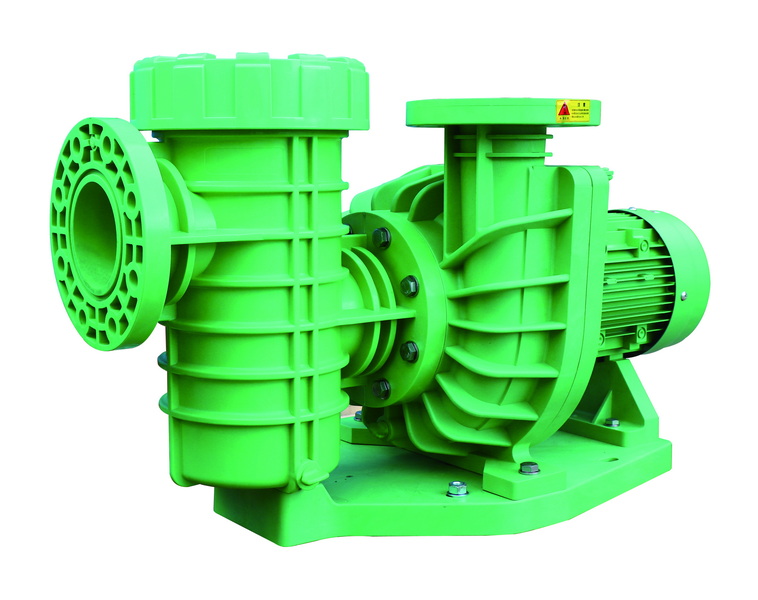
Working around water and electricity requires strict safety precautions. Never touch the pump or open the motor wiring compartment until you are sure power is completely disconnected and verified with a tester.[8][5]
- Turn off the circuit breaker supplying the pool pump and lock or tag it out if possible.[4][2]
- Use a non‑contact voltage tester or multimeter to confirm there is no power at the pump before touching any wires.[5]
- Wear safety glasses, insulated gloves, and closed‑toe shoes to protect against debris and electrical risk.[2]
You should also ensure the area around the equipment pad is dry and stable so you can move safely and set removed parts on a clean surface.[3][4]
Having the right tools ready will make removing the motor faster and safer.[6][2]
- Screwdrivers (flathead and Phillips) for covers and terminal screws.[3][2]
- Wrenches or sockets (often 7/16" and 9/16") to loosen motor mounting bolts and pump housing fasteners.[6][2]
- Adjustable wrench or strap wrench for impeller removal if you plan to rebuild or inspect the wet end.[2]
- Non‑contact voltage tester or multimeter to verify power is off.[4][5]
- Marker and masking tape to label wires for easy reconnection later.[1][3]
- Bucket or towels to handle any residual water and keep the work area clean.[3]
For installations with unions on the plumbing, a large slip‑joint or pipe wrench may help if the unions are tight or stuck.[4][3]
The first and most critical step is to disconnect electrical power.[5][2]
1. Locate the correct breaker in the electrical panel that feeds the pool pump and switch it to OFF.[2][4]
2. If there is a local disconnect box near the pump, turn it off as well for an extra safety layer.[9][5]
3. Use a non‑contact voltage tester at the motor wiring compartment or disconnect box to ensure there is no live voltage present.[5]
Only when the tester indicates zero voltage should you proceed to opening the motor wiring compartment or touching any conductors.[5]
Removing the motor is easier and cleaner if pressure is released and excess water is drained.[3][4]
- Turn off any valves to isolate the pump if your system has them, then open the pump lid slowly to relieve trapped pressure.[3]
- Remove the pump drain plugs (usually located at the bottom of the pump housing) to let water escape.[10][3]
- Allow a few minutes for water to drain, using towels or a bucket to catch any runoff around the equipment pad.[3]
This step reduces the chance of water spilling onto electrical connections or the work area when you separate the motor from the housing.[4][3]
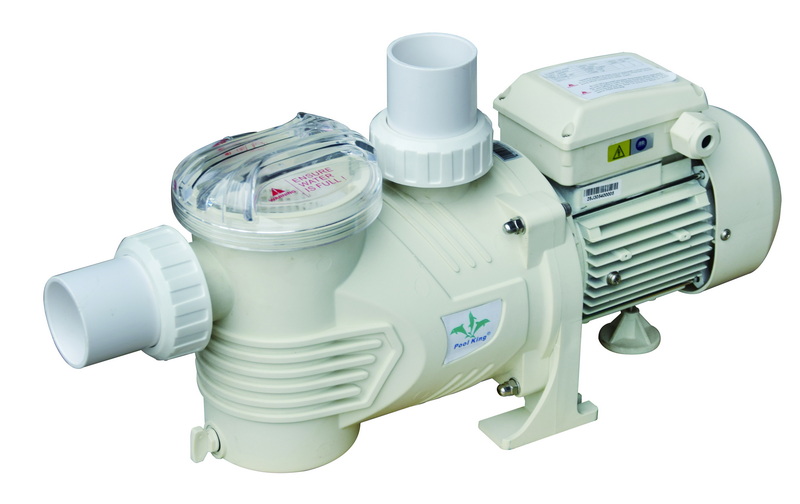
With power confirmed off and the pump drained, you can safely disconnect wiring at the motor.[2][3]
1. Remove the small rear cover plate or end cap on the motor to access the terminal board and ground connection.[11][3]
2. Before loosening anything, label each wire (hot, neutral, ground) using tape and a marker or take a clear photo for reference.[1][2]
3. Loosen the terminal screws for the power leads and the green ground screw, and gently pull the wires free.[4][3]
4. Loosen the conduit connector nut on the outside of the motor and carefully pull the wiring out of the motor housing.[3]
Once the wires are removed, cap the conductors with wire nuts and wrap them with electrical tape to protect them from moisture until the new motor is installed.[4][3]
The motor is connected to the pump's wet end (housing, diffuser, impeller) with bolts or a clamp band depending on the pump model.[6][1]
- Many pumps use 4–6 bolts or screws around the seal plate that hold the motor to the pump housing; remove these with the appropriate socket or wrench.[1][6]
- Other designs use a large clamp band; loosen the clamp bolt and remove the band to separate the two halves.[12][3]
- Once hardware is removed, gently pull the motor straight back away from the pump housing to disengage the shaft from the impeller and seal assembly.[1][3]
Set the pump housing and plumbing side down on the equipment pad while you move the motor assembly to a bench or flat surface for further work.[10][6]
If you are only removing the motor to replace it with a new one, you must transfer the wet‑end parts such as the impeller and seal plate.[1][2]
1. Remove the diffuser (a plastic shroud over the impeller) if present; this usually pulls off or is held by a few screws.[6][2]
2. Hold the motor shaft from the rear using a wrench on the exposed shaft or a specialized tool to keep it from turning.[2]
3. Unscrew the impeller from the shaft; some models include a reverse‑thread locking screw that must be removed first.[6][2]
Once the impeller is off, remove the seal plate and mechanical seal if you plan to rebuild the pump or change the shaft seal at the same time. This stage is also ideal for inspecting parts for wear, cracks, or scale buildup.[10][6][1][2]
At this point, the motor assembly can be fully removed from the pump system.[4][3]
- Lift the motor with both hands, keeping it level to avoid dropping small components like the diffuser or seal plate.[3]
- Place it on a dry, stable workbench or in a protected area if you are transporting it for repair or replacement.[10][3]
- Cover exposed openings with plastic or a cloth to keep dust and moisture away from internal components while it is out of service.[3]
If you are removing the motor for seasonal storage, keep all hardware (bolts, clamps, drain plugs) in a labeled bag so reassembly is straightforward when the season begins again.[3]
Pool pump motors operate on high voltage and are often integrated into more complex systems with automation and safety devices.[8][5]
- If the electrical connections are corroded, unclear, or not labeled, or if local codes require licensed electricians for pool equipment work, professional help is strongly advised.[9][5]
- Strange wiring configurations, unfamiliar control panels, or uncertainty about bonding and grounding should all be handled by a qualified technician.[8][5]
A pro can also recommend whether a failing motor should be replaced with a more efficient variable‑speed unit, which can significantly reduce energy consumption and operating costs.[11][2]
Correctly removing the motor prevents damage to other components and avoids leaks when the system is reassembled.[1][2]
- Careful separation of the seal plate and impeller helps preserve the sealing surfaces, reducing the risk of future drips at the pump housing.[2][1]
- Documenting wiring connections and hardware placement ensures the new motor runs in the right direction, at the correct voltage, and without strain on the plumbing.[1][4]
Good removal practices also make it easier to upgrade to higher‑efficiency motors and to add better filtration or automation in the future, as the system stays clean and well‑organized.[2][4]
For pool professionals, distributors, and brands that need reliable filtration and circulation equipment, partnering with a dedicated OEM manufacturer brings significant advantages.[13][4]
- A specialized factory can supply high‑performance sand filters, DE filters, cartridge filters, energy‑efficient pumps, and LED pool lighting tailored to regional standards and branding requirements.[13][4]
- OEM and private‑label services allow overseas brands and wholesalers to customize housing colors, logos, technical labels, and packaging while relying on established engineering and automated production lines.[13][4]
With strong OEM support, international partners can focus on sales and service while offering complete, matched systems that include filters, pumps, and accessories designed to work together for long‑term reliability.[13][4]
Removing a pool pump motor follows a clear, repeatable process: shut off and verify power, relieve pressure and drain the pump, disconnect wiring, separate the motor from the housing, and safely lift it away for service or replacement. When done carefully with labeled wiring, appropriate tools, and attention to seals and hardware, the job can extend the life of the entire circulation system and prepare the way for a quieter, more efficient motor.[1][2][3]
For overseas brands, wholesalers, and pool equipment manufacturers looking to upgrade product lines or develop private‑label systems, partnering with an experienced OEM factory for sand filters, DE and cartridge filters, pumps, LED lights, and accessories is an effective way to deliver dependable, high‑value pool solutions to end customers worldwide.[13][4]
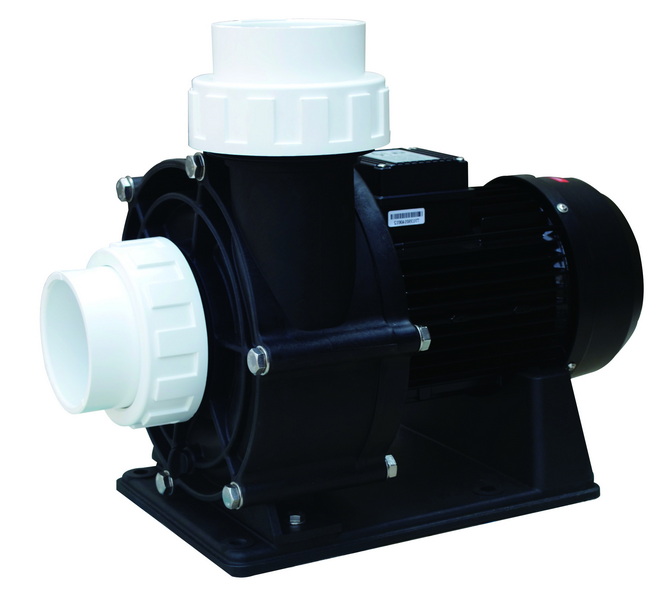
For most residential systems, an experienced DIYer can remove a pool pump motor in about 30–60 minutes, assuming all bolts and unions are accessible and not heavily corroded. Extra time may be needed if the plumbing lacks unions or if the motor is tightly rusted to the seal plate.[10][6][1][3]
No, you do not need to drain the pool; you only need to relieve pressure and drain the pump housing via its drain plugs. The pool's water level can remain normal as long as valves are properly set and the pump is isolated while you work.[10][3]
In many cases you can reuse the impeller and seal plate if they are in good condition, but most professionals recommend installing a new shaft seal kit whenever a motor is replaced. Replacing seals at the same time reduces the risk of leaks that could damage the new motor bearings or create air leaks in the system.[10][2]
Working without a voltage tester is not recommended, because breakers and labels can be wrong or mis‑wired. A simple non‑contact tester or multimeter is inexpensive and provides confirmation that the circuit is truly de‑energized before touching any conductors.[14][5]
If the pump housing, lid, and unions are brittle, cracked, or outdated, or if you want to change flow characteristics or plumbing layout, replacing the entire pump may be better than changing only the motor. However, when the wet end is in good condition, changing only the motor plus seals is usually more economical and creates less plumbing work.[6][4][2]
Yes, many existing pumps can be upgraded by replacing a failed single‑speed motor with a compatible variable‑speed motor while reusing the same wet end. This upgrade often pays for itself through lower energy consumption and quieter operation, especially on pools that circulate water many hours per day.[11][2]
[1](https://poolie.com/blog/repair/pool-pump-motor-repair/)
[2](https://lesliespool.com/blog/how-to-replace-a-pool-pump-motor.html)
[3](https://intheswim.com/blog/removing-a-pool-pump-for-winter-storage.html)
[4](https://www.lowes.com/n/how-to/how-to-replace-a-pool-pump)
[5](https://www.youtube.com/watch?v=z4PfYmBc1AM)
[6](https://www.poolmarttx.com/post/guide-to-replace-your-swimming-pool-pump-motor--a-step-by-step-guide)
[7](https://www.reddit.com/r/pools/comments/17e0vhf/replacing_pool_pump_motor/)
[8](https://intheswim.com/eguides/main-drain-safety.html)
[9](https://forums.mikeholt.com/threads/pool-pump-disconnect.143481/)
[10](https://www.inyopools.com/HowToPage/how-to-replace-an-above-ground-pool-pump-motor.aspx?CommentPage=1)
[11](https://www.youtube.com/watch?v=N3Vs9mpzFlY)
[12](https://www.youtube.com/watch?v=J7BVkIp4l_Q)
[13](https://www.poolsupply4less.com/SR-500-Stingl-Switch-Vacuum-Release-System-p/sr-500.htm)
[14](https://www.reddit.com/r/HVAC/comments/x7rfaz/someone_hooked_a_pool_pump_to_the_condenser/)
[15](https://www.youtube.com/watch?v=1fL3wYkUsOE)
[16](https://www.inyopools.com/HowToPage/how_to_replace_the_motor_on_your_pool_pump.aspx?CommentPage=1)
[17](https://www.reddit.com/r/swimmingpools/comments/9uq5ba/is_replacing_a_pool_motor_easy_or_should_i_get/)
[18](https://www.facebook.com/groups/296272747718038/posts/989481238397182/)
[19](https://www.youtube.com/watch?v=r84rVu8Eako)


