
Views: 222 Author: Tina Publish Time: 2025-12-02 Origin: Site


Content Menu
● How to Remove a Corroded Pool Ladder
● Safety First Before Ladder Removal
● Tools and Materials You Will Need
● Inspecting the Corroded Ladder and Anchors
● Step‑by‑Step: Removing a Corroded Pool Ladder
>> Step 1 – Clear and Stabilize the Area
>> Step 2 – Apply Penetrating Oil and Let It Work
>> Step 3 – Lift, Wiggle and Rock the Ladder
>> Step 4 – Use Wedges, Pry Bars or Jacks for Stubborn Ladders
>> Step 5 – Carefully Apply Heat (Advanced)
>> Step 6 – Cutting the Ladder as a Last Resort
● Cleaning and Treating the Ladder After Removal
● Preventing Future Corrosion and Stuck Ladders
● When to Replace the Ladder Instead of Repairing
● FAQs About Removing a Corroded Pool Ladder
>> 1. Why is my pool ladder so hard to remove?
>> 2. Is it safe to use a torch on a pool ladder anchor?
>> 3. Can I repair a rusted ladder or should I buy a new one?
>> 4. How can I stop a new ladder from getting stuck again?
>> 5. What if the ladder still won't move after oil, rocking and prying?
How to remove a corroded pool ladder safely starts with protecting yourself, loosening corrosion with the right chemicals and tools, and only then applying controlled force or cutting as a last resort. Done correctly, this prevents damage to your pool deck and anchors while keeping swimmers safe from sharp metal and unstable rails.[1][2][3]
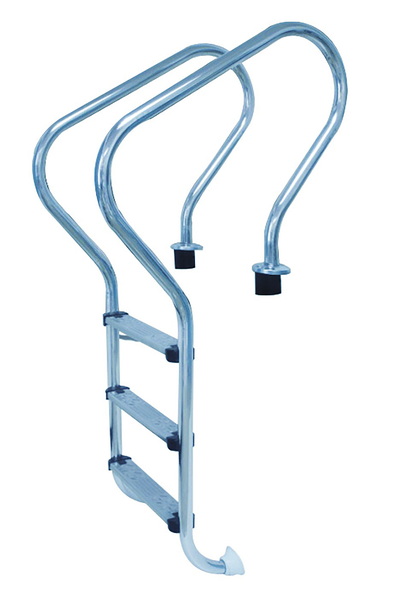
Corroded or seized pool ladders are usually stuck because rust, mineral scale, or galvanic corrosion have locked the ladder legs into the anchors. With preparation, patience and the correct tools, most homeowners can remove a corroded ladder without breaking the deck or anchor sockets.[4][3][1]
Working around corroded metal and tight anchors can be hazardous, so safety must come first. Corroded parts can snap unexpectedly, and cutting tools or heat can damage the pool shell or decking if used carelessly.[3][1]
- Wear gloves, safety glasses and non‑slip footwear to protect from sharp rust, debris and slips.[1]
- Keep children and pets away from the pool area while you are working.[1]
- Turn off pumps and electrical equipment near the work zone to reduce electrical and circulation risks.[5][1]
- If you plan to use heat or cutting tools, remove flammable materials and have a hose or extinguisher ready.[3][1]
Having the right equipment ready makes the removal smoother and reduces the chance of damaging the anchor sockets or deck.[6][1]
- Penetrating oil or corrosion loosener designed for metal fasteners.[7][1]
- Rubber mallet, dead‑blow hammer or light hammer for tapping.[6][1]
- Adjustable wrench or socket set for bolts and nuts if present.[6][1]
- Plastic or wooden wedges and a pry bar or large screwdriver.[1]
- Wire brush and sandpaper for removing rust and mineral buildup.[2][1]
- Heat gun or small propane torch (optional, advanced users only).[7][1]
- Cutting tools if necessary: hacksaw or angle grinder, plus metal file.[7][3]
- Rust remover or scale remover for stainless steel after removal.[8][2]
A short visual inspection helps you understand why the ladder is stuck and which techniques will work best.[2][1]
- Check where the ladder is seized: at the legs in the anchor sockets, at bolts, or at locking wedges and pins.[9][1]
- Look for heavy rust, white or off‑white scale, or pitting around the waterline and inside the sockets.[2][1]
- Identify the ladder type: stainless steel rails in deck anchors, above‑ground ladder attached to the wall, or removable frame ladder.[6][1]
Galvanic corrosion may appear as severe pitting or discoloration where dissimilar metals meet, such as stainless rails in non‑stainless anchors.[5][8]
Before trying to move the ladder, clear space around the work area and stabilize the ladder.[6][1]
- Remove pool toys, furniture and obstacles from the deck.[6]
- If possible, lower the water level slightly below the anchor sockets to expose more of the leg.[6]
- Use a rope or strap to secure the ladder to a railing or post so it cannot suddenly fall or twist.[1]
Penetrating oil is critical for loosening rust and breaking the bond between the ladder legs and anchors.[7][1]
- Spray penetrating oil generously around each ladder leg where it enters the anchor socket and around any visible fasteners.[1]
- Allow the oil to soak for at least 30 minutes; for severe corrosion, multiple applications over several hours or days are often needed.[7][1]
- Lightly tap the side of each leg near the socket with a rubber mallet to help the oil work deeper into the corrosion.[1]
Once the oil has had time to penetrate, you can start trying to move the ladder gradually.[9][1]
- Stand on the deck, grasp both rails firmly, and gently lift while rocking the ladder front‑to‑back and side‑to‑side.[1]
- If you feel slight movement, continue with small, controlled motions instead of large yanks that might crack the deck.[3][1]
- A helper can gently tap the anchor area with a mallet or use a pry bar under the bottom rail to add upward pressure while you rock.[9][1]
When simple rocking is not enough, carefully adding leverage can free a badly corroded ladder.[7][1]
- Insert plastic or wooden wedges between the bottom rail and the deck to create a slight upward lift.[1]
- Use a pry bar or large screwdriver against a wood block to gently lift under the rail while continuing to rock and twist.[3][1]
- Some owners use a small jack under the rail to apply steady upward force after repeated penetrating oil applications.[7]
Never lever directly against tile or bare concrete edges without pads or blocks, as this can chip or crack the coping.[3][1]
Heat can expand the metal anchors slightly and help break corrosion bonds, but it must be used cautiously.[7][1]
- Use a heat gun or small propane torch to warm the anchor collar area evenly for a couple of minutes, avoiding any plastic trim.[1]
- After heating, cool quickly with water or a damp cloth, then attempt to twist and lift again while the metal contracts.[7][1]
- Keep open flames away from chemicals and always protect surrounding surfaces from scorch marks.[1]
If you are uncomfortable using heat, skip this step and consider professional help.[1]
If the ladder is dangerously corroded or completely fused into the anchors, cutting may be the safest long‑term option.[3][7]
- Use a hacksaw or angle grinder to cut the rails close to the deck surface if the ladder cannot be freed.[3]
- After cutting, carefully extract the remaining leg pieces from the anchors using more oil, prying, or drilling if necessary.[3][7]
- File or grind any sharp remaining metal flush with the deck and cover unused anchors with caps or fill them according to local codes.[3]
At this stage, most owners choose to replace the ladder with a new corrosion‑resistant model and, if needed, new stainless anchors.[10][8]
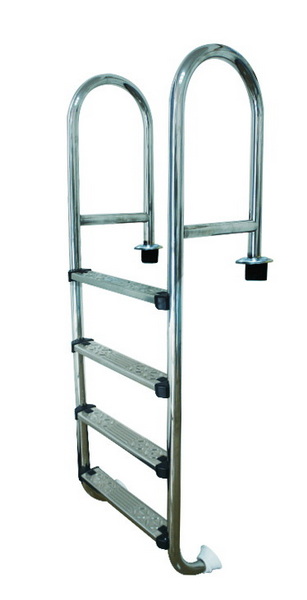
If the ladder is still structurally sound, you may want to restore and reuse it instead of discarding it.[8][2]
- Scrub the rails and steps with a non‑abrasive cleaner, mild detergent and a soft brush to remove grime and light scale.[11][2]
- For rust spots, use a stainless‑safe rust remover or gel; avoid bleach, which accelerates corrosion on stainless steel.[8][2]
- After cleaning, rinse thoroughly with fresh water and dry completely with a soft cloth to prevent new spots.[11][2]
A stainless steel polish or protective coating can restore shine and add an extra corrosion barrier.[11][8]
Once you have done the hard work of removing a corroded ladder, prevention becomes far easier and cheaper than repeating the process.[8][1]
- Maintain balanced water chemistry, especially pH and sanitizer levels, to reduce aggressive corrosion conditions.[12][4]
- Clean ladders regularly during the swimming season to remove body oils, scale and early rust spots.[2][11]
- Use 316‑grade stainless steel ladders and matching stainless anchors where possible, especially in saltwater or high‑chlorine environments.[10][8]
- Inspect bolts, anchor wedges and bonding connections at least once per season to catch galvanic corrosion early.[5][8]
If you close the pool for winter, remove the ladder whenever possible, lubricate metal contact points and store it dry to avoid “freeze‑seize” corrosion.[13][6]
Sometimes the safest option is to discard an old ladder and invest in a high‑quality replacement.[2][8]
- Replace the ladder if rails or steps show deep pitting, cracks, severe rust, or thinning metal that could fail under load.[8][2]
- If anchors are badly damaged or the corrosion repeatedly returns, upgrading both ladders and anchors to compatible stainless components helps prevent galvanic issues.[10][5]
- Commercial pools or rental properties should err on the side of caution to reduce liability and protect swimmers.[12][5]
As a professional Chinese manufacturer of premium sand filters, pool pumps, LED lights and accessories, your brand can pair new safety‑focused ladders with complete filtration and circulation solutions for overseas OEM clients.
Removing a corroded pool ladder is a methodical process: protect yourself, soak the anchors with penetrating oil, patiently rock and lift the ladder, and only then escalate to leverage, heat or cutting if needed. Once the ladder is out, cleaning, water‑chemistry control and upgraded stainless components help ensure that your new or restored ladder stays safe, shiny and easy to remove for many seasons to come.[4][8][2][7][3][1]
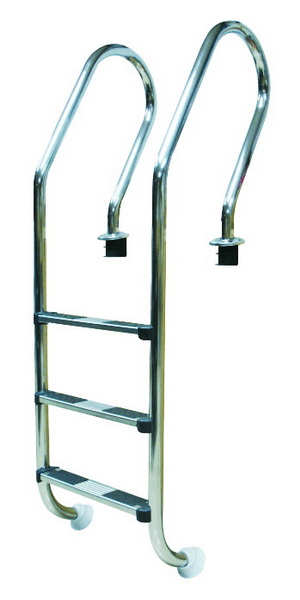
Corrosion, mineral scale and galvanic reactions between dissimilar metals can lock the ladder legs tightly inside the anchors over time. Poor water balance, neglected cleaning and leaving the ladder in place year‑round all accelerate this process.[4][12][5][2][1]
Using a propane torch or heat gun can help break corrosion bonds, but it must be done cautiously and only on metal components away from plastics and flammable materials. Excessive heat can damage deck materials or nearby sealants, so many homeowners prefer to rely on penetrating oil, leverage and professional help instead.[7][3][1]
Light surface rust can often be removed with stainless‑safe rust removers and then protected with polish, allowing continued safe use. Deep pitting, structural weakness or widespread rust usually means the ladder should be replaced, especially in commercial or heavily used pools.[2][8]
Regular cleaning, balanced water chemistry and seasonal removal during winter are the most effective ways to prevent seizing. Choosing 316‑grade stainless steel ladders and compatible stainless anchors, plus checking bonding and grounding, also reduces galvanic corrosion risk.[4][5][10][8][2][6]
If the ladder remains completely immobile after repeated penetrating oil treatments, gentle rocking and careful leverage, corrosion is likely severe inside the anchors. At that point, cutting the rails and extracting or replacing the anchor assemblies—or calling a pool professional—is usually the safest and most time‑efficient solution.[3][7][1]
[1](https://www.poolkingfilter.com/how-to-remove-a-stuck-pool-ladder.html)
[2](https://www.mavaquadoc.com/blogs/pool-maintenance-blog/what-is-the-best-way-to-clean-pool-ladders)
[3](https://www.poolspaforum.com/forum/index.php?%2Ftopic%2F13349-closing-the-pool-cant-get-the-ladder-out%2F)
[4](https://blog.orendatech.com/understanding-metal-corrosion-in-pools)
[5](https://www.enviroswim.com/2023/09/25/understanding-and-addressing-galvanic-corrosion-in-swimming-pools/)
[6](https://blog.watsons.com/blog/remove-above-ground-pool-ladder)
[7](https://www.reddit.com/r/pools/comments/1p5vbob/sawing_off_stuck_pool_ladder/)
[8](https://www.poolkingfilter.com/how-to-remove-rust-from-stainless-steel-pool-ladder.html)
[9](https://www.youtube.com/watch?v=pDNE-Tw9q0Y)
[10](https://www.srsmith.com/en-us/products/parts-and-accessories/4-316-stainless-steel-commercial-wedge-anchor-1-90-od/)
[11](https://www.srsmith.com/en-us/blog/archive/how-to-clean-your-pool-ladders-rails/)
[12](https://blog.chloramineconsulting.com/metal-corrosion-in-indoor-pools)
[13](https://www.youtube.com/watch?v=jHL7mH-UdwA)
[14](https://www.youtube.com/watch?v=O09H6tW9WAk)
[15](https://www.youtube.com/watch?v=4JtT3B246oA)
[16](https://www.reddit.com/r/pools/comments/1fmwm9l/how_to_repair_a_rusted_intex_pool_ladder/)
[17](https://www.facebook.com/groups/949201185854730/posts/1859552948152878/)
[18](https://prosoco.com/galvanic-corrosion-in-mechanical-anchors/)
[19](https://www.facebook.com/groups/637529959937311/posts/2241217456235212/)
[20](https://forums.sailboatowners.com/threads/rust-remove-from-swim-ladder.1249927180/)


