
Views: 222 Author: Tina Publish Time: 2025-12-25 Origin: Site


Content Menu
● What does “priming a Pentair pool pump” mean?
● When you should prime your Pentair pump
● Step‑by‑step: how to prime a Pentair pool pump
>> Step 1: Shut everything off and set valves
>> Step 2: Check pool water level and visible leaks
>> Step 3: Open pump lid and clean the basket
>> Step 4: Inspect and lubricate the lid O‑ring
>> Step 5: Fill the pump housing with water
>> Step 6: Reseal the lid and open air relief
>> Step 7: Start the pump and watch for prime
>> Step 8: Fine‑tune valves and filter setting
● Troubleshooting: Pentair pump still not priming
● Frequently asked questions (FAQ)
>> 1. How long should it take to prime a Pentair pool pump?
>> 2. Is it safe to run a Pentair pump if it is not fully primed?
>> 3. Why does my Pentair pump lose prime overnight?
>> 4. What filter settings are best when priming a pump?
>> 5. How does a dirty sand or cartridge filter affect priming?
>> 6. Do I need to reprime after cleaning the pump basket?
How to prime a Pentair pool pump correctly keeps the motor from running dry, protects the seals, and ensures strong circulation for a clean, safe pool. Following a clear step‑by‑step process and checking for air leaks or low water level will solve most Pentair pump priming problems.[1][2][3]
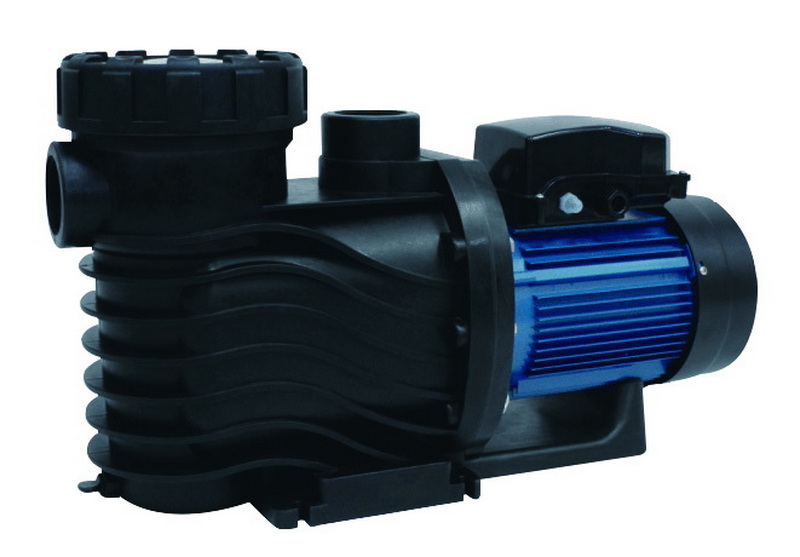
Priming a Pentair pool pump means filling the pump housing and suction line with water so the impeller can create suction instead of pulling air. If the housing is full of air, the pump will run dry, overheat, and may melt seals or damage plumbing within minutes.[4][2][1]
When the pump is properly primed, you will see a solid, air‑free column of water in the pump lid window and a strong, steady stream at the pool returns. Bubbles in the lid or at the return jets usually indicate trapped air or a suction‑side leak.[2][3][1]
There are several situations where a Pentair pump must be re‑primed before normal use.[1][2]
- After opening the pool for the season or after a long shutdown.[5][2]
- After cleaning or changing filter media (sand, cartridge, DE) or opening plumbing for service.[5][1]
- Any time the pump has run dry, lost flow, or the basket is visibly full of air rather than water.[3][1]
- After lowering the water level for winterizing or heavy vacuuming to waste.[6][2]
Ignoring priming needs can cause overheating, noisy operation, and rapid wear of the mechanical seal and bearings. Regularly checking that the pump stays full of water during startup is an easy preventive habit.[4][1][5]
Below is a general, practical procedure suitable for most Pentair inground pumps connected to sand, cartridge, or DE filters. Always confirm details with the specific Pentair manual for your model.[2][1][5]
- Turn off power to the pump at the timer and at the breaker for safety.[1][2]
- Set the filter's multiport valve to “Recirculate” if available, which bypasses the filter media and makes priming easier.[4][2]
- Open suction valves for the easiest water path, usually skimmer first; if you have a main drain, you can start with main drain only and add skimmer once prime is established.[7][2]
Keeping plumbing as simple and open as possible helps water reach the pump quickly. Make sure all return‑side valves are fully open so water can flow back freely to the pool.[8][3][1]
- Verify the pool water is at least halfway up the skimmer opening so the skimmer does not suck air.[3][1]
- Inspect around the pump lid, unions, and 3‑way valves on the suction side for cracks, loose fittings, or worn gaskets, which are common air‑leak points.[9][10][1]
Low water level or suction‑side air leaks are among the most frequent causes of a pump that refuses to prime. Fixing these first saves time and protects the equipment.[10][3][1]
- Release any system pressure using the air‑relief valve on top of the filter, if equipped.[8][5]
- Remove the pump strainer lid by loosening the clamp or knobs and take out the basket.[8][2]
- Empty leaves, hair, and debris, then inspect the basket and lid for cracks and replace if damaged.[5][2][8]
A clean, intact basket ensures steady flow and prevents clogs at the impeller during priming. Debris left in the strainer can dramatically reduce suction or stall prime.[10][8][1]
- Examine the O‑ring on the pump lid for flat spots, cracks, or stretching.[2][8][5]
- Clean it and the groove, then apply a thin layer of silicone‑based pool lubricant, or replace the O‑ring if worn.[8][1][2]
A properly seated and lubricated O‑ring is critical for an airtight seal; even a small imperfection can pull air and prevent priming. Using petroleum‑based grease is not recommended because it can swell or damage rubber over time.[9][1][5][2]
- Reinstall the clean basket, making sure it sits correctly in its guide.[2][8]
- Insert a garden hose or pour several buckets to fill the pump basket and housing completely with water.[6][1][8]
- Top it off until water is nearly level with the bottom of the lid threads to push as much air out as possible.[1][8]
Filling the housing gives the impeller water to work with and helps purge air from the suction line during startup. In many cases, 2–3 gallons of water are sufficient to establish a strong prime.[6][4][1][2]
- Quickly place the lid back on, ensure the O‑ring stays in its groove, and tighten the clamp or knobs evenly.[8][1][2]
- Open the air‑relief valve on the filter so trapped air can escape once the pump starts pushing water.[5][8]
Tightening the lid promptly after filling keeps the housing full and prevents more air from entering. Opening the air‑relief valve avoids pressure spikes and helps the system fill with water smoothly.[1][5][2][8]
- Restore power at the breaker and turn on the pump.[2][1]
- Watch through the clear lid; water should begin to move and fill the housing within 30–90 seconds, with bubbles gradually disappearing.[4][1]
At the same time, observe the air‑relief valve on the filter: at first it will blow air, then a mix of air and water, and finally a solid stream of water, at which point you can close the valve. Once primed, check that the returns in the pool are pushing a strong, bubble‑free stream.[8][1][2]
- If you started on “Recirculate,” switch the multiport back to “Filter” only after the pump is off or according to the valve's instructions.[4][2]
- Slowly reopen additional suction lines (for example, skimmer plus main drain) while the pump is already primed, so you keep stable flow.[7][1]
Sudden valve changes can introduce air or temporarily starve the pump of water, so gradual adjustments are safer. After the system stabilizes, check the filter pressure gauge and compare it to the normal clean baseline.[3][1][8]
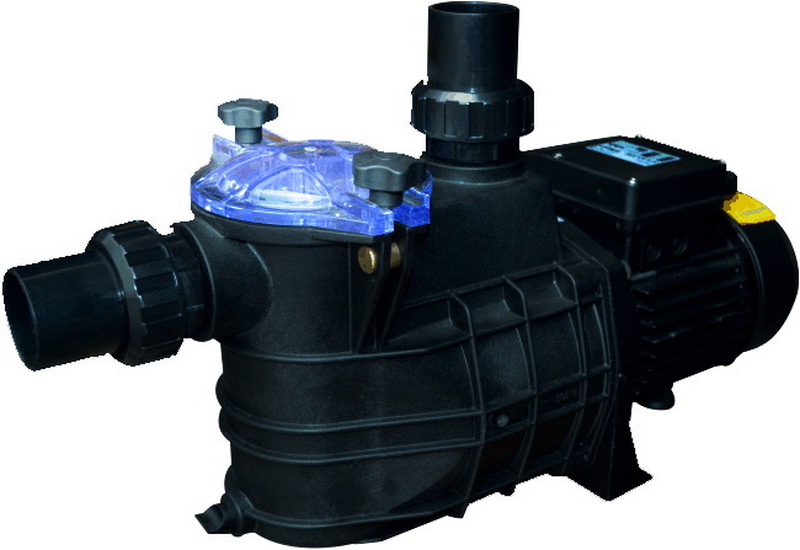
If your Pentair pump will not hold prime after several attempts, focus on the three most common problem areas: water level, air leaks, and blockages.[10][1]
- Low pool water level or skimmer weir stuck, allowing air to be sucked in.[3][1]
- Suction‑side air leaks at the pump lid, drain plugs, unions, or 3‑way valves, sometimes visible as water “squirting” out when the pump shuts off.[9][10][1]
- Clogged suction line or impeller due to debris, reducing flow so much that prime cannot be sustained.[10][3]
A filter pressure that is 8–10 PSI higher than normal after priming usually means the filter media is dirty, compacted, or the return line is partially blocked. Backwashing a sand or DE filter, or cleaning/replacing a cartridge, often restores normal pressure and flow.[1][8]
Priming a Pentair pool pump is essential to protect the motor and seals, ensure strong circulation, and keep pool water clear and healthy. By checking water level, eliminating suction‑side air leaks, filling the housing with water, and adjusting valves carefully, most priming issues can be solved in just a few minutes.[3][4][8][1][2]
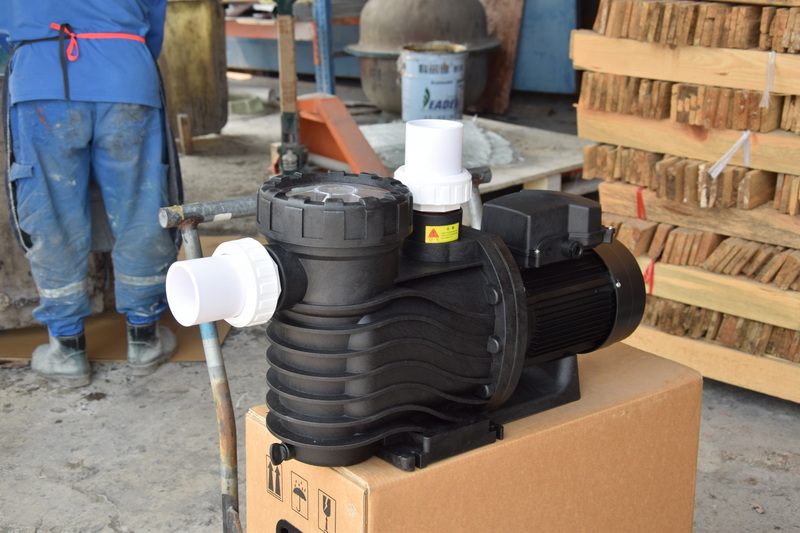
Most Pentair pumps should achieve full prime within 30–90 seconds of startup if the system is airtight and properly filled with water. If the pump is still mostly air after two minutes, shut it off and look for water level or air‑leak problems.[10][4][1]
Running a pool pump dry or mostly full of air can overheat the motor, damage the mechanical seal, and deform plastic parts inside the housing. The pump should be shut off immediately if you do not see water filling the basket and strong flow at the returns.[4][1][2]
Loss of prime while off usually points to a slow suction‑side air leak or a low pool water level that allows air into the system as water drains back. Inspect the lid O‑ring, drain plugs, unions, and valves, and ensure the water line stays at least halfway up the skimmer.[3][1][10]
If your multiport valve has a “Recirculate” position, using it bypasses the filter media and reduces backpressure, making priming easier. Once the pump is fully primed and running smoothly, you can shut it off and switch the valve back to “Filter” for normal operation.[8][2][4]
A very dirty or compacted filter can create high backpressure, which restricts flow and can prevent a marginally primed pump from stabilizing. Backwashing sand/DE filters or cleaning or replacing cartridges often lowers pressure and helps maintain a solid prime.[1][8]
Any time you open the pump lid, air can enter the housing, so you should refill the basket with water and follow the priming steps before restarting. This reduces startup stress and helps avoid short dry‑running periods that wear seals.[2][4][8][1]
[1](https://aquapoolsupply.com/blogs/news/how-to-prime-a-pentair-pool-pump-fix-high-pool-filter-pressure)
[2](https://www.youtube.com/watch?v=Fer5zc8TE-Q)
[3](https://www.sweepmypool.com/guides/pool-pump-troubleshooting/pentair/)
[4](https://www.youtube.com/watch?v=9JVApTiCQIg)
[5](https://lesliespool.com/blog/how-to-prime-a-pool-pump.html)
[6](https://www.thepoolfactory.com/blogs/equipment/how-to-prime-an-above-ground-pool-pump)
[7](https://poolbuilders.ltd/how-to-prime-your-pentair-pool-pump/)
[8](https://poolshop.com.au/blogs/pool-supplies-and-equipment/how-to-prime-a-pool-pump)
[9](https://www.youtube.com/watch?v=Tuwam0noLOY)
[10](https://bestpooladviser.com/blog/what-causes-a-pool-pump-not-to-prime-243a4946/)
[11](https://www.youtube.com/watch?v=hlz48dkxwAc)
[12](https://www.youtube.com/watch?v=ck8HxsO7neg)
[13](https://www.youtube.com/watch?v=cLwpXo9kNTA)
[14](https://www.youtube.com/watch?v=YztmTi68HXI)
[15](https://www.pentair.com/content/dam/extranet/nam/pentair-pool/residential/aboveground-systems/cristal-flo-2-abvg/manual/sandollar-cristalfloii-aboveground-manual-3lang.pdf)
[16](https://www.pentair.com/content/dam/extranet/nam/pentair-pool/residential/manuals/training/Sta-Rite%20Basic%20Training%20Manual.pdf)
[17](https://www.youtube.com/watch?v=PFuY0jGo8ts)
[18](https://www.reddit.com/r/pools/comments/mx0el5/priming_error_when_i_turn_on_quick_clean_for_my/)
[19](https://www.facebook.com/groups/637529959937311/posts/1121739641516338/)
[20](https://manuals.plus/qa/6218934/How-do-I-properly-prime-the-PENTAIR-Max-E-Pro-Pool-and-Spa-Pump)


