
Views: 222 Author: Tina Publish Time: 2026-01-24 Origin: Site


Content Menu
● Know Your Intex Pool Pump System
● Step 1: Choose the Right Location
● Step 2: Unbox and Check All Parts
● Step 3: Assemble the Intex Pool Pump and Filter
● Step 4: Connect Hoses Between Pool and Pump
● Step 5: Fill the Pool to the Correct Level
● Step 6: Prime and Start the Intex Pool Pump
● Step 7: Check for Leaks and Fine‑Tune
● Step 8: Set Daily Run Time and Basic Maintenance
● OEM and Upgrade Opportunities
● Extra Tips for Long‑Term Intex Pool Pump Performance
● FAQ – Intex Pool Pump Installation
>> 1. Why is my new Intex Pool pump not pumping water?
>> 2. Which hose goes where on my Intex Pool pump?
>> 3. How tight should I make the clamps and fittings on the Pool pump?
>> 4. Can I use a larger aftermarket Pool pump with my Intex pool?
>> 5. How many hours per day should the Intex Pool pump run?
>> 6. How often should I clean or change the filter on my Intex Pool pump?
>> 7. What should I do with my Intex Pool pump in winter?
Installing an Intex Pool pump correctly keeps your above ground pool water clean, protects the equipment, and makes daily maintenance much easier for the whole swimming season. As a professional OEM factory in China supplying premium sand filters, cartridge systems, DE filters, Pool pump products, LED lights, and accessories, this guide is designed to help homeowners install a typical Intex Pool pump step by step with clear, practical instructions. A correctly installed Intex Pool pump will circulate water efficiently through the filter, prevent algae growth, and reduce chemical consumption over time.
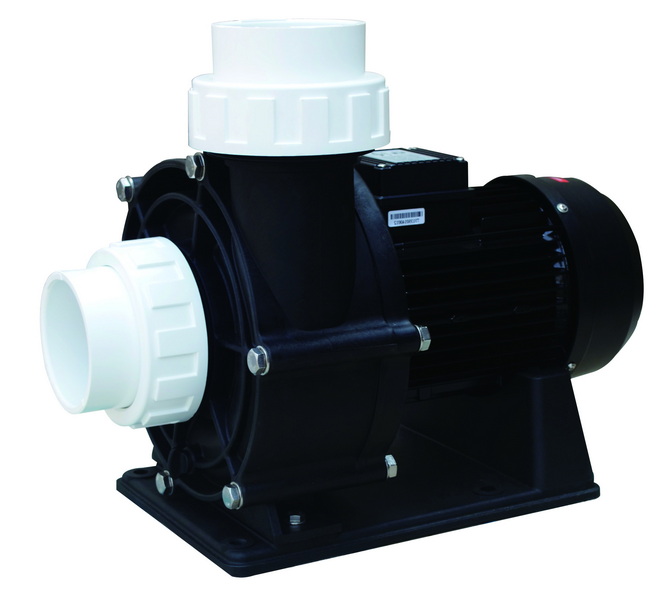
Before working on any Pool pump or filter system, always put safety first to protect both people and equipment. Electricity and water are a dangerous combination, so the basic precautions you take at the beginning will prevent accidents later.
- Turn off power at the outlet or breaker and make sure the Intex Pool pump plug is disconnected before touching hoses or the motor housing.
- Check that the pool is on level, compacted ground with a stable base, which prevents stress on the Pool pump hoses and fittings.
- Keep children and pets away from the Pool pump area during installation, and make sure hands are dry before plugging anything in.
- Use only grounded outlets and weather‑protected outdoor receptacles that match the voltage requirements of the Intex Pool pump.
- Never run an extension cord across walkways where someone might trip and pull the Pool pump into the water.
You should also read the manufacturer's safety labels and quick‑start sheet before beginning. Doing a simple safety walkthrough now will help the Pool pump run reliably and reduce service calls later.
Different Intex models share the same basic circulation concept: water leaves the pool, passes through the Pool pump and filter, and returns clean to the pool. Even if the details vary, understanding the flow path makes installation easier.
A cartridge Intex Pool pump uses a replaceable filter cartridge inside a plastic housing, while a sand filter Pool pump uses a sand‑filled tank with a multiport valve. Typical components include the Pool pump motor, strainer housing with clear lid and basket, inlet and outlet ports, hoses, clamps, o‑rings, and sometimes a 6‑way valve for sand filters. Larger sets may also include plunger valves, adapters, and a timer or basic control panel.
Correct placement of the Intex Pool pump is essential for performance, hose reach, and long‑term reliability. A well‑chosen location also makes the equipment pad look more professional and easier to maintain.
Position the Pool pump and filter on a flat, solid, non‑slip surface close enough that the standard hoses can reach both suction and return ports on the pool wall. Keep the Pool pump at or below water level when possible to help priming and avoid suction problems, while ensuring there is enough airflow around the motor for cooling. Avoid placing the Pool pump directly on loose soil or grass that can shift when wet.
You should place the Pool pump where rainwater will not flood the motor and where splashing from the pool will not constantly soak the electrical connections. Leave enough space around the Pool pump and filter tank so you can remove the lid, access the cartridge or sand, check the pressure gauge, and service the unit in the future. If you plan to hide the equipment later with a screen or enclosure, be sure the design will still allow ventilation and easy access.
Before installing the Intex Pool pump, confirm that all parts are present and undamaged. Missing or cracked parts will cause leaks or performance problems after you start the system.
Lay out the Pool pump body, filter housing, lid, cartridge or sand tank, hoses, clamps, seal rings, strainer connectors, inlet/outlet fittings, and any adapters that came with the kit. Compare what you see on the ground with the parts diagram in the manual. Inspect o‑rings and gaskets closely; a cracked or missing seal can cause leaks and make the Pool pump lose prime or pull in air.
If you already own other above ground pool equipment, this is also a good time to check compatibility and decide whether you will use the original hoses and fittings or upgrade to more durable parts.
For a cartridge‑style Intex Pool pump, assembly focuses on the filter housing and lid, while a sand filter Pool pump requires extra work to prepare the sand tank. Take your time with this step, because good sealing here prevents most early leaks.
For cartridge models, place the cartridge inside the filter housing, install the main o‑ring in the groove, set the cover on top, and tighten the housing collar. Install and snug the air‑release valve on the lid. Make sure the cartridge sits straight and that the Pool pump lid o‑ring is clean and lightly lubricated with a silicone‑based lube, not petroleum jelly.
For sand filter models, mount the tank on its base and attach the Pool pump motor unit. Install the 6‑way valve with its L‑shaped o‑ring, align the ports with the pump and pool hoses, then fill the tank with the specified grade and quantity of filter sand before sealing the valve. Pour sand slowly to avoid damaging laterals inside the tank and brush away any sand on the sealing surfaces before closing the top.
Make sure every threaded connection on the Pool pump is hand‑tight and then slightly snugged with the recommended tool, but avoid over‑tightening which can crack the plastic fittings. At this point, the Pool pump and filter assembly should sit solidly on the pad with all ports pointing toward the pool to simplify hose routing and reduce hose twisting.
Correct hose routing ensures that the Pool pump pulls from the intake(s) and returns filtered water properly to the pool. When hoses are reversed, the Pool pump may still run but the system will not filter correctly.
On many above ground pools, the upper wall port serves as the return and the lower port as the suction, so follow the labels or arrows on the Pool pump and pool fittings. The hose from the pool suction (skimmer or lower port) normally connects to the front of the Pool pump strainer housing, while the hose from the pump outlet runs to the “pump” port on a sand filter valve or directly to the return fitting on a cartridge system.
Slide clamps onto each hose end before pushing the hose fully over the barbed fittings, then position and tighten clamps firmly for a drip‑free seal. If hoses are stiff, soaking the ends briefly in warm water makes them more flexible and easier to fit on the Pool pump and pool ports. Make sure hoses are not kinked, pinched under the pool frame, or stretched too tight.
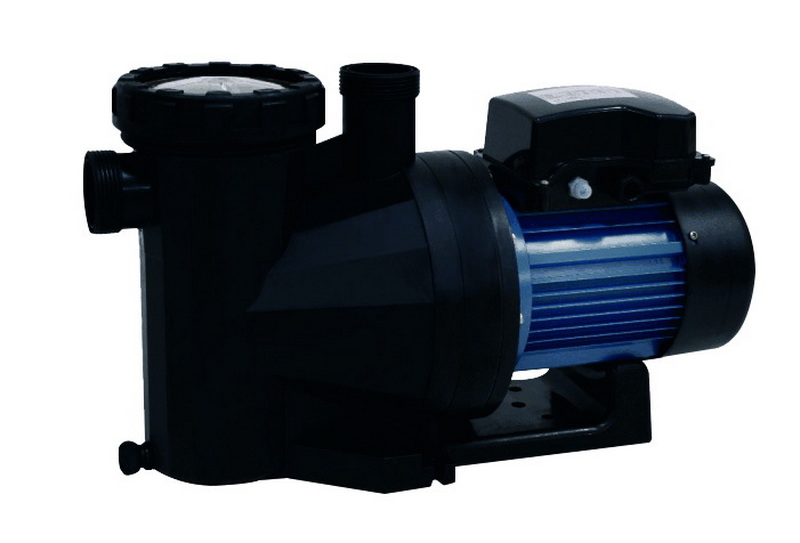
The water level has a direct impact on how easily the Intex Pool pump can operate without sucking air. If the water is too low, the Pool pump pulls in air and may run dry.
Fill the pool so that water sits at least halfway up the skimmer opening or above the centerline of the suction fittings before starting the Pool pump. Check around the inside of the pool wall that all strainer connectors, gaskets, and return jet fittings are tight and properly oriented while the water is rising.
A properly filled pool allows the Pool pump strainer basket to stay full of water, which helps the system prime quickly and maintain strong circulation. If the water level drops too low during use, the Pool pump can draw in air, lose prime, and overheat. Encouraging pool owners to visually check the water line daily is a simple way to protect the Pool pump and filter.
Before running at full speed, the Intex Pool pump must be primed so that water, not air, fills the strainer and filter housing. Proper priming reduces noise and improves performance.
Open any shut‑off or plunger valves between the pool and the Pool pump so water can flow freely into the strainer. Loosen the air‑release valve on top of the filter housing until water starts to escape, then close it. You should see the Pool pump strainer basket fill with water.
Plug in the Pool pump and press the power button. Watch for a steady stream of water returning to the pool and listen for the sound of air being pushed out of the system. If bubbles continue in the return jet or the Pool pump does not move water, turn it off, reopen the air‑release valve, and repeat the priming process until the housing stays full and the return jet is strong and smooth.
Once the Intex Pool pump is running, spend a few minutes walking around the system to catch early issues. Early leak detection saves water and protects the equipment pad.
Inspect every hose connection at the pool wall, Pool pump ports, and filter valve for drips or sprays, then tighten clamps slightly if any leaks appear. On sand filter systems, verify that the multiport handle is in the correct “filter” position and that the pressure gauge shows a stable, normal reading, not zero or extremely high.
A quick post‑start inspection prevents slow leaks that can waste water, lead to air being drawn into the Pool pump, or undermine filtration over time. It also confirms that the Pool pump, hoses, and filter are oriented correctly and not under strain or bending that could crack fittings later.
After installation, the real value of the Intex Pool pump comes from consistent daily use and simple care. A reliable circulation schedule keeps water clear and helps chemicals work effectively.
Most above ground pool owners run the Pool pump 6–10 hours per day in warm weather, adjusting based on bather load, sun exposure, and water clarity. Cooler seasons or lightly used pools may need less runtime, while heavily used pools or those in very sunny climates may need more. The goal is to turn over the full pool volume at least once or twice per day.
Regular tasks include rinsing or replacing cartridge filters, backwashing sand filters when pressure rises about 8–10 psi, and emptying the Pool pump strainer basket. Keeping a simple maintenance schedule helps the Pool pump maintain strong flow and keeps the water balanced and clear. Combine the Pool pump schedule with proper chlorination and water testing so the entire system works together efficiently.
Many owners eventually want stronger circulation or a more durable Pool pump and filter system, especially as they upgrade to larger above ground pools or add accessories like heaters and waterfalls. This creates opportunities for aftermarket packages and OEM solutions.
Upgrading from a small basic cartridge Intex Pool pump to a higher‑flow sand filter Pool pump improves dirt removal and reduces cartridge replacement frequency. Matching the Pool pump flow rate to the pool volume and plumbing size is essential for safe, efficient operation. Oversized pumps can cause too much suction at inlets, while undersized pumps struggle to maintain clarity.
OEM and private‑label Pool pump solutions from specialized factories allow brand owners and wholesalers to supply matched pumps, filters, LED lighting, and accessories tailored to specific markets and pool sizes. As an integrated filtration and Pool pump supplier, a manufacturer can design complete circulation packages with optimized hose sets, valves, and fittings, making installation easier for end users worldwide and raising brand value.
Beyond basic installation, a few extra habits will help the Pool pump last longer and keep the pool looking more professional.
- Keep the area around the Pool pump free of leaves, mulch, and debris so cooling vents do not clog.
- Check the Pool pump sound regularly; new rattling or grinding noises often signal debris in the impeller or failing bearings.
- In storm‑prone regions, consider elevating the Pool pump slightly on pavers or a small equipment pad to avoid minor flooding.
- During vacations, use a timer so the Pool pump keeps circulating water even when nobody is home to switch it on.
- For seasonal shutdowns, drain water from the Pool pump, filter, and hoses, then store removable parts according to the manual to avoid freeze damage.
You can also educate customers about upselling related accessories, such as leaf skimmers, test kits, and replacement cartridges or filter media, which all support the Pool pump's performance.
Installing an Intex Pool pump successfully is a matter of safe preparation, correct hose routing, careful priming, and thoughtful daily operation. When the Pool pump is mounted on a stable pad, connected leak‑free, and run on a consistent schedule, it becomes the heart of a clear, healthy above ground pool for the entire season. By understanding basic components, water level requirements, and routine maintenance, homeowners can avoid common mistakes like air leaks, low flow, and noisy operation. For pool brands, retailers, and OEM partners, offering complete, easy‑to‑install Pool pump packages and clear installation guides helps customers enjoy trouble‑free swimming and builds long‑term loyalty to your products.
Contact us to get more information!
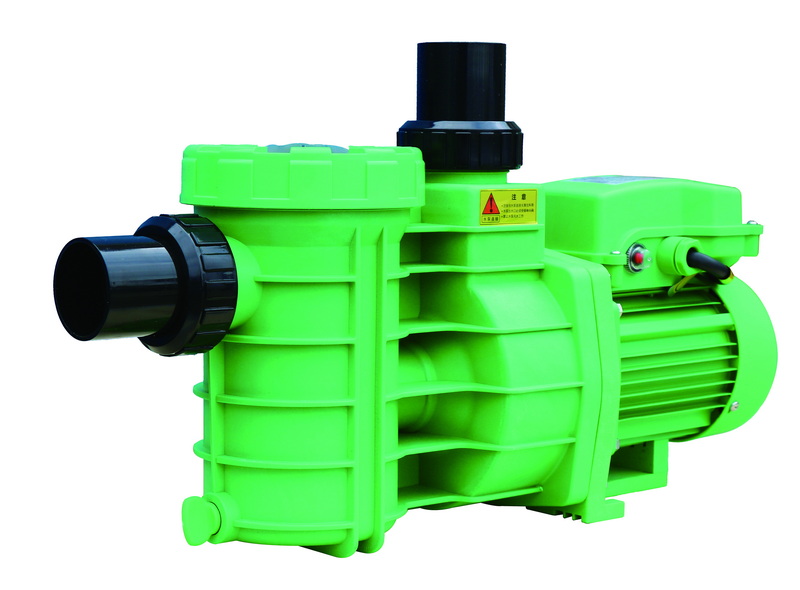
A new Intex Pool pump usually fails to move water because it is not fully primed, a valve is closed, or the water level is too low for the suction fittings. Check that all plunger valves are open, the pool is filled to the correct level, and that you have opened the air‑release valve until water appears before restarting the Pool pump. If the Pool pump still does not move water, inspect hoses for air leaks and confirm that the impeller area is not blocked by debris.
On most setups, the hose from the lower pool wall fitting or skimmer connects to the front of the Pool pump strainer housing as the suction line. The hose from the Pool pump outlet then goes to the “pump” port on a sand filter or directly to the upper return fitting on a cartridge system, returning filtered water to the pool. Always follow the flow arrows molded into the Pool pump body and filter valve to avoid reversing the direction.
Clamps on the Pool pump hoses should be snug enough that the hose cannot twist or leak, but not so tight that the plastic barbs are crushed or deformed. Threaded fittings on the Pool pump, filter, and valves should be firmly hand‑tight and then slightly tightened with a tool if recommended, without forcing them past resistance. After the first day of operation, recheck all connections in case hoses have settled and need a small adjustment.
Many pool owners upgrade to a larger aftermarket Pool pump or sand filter system to improve circulation, but it is important to match flow rate to pool volume and plumbing size. Oversizing a Pool pump can cause excessive suction at inlets and might stress the liner or fittings, while a properly matched OEM or private‑label system provides stronger, yet safe, performance for the pool. When in doubt, follow the pool manufacturer's recommendations or consult a professional before installing a more powerful Pool pump.
A common starting point is to run the Intex Pool pump long enough to turn over the entire pool volume at least once or twice per day, often 6–10 hours in warm weather. Adjust the Pool pump schedule based on water clarity, bather load, and chemical balance, adding more runtime during heavy use or hot, sunny periods. If the water starts looking cloudy, instead of adding only chemicals, first increase the Pool pump run time and check the filter condition.
For cartridge Intex Pool pump systems, many owners rinse the cartridge weekly and replace it every few weeks to every couple of months, depending on pool usage and debris load. For sand filter Pool pump systems, backwash when the pressure gauge shows a rise of about 8–10 psi over the clean starting pressure. Keeping the filter media in good condition allows the Pool pump to move water more efficiently and reduces stress on the motor.
In cold climates where pools are closed, the Intex Pool pump should be drained, disconnected, and stored in a dry, frost‑free location. Remove drain plugs on the Pool pump and filter, empty water from hoses, and follow the manufacturer's winterizing instructions for your specific model. Proper winter storage protects the Pool pump from freeze damage and extends its service life.
1. https://poolonomics.com/intex-pool-pump-setup/
2. https://ownthepool.com/intex-pool-pump-setup/
3. https://www.thepoolfactory.com/blogs/installation-tips/how-to-connect-hoses-to-your-sand-filter
4. https://www.youtube.com/watch?v=D7bVdsO_Dwg
5. https://www.youtube.com/watch?v=5kZoI73LTfg
6. https://www.youtube.com/watch?v=69atemJSmZw
7. https://www.youtube.com/watch?v=4UJ6qY7TJmk
8. https://www.youtube.com/watch?v=9OguqLYoEHE
9. https://intexwetset.co.uk/wp-content/uploads/sites/2/2019/04/26644-SF90220-1-1-1.pdf
10. https://www.intex.co.il/sysvault/docsfiles2/cdfb2a7679-066c-4604-a756-77f3aff0a6ba.pdf


