
Views: 222 Author: Tina Publish Time: 2025-11-16 Origin: Site


Content Menu
● Step-by-Step Hayward Pool Pump Installation
● Troubleshooting Common Issues
>> 1. Which Hayward pump model is best for my pool size?
>> 2. How often should I clean the pump basket?
>> 3. Can I install a Hayward pump myself, or do I need a professional?
>> 4. Why is my Hayward pump noisy after installation?
>> 5. What warranty comes with Hayward pool pumps?
A pool pump is the heart of every swimming pool filtration system, circulating water and keeping your pool clean and clear. Hayward pool pumps are renowned for their durability and energy efficiency, making them popular among homeowners, brand owners, and commercial facilities. Installing your pump correctly ensures long-lasting performance while minimizing operational issues.
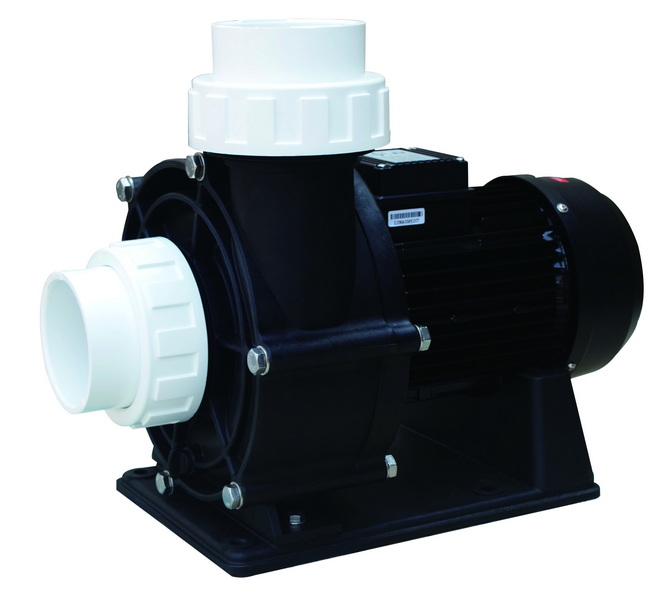
Before you begin, gather the following essential tools:
- Hayward pool pump (model appropriate for your pool)
- PVC piping (1.5" or 2", depending on your system)
- PVC primer and cement
- Screwdrivers (Phillips and flathead)
- Adjustable wrench
- Teflon tape
- Utility knife
- Level
- Electrical wire (if wiring new pump)
- Electrical tape
- Safety gloves & eyewear
Proper preparation saves time and prevents mistakes. Begin by shutting off all power to the pool equipment area at the circuit breaker to prevent electrical hazards.
- Check your local building codes for pool pump installation requirements.
- Locate the optimal equipment pad: a firm, level concrete slab or prepared ground, ideally below pool water level for easier priming.[2][3]
- Lay out your pump, filter, chlorinator, and heater (if applicable) to maximize access and minimize plumbing bends.
1. Place the Pump: Set your Hayward pool pump on the equipment pad next to your filter. Align the pump and filter so that future maintenance is easy.
2. Secure the Pump: Fasten the pump base to the pad using mounting bolts to prevent vibration and movement, improving longevity.[4]
3. Check Clearance: Ensure enough space for accessing pump strainer basket lid, drain plugs, and electrical connections.
1. Connect Suction Side:
- Measure and cut PVC pipe from your pool skimmer or vacuum line to the pump's suction port. Dry-fit the tubing to ensure a perfect fit.
- Wrap Teflon tape around threaded fittings for a leak-free connection.[2]
- Apply PVC primer, then cement, and join the pipes quickly, rotating naturally to distribute adhesive evenly.
- Hold together for 15 seconds to set.
2. Connect Discharge Side:
- Repeat for the return line from pump's outflow port to filter's inlet.
- If installing accessories (heaters, chlorinators), plumb after the filter.
- Double-check all unions and O-rings to prevent leaks.
1. Confirm Voltage: Check your Hayward pump's rating label for correct voltage (120V/230V). Most models are dual voltage but must be set prior to installation.[7]
2. Wiring:
- Route electrical wire from the circuit breaker or pool equipment subpanel using approved conduit.
- Bond pump motor to pool's electrical grid using the provided bonding lug.
- Connect wires to the pump's terminal block and secure all covers.
3. Safety Check:
- Ground the pump using green ground terminal as required by code.
- Use a GFCI protected circuit for additional safety.[8]
1. Fill pump strainer basket with water.
2. Replace strainer lid and secure O-ring properly to prevent air leaks.
3. Open all valves on suction and return sides.
4. Turn power ON, and allow pump to run until all air is expelled and a steady water flow is visible in the clear strainer lid.[10][11]
1. Check for Leaks: Inspect all joints and union nuts for drips or spray.
2. Monitor Pressure: Observe filter pressure gauge — readings should be within manufacturer-recommended range.
3. Listen for Unusual Sounds: Pump should run smoothly without excessive noise or vibration.
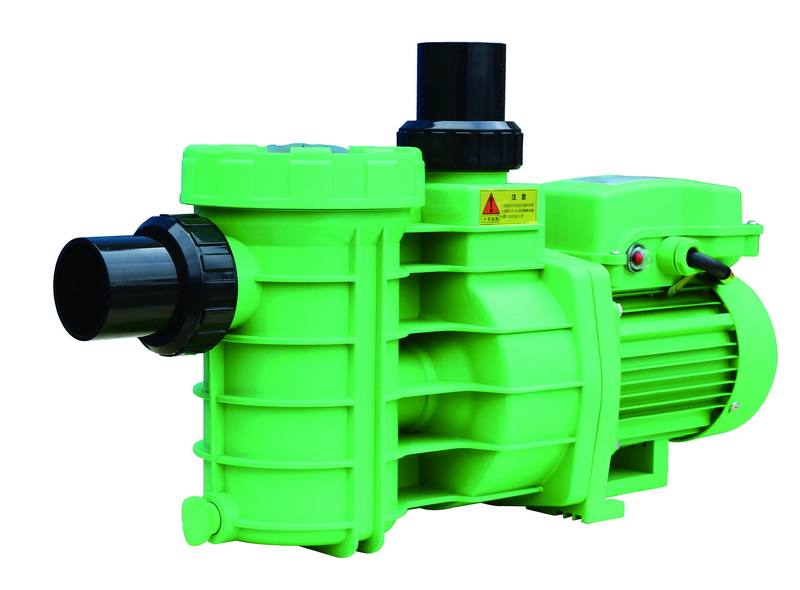
Regular servicing of your Hayward pump ensures peak performance and a long operating life.
- Clean the strainer basket weekly.
- Check pump lid and O-ring for cracks or wear.
- Inspect and lubricate pump motor bearings annually.
- Flush plumbing system seasonally to remove debris.[13]
- Winterize pump according to Hayward's manual before freezing weather.
- Pump Won't Start: Check power supply, breaker, and timer.
- Low Water Flow: Inspect for clogged basket, blocked filter, closed valves, or air leaks.
- Noisy Operation: Examine for loose mounts, worn bearings, or debris in impeller.
- Air Bubbles in Pool: Check suction line connections and strainer lid for leaks.
- Always turn OFF power before working on any electrical or plumbing parts.
- Wear safety glasses and gloves.
- Do not run pump dry, as this can damage seals and motor.
- Ensure all connections are properly sealed to prevent water leaks and electrical hazards.[14][8]
Properly installing your Hayward pool pump is crucial for maintaining a clean, healthy, and enjoyable swimming environment. By following these steps, you will maximize pump efficiency, minimize service issues, and ensure lasting performance for years. Use manufacturer manuals and official videos for further reference, and don't hesitate to consult a licensed pool professional if needed.
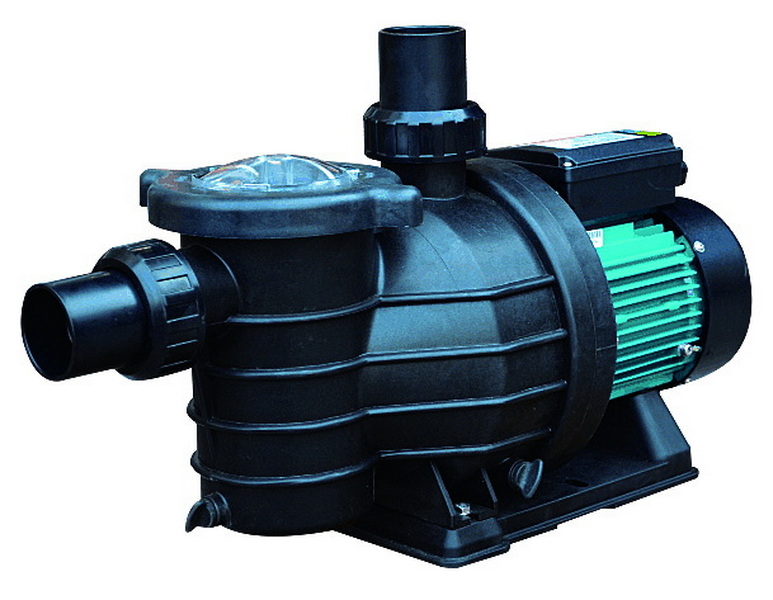
Hayward offers various models for different pool volumes, including Power-Flo Matrix for above-ground and Super Pump for in-ground pools. Consult manufacturer guidelines for sizing recommendations or speak with your dealer.[10][4]
Typically, weekly cleaning is best during the swimming season. More frequent cleaning may be required in environments with trees or heavy pool usage.[13]
Many pool owners install Hayward pumps themselves if they have basic plumbing/electrical skills. However, professional installation is recommended for complex systems or compliance with local codes.[15][9]
Noise can result from vibration, loose mounts, debris in the impeller, or worn motor bearings. Check mounting bolts and pump internals, or consult a technician.[4][13]
Hayward typically offers a 1-3 year limited warranty depending on the model and local regulations. Register your product and keep the invoice for warranty claims.[4]
[1](https://www.youtube.com/watch?v=EErz2Cr6RL0)
[2](https://images.inyopools.com/cloud/documents/hayward-filters-perflex-ec50c90.pdf)
[3](https://hayward.com/media/akeneo_connector/asset_files/I/S/IS210TS_RevA_61ed.pdf)
[4](https://www.pooltek.com/wp-content/uploads/2017/02/Pump-HaywardSuperpump.pdf)
[5](https://www.youtube.com/watch?v=Vg7TZ1Q27EE)
[6](https://www.youtube.com/watch?v=j2klnCFWDSs)
[7](https://www.youtube.com/watch?v=JifZC6tmFWA)
[8](https://images.thdstatic.com/catalog/pdfImages/3d/3db6f461-662e-493b-8199-cab69c0ee25a.pdf)
[9](https://hayward.com/instructional-videos)
[10](https://www.youtube.com/watch?v=WMmFKM1kC_A)
[11](https://www.youtube.com/watch?v=7wh5L4w8WBs)
[12](https://www.youtube.com/watch?v=GXjqn4QfCNg)
[13](https://images.inyopools.com/cloud/documents/vlseries-vl40t32.pdf)
[14](https://hayward.com/media/akeneo_connector/asset_files/I/S/IS3200XE_REV_B_8d8c.pdf)
[15](https://www.reddit.com/r/swimmingpools/comments/1kmmbn6/replacing_hayward_super_pump_in_5_minutes_using/)
[16](https://www.youtube.com/playlist?list=PLKRVpvrQmmnIT6LHuZ9X6u0Sjg02qhbSs)
[17](https://www.facebook.com/groups/637529959937311/posts/2582750255415262/)
[18](https://www.inyopools.com/HowToPage/how-to-replace-a-hayward-super-ii-pool-pump-motor.aspx?CommentPage=1)
[19](https://www.facebook.com/groups/637529959937311/posts/1143016296055339/)


