
Views: 222 Author: Tina Publish Time: 2025-12-05 Origin: Site


Content Menu
● Understanding pool pump pressure
● Step 2: Restore flow on the suction side
>> Clean skimmer and pump baskets
>> Check for clogged pump impeller
● Step 3: Eliminate suction‑side air leaks
● Step 4: Service the filter correctly
>> For DE (Diatomaceous Earth) filters
● Step 5: Check valves and plumbing
● Step 6: Adjust pump speed or upgrade equipment
● Step 7: When to suspect a bad gauge
● FAQs about increasing pool pump pressure
>> 1. What is normal pressure for a pool pump and filter?
>> 2. Why is my pool pump running but pressure is low?
>> 3. Can I just close valves to increase pressure?
>> 4. Will a bigger pump fix my low pressure?
>> 5. How often should I service my filter to maintain good pressure?
How to increase pressure on a pool pump safely starts with fixing low water flow issues: clean baskets, clear clogs, check for air leaks, and service your filter, then adjust valves and pump speed rather than “forcing” more pressure.[1][2]
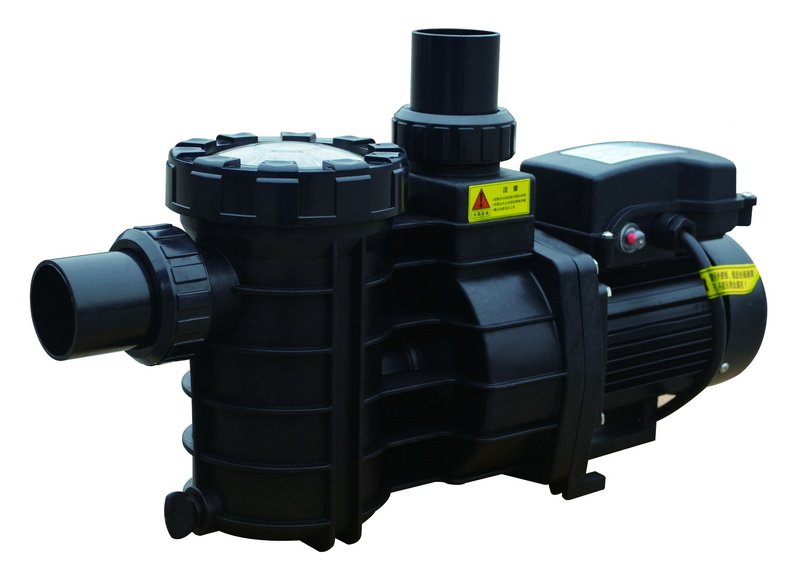
Pool “pressure” usually means the PSI reading on the filter gauge and the strength of water coming from the return jets. Normal pressure is whatever the gauge reads right after you thoroughly clean or backwash the filter and clean all baskets, and a drop of about 5 PSI below that often signals low flow to the pump.[3][1]
Low pressure on the gauge with weak returns usually points to a suction‑side problem (before the pump), while unusually high pressure points to a restriction after the pump such as a dirty filter or closed valve.[4][3]
Pool filters can rupture if pressure is too high, so never try to “boost” pressure without understanding the cause. Always turn the pump off before opening lids, loosening unions, or moving multiport valves, and keep your hand near the switch when restarting in case the pressure spikes suddenly.[5][3]
Release built‑up air from the filter using the air relief/bleed valve before and after service to prevent air pressure from building inside the tank.[6][4]
1. Check the PSI gauge
- With the pump running, note the current PSI and compare it to your known “clean filter” PSI if you have it recorded.[3]
- If the reading is 5 PSI or more below normal, you have a low‑pressure situation; if it is much higher than normal, you have a restriction after the pump instead.[3]
2. Check water flow at returns
- Place a hand in front of a return jet; you should feel strong, steady flow with no large air bubbles.[7][6]
- Weak flow plus bubbles often indicates suction‑side air leaks or blockages before the pump.[2][8]
Low suction flow is the most common reason for low pressure, and fixing it is the safest way to “increase” pressure.
- Make sure water level is about halfway up the skimmer opening so the skimmer doesn't suck air.[9][6]
- Turn off the pump, remove the skimmer basket and pump basket, and clear out leaves, hair, and debris, then reinstall them correctly so they seat firmly.[2][4]
A clogged basket starves the pump of water, reducing pressure and circulation until it is cleaned.[10][2]
- With power off and the pump basket removed, reach or carefully probe into the impeller opening to feel for packed debris like leaves or small stones.[11][2]
- If clogged, follow a video tutorial to access and clean the impeller so the pump can move water at full capacity again.[11]
A partially blocked impeller is a classic cause of low filter pressure and weak return jets.[12][11]
Even small air leaks will reduce pump performance and pressure.
- Inspect and lubricate the pump lid O‑ring; cracks or a dry, flattened seal let air in and should be replaced or re‑lubricated with silicone grease.[8][2]
- Check all suction‑side fittings, unions, and valves for drips or sucking sounds when the pump runs, especially around joints and valve stems.[13][2]
Persistent bubbles in the pump basket window or from the return jets usually indicate suction‑side air leaks that must be sealed to restore proper pressure.[8][2]
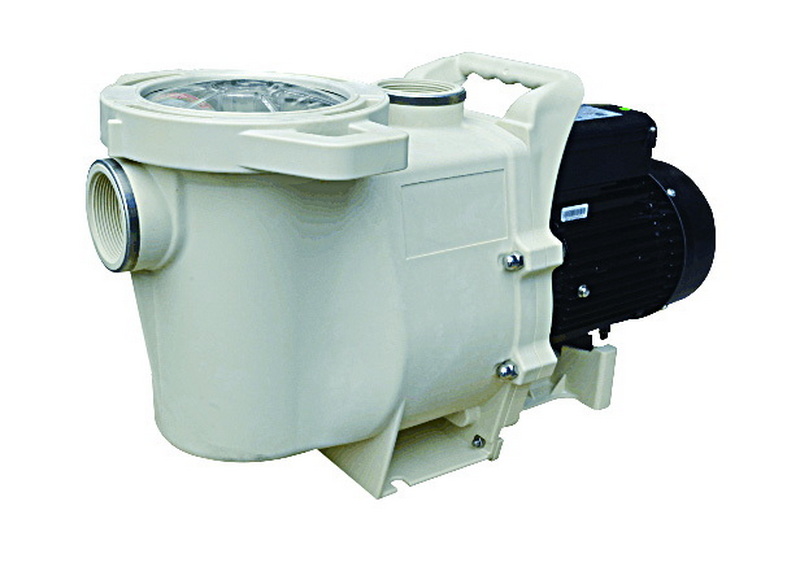
If suction is good but returns are still weak and PSI is low or unstable, look closely at the filter.
- A sand filter that is “gunked up” can cause low flow and erratic pressure; perform a full backwash for the manufacturer‑recommended time, then use the RINSE setting if available.[4][2]
- If short backwashes no longer help, do an extended backwash or consider changing the sand if it is heavily fouled or several years old.[14][2]
Proper backwashing clears trapped debris so the pump can push water more easily, improving both flow and pressure.[2]
- Remove the cartridge and hose it off thoroughly, or soak it in a recommended filter cleaner if it is heavily clogged.[11][2]
- If pressure and flow improve when you run briefly without the cartridge installed, it is a strong sign that the cartridge media needs replacement.[14][2]
Filthy or collapsed cartridges can significantly restrict water flow, leading to low return pressure and poor circulation.[14][2]
- Backwash as directed and open the tank to clean or inspect the grids if pressure problems persist.[14]
- Damaged or caked‑up grids can restrict water and should be cleaned or replaced, followed by re‑charging the filter with the correct amount of DE.[14]
Clean DE grids restore normal resistance through the filter and help stabilize the pressure in the desired operating range.[14]
Mis‑set or obstructed valves can mimic low‑pressure problems.
- Ensure all suction valves (main drain, skimmer lines) that should be open are actually fully open; a partially closed suction valve reduces flow and filter pressure.[4]
- On the return side, confirm that return valves and diverter valves to water features are configured for adequate flow back to the pool, avoiding unnecessary restrictions.[4]
Also inspect visible plumbing for leaks or cracks, especially on the suction side, as even small water or air leaks can reduce overall system pressure.[10][8]
Once the system is clean and leak‑free, pressure can be optimized by adjusting pump performance rather than forcing it through restrictions.
- On variable‑speed pumps, increasing RPM modestly will increase flow and usually raise the filter pressure reading, within safe limits; every plumbing system has a different flow curve, so adjust gradually.[1]
- If the pump is undersized for a large pool or many water features, or if the filter is undersized for a powerful pump, consider consulting a professional about upgrading to correctly matched equipment.[10][4]
An oversized pump with a small filter can cause dangerously high pressure, while an undersized pump on a large system may never achieve strong return pressure even when everything is clean.[3][4]
If everything looks clean, flow feels strong, and there are no leaks, but the PSI reading still seems wrong, the pressure gauge itself may be faulty.[8]
Over time, gauges can stick, lose calibration, or fill with water, so replacing a suspect gauge is inexpensive insurance against misreading your system's performance.[3]
Increasing pressure on a pool pump is not about forcing higher PSI, but about restoring healthy flow by clearing blockages, stopping air leaks, and keeping the filter and plumbing in top condition. After cleaning baskets and filters, checking valves and suction lines, and adjusting pump speed appropriately, most pools will regain strong return flow and stable, safe pressure levels.[1][4][2]
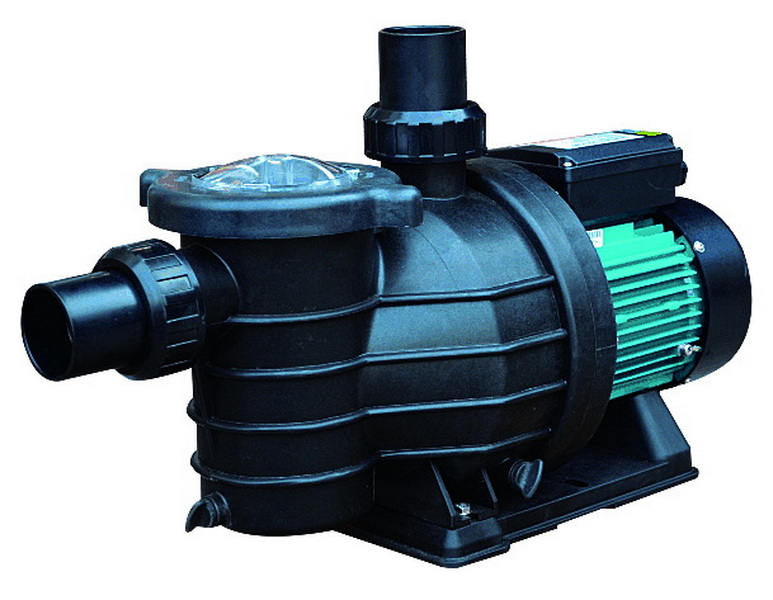
“Normal” pressure is the PSI reading on your filter gauge immediately after you thoroughly clean or backwash the filter and empty all baskets. Record this number as your baseline and re‑clean the filter when pressure rises about 5–10 PSI above it, or investigate suction‑side issues if it drops significantly.[6][3]
Common reasons include clogged skimmer or pump baskets, a partially blocked impeller, suction‑side air leaks, or dirty filter media restricting flow. Systematic cleaning and leak checks on the suction side solve most low‑pressure cases without changing the pump itself.[10][11][2]
Partially closing return valves may increase the PSI reading but usually reduces overall circulation and can stress the filter tank and plumbing. It is safer and more effective to restore full flow through cleaning and leak repair, then let the system run with valves fully open unless a specific feature requires balancing.[4][3]
A larger pump can increase pressure and flow, but if the root cause is a blockage, dirty filter, or air leak, an upgrade only masks the problem and can create dangerously high filter pressure. Always rule out maintenance and plumbing issues first, and size pumps and filters together according to pool volume and pipe layout.[11][10][4]
Most pool owners check the pressure gauge weekly and clean or backwash the filter whenever the PSI rises about 5–10 above the clean baseline. In heavy debris or peak season, filters may need more frequent service to maintain strong return flow and efficient filtration.[15][3][14][2]
[1](https://www.inyopools.com/HowToPage/how_to_correct_low_pressure_in_your_pool_system.aspx?CommentPage=1)
[2](https://mrpoolman.com.au/blogs/news/low-pool-water-pressure-identifying-and-fixing)
[3](https://intheswim.com/blog/pool-filter-pressure-problems.html)
[4](https://mrpoolman.com.au/blogs/news/diagnosing-and-fixing-pool-filter-pressure-problems)
[5](https://www.pentair.com/en-us/pool-spa/education-support/professional-support/pool-and-spa-education/4-safety-tips-for-servicing-pool-filters.html)
[6](https://www.youtube.com/watch?v=KS8QpFBdc4Q)
[7](https://www.facebook.com/groups/637529959937311/posts/2556830291340592/)
[8](https://blog.abchomeandcommercial.com/pool-pump-low-pressure/)
[9](https://www.reddit.com/r/pools/comments/13q57n6/pool_filter_pressure_too_high_27_psi_and_skimmer/)
[10](https://www.mypoolrx.com/pool-care-blog/pool-pump-losing-pressure)
[11](https://www.youtube.com/watch?v=mAb2abgwbk8)
[12](https://www.reddit.com/r/pools/comments/18256dn/help_troubleshoot_low_pressure_filter/)
[13](https://www.facebook.com/groups/637529959937311/posts/2240803156276642/)
[14](https://romanellipools.com/blogs/most-common-reasons-for-low-pressure-coming-back-into-the-pool-from-the-return-jet/)
[15](https://www.youtube.com/watch?v=3n4zQvMOFJQ)
[16](https://www.youtube.com/shorts/hIf-cnR7i4w)
[17](https://www.reddit.com/r/pools/comments/giisjp/pool_pump_low_water_pressure/)
[18](https://www.youtube.com/watch?v=WU6mLHNN_h4)
[19](https://www.facebook.com/groups/637529959937311/posts/2229710804052544/)


