
Views: 222 Author: Tina Publish Time: 2025-12-22 Origin: Site


Content Menu
● Why Air in a Pool Pump Is a Problem
● Safety Steps Before Working on the Pump
● Step‑by‑Step: How to Remove Air by Priming the Pump
>> Step 1: Turn Off and Isolate the Pump
>> Step 2: Open the Filter's Air Relief Valve
>> Step 3: Open the Pump Lid and Check the Basket
>> Step 4: Inspect and Lubricate the Lid O‑Ring
>> Step 5: Fill the Pump Housing with Water
>> Step 6: Reinstall the Basket and Lid Tightly
>> Step 7: Turn the Pump On and Bleed Air
>> Step 8: Slowly Open Other Suction Lines
● How to Find and Fix Suction‑Side Air Leaks
>> Typical Sources of Air Leaks
>> Simple Leak Detection Methods
● Extra Tips to Keep Air Out of the Pump
● FAQs About Air in a Swimming Pool Pump
>> 1. Why does my pool pump keep getting air in it?
>> 2. Is it safe to run a pool pump with air bubbles?
>> 3. How long should it take to prime a pool pump?
>> 4. What if the pump loses prime every time it shuts off?
>> 5. Can a dirty filter cause air problems in the pump?
>> 6. How can OEM pumps and filters help reduce air issues for brands?
Air trapped in a swimming pool pump can cause low flow, noisy operation, overheating, and even permanent damage if not fixed quickly. Removing air from the pump and suction line is mainly a matter of correctly priming the pump and finding any suction‑side air leaks so the system can run full of water again.[1][2]
As a professional Chinese factory producing premium sand filters, DE filters, cartridge filters, pool pumps, LED lights, and accessories, OEM solutions are supplied to international brands, wholesalers, and manufacturers using advanced intelligent machinery and strict quality control. These matched filtration systems are designed to prime easily, resist leaks, and maintain stable flow for residential and commercial pools around the world.
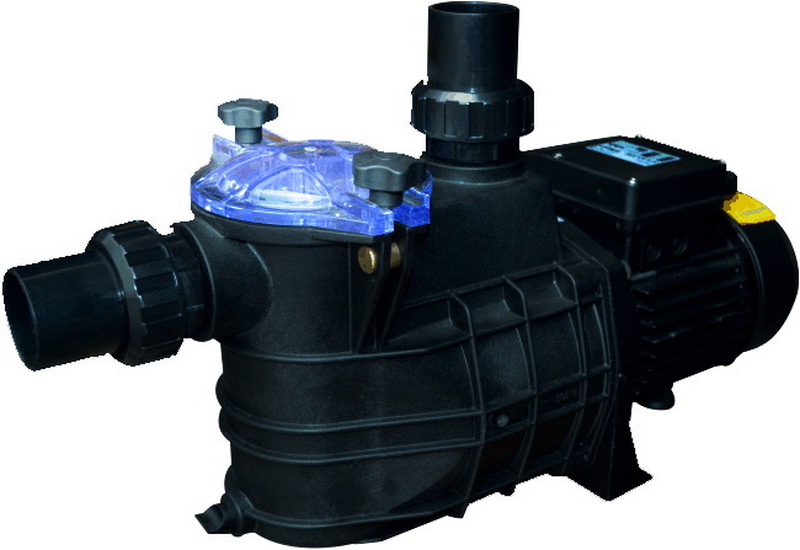
Air inside a pool pump and suction plumbing disrupts the pump's ability to create suction, so it cannot move enough water through the filter and returns. When a pump runs with too much air, water flow drops, the motor runs hotter, and seals, bearings, and plastic parts can wear out or melt over time.[3][4]
Common symptoms of air in the pump include:
- Visible air bubbles swirling under the clear pump lid instead of a completely solid column of water.[5][6]
- Bubbles blowing out of the pool's return jets, often with a chattering or gurgling sound at the surface.[4]
- Pressure gauge on the filter reading unusually low compared with the normal “clean” pressure, indicating less water and more air in the system.[7]
- Difficulty getting the pump to prime after cleaning baskets, backwashing, or draining the system for maintenance.[8][9]
To protect the pump and keep water clear, air must be removed promptly and the cause of air entry must be corrected.[5][4]
Even though removing air from a pool pump is usually simple, basic safety steps should always come first.[9]
Important precautions:
- Turn off power at the timer and the main circuit breaker feeding the pump before opening the pump lid or any valves.[3][9]
- Allow the pump to stop completely, then wait a minute so pressure can drop before opening lids or drain plugs.[9]
- Close suction and return valves, if present, to avoid unexpected water flow while the pump is open.[9]
- Never let a pump run dry for more than 1–2 minutes during priming attempts, because this can overheat the seals and plastic housing.[2][7]
- Wear safety glasses and non‑slip footwear around wet equipment areas to prevent accidents.[9]
The fastest way to get air out of a swimming pool pump is to properly prime it so that the pump housing and suction lines fill completely with water.[1][2][3]
- Turn off the pump at the timer and breaker, and confirm that it does not start automatically while you are working.[3][9]
- If you have suction valves (for skimmer and main drain), set them so the pump will initially draw from the easiest source, often the skimmer closest to the pump.[8][3]
- Go to the top of the filter tank and open the air relief valve so trapped air can escape when the pump starts.[1][9]
- This valve will later spray water when the system is fully primed; at that point you will close it to seal the system.[9]
- Loosen and remove the pump lid carefully, then take out the strainer basket.[4][1]
- Empty leaves, insects, and debris, and inspect the basket for cracks or broken sections that might allow debris to pass through.[4][1]
If the pump basket is damaged, it should be replaced to maintain proper flow and protect the impeller from clogging.[4]
- Remove the O‑ring from the pump lid or housing, wipe it clean, and inspect it for cracks, flat spots, or deformation.[5][4]
- If the O‑ring is in good condition, apply a thin layer of silicone‑ or PTFE‑based pool lubricant and seat it evenly in its groove before replacing the lid.[3][5]
A damaged or dry O‑ring is one of the most common causes of air being sucked into the pump; replacing it is a quick and inexpensive fix.[5][4]
- Make sure all drain plugs on the pump are tightly installed and sealed.[2][4]
- Place a garden hose into the pump housing (where the basket sits) and fill it completely until the water level rises up to the top of the housing and begins to overflow slightly.[2][3][9]
This pre‑fill of water helps the pump generate initial suction and push air out through the system when it starts.[2][9]
- Reinsert the basket correctly so it seats fully and does not block the inlet or outlet openings.[1][4]
- Place the lid on the pump housing and tighten the lid clamp or knobs firmly until there is an airtight seal; do not cross‑thread or leave the lid loose.[5][4]
If the lid is warped or cracked, it should be replaced, because even good O‑rings cannot seal against a distorted lid.[4][5]
- With the pump lid secured, air relief valve open, and suction set to one line (often the nearest skimmer), turn the pump on.[3][1][9]
- Watch the clear lid: water should begin to fill the housing and push air out; at the same time, air will hiss out of the filter's air relief valve.[1][2]
Allow the pump to run until a steady stream of water (without spurting air) flows from the air relief valve, then close the air relief to build normal operating pressure.[1][9]
- Once the pump is primed on one suction line and running smoothly, gradually open additional suction valves (other skimmers or main drain) one at a time.[7][8]
- Open each valve very slowly to “feed” the new line's trapped air into the pump in small bubbles rather than all at once, so the pump does not lose prime.[8]
If the pump starts to sputter or lose prime as a valve is opened, partially close the valve again and wait until the pump stabilizes before proceeding.[7][8]
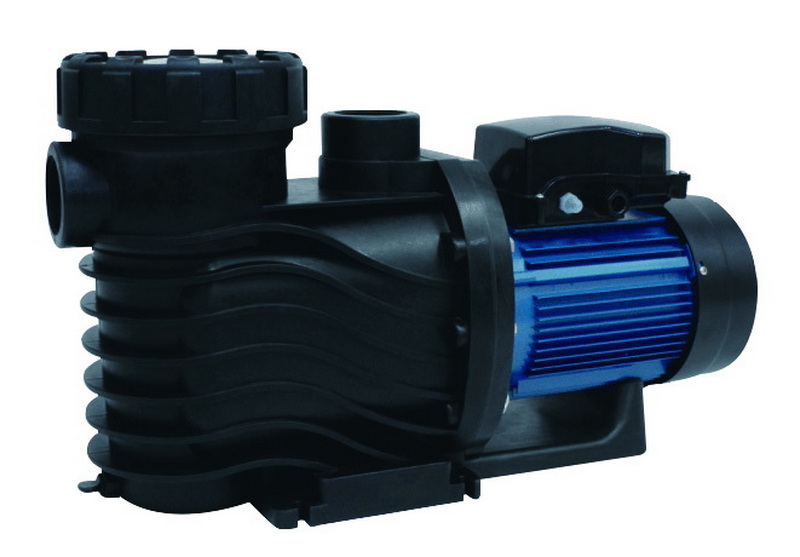
If the pump still shows a large, persistent air pocket under the lid after priming, there is likely a suction‑side air leak between the skimmer/main drain and the pump.[10][5]
Common air entry points include:
- Loose or cracked pump lid and worn lid O‑ring.[5][4]
- Loose or incorrectly sealed drain plugs on the front of the pump housing.[10][4]
- Poorly glued or cracked suction‑side PVC joints, especially immediately before the pump.[11]
- Worn or damaged O‑rings in 3‑way valves, ball valves, or union fittings.[11][10]
- Low water level in the pool causing the skimmer to suck in air through the skimmer weir when water swirls.[12]
Several easy techniques can help locate suction‑side leaks while the pump is running:
- Soapy water: Brush a mixture of dish soap and water over suspect joints and fittings; if suction draws air in, bubbles may appear or get pulled inward.[7]
- Shaving cream: Apply foam shaving cream to joints and valve areas; if the foam caves in or is pulled into cracks, air is entering at that point.[7]
- Smoke or incense: Hold a lit incense stick near fittings; if the smoke is pulled toward the joint, that indicates air suction.[7]
Once a leak is identified, the corrective action might be as simple as tightening a union, replacing an O‑ring, or resealing a threaded fitting with PTFE tape and thread sealant.[10][5]
Preventive steps help keep the system running smoothly and reduce the need for repeated priming:
- Keep the pool water level halfway up the skimmer opening so the skimmer does not gulp air when waves or swimmers disturb the surface.[12]
- Clean skimmer baskets, pump baskets, and filters regularly so the pump does not have to work harder than necessary and risk cavitation.[2][4]
- Inspect pump lids, O‑rings, unions, and valves at the start and end of each season, and replace worn components before they leak.[11][5]
- Avoid overtightening plastic fittings and lids, which can cause cracks over time and create new air leak paths.[11][4]
- If the pump repeatedly loses prime or shows large bubbles even after all simple fixes, consult a professional to check underground plumbing, main drain lines, or internal pump damage.[4][7]
As OEM manufacturers, supplying pumps, sand filters, DE filters, cartridge filters, and matched accessories that use robust housings, quality seals, and precise unions helps brands and service companies minimize priming issues and air leaks in their installations.
Getting air out of a swimming pool pump is usually a straightforward process of safe shutdown, priming the pump with water, bleeding air through the filter's relief valve, and gradually opening suction lines so the system fills completely with water. When persistent air remains in the pump basket, careful inspection for suction‑side air leaks at lids, O‑rings, valves, unions, and PVC joints is essential to restore stable, bubble‑free circulation and protect the pump from overheating or premature failure.[10][11][3][9][2][1][5][4][7]
For pool owners, brands, and wholesalers, choosing well‑designed pumps and filtration systems with high‑quality seals and fittings—such as OEM sand filters, DE filters, cartridge filters, pumps, LED lights, and accessories from a professional Chinese factory—helps ensure easier priming, fewer leaks, and long‑term reliable performance in both residential and commercial pools.
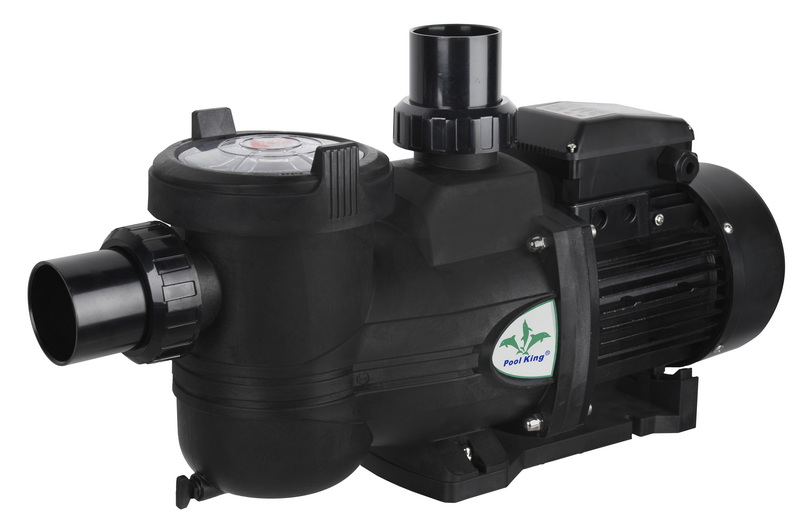
Most recurring air problems come from suction‑side leaks, such as a loose or cracked pump lid, worn lid O‑ring, poorly sealed drain plugs, or leaky suction fittings and valves. Low pool water level and skimmer issues can also pull air into the system, especially when the waterline drops below the middle of the skimmer opening.[12][10][11][5][4]
A few tiny bubbles at the returns can be normal, but large or continuous bubbles indicate that air is entering the system and the pump may be running partially dry. Running a pump in this condition for long periods can overheat the motor, damage shaft seals, and shorten the life of the entire pump.[3][5][4]
If the plumbing is tight and the pump housing is properly filled with water, most pumps will prime within 30–90 seconds, and certainly within a few minutes, depending on suction line length and elevation. If the pump cannot prime after several attempts of filling the housing, there is likely an air leak or blockage that needs to be corrected before trying again.[8][2][7]
When a pump loses prime after each shutdown, it often means air is leaking in at the pump lid, unions, valves, or drain plugs and allowing water to drain backward out of the housing. Replacing worn O‑rings, tightening fittings, and checking for cracked lids or joints usually solves this issue; in more serious cases, an underground suction‑side leak may require professional repair.[10][11][5][4][7]
A dirty or clogged filter mostly affects pressure and flow on the return side, but extreme restriction can contribute to cavitation and unstable operation. Regular backwashing of sand and DE filters and cleaning or replacement of cartridge elements helps maintain normal operating pressure and reduces stress on the pump and seals.[9][1][4][7]
OEM‑designed pumps and filters that use durable housings, precision‑molded lids, high‑grade O‑rings, and compatible unions are less likely to develop leaks in normal service. For international brands and wholesalers, sourcing complete matched systems—including sand, DE, or cartridge filters, pumps, LED lights, and accessories—from one professional Chinese factory simplifies installation and reduces priming and leak complaints from end users.
[1](https://lesliespool.com/blog/how-to-prime-a-pool-pump.html)
[2](https://www.swimuniversity.com/prime-pool-pump/)
[3](https://www.youtube.com/watch?v=Fer5zc8TE-Q)
[4](https://poolpartstogo.com/blogs/articles/air-in-your-pool-pump-here-s-how-to-fix-it)
[5](https://lesliespool.com/blog/how-to-fix-air-in-a-pool-pump.html)
[6](https://www.reddit.com/r/pools/comments/13azk7r/air_trapped_in_pump_after_opening_the_lid_to/)
[7](https://diy.inyopools.com/article/test-suction-side-air-leaks/)
[8](https://intheswim.com/blog/priming-a-pool-pump.html)
[9](https://hyclor.com.au/how-to-prime-a-pool-pump/)
[10](https://www.youtube.com/watch?v=rU4lhAZlfzI)
[11](https://www.poolzoom.com/suction-side-air-leaks.html)
[12](https://www.youtube.com/watch?v=HBetPWU-wJg)
[13](https://www.youtube.com/watch?v=9JVApTiCQIg)
[14](https://www.reddit.com/r/pools/comments/19266ne/getting_a_suction_side_air_leak_and_unable_to/)
[15](https://lettspools.co.uk/wp-content/uploads/2017/10/Priming-a-swimming-pool-pump.pdf)
[16](https://www.youtube.com/watch?v=cLwpXo9kNTA)
[17](https://www.reddit.com/r/pools/comments/ymh351/air_in_system_suctionside_leak_when_i_kill_the/)
[18](https://www.thepoolfactory.com/blogs/equipment/how-to-prime-an-above-ground-pool-pump)
[19](https://www.youtube.com/watch?v=SiEOIxYpJ5g)
[20](https://www.youtube.com/watch?v=hlz48dkxwAc)


