
Views: 222 Author: Tina Publish Time: 2025-08-15 Origin: Site


Content Menu
● Understanding the Problem: Why Air in the Pool Pump Matters
>> Common Signs of Air in Your Pool Pump:
● Common Causes of Air in Pool Pump Systems
● How to Get Air Out of a Pool Pump: Step-by-Step Guide
>> Step 1: Turn Off Pool Pump and Equipment
>> Step 2: Open the Pump Basket Lid and Check for Water
>> Step 3: Inspect and Maintain the Pump Lid and O-ring
>> Step 4: Examine and Clean the Pump Basket
>> Step 5: Set Multiport Valve Correctly
>> Step 6: Turn On the Pump and Open Valves Slowly
>> Step 7: Open the Bleed or Air Relief Valve
>> Step 8: Monitor Water Pressure and Pump Operation
>> Step 9: Tighten All Fittings and Restart Other Pool Equipment
● Additional Tips to Prevent Air Locks in Your Pool Pump
● Troubleshooting Common Air-in-Pump Issues
● Frequently Asked Questions (FAQs)
>> 1. What causes air to enter my pool pump?
>> 2. How often should I bleed air from my pool pump?
>> 3. Can running a pump with air in it cause damage?
>> 4. What is the function of the bleeder valve?
>> 5. How do I know if the pump is properly primed?
Maintaining a clean and clear swimming pool largely depends on a properly functioning pool pump system. One common issue pool owners face is air trapped in the pool pump, which can cause noisy operation, reduced water circulation, and inefficient filtration. This guide will walk you through the detailed process of how to get air out of a pool pump, ensuring optimal performance and longevity of your pool equipment. Along the way, you will find step-by-step instructions, helpful visual aids, and answers to frequently asked questions.
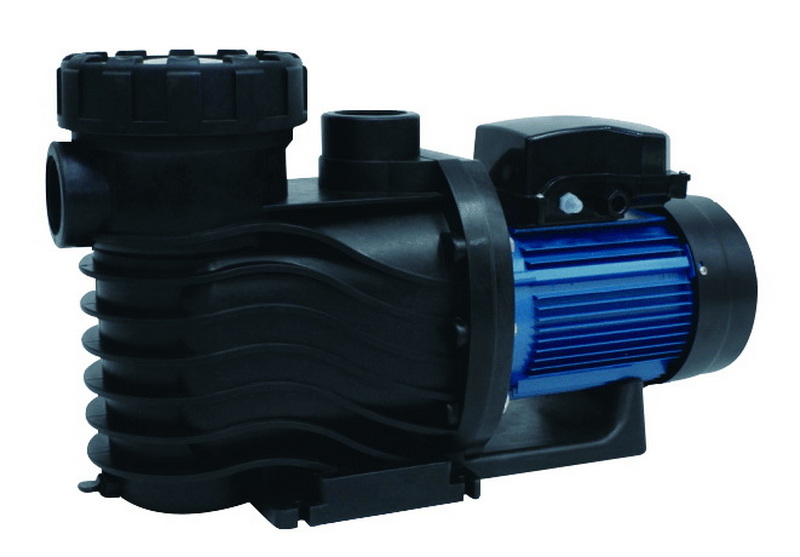
Air entering the pool pump system typically means the pump is drawing air instead of water. This condition is often called having an "air lock" or "loss of prime." When this happens, the pump may make loud noises, cavitate (churn water with air), or stop circulating water efficiently. If not addressed promptly, air in the system can reduce filtration effectiveness and increase wear on the pump motor. In some cases, running the pump with air inside can cause overheating and reduce the pump's lifespan.
- Loud, unusual noises from the pump
- Reduced water flow or pressure
- Bubbles appearing from the water returns
- Pump losing prime frequently
- Visible air pockets in the pump basket
Understanding the root causes helps prevent future problems. The most frequent reasons air enters the pump include:
- Low Water Level in the Pool or Skimmer: When the water level drops significantly below the skimmer, the pump may draw air instead of water.
- Leaks in Pump Lid, O-rings, or Fittings: Cracked lids, damaged O-rings, or loose unions allow air to be sucked into the system.
- Loose or Damaged Unions and Seals: These components maintain the airtight seal necessary for proper pump operation.
- Clogged or Dirty Pump Basket: Debris in the pump basket restricts water flow and can cause suction issues.
- Incorrect Valve Settings or Partially Closed Valves: Valves that are not fully open or incorrectly positioned can allow air entry or restrict water flow.
Getting air out of your pool pump primarily involves priming the pump and removing any trapped air in the plumbing and filter. Here is a detailed, stepwise approach to fix and prevent air lock:
Prior to any work, switch off your pool pump, heater, and any other electrical pool equipment. This is a critical safety precaution and helps prevent damage or injury.
Loosen the clamps or knobs holding the pump lid in place and carefully remove it. Examine if the basket is dry or partly filled with air. If it's dry, pour water into the basket until full. This primes the pump, ensuring it starts with water, not air.
Tip: Always keep extra water nearby when servicing pumps, especially in hot weather, to refill lost water quickly.
Carefully inspect the pump cover lid for cracks or damage. Remove the O-ring and check for wear, cracks, or dirt buildup. Replace the O-ring if necessary. Clean the groove and lightly lubricate the O-ring with pool-safe silicone lubricant to create a perfect seal that prevents air from leaking in.
Remove any debris or leaves trapped inside the basket. A clean basket allows smooth water flow and reduces chances of air pockets forming that can disrupt pumping action.
Adjust your pool filter's multiport valve to the “filter” position. This allows water to flow normally and aids in pushing out trapped air as the pump runs.
Switch the pump on and gradually open the main drain and skimmer valves, one at a time. Opening valves slowly prevents sudden air surges that could cause the pump to lose prime again. You will notice air bubbles being pushed out of the return jets — this is the trapped air evacuating the system.
Many pool filters are equipped with a bleed valve or air relief valve located on the filter tank or pump housing. Slowly open this valve to release trapped air. You should hear a hissing sound as air escapes. When water flows steadily without bubbles, close the valve tightly.
Watch the pressure gauge on the filter system. Normal operating pressure usually ranges between 10 and 25 psi, though this can vary by system. A pressure drop or erratic reading may indicate remaining air pockets or other issues. Listen for smooth, quieter pump operation without churning noise.
Ensure all clamps, knobs, unions, and fittings are tightened securely. Restart heaters, automated cleaners, and any other pool equipment. Confirm the pump continues to operate smoothly without air noises or loss of prime.
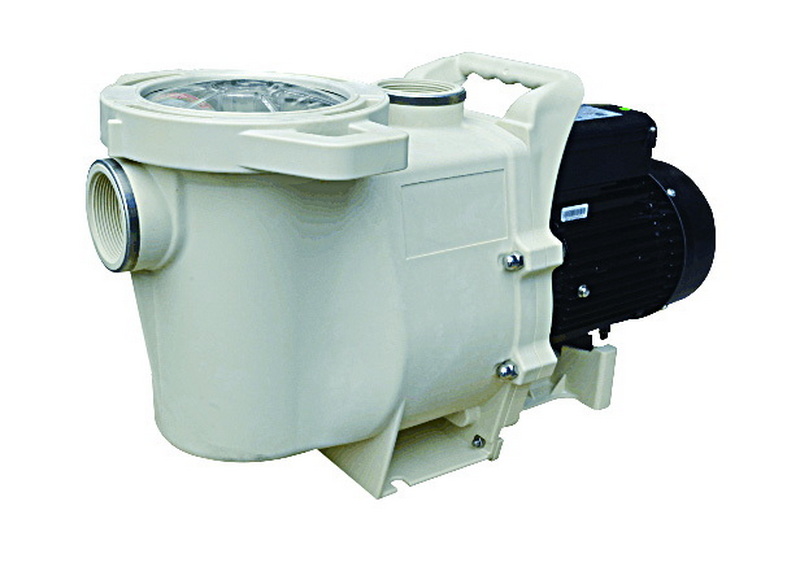
Preventing air issues is essential for consistent pool maintenance. Consider these best practices:
- Maintain Proper Pool Water Level: Keep your pool water level at least halfway up the skimmer opening to prevent air intake.
- Regularly Inspect Pump Lid and O-rings: O-rings deteriorate over time; inspect and replace them at least once a season.
- Clean Skimmer and Pump Baskets Frequently: Debris accumulation can disrupt water flow and draw air.
- Check All Valves and Fittings Periodically: Look for leaks, cracks, or loose connections that may allow air ingress.
- Use Leak Detection Products: Special dyes and soaps can identify small air leaks invisible to the naked eye.
- Schedule Professional Service: A qualified pool technician can perform thorough inspections and repairs to maintain optimum pump health.
Even after following instructions, some persistent problems may require additional measures:
- Persistent Air Bubbles: Perform a pressure test on all pump plumbing and skimmer lines to find break points.
- Pump Losing Prime Quickly: Inspect all system seals and unions; replace any compromised parts.
- No Air Bubbles at Returns but Pump Noisy: Check for cavitation caused by impeller damage or worn bearings.
- Air Leak After Winter Shutdown: Winterizing can affect seals; replace old O-rings and gaskets during spring startup.
- Water Level Drops Fast: Evaporation or leaks could cause the pool to lose water, leading to air intake.
Removing air from your pool pump is essential for maintaining optimal water circulation and keeping your pool clean and enjoyable. By following the steps to prime your pump, slowly open valves, and bleed trapped air, you can prevent damage and extend the life of your pool system. Regular inspection of pump components and maintaining proper water levels will reduce the chances of air entering the system. If these steps seem daunting or if persistent issues occur, consulting a professional pool technician is recommended to accurately diagnose and solve complex problems.
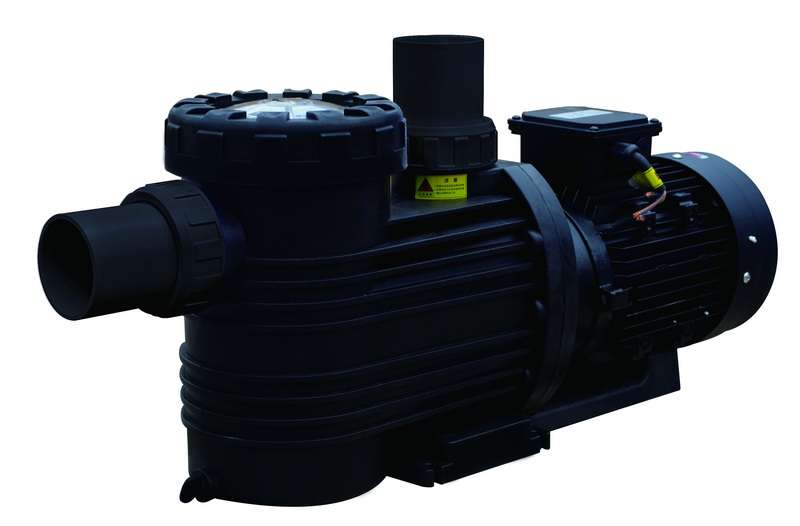
Air enters primarily due to low pool water levels, leaks in pump lids or seals, or loose fittings and valves that allow air to be sucked in.
You should bleed air whenever you hear unusual noises from the pump, after winter season reopening, or after performing any pump maintenance.
Yes, air causes cavitation and overheating, which can seriously damage the pump impeller and motor over time.
The bleeder valve allows trapped air to be safely vented from the filter or pump housing to restore proper water flow.
A properly primed pump has the basket full of water, runs quietly without air noises, and maintains steady water pressure in the recommended range on the gauge.


