
Views: 222 Author: Tina Publish Time: 2026-01-21 Origin: Site


Content Menu
● What “No Flow” on a Pool Pump Really Means
● Main Causes of No Flow on a Pool Pump
● Step 1: Turn Off the Pool Pump and Check Safety
● Step 2: Inspect and Clean Skimmer and Pump Baskets
● Step 3: Make Sure the Pool Pump Is Primed
● Step 4: Check Filter Pressure and Clean the Filter
● Step 5: Inspect Valves and Settings Around the Pool Pump
● Step 6: Look for Air Leaks on the Suction Side
● Step 7: Check and Clean the Pool Pump Impeller
● Step 8: Verify Pool Water Level and Skimmer Operation
● Step 9: Consider Electrical or Mechanical Failure
● Preventive Maintenance to Avoid No‑Flow Pool Pump Problems
● When to Call a Professional for Your Pool Pump
● FAQ – How to Fix No Flow on Pool Pump
>> (1) Why is my Pool pump running but there is no water movement?
>> (2) How do I know if my Pool pump is not primed?
>> (3) Can a dirty filter cause my Pool pump to show “no flow”?
>> (4) How do I check for a clogged Pool pump impeller?
>> (5) When should I replace my Pool pump instead of repairing it?
When a Pool pump is running but there is no water flow, your entire circulation and filtration system is at risk of cloudy water, algae growth, and equipment damage. A systematic troubleshooting process helps you find the cause quickly and restore normal Pool pump performance.
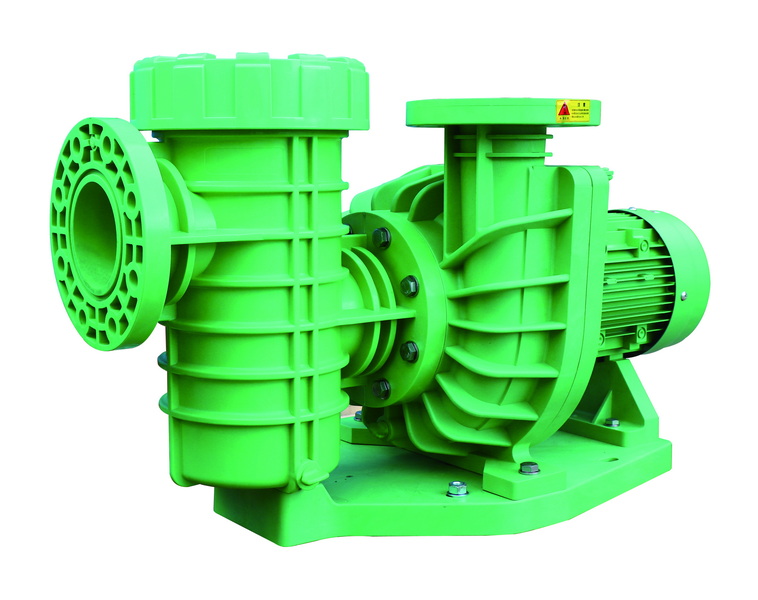
When a Pool pump shows “no flow”, it usually means the motor is running but little or no water is moving through the filter and return lines. Many systems with flow meters or smart controllers will trigger a “no flow” or “low flow” alarm when circulation drops below a safe level.
Common symptoms include:
- Filter pressure gauge at or near zero even though the Pool pump is on.
- Pool pump basket not filling with water, or only partially filled with swirling water and air.
- Weak or no water coming out of the return jets, sometimes with air bubbles.
Several issues can stop a Pool pump from moving water even when the motor still spins. The root cause usually falls into one of four categories: blockage, air leaks, valve settings, or mechanical failure.
Typical causes of a “no flow” Pool pump situation include:
- Clogged skimmer baskets or pump baskets blocking suction.
- Severely dirty or blocked filter (sand, DE, or cartridge).
- Pool pump not primed or full of air.
- Clogged Pool pump impeller.
- Air leak on the suction side (lid O‑ring, unions, fittings, drain plugs).
- Closed or incorrectly set valves.
- Electrical issues or internal motor problems.
You can visualize this with an infographic that traces the water path from skimmer to Pool pump to filter to returns, highlighting potential blockage points.
Before working on any Pool pump, shut it down and secure the area. Water and electricity are a dangerous combination, and many repairs involve opening wet components.
Basic safety checklist:
- Switch the Pool pump off at the timer or control panel, then at the circuit breaker.
- Ensure children and pets stay away from the equipment pad while you work.
- Wear safety glasses and gloves when opening the Pool pump or filter.
- Release pressure from the filter using the air bleeder before loosening any fittings.
The simplest cause of no flow is a clogged skimmer basket or Pool pump strainer basket packed with leaves, hair, and debris. If water cannot reach the Pool pump, the system will lose prime and stop circulating.
How to clean baskets on a Pool pump system:
1. Turn off the Pool pump and make sure the system is depressurized.
2. Remove skimmer lids and pull out the skimmer baskets; empty leaves and debris.
3. At the Pool pump, loosen the clear lid, remove the pump basket, and rinse it thoroughly.
4. Check behind the basket for compacted debris that might be blocking the Pool pump suction port.
5. Reinstall the baskets, ensuring they sit correctly so debris cannot bypass them.
A Pool pump must be full of water (primed) to create suction. If it is full of air, the Pool pump will spin but not move water, giving a “no flow” condition. Losing prime is common after cleaning, after repairs, or when water level in the pool is too low.
How to prime a Pool pump correctly:
- Open the Pool pump lid and ensure the basket is in place and clean.
- Use a bucket or garden hose to fill the pump housing with water until it reaches the suction port.
- Inspect, lubricate, and seat the lid O‑ring to ensure a tight seal.
- Tighten the lid firmly, but do not overtighten plastic parts.
- Set valves so the Pool pump draws from one simple suction line, such as the main drain or a single skimmer, to make priming easier.
- Turn the Pool pump on and watch the basket; it should fill with water within 15–60 seconds, and the pressure gauge should rise.
If the Pool pump repeatedly loses prime, you may have an air leak on the suction side or a low water level problem, which needs more detailed inspection.
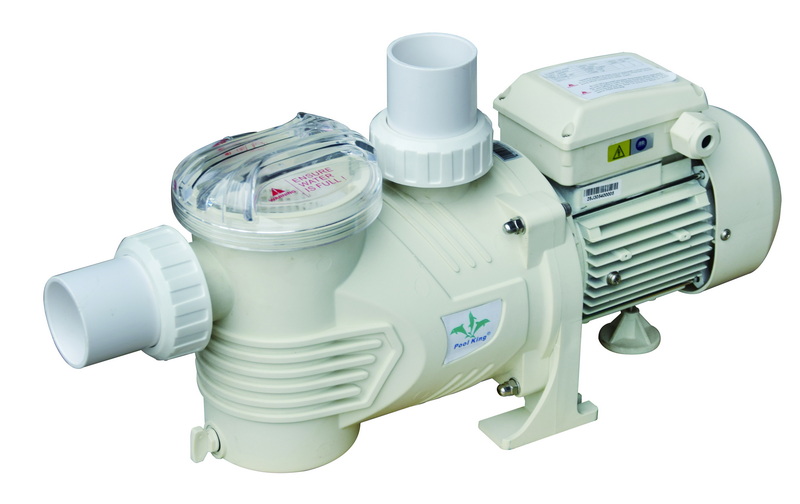
Even if the Pool pump is working, a severely dirty filter can choke flow so badly that the system appears dead. High filter pressure with weak return flow is a classic sign of a clogged filter.
Filter checks for a Pool pump no‑flow problem:
- Note the pressure gauge reading on a clean system and treat that as your “baseline”.
- If pressure climbs 8–10 psi above baseline, it usually means the filter is dirty.
- For sand or DE filters, shut off the Pool pump, set the multiport valve to “Backwash”, and run the pump until waste water clears. Then rinse and return to “Filter”.
- For cartridge filters, open the housing, remove the cartridges, and hose each pleat from top to bottom. Replace worn or collapsed cartridges promptly.
For troubleshooting, you can briefly run the Pool pump with the cartridges removed (housing reassembled) to see if flow returns; if it does, the cartridges are the restriction and need replacement.
Sometimes the only reason a Pool pump has no flow is that valves are closed or set incorrectly. On pools with multiple skimmers, main drains, water features, and heaters, it is easy to mis‑align valves.
Key valve checks near the Pool pump:
- Confirm suction valves (from skimmer and main drain) are open and allowing water to reach the Pool pump.
- Ensure the multiport valve on sand or DE filters is set to “Filter” and not “Closed”, “Waste”, or “Recirculate” during normal operation.
- Verify any heater bypass or solar valves are open enough to avoid excessive restriction.
- Make sure automatic suction cleaners are not clogging the line feeding the Pool pump.
A simple plumbing diagram with arrows showing the usual valve positions can help owners understand their own Pool pump system at a glance.
Air leaks before the Pool pump impeller are a major cause of losing prime and no flow. Instead of pulling water from the pool, the pump sucks in air through loose fittings, worn O‑rings, or cracked components.
Typical air‑leak points around a Pool pump:
- Pump lid not tightened evenly or sitting on a dirty sealing surface.
- Cracked or cloudy pump lid that no longer seals properly.
- Worn, flattened, or damaged pump lid O‑ring that needs replacement.
- Loose unions or poorly glued pipe connections on the suction line.
- Leaking drain plugs or winterizing plugs on the front of the Pool pump.
- Old, brittle fittings with hairline cracks under suction.
How to test for air leaks while the Pool pump runs:
- With the pump operating, spray water from a hose around suspect joints and the lid.
- If air bubbles in the pump basket change or suddenly disappear and the basket fills completely, you have found an air leak.
- Tighten unions, reseal threaded joints with proper sealant, replace worn O‑rings, or replace cracked fittings as needed.
If baskets and filter are clean but the Pool pump still has little or no flow, the impeller may be clogged. Hair, seeds, pine needles, and small debris can slip past a damaged basket and jam the impeller vanes.
Signs of a clogged Pool pump impeller:
- Low or near‑zero filter pressure even with the Pool pump running.
- Pump basket never fully fills; only a small swirling trickle of water appears.
- Motor may sound strained or like it is cavitating.
How to clean a clogged impeller on a Pool pump:
1. Turn off power at the breaker and confirm the Pool pump cannot start.
2. Open the pump lid, remove the basket, and shine a light into the suction opening.
3. Use a piece of stiff wire or a small screwdriver to gently swirl and pull out debris from the impeller eye.
4. If debris is packed deep, remove the bolts holding the pump housing to the motor and separate the two halves.
5. Clean the impeller thoroughly, inspecting for cracks or broken vanes, then reassemble the Pool pump with new gaskets if needed.
Pool water level is easy to overlook, but it has a big impact on the Pool pump's ability to maintain prime and flow. If the water level is too low, the skimmer will suck in air, and the Pool pump will run dry.
What to check:
- Ensure the water line sits about halfway up the skimmer opening, not below the bottom of the skimmer mouth.
- If you see a vortex or whirlpool at the skimmer while the Pool pump runs, air is being pulled into the line.
- Top up the pool with fresh water until the skimmer draws only water, then re‑prime the Pool pump if necessary.
For content, show a skimmer at the correct level and one at a low level, clearly labeling them so new pool owners understand the difference.
If all hydraulic issues are checked and the Pool pump still shows no flow, the issue may be electrical or mechanical inside the pump or motor. A failing motor can spin slowly, overheat, or stall under load, leading to poor or no flow even when the Pool pump appears to be on.
Advanced checks for a failing Pool pump:
- Verify correct voltage at the motor terminals using a multimeter, following all electrical safety rules.
- Listen for humming, grinding, or intermittent startup; repeated tripping of breakers is also a warning sign.
- Inspect the motor shaft and seal area for rust, leaks, or seized bearings.
- Check that the impeller is firmly attached to the shaft and that the shaft actually turns when the motor runs.
Because electrical work on a Pool pump can be hazardous, any uncertain homeowner should call a licensed technician. In many cases, replacing an old single‑speed unit with a modern variable‑speed Pool pump will reduce energy consumption and noise while improving overall control.
Good maintenance greatly reduces the chance of future “no flow” alarms or shutdowns on your Pool pump. A simple seasonal routine keeps your system primed, quiet, and efficient.
Preventive practices for Pool pump owners:
- Empty skimmer and pump baskets at least once or twice per week, more often in heavy leaf season.
- Backwash or clean filters when pressure rises about 8–10 psi above the clean baseline.
- Inspect and lubricate pump lid and union O‑rings with silicone lubricant several times per season.
- Keep the pool water level stable and prevent the skimmer from sucking air.
- Schedule a professional Pool pump inspection annually, especially for older systems or commercial pools.
A printable or downloadable maintenance checklist makes this easy for your readers to follow and helps highlight your company's Pool pump service expertise.
Not every Pool pump problem is a safe DIY project. Complex issues can affect safety, warranty, and long‑term reliability of the circulation system. A professional technician has tools and experience to diagnose leaks, underground blockages, and electrical faults in the Pool pump and plumbing.
Situations where professional help is recommended:
- Repeated loss of prime or no flow despite clean baskets, filter, and correct valve settings.
- Suspected underground suction or return line blockages that require pressure testing.
- Motor overheating, smoking, or frequently tripping breakers on start‑up.
- Large leaks at the pump seal, housing, or heater connections near the Pool pump.
For a commercial audience, highlight how preventive service contracts and scheduled Pool pump inspections reduce downtime and protect water quality.
A “no flow” warning on a Pool pump is serious, but it does not always mean the pump has failed. In many cases the cause is simple: clogged baskets, a dirty filter, air in the system, incorrect valves, or a blocked impeller, all of which can be resolved with basic tools and a careful step‑by‑step approach. By following a logical sequence—starting with basket and filter cleaning, checking water level and prime, inspecting valves and air leaks, and finally examining the impeller and motor—you can often restore normal circulation without replacing the entire Pool pump.
For homeowners, service companies, and OEM partners in the pool industry, focusing on regular maintenance is the best way to prevent “no flow” situations. Clean baskets, timely filter service, sound plumbing, and periodic professional inspections keep every Pool pump running efficiently. When electrical problems, underground leaks, or severe mechanical damage are suspected, partnering with a trusted Pool pump specialist ensures safe repairs, protects equipment warranties, and maintains clear, healthy water all season long.
Contact us to get more information!
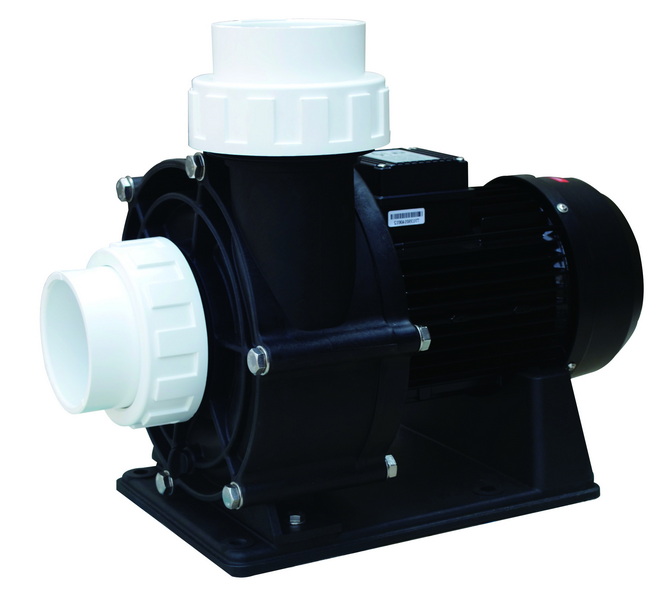
A Pool pump can run without moving water if it has lost prime, the baskets or filter are clogged, valves are closed or mis‑set, or the impeller is jammed with debris. Air leaks on the suction side can also cause the pump basket to fill with air and stop circulation, giving a clear “no flow” condition.
If the clear lid on your Pool pump shows very little water and lots of air, and the filter pressure gauge stays near zero while the pump runs, it is probably not primed. After filling the pump housing with water and restarting, the basket should fill and pressure should rise; if it does not, you likely have an air leak or valve or water‑level issue.
Yes. When a sand, DE, or cartridge filter is extremely dirty, it creates so much resistance that your Pool pump cannot push water through at a normal rate. High filter pressure combined with weak or no return flow is a strong sign that you need to backwash, clean, or replace the filter media to restore proper Pool pump performance.
With power off, open the Pool pump lid, remove the basket, and reach into the suction opening toward the impeller to feel for compacted debris. If you feel or see hair, seeds, or other material, gently remove it with your fingers or a tool; if the blockage is deep or severe, you may need to separate the pump housing from the motor for a complete inspection and cleaning.
You should consider replacing your Pool pump if the motor is very noisy, repeatedly trips breakers, leaks heavily around the seal plate, or is old and inefficient compared to modern models. In those cases, upgrading to a new, energy‑efficient Pool pump often reduces running costs, improves flow and control, and offers better long‑term reliability than continuing to repair a failing unit.
1. https://poolpartstogo.com/blogs/articles/pool-pump-working-water-not-circulating
2. https://www.rodepools.com.au/articles/no-flow-no-problems
3. https://lesliespool.com/blog/pool-pump-troubleshooting-guide.html
4. https://www.konalabs.com/blogs/news/a-guide-to-pool-flow-meters-troubleshooting-low-flow
5. https://mrpoolman.com.au/blogs/news/low-pool-water-pressure-identifying-and-fixing
6. https://netpositivepools.com/blog/how-to-prime-a-pool-pump/
7. https://rnspoolservice.com/pool-pump-air-leak-guide/
8. https://poolpartstogo.com/blogs/articles/troubleshooting-low-pool-water-flow-even-with-a-new-pump


