
Views: 222 Author: Tina Publish Time: 2025-11-03 Origin: Site


Content Menu
● Why Do Pool Ladders Become Wobbly?
● Immediate Fixes for a Wobbly Pool Ladder
>> Step 1: Inspect and Tighten Hardware
>> Step 2: Level and Stabilize the Base
>> Step 3: Address Rust, Corrosion, or Scale
>> Step 4: Upgrade Non-Slip and Grip Features
>> Step 5: Check for Deformed or Damaged Parts
● Deep Cleaning and Maintenance
>> Seasonal Detailed Inspection
● Storage Tips for Off-Season Care
>> Installation Best Practices
● Recommended Tools and Materials
● When to Replace Your Pool Ladder
● Pool Ladder PRO Tips for Safety and Comfort
● Frequently Asked Questions (FAQ)
>> 1. Why is my pool ladder still loose after tightening all bolts?
>> 2. How often should I clean and inspect my ladder?
>> 3. What's the safest way to clean a stainless-steel ladder?
>> 4. When is it time to replace the entire ladder?
>> 5. Can I use generic hardware for repairs?
A sturdy, safe pool ladder is essential for any pool owner. A wobbly ladder is not just a nuisance; it can be a significant safety risk for swimmers of all ages. This all-encompassing guide walks you through every step to secure a pool ladder, including both quick fixes and ways to prevent future issues. In addition to step-by-step repair and stabilization instructions, you'll find practical maintenance tips, PRO recommendations, and answers to key questions at the end. Read on to make your pool ladder safer, cleaner, and longer-lasting.[1][6][10][11]
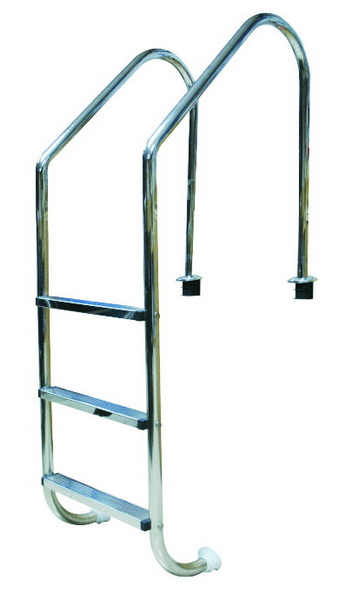
- Loose or worn-out screws and bolts: With regular use, hardware can shift or corrode.
- Uneven ground: Uneven or eroded surfaces below the ladder base contribute to instability.
- Corrosion and rust: Metal ladders are especially prone to corrosion in wet, chemically treated environments.
- Damaged base pads: Worn or missing rubber feet or anti-slip pads can make ladders rock back and forth.
- Aging and material fatigue: Over years, UV, chemicals, and mechanical load wear down plastic and metal alike.
Understanding these root causes helps in applying the right solution and preventing recurrence.[4][11][1]
- Use a wrench or socket set to check every bolt and screw.
- Replace any corroded, stripped, or undersized parts with new, manufacturer-recommended hardware.
- Be careful not to overtighten, as this can crack plastic and strip threading.
- Verify the ladder is on flat, sturdy ground or deck.
- Use a 4-foot spirit level; if uneven, adjust or add support.
- Pool noodles or rigid foam can fill gaps, and weighted sandbags help anchor the feet of above-ground pool ladders.
- Install anti-slip pads if missing or worn.
- Scrub away surface rust with a wire brush and a non-abrasive cleaner.
- Apply a rust inhibitor or pool-safe touch-up spray to protect metal parts.
- For heavily rusted ladders, replace affected parts entirely.
- Replace worn anti-slip pads, footings, or step covers with new ones.
- If the ladder feels slick, add anti-slip tape or textured strips to each step.
- For above-ground setups, zip-tie pool noodles, rubber padding, or foam rods for extra support.
- Mounting clamps or a bungee cord can help for extra lateral stability, especially for lightweight ladders in soft ground.[14][15]
- Inspect rails, feet, rungs, and mounting brackets for signs of cracks, bends, or fatigue.
- Bent legs or rails might be repairable with replacement plugs or reinforcement kits; otherwise, replace the affected component.
Pool ladder stability often comes down to cleanliness and regular care.
- Spray down with a garden hose after each pool session to remove chlorine, salt, and debris.
- Spot-check all visible hardware and footing pads.
- Gently scrub the entire ladder (frame, steps, rails) with a soft brush and a pool-safe, non-abrasive cleaner.
- Rinse thoroughly to remove chemical residues.
PRO TIP:
Never use caustic or bleach-based cleaners on stainless steel ladders—these can permanently damage the protective oxide layer.[6][4]
- Remove the ladder for a full check-up at the start and end of every swim season.
- Dry thoroughly and apply a protectant spray before reinstalling or storing for winter.
- Replace any worn-out anti-slip pads, tighten all bolts, and lubricate any moving parts with a waterproof, pool-safe product.[4][6]
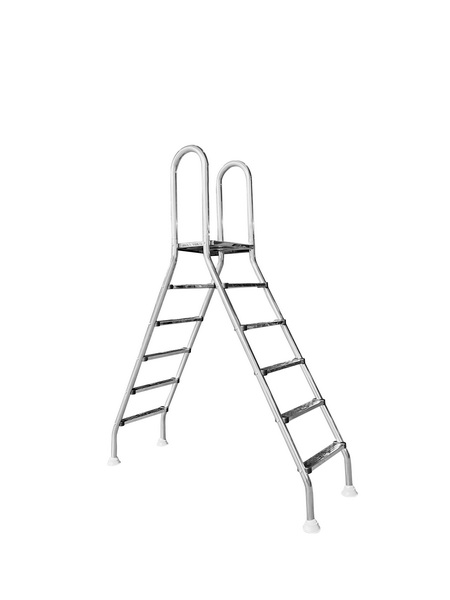
- Remove the ladder if not in use for extended periods or during winterization.
- Clean and dry completely to prevent mold and rust.
- Store in a dry, covered location; use a plastic or canvas cover for extra protection.
- Stainless steel and aluminum are the most corrosion-resistant options for most climates.
- Powder-coated and UV-stabilized plastics are good for above-ground pools but require gentler treatment to avoid cracking.[1][6]
- Always use the mounting hardware recommended by the ladder's manufacturer.
- Set anchors and brackets securely in concrete (for inground pools) or follow the installation manual for above-ground ladder models.
- Check that all steps, rails, and handholds are firmly attached and wiggle-free before use.
- Coat metal hardware with a silicone-based or Teflon spray lubricant to slow corrosion.
- Keep pool water balanced; high chlorine, low pH, or saltwater environments accelerate ladder wear.
- If your ladder is used frequently by children or heavy swimmers, check more often for bent or loose parts.
- For commercial or hotel pools, consider a professional maintenance contract for regular ladder inspections.[6]
- Wrench or socket set
- Level
- Replacement hardware (bolts, washers, anti-slip pads)
- Pool noodles, foam rods, weighted bags
- Wire brush, soft brush, or sponge
- Mild detergent or pool-surface cleaner (no bleach or abrasives)
- Lubricant and protectant spray
Certain damage simply cannot be repaired:
- Deep rust or corrosion throughout structural areas
- Cracked steps or broken handrails
- Bent, deformed, or split anchors that will not hold securely
- Hardware or plastic that no longer fits correctly even with new parts
Investing in a quality new ladder keeps your swimmers safe and discourages risky DIY fixes. Choose products from reputable brands using advanced manufacturing technologies for best results.[8][6]
- Allow only one swimmer at a time on the ladder.
- Avoid jumping from the ladder; this stresses the mounting hardware and can cause future instability.
- Always supervise children—teach them how to use the ladder safely.
- Adhere to manufacturer weight limits—never overload any pool ladder or handrail.
- Educate all users to report any “looseness” or wobble immediately.
When buying a new ladder:
- Choose models with extra-wide, textured treads for firm footing.
- Opt for stainless steel with a brushed or polished finish for lasting shine.
- For above-ground pools, pick a ladder with adjustable feet to match uneven surfaces.
- Seek out reputable manufacturers that use precise, automated machine production for superior quality—OEM solutions often offer the best long-term value for brands and wholesalers.[11][10][1]
Fixing a wobbly pool ladder is a straightforward process when you know what to look for and how to address common issues. Start with a hardware check, then stabilize the base, address rust, and replace worn pads or grips as needed. Prevent future instability with regular cleaning, maintenance, and off-season storage, and always follow best practices for material care and installation. Never ignore persistent wobbling—if a ladder cannot be made secure, replace it promptly for swimmer safety. By following these professional maintenance and repair steps, you ensure a safer, longer-lasting, and more enjoyable pool experience for all.[4][1][6]
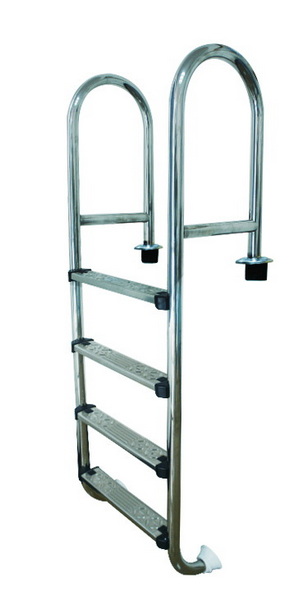
It may be due to uneven base conditions, worn pads, corrosion, or anchor damage. Inspect and address each possible issue until the ladder is firm and stable.[16][10][11]
Quick inspection and rinse after each pool session; deep clean and full check every month, with thorough seasonal inspection before reinstallation.[1][4][6]
Use warm, soapy water and a soft sponge or brush. Rinse thoroughly and dry to prevent spots. Avoid bleach or abrasive cleaners to protect the finish.[6][1]
Replace when there is deep rust, cracks, or persistent instability that repairs cannot fully fix. Never risk swimmer safety with a defective ladder.[8][11][6]
It's safest to use replacement hardware and parts specified by your ladder manufacturer to ensure fit and maximize stability.[17][1]
[1](https://georgiapoolcleaning.com/how-to-clean-and-maintain-pool-ladders-and-rails/)
[2](https://newcastleswimmingpools.com/swimming-pool-ladder-maintenance-tips/)
[3](https://www.compass-pools.co.uk/learning-centre/news/the-complete-guide-to-swimming-pool-maintenance/)
[4](https://www.mavaquadoc.com/blogs/pool-maintenance-blog/how-to-maintain-and-clean-your-pool-ladder)
[5](https://www.misa.com.tr/en/blog/content/pool-ladder-cleaning-practical-tips-and-methods-50)
[6](https://www.srsmith.com/en-us/customer-service/care-maintenance/)
[7](https://www.barrierreefpoolsperth.com.au/pool-maintenance/the-complete-pool-maintenance-guide/)
[8](https://pooltroopers.com/blog/pool-troopers-how-to-know-its-time-to-upgrade-your-ladders-and-handrails/)
[9](https://www.facebook.com/groups/637529959937311/posts/2299045047119119/)
[10](https://blog.watsons.com/blog/stabilize-above-ground-pool-ladder)
[11](https://www.poolking.co/a-news-why-is-my-pool-ladder-wobbly.html)
[12](https://www.weekand.com/home-garden/article/tighten-down-inground-pool-ladders-handles-18044595.php)
[13](https://www.youtube.com/watch?v=Nb82H39bU0g)
[14](https://www.tiktok.com/discover/how-to-keep-my-pool-ladder-sturdy)
[15](https://www.tiktok.com/@annleekangeroo/video/6980798240966855942)
[16](https://www.reddit.com/r/pools/comments/13ap2l4/advice_how_to_fix_ladder_mount/)
[17](https://www.poolkingfilter.com/how-to-fix-a-broken-pool-ladder.html)


