
Views: 222 Author: Tina Publish Time: 2025-10-15 Origin: Site


Content Menu
● Why Drain an Above Ground Pool?
● Step-by-Step Guide to Draining Your Above Ground Pool
>> Step 1: Plan and Check Local Regulations
>> Step 2: Prepare the Pool and Equipment
>> Step 3: Connect Hoses to the Pump
>> Step 5: Use a Submersible Pump for Remaining Water
>> Step 6: Final Cleanup and Inspection
● Additional Tips for Draining Your Pool
>> 1. Can I drain my pool water into the street or storm drain?
>> 2. How long does it take to drain an above ground pool?
>> 3. Is a submersible pump necessary?
>> 4. What should I do after draining the pool?
>> 5. Can I leave my pool empty for a long time?
Draining an above ground pool is an essential maintenance task that may seem intimidating but is straightforward with the right tools and clear instructions. Whether you're preparing to replace the pool liner, clean thoroughly, or store the pool for the off-season, proper draining helps maintain the pool's longevity and hygiene.
An above ground pool may need draining for several reasons:
- Repairing or replacing a damaged liner
- Removing stale or heavily chlorinated water
- Preparing the pool for winter storage or relocation
- Conducting a deep cleaning or maintenance procedure
Recognizing the purpose behind draining helps ensure you take all necessary precautions and plan the process appropriately.
To drain your pool efficiently and safely, gather the following:
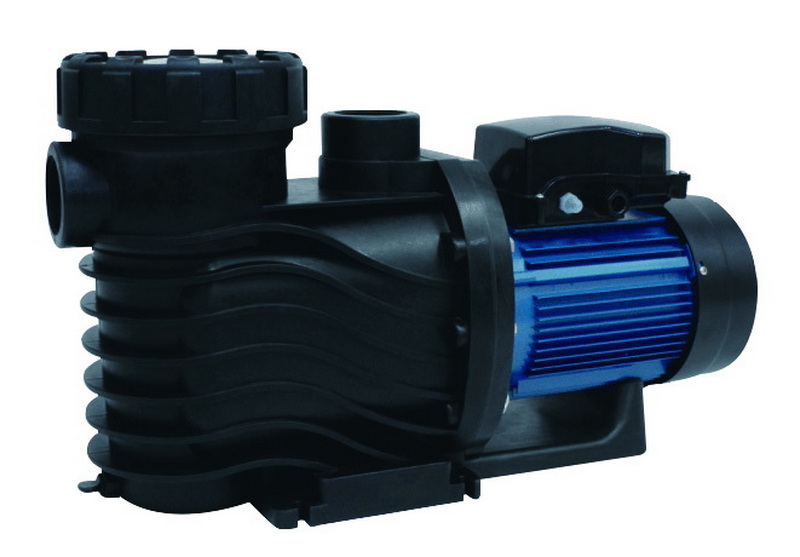
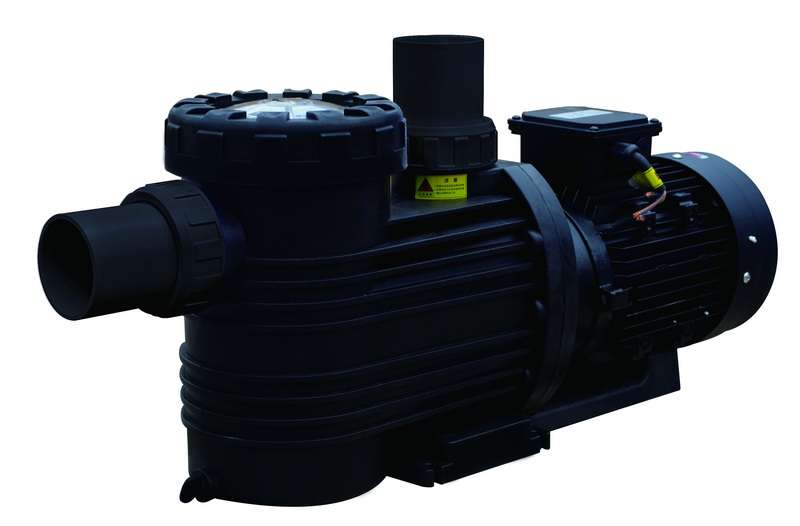
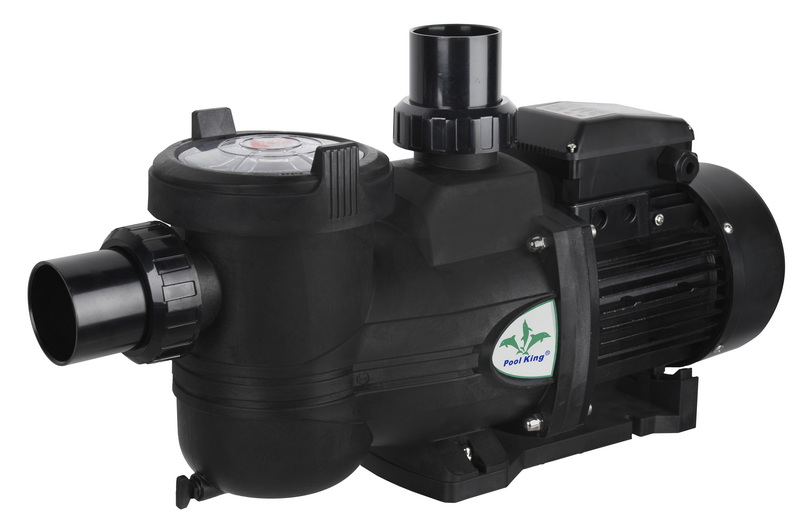
- Pool pump with waste or backwash setting
- Backwash hose or garden hose
- Submersible (sump) pump for removing low water levels
- Hose clamps and electrical tape for secure hose attachments
- Safety gear, including gloves and goggles
Before beginning, decide where the water will be drained. Many municipalities have regulations preventing pool water from entering storm drains due to chemical content. It's usually allowed to drain onto grass or garden areas where the water can be absorbed without causing run-off or damage. Always check local laws and obtain any required permits.
Remove all pool debris, such as leaves and algae, to prevent hose and pump clogging. Turn off the pool pump and disconnect any timers or automation devices to avoid accidental starts. Ensure all equipment is in good working order, including hoses and clamps.
Attach a backwash or garden hose securely to the pool pump's waste port using hose clamps and seal with electrical tape to prevent leaks. Place the other end of the hose in your designated drainage area. For pools with sand or DE filters, rotate the multiport valve to the "Waste" position to bypass the filter and send water directly out.
Switch on the pump. Water will flow from the pool through the pump and hose, draining into the chosen area. Frequently monitor the water flow and hose position to avoid flooding unwanted areas, like sidewalks or neighbor yards.
Be sure to stop the pump before the water level drops below the skimmer intake to avoid air entering the system, which could damage the pump.
Once the water gets too low for the pool pump to handle, a submersible pump can remove the remaining water efficiently. Place the submersible pump at the pool's lowest point, connect a discharge hose, and turn on the pump to evacuate the last puddles.
After draining, remove any lingering puddles with a wet/dry vacuum or mop. Clean and dry the pool liner thoroughly to prevent mold or mildew growth. This is also a good time to inspect for cracks, tears, or damage to the liner and pool structure.
- Use the siphon method with a garden hose if you lack pump access. This involves filling the hose with water, placing one end in the pool, and the other end at a downhill drainage spot to let gravity pull the water out. Although slower, it's a budget-friendly option.
- Avoid draining pool water onto hard surfaces or foundations to prevent damage.
- Do not operate your pump dry; always keep it submerged to avoid overheating or motor failure.
- When draining for winter storage, avoid completely emptying certain types of pools to prevent liner shrinkage and structural issues.
- After draining, relevel the ground if needed to avoid putting stress on the pool liner.
- [How to Drain Your Pool (FAST) - YouTube Video](https://www.youtube.com/watch?v=F8lCSLRweE0) – Detailed demonstration of various draining methods.
- [How to Drain an Above Ground Pool (Easy Trick) - YouTube Video](https://www.youtube.com/watch?v=nexuXaIQ7ec) – Shows siphoning technique.
- [How to Drain a Swimming Pool with a Sub Pump - YouTube Video](https://www.youtube.com/watch?v=WFx8SGgMLNc) – Usage of a submersible pump.
- Always ensure the pump and hoses are secure to avoid leaks or flooding.
- Follow local regulations for water disposal, especially if chemicals exist in your pool.
- Wear protective gloves and goggles when handling pool equipment and chemicals.
- Never run your pump without water as it can damage the motor.
- Use caution with electrical equipment around water to avoid hazards.
Draining an above ground pool using a pool pump is a manageable task when approached methodically. Planning the drainage location, carefully using your pump and hoses set to waste, and clearing residual water with a submersible pump ensures efficient emptying. Following safety protocols and local disposal regulations protects your property and the environment while maintaining your pool's integrity. Proper cleaning and inspection after draining help prolong the lifespan of your pool, making each swimming season enjoyable and worry-free.
Most areas prohibit draining pool water into storm drains due to chemical pollution risks. It is better to drain onto a lawn or garden area, following local guidelines.
Depending on pool size and pump capacity, draining can take several hours to a full day.
Not always. It's used mainly to remove water below the normal pump intake level.
Clean and dry the liner, inspect for damage, and store equipment properly if winterizing the pool.
It's best not to leave it empty for extended periods as this can cause liner damage or structural issues from ground shifting.
[1](https://pool.dreametech.com/blogs/blog/how-to-drain-a-pool-step-by-step-guide-for-beginners)
[2](https://www.swimmingpool.com/swimaboveground/owner-resources/how-to-empty-above-ground-pool/)
[3](https://happyhideouts.co.uk/blogs/news/how-to-drain-above-ground-pool)
[4](https://www.youtube.com/watch?v=VSKDfwrPnTg)
[5](https://blog.royalswimmingpools.com/how-to-drain-a-pool-step-by-step-guide)
[6](https://www.rrpools.ca/blog/stop-drain-pool-guide-draining-appropriate/)
[7](https://www.reddit.com/r/pools/comments/uy9n83/i_need_to_drain_and_remove_this_above_ground_pool/)
[8](https://greatbackyard.com/blogs/news/draining-your-above-ground-pool-for-winter-pros-and-cons)
[9](https://westcoastpoolspa.com/blog/a-step-by-step-guide-on-how-to-drain-your-pool/)
[10](https://www.facebook.com/groups/637529959937311/posts/2035334640156829/)


