
Views: 222 Author: Tina Publish Time: 2025-10-25 Origin: Site


Content Menu
● Why convert a pool ladder to a deck ladder
● Planning and design considerations
● Tools and materials you'll likely need
● Step-by-step installation guide
● Common challenges and troubleshooting
● Maintenance tips to extend life
● Regulatory and safety considerations
● Customization options for OEM and international markets
● Case study: OEM-friendly deck ladder integration
● FAQ
>> 1) What materials are best for deck ladders in outdoor pools?
>> 2) How do I determine the right ladder height for my deck?
>> 3) Can I install a deck ladder myself or should I hire a professional?
>> 4) How do I maintain a deck ladder to prevent corrosion?
>> 5) Is a deck ladder safer than a traditional pool ladder?
If you're upgrading a swimming pool area, converting a standard pool ladder into a deck ladder can enhance safety, accessibility, and aesthetics. This guide walks you through the reasons, planning steps, materials, installation methods, and post-installation considerations. Whether you're a pool owner, an installer, or an OEM partner seeking turnkey guidance for deck ladder solutions, this article helps you understand the process and avoid common pitfalls.
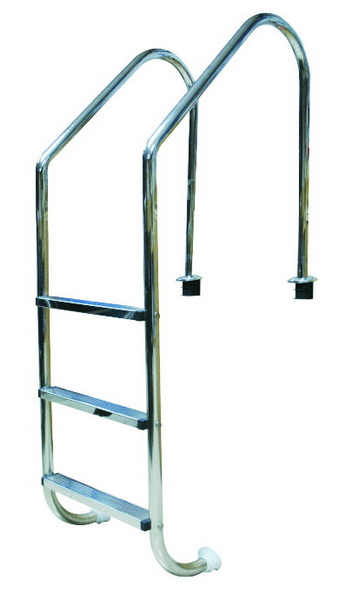
- Safety: Deck ladders can be integrated into slip-resistant decking, reducing the risk of slips around the pool edge.
- Accessibility: A deck ladder can provide a more ergonomic entry/exit point, especially for children and the elderly.
- Aesthetics: Seamless transition from deck to water creates a cleaner, modern poolscape.
- Customization: OEM/deck ladder systems enable branding, sizing, and material customization for international markets.
- Pool type and location: Above-ground vs in-ground, pool depth, and surrounding deck layout.
- Ladder type and materials: Stainless steel, aluminum, or composite; coating options for corrosion resistance.
- Attachment method: Through-bolt or flange-mounted; ensure compatibility with decking material.
- Weight rating and safety features: Anti-slip treads, handrails, and load ratings compliant with local codes.
- Manufacturing and OEM fitment: Tolerances, mounting hardware, and adaptors for various brands.
- Deck ladder kit or components: Handrails, ladder rungs, standoff brackets, mounting hardware.
- Fasteners: Stainless steel screws, washers, anchors suitable for deck material (wood, composite, or concrete).
- Sealants and gaskets: UV-resistant sealants to prevent water intrusion.
- Anti-slip treatments: Coatings or grip inserts for ladder treads.
- Optional: Water barrier flashing, deck plates, and cover caps for a finished look.
Note: Adapt steps to your specific ladder kit and deck material. Always follow manufacturer safety instructions.
1) Assess and mark the installation area
- Measure the pool deck footprint and determine the ladder's final position.
- Mark the drill points on the deck or pool edge, ensuring accessibility and clearance for user movement.
2) Remove the existing pool ladder (if applicable)
- Safely detach the old ladder, ensuring no damage to the pool shell or surrounding materials.
- Clean the mounting surfaces to ensure a secure fit for the new deck ladder.
3) Prepare the mounting surface
- Verify deck integrity; repair any cracks or soft spots.
- Drill pilot holes according to the ladder kit's mounting template.
4) Install the support structure
- Attach standoff brackets or mounting plates to the deck using appropriate fasteners.
- Ensure brackets are level and aligned with the pool edge.
5) Attach the ladder components
- Connect the ladder rungs, handrails, and supports per the kit instructions.
- Tighten all fasteners to the recommended torque; avoid over-tightening which can deform components.
6) Seal and finalize
- Apply sealant around attachment points to prevent water ingress.
- Install any decorative caps or covers to conceal mounting hardware.
7) Safety checks
- Test the ladder for wobble; it should be firm with no lateral movement.
- Confirm handrails are secure and grips are slip-resistant.
- Ensure clearance for users with adequate hand grip and step height.
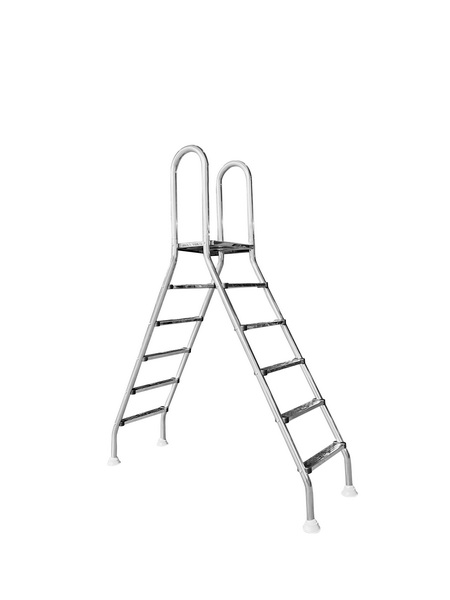
- Misalignment: Re-check templates and shims; verify level before final tightening.
- Corrosion risk: Use corrosion-resistant materials and coatings; apply rust inhibitors where appropriate.
- Water pooling at mounts: Re-seal with weatherproof sealants and consider additional drainage paths.
- Regular inspections: Check fasteners, brackets, and rungs every season.
- Cleaning: Rinse with fresh water to remove chlorine and salt buildup; dry thoroughly.
- Re-coating: Reapply anti-slip coatings as needed; replace worn handgrips promptly.
- Local building codes: Verify compliance with pool safety standards and deck construction codes.
- Load ratings: Ensure the ladder meets the intended user weight limits.
- Slip resistance: Use materials with proven anti-slip properties in wet conditions.
- Branding: Add logos and color schemes that match pool branding.
- Materials: Offer stainless steel, anodized aluminum, or composite options for different climates.
- Finishes: Powder-coated or brushed finishes to match deck aesthetics.
- Integration: Design modular kits compatible with a range of pool brands and deck designs.
- Challenge: A European pool brand required a deck ladder that integrated seamlessly with a timber deck and met stringent corrosion resistance.
- Solution: Provided a modular deck ladder kit with stainless steel components, a water-tight seal at mounts, and custom branding. Result: Faster installation, reduced maintenance, and improved customer satisfaction.
Converting a pool ladder to a deck ladder can significantly improve safety, accessibility, and visual appeal when done with careful planning, appropriate materials, and proper installation techniques. By choosing the right ladder system, following a precise installation workflow, and maintaining the finished product, you create a durable, attractive enhancement for pools in various markets.
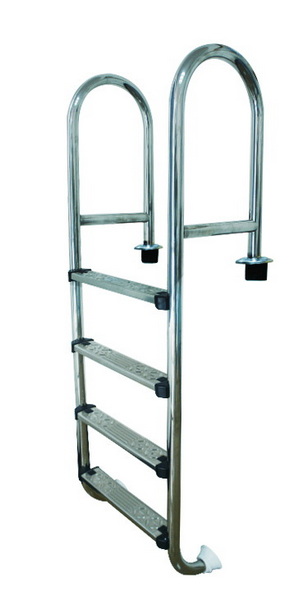
- Stainless steel, anodized aluminum, and certain high-grade composites offer excellent corrosion resistance and longevity in outdoor pool environments.
- Measure the deck height above the water level and follow the ladder kit's height range specifications. Adjust with risers or brackets if necessary.
- If you have basic carpentry skills and follow the manufacturer's instructions, a DIY installation is feasible. For complex deck systems or high-risk setups, hire a professional installer.
- Rinse after pool use, dry thoroughly, reapply anti-slip coatings as needed, and inspect fasteners for corrosion and tightness regularly.
- A properly installed deck ladder can be safer due to integration with the deck, reduced edge exposure, and improved grip and stability, but only if it meets all safety standards and is regularly maintained.


