
Views: 222 Author: Tina Publish Time: 2025-10-25 Origin: Site


Content Menu
● Why stainless steel ladders get dirty
● Safety considerations before cleaning
● Cleaning tools and products you'll need
● Step-by-step cleaning process
● Specific tips for saltwater and chlorinated pools
● Handling corrosion and pitting
● Preventive maintenance schedule
● How to choose the right cleaner
● Industrial and OEM considerations for buyers
● FAQs
>> 1. How often should I clean a stainless steel pool ladder?
>> 2. Can I use bleach on stainless steel pool ladders?
>> 3. What's the best way to remove rust spots from stainless steel ladders?
>> 4. Are there cleaners specifically formulated for pool stainless steel?
>> 5. Should I remove the ladder for cleaning?
This article provides practical, step-by-step guidance on cleaning and maintaining stainless steel pool ladders. It covers common contamination types, best cleaning products, safety considerations, and tips to extend the ladder's life while keeping it visually appealing. The content is tailored for OEM contexts and international buyers seeking reliable pool filtration and stainless components from a China-based manufacturer.
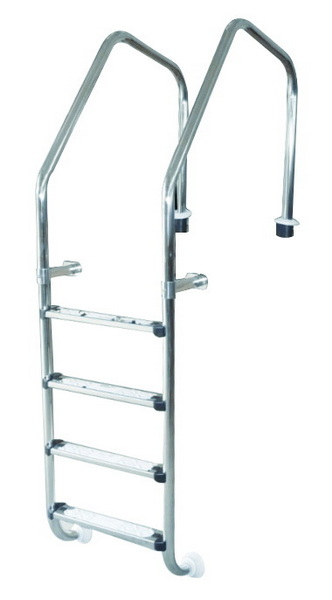
Stainless steel pool ladders blend durability with sleek aesthetics, making them a staple in many residential and commercial pools. Over time, exposure to pool chemicals, chlorinated water, sunlight, and weather can lead to staining, scale buildup, pitting, and grime. Proper cleaning not only improves appearance but also preserves structural integrity and safety. This guide outlines effective cleaning methods, maintenance routines, and best practices to keep stainless steel pool ladders in top condition.
- Chlorine and pool chemicals cause surface discoloration and mineral deposits.
- Hard water can leave mineral scale on joints and treads.
- Environmental elements such as rain, sun exposure, and airborne pollutants contribute to dullness and staining.
- Routine use and romanticized “showpiece” expectations can lead to neglect if cleaning is inconsistent.
- Power off any nearby pool equipment and drain or isolate electrical components as needed.
- Use non-slip footwear and gloves to protect hands.
- Avoid harsh chemicals that could corrode or damage seals and gaskets.
- Test a small hidden area first to ensure the cleaner does not affect the finish.
- Soft microfiber cloths and non-abrasive sponges
- Mild detergent or specialized stainless steel cleaner
- White vinegar or citric acid solution for mineral deposits
- Baking soda paste for stubborn stains
- Non-abrasive nylon brush for intricate areas
- Spray bottle and bucket
- Safety gear: gloves, eye protection, and, if necessary, a face mask
- Prep: Rinse ladder with clean water to remove loose debris.
- Wet cleaning: Apply a mild detergent solution and wipe along the grain (direction of metal polish) to avoid scratching.
- Scale and mineral deposits: For mineral buildup, use a vinegar solution (equal parts white vinegar and water) or a citric acid solution; apply, let sit briefly, then scrub gently.
- Stubborn stains: Create a paste with baking soda and water; apply to the stain, let sit, then scrub with a nylon brush.
- Rinse thoroughly: Rinse with clean water to remove all residues of cleaner.
- Dry and inspect: Dry with a soft cloth, inspect for any remaining stains, rust, or dull spots.
- Polishing (optional): Use a stainless steel polish or microfiber cloth to bring back a polished finish; rub with the grain.
- Reassembly and safety check: Ensure all mounting bolts and steps are secure; tighten if necessary; confirm no sharp edges remain.
- Limit exposure time of cleaner to avoid reactions with chlorinated water.
- Rinse immediately after cleaning to remove chemical residues.
- Consider a stainless-steel-safe cleaner designed for marine or pool environments.
- Small surface pits can be managed with polishing pastes; deeper pitting may require professional assessment.
- If corrosion is extensive, stop using the ladder in the pool until evaluated.
- Weekly: Quick wipe-down with fresh water to remove chlorine salts and debris.
- Monthly: Thorough cleaning following steps outlined above.
- Quarterly: Inspect welds, mounting hardware, and step treads; re-tighten fasteners as needed.
- Annually: Professional inspection for corrosion and structural integrity, especially in coastal or highly salted environments.
- Pick a non-abrasive, stainless-steel-safe cleaner.
- Prefer pH-balanced products to reduce corrosion risk.
- Favor products that are compatible with pool chemistry and coatings.
- As a Chinese manufacturer, we offer OEM services for foreign brands, wholesalers, and manufacturers seeking reliable stainless steel ladders and pool equipment.
- Emphasize product quality control, corrosion resistance, and compatibility with various pool chemistries.
- Provide detailed product data sheets with corrosion resistance ratings, stainless grade (e.g., 304 or 316 stainless), load ratings, mounting standards, and installation instructions.
- Include imagery and video assets that demonstrate production processes, QA checks, and application demonstrations in real pool environments.
Regular cleaning and proactive maintenance extend the life of stainless steel pool ladders, preserve their finish, and ensure safe use. By following the steps outlined above and choosing appropriate cleaners designed for stainless steel and pool environments, you can maintain an attractive, durable ladder for years. For OEM inquiries or to request product catalogs and multimedia assets, contact us.
Answer: Clean it at least monthly with a thorough wipe-down, and perform quick rinses after heavy pool use or chemical treatments.
Answer: Bleach can be harsh on stainless steel and may cause discoloration; use milder detergents or stainless steel cleaners instead.
Answer: For light rust, use a non-abrasive cleaner or a paste of baking soda and water, scrub gently, rinse, and dry. For deeper rust, consult a professional or consider replacement if structural integrity is compromised.
Answer: Yes, look for cleaners labeled safe for stainless steel and suitable for pool environments; they typically contain inhibitors that protect against corrosion.
Answer: It's often easier to clean a ladder when it's installed, but for stubborn grime or thorough inspection, you may temporarily detach it if safe to do so and you can reinstall securely afterward.


