
Views: 222 Author: Tina Publish Time: 2025-07-31 Origin: Site


Content Menu
● Understanding Pool Plastic Fittings & Inlets
● Why Regular Cleaning Is Essential
● Tools and Materials You'll Need
● Step-by-Step Guide to Cleaning Pool Plastic Fittings and Inlets
>> 1. Preparing the Pool and Equipment
>> 2. Removing and Cleaning the Inlet Fittings
>> 3. Flushing and Clearing Suction Lines
>> 4. Reinstalling and Final Steps
● Additional Tips for Dealing with Persistent Stains and Scale
● Pro Tips for Ongoing Maintenance
● Frequently Asked Questions (FAQ)
>> 1. How often should I clean my pool plastic fittings and inlets?
>> 2. What if fittings are badly stained or won't come clean?
>> 3. Can I use bleach or household cleaners?
>> 4. What should I do if a fitting leaks after reinstallation?
>> 5. Is it safe to disassemble and clean inlets myself?
Plastic fittings and inlets play an essential role in your pool's circulation system. They include all the parts where water flows in and out—return jets, skimmers, main drains, joints, connectors, and valves. These fittings are usually made of durable, UV-resistant plastics to withstand environmental exposure.
Though built tough, they still require routine cleaning to keep free from the grit, oils, algae, and calcium deposits that naturally accumulate with use and time. Failure to do so causes reduced water circulation efficiency, poor water quality, and potential wear or leaks in your system. Regular maintenance keeps your pool water clean, reduces chemical needs, and extends the life of your equipment.
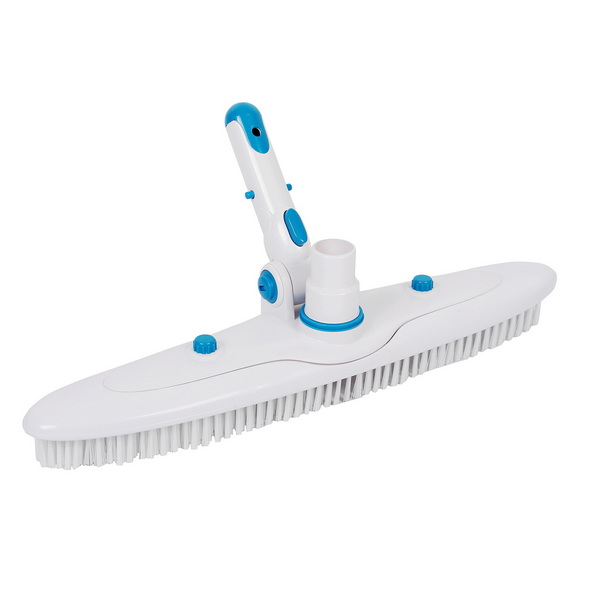
Pool plastic fittings generally include:
- Inlet fittings (return jets): Where filtered water re-enters the pool.
- Suction fittings: Such as skimmers and main drains pulling water into the filtration system.
- Connector elbows and joints: For routing pipes around the pool perimeter.
- Valves and plugs: To control water flow and isolate sections during maintenance.
These components are mostly injection-molded from PVC or similar plastic materials, balancing strength, flexibility, and resistance to UV degradation and pool chemicals.
Keeping fittings and inlets clean benefits your pool in multiple ways:
- Prevents algae, bacteria, and biofilm buildup that can contaminate pool water and pose health risks.
- Maintains optimal water flow and pressure, resulting in better filtration and circulation.
- Reduces the amount of chemicals needed to maintain water balance by ensuring proper system function.
- Prevents equipment damage by avoiding blockages that cause pumps to overwork or valves to fail.
- Enhances swimmer safety by eliminating stagnant areas where harmful organisms could thrive.
Neglect can result in cloudy or green water, unpleasant odors, and costly repairs.
Before you begin, gather these items for an efficient and safe cleaning process:
- Screwdrivers (both Phillips and flathead) for removing covers.
- Pool-friendly brushes—nylon bristles work best; avoid metal brushes that may scratch plastics.
- Soft cloths and sponges for gentle scrubbing.
- White vinegar or a commercially available pool-safe descaler to dissolve mineral scale.
- PVC-safe cleaners or primers for tougher grime.
- Small bucket or basin to soak parts.
- Teflon tape and silicone lubricant for reassembly seals.
- Threaded plugs and replacement O-rings, in case of wear or damage.
- Garden hose with spray nozzle to rinse thoroughly.
- Drain bladder or pipe jet for flushing lines, if necessary.
Start by isolating the section of your pool's plumbing you'll be working on:
- Turn off the pool pump and close valves leading to the fittings and inlets to prevent water flow.
- Unscrew the fitting covers carefully using the appropriate screwdriver.
- If your system has shutoff valves, close them to isolate the conduits. If not, use threaded plugs to stop water backflow.
- This stage is crucial to avoid leaks and spills while cleaning.
- Carefully unscrew or unclasp the inlet fitting following manufacturer instructions.
- Inspect for visible debris, algae patches, mineral buildup, or cloudiness.
- Prepare a mixture of white vinegar and water, or use a pool-safe descaler, and soak the fittings for 15 to 30 minutes. This softens mineral deposits like calcium scale.
- Use a soft nylon brush or sponge to gently scrub the fittings, focusing on crevices and threaded areas.
- Avoid any abrasive scrubbing tools that might crack or scratch plastic.
- Rinse thoroughly with clean water from a hose to remove all residue.
- To clear out suction piping (skimmer line, main drain), plug openings on either side using threaded O-ring plugs to prevent water from flowing during flushing.
- Open the pump's strainer housing to remove and clean the basket where debris often collects.
- If the line is clogged or restricted, use a drain bladder (expansion ball) attached to a hose to flush blockages out by pressurizing the pipe.
- Alternatively, a pool jet nozzle can be used to blast the line with water.
- Before reassembling parts, inspect the O-rings and gaskets for any signs of wear, cracking, or dryness. Replace if needed.
- Apply a thin layer of silicone lubricant to O-rings to ensure a watertight seal and extend ring life.
- Use Teflon tape on threaded connections to prevent leaks but avoid over-tightening fittings, which may cause plastic cracking.
- Reinstall fittings and covers securely.
- Reopen any valves previously closed.
- Turn on the pool pump and check for leaks at all connections.
- Verify water flow returns to usual levels and watch for any issues.
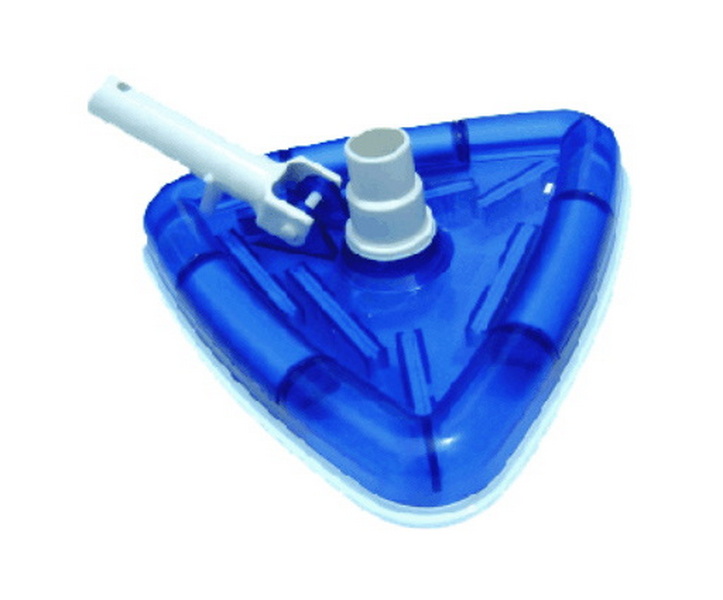
If fittings have hard, stubborn stains or heavy mineral deposits that vinegar soaking cannot remove:
- Consider using a manufacturer-approved PVC cleaner. Always test on a small hidden area first.
- Avoid harsh chemical cleaners or household bleach as they can degrade plastic and alter pool chemistry.
- For extremely worn or ugly fittings, replacement may be the best long-term solution. Upgrading to newer fittings improves aesthetics and reliability.
- Pay special attention to areas with hard water or high mineral content, as scale buildup tends to be more severe.
- Schedule regular inspections every 1–3 months, adjusting frequency during heavy pool use or after storms.
- Keep your pool filter clean and backwashed regularly to reduce debris and strain on fittings.
- Label and map shutoff valves for quicker access during future maintenance.
- Maintain a toolkit with extra O-rings, Teflon tape, threaded plugs, and lubricants ready for quick fixes.
- Educate other pool users on the importance of preventing debris and oils from entering the water to reduce buildup.
Regular cleaning and maintenance of pool plastic fittings and inlets are crucial steps in ensuring your pool runs smoothly, stays visually appealing, and remains safe for swimmers. These components are easy to overlook but have a significant effect on water circulation, filtration efficiency, and overall pool health.
By following the detailed steps outlined above—preparing your pool system, removing and soaking fittings, flushing pipes, and careful reassembly—you can prevent common issues like algae growth, scale buildup, and blockages. Using proper tools, safe cleaning agents, and maintaining a routine schedule will save you time and costly repairs in the long run.
Remember to inspect fittings frequently, replace worn parts, and never use harsh chemicals that could degrade the plastic. Keeping your pool plumbing clean not only extends equipment life but also helps maintain crystal-clear water for a refreshing swimming experience.
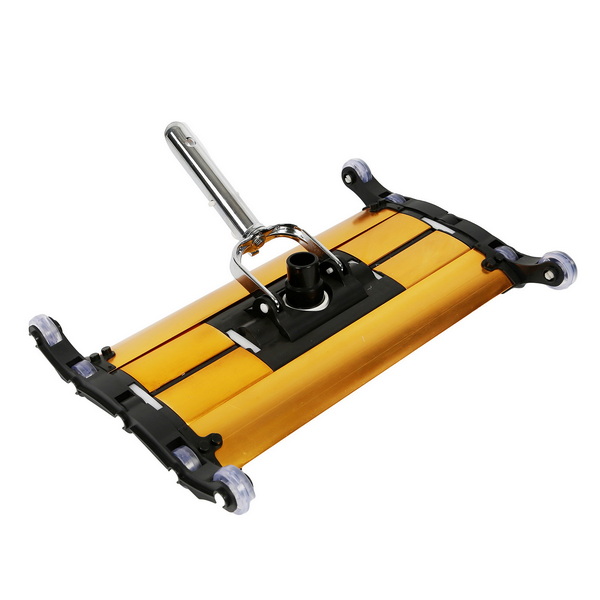
Inspect your fittings every 1 to 3 months. Clean more often if the pool is heavily used or if you experience cloudy water or reduced flow.
Try a stronger pool-friendly descaler but avoid harsh chemicals. If stubborn stains remain, replacing the fittings may be necessary for safety and appearance.
No. Bleach and common household cleaners can damage plastic fittings and disrupt pool water chemistry. White vinegar or commercial pool-safe descalers are safer choices.
Check O-rings for damage and ensure they are properly lubricated. Use Teflon tape on threaded fittings and avoid overtightening, which can crack plastics.
Yes, most residential pool fittings are user-serviceable. Just be sure to isolate water flow first and handle plastic parts gently to avoid cracks or cross-threading.


