
Views: 222 Author: Tina Publish Time: 2026-01-23 Origin: Site


Content Menu
● Why Pool Ladders Attract Algae
● Safety Precautions Before Cleaning
● Tools and Cleaners You Will Need
● Step‑by‑Step: How to Clean Algae from Pool Ladder
>> Step 1: Remove the Pool Ladder
>> Step 2: Rinse and Pre‑Clean the Pool Ladder
>> Step 3: Scrub Algae off the Ladder Surface
>> Step 4: Use Vinegar and Baking Soda for Stubborn Stains
>> Step 5: Disinfect the Pool Ladder with Chlorine Solution
>> Step 6: Treat the Water Around the Pool Ladder
>> Step 7: Clean and Backwash the Filter
>> Step 8: Inspect, Dry, and Reinstall the Ladder
● Advanced Tips for Hidden and Under‑Step Algae
● Non‑Chemical or Low‑Chemical Cleaning Options
● How to Prevent Algae on Pool Ladder
● Choosing the Right Pool Ladder to Reduce Algae
● Common Mistakes When Cleaning Pool Ladder Algae
● How Professional‑Grade Filtration Helps Keep Your Pool Ladder Clean
● FAQ About Cleaning Algae from Pool Ladder
>> 1. How often should a pool ladder be cleaned?
>> 2. Can household vinegar safely clean a pool ladder?
>> 3. Do I need to shock the pool if algae are only on the ladder?
>> 4. Are there algae‑resistant pool ladders?
>> 5. Is a mat under the pool ladder a good idea?
>> 6. What is the best brush to use on a pool ladder?
>> 7. How long does it take to remove algae from a pool ladder?
>> 8. Can I clean the pool ladder during the swimming season without draining the pool?
>> 9. Why does algae keep coming back on my pool ladder?
>> 10. Should I remove the pool ladder for winter or off‑season?
Cleaning algae from a pool ladder is essential for safety, hygiene, and keeping your backyard oasis looking professional and inviting. When algae grow on a pool ladder, they create slippery, discolored surfaces and can spread spores throughout the entire pool system.
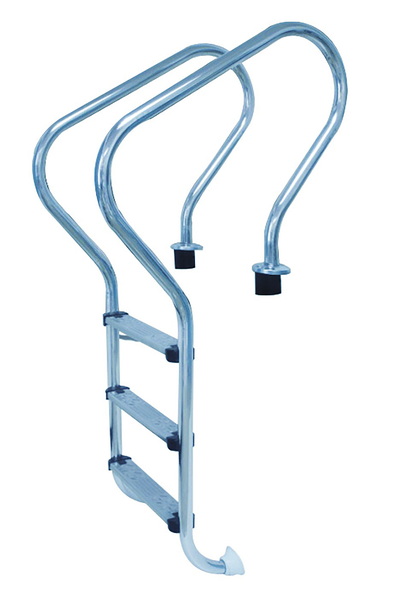
Pool ladders are one of the first places algae colonize because of their submerged, shaded surfaces and all the small joints and corners where water circulation is weak. If algae on a pool ladder are ignored, they often become a hidden source of contamination, even when the rest of the pool looks clear.
- Poor circulation around the pool ladder treads and side rails leaves pockets of still water where algae thrive.
- Shaded areas under and behind the pool ladder protect algae from direct sunlight, helping them survive longer.
- Metal screws, plastic joints, and porous fiberglass or resin in a pool ladder give algae surfaces to cling to, where normal brushing might miss.
Cleaning algae off a pool ladder involves chemicals and manual scrubbing, so basic safety measures are important. Preparing your tools and workspace before you start makes the process smoother and reduces risk.
- Always turn off the circulation pump and any connected automation before removing or working on the pool ladder.
- Wear gloves and goggles when handling chlorine products, algaecides, vinegar mixtures, or any concentrated cleaner around the pool ladder.
- Never mix chlorine with acids, vinegar, or ammonia-based products during pool ladder cleaning, because this can create dangerous gases.
To remove algae efficiently and protect your pool ladder, prepare appropriate tools and cleaners in advance. Choose methods that match your ladder material, such as stainless steel, resin, plastic, or fiberglass.
- Stiff but non‑metal brush suitable for the pool ladder surface (nylon or plastic bristles for vinyl and resin, manufacturer‑approved brushes for stainless steel).
- Long‑handled pool brush to reach the walls and floor around the pool ladder once it is removed.
- Mild detergent, white vinegar, baking soda, or a pool‑safe commercial cleaner designed for ladders and steps.
- Chlorine shock or granular chlorine and, optionally, a compatible algaecide to treat the water around the pool ladder and the entire pool.
- Garden hose with spray nozzle, bucket for mixing solutions, rubber gloves, microfiber towels, and basic hand tools for ladder removal.
Deep cleaning is most effective when you completely remove the pool ladder from the water. This allows you to reach hidden spaces and ensures that algae are scrubbed away instead of just pushed around.
Removing the pool ladder gives full access to every surface and prevents debris from falling back into the water while you work.
- Turn off the pump and any heaters or cleaners, then loosen the bolts or locking mechanisms that secure the pool ladder to the deck.
- Lift the pool ladder straight up and away from the wall to avoid scratching the pool liner or damaging coping.
- Place the pool ladder on a clean, flat surface near a hose so you can rinse and scrub it thoroughly.
Pre‑rinsing removes loose debris and makes it easier to see the worst algae patches on the pool ladder.
- Use a garden hose to rinse the entire pool ladder, focusing on the underside of steps, bolt areas, and rail curves.
- Apply a mild detergent solution using a sponge or soft brush, then gently wash away body oils, light dirt, and early algae film from the pool ladder.
- Rinse again so you can clearly identify remaining spots where algae are strongly attached.
Mechanical scrubbing is the heart of algae removal. The goal is to break the grip of the algae colonies and brush them off the pool ladder completely.
- Use a stiff, non‑metal brush to scrub each rung, step, and side rail of the pool ladder, including corners, hinge joints, and underside surfaces.
- Scrub in multiple directions—up, down, and in circles—to reach the tiny pores and joints where algae hide on the pool ladder.
- Rinse frequently so the loosened algae and dirt wash away instead of drying back onto the ladder surface.
Some algae leave behind stains or blend with mineral deposits, especially on older pool ladder surfaces. Mild household products are often enough to remove these marks.
- Spray or wipe a 1:1 white vinegar and water solution onto stained areas of the pool ladder, let it sit for several minutes, then scrub.
- For stubborn marks, make a thick paste of baking soda and water, apply it to problem spots on the pool ladder, leave it for 10–15 minutes, then scrub and rinse.
- Repeat as needed, but avoid aggressive scouring pads on delicate coatings or shiny finishes on the pool ladder.
After scrubbing off visible algae, disinfecting ensures that tiny spores on the pool ladder are also killed.
- Prepare a diluted chlorine solution, such as one part liquid bleach to ten parts water, in a bucket.
- Using a sponge or soft brush, apply the solution over every surface of the pool ladder, including joints, underside edges, and inside hollow sections when accessible.
- Allow the solution to sit for 15–20 minutes so it can penetrate micro‑scratches and small gaps on the pool ladder.
- Rinse thoroughly with plenty of clean water to remove chlorine residue before putting the ladder back into the pool.
Even if algae seem limited to the pool ladder, spores circulate in the water. Treating the pool helps prevent new growth.
- Test water chemistry, focusing on chlorine, pH, and alkalinity, and adjust to recommended ranges before shocking.
- Add pool shock according to product instructions, allowing the filter system to run continuously for 24 hours so sanitized water fully circulates around the pool ladder zone.
- During this time, brush the wall and floor where the pool ladder normally sits to remove any leftover algae or biofilm.
Once algae from the pool ladder have been brushed into the water and killed with shock, the filter collects that debris. If it is not cleaned, the system may keep recirculating fine particles.
- Backwash sand or DE filters until the sight glass shows clear water, or rinse cartridge elements thoroughly with a hose.
- Inspect cartridges for clogs, tears, or heavy staining; replace them if water flow remains weak after cleaning.
- Make sure your filtration schedule runs long enough each day to keep water moving strongly around the pool ladder and steps.
Once cleaning and disinfection are complete, check the pool ladder carefully before putting it back into service.
- Rinse the pool ladder one final time, then dry it using microfiber towels or let it air‑dry in a shaded, ventilated place.
- Inspect for cracks in plastic, rust spots on metal rails, loose bolts, or worn treads; repair or replace components as needed.
- Reinstall the pool ladder firmly, ensuring it does not wobble and that each step feels solid when stepped on.
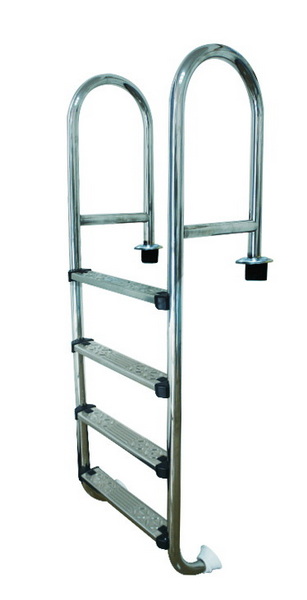
Algae often grow under enclosed steps or inside hollow sections of a pool ladder where normal brushing cannot reach. Special tricks can help with these hard‑to‑reach spots.
- If your pool ladder has removable treads or ballast compartments, take them apart and clean inside with a narrow brush and disinfecting solution.
- Use a strong hose jet or narrow nozzle to flush water through hollow ladder parts to push out trapped debris and algae.
- For enclosed steps that cannot be fully opened, remove the entire assembly occasionally and soak it in a large container of diluted chlorine or vinegar solution, then rinse well.
- Consider ladders or step systems with lattice‑style sides or open backs that allow better circulation and easier cleaning beneath and behind the pool ladder.
Some pool owners prefer gentler cleaning products for the pool ladder, especially when children or sensitive swimmers use the pool frequently.
- White vinegar can dissolve light algae films and scale on a pool ladder, especially when combined with thorough brushing.
- Baking soda provides mild abrasion that helps remove slippery patches without scratching most resin and plastic ladder surfaces.
- Hydrogen peroxide at low concentration can help lighten organic stains and kill some algae, but it is usually slower than chlorine.
- Lemon juice or other mild citric acid products may help with small stains on a pool ladder, though they are better suited for spot treatment than heavy growth.
Even when using low‑chemical methods, good water balance and regular brushing of the pool ladder are still essential for preventing new algae blooms.
Prevention saves time, money, and effort. A simple routine can keep a pool ladder clean for most of the season.
- Keep sanitizer and pH within recommended ranges so algae cannot easily attach to the pool ladder surfaces.
- Run the pump long enough each day—often 8–12 hours in hot weather—to ensure water moves constantly around the pool ladder and steps.
- Aim at least one return jet toward the area near the pool ladder to disrupt stagnant water pockets.
- Brush the pool ladder and nearby walls weekly, even if no algae are visible, and perform a full removal and deep cleaning every month during peak season.
- Use a quality algaecide as directed, especially if the pool ladder is in a shaded corner or the pool is used heavily.
When upgrading equipment, the design and material of your pool ladder can reduce future algae problems and simplify cleaning.
- Ladders with smooth, non‑porous surfaces make it difficult for algae to anchor and easier to wipe down.
- Open‑tread and open‑side designs allow water to flow freely around and through the pool ladder, reducing dead spots where algae can hide.
- Corrosion‑resistant materials and quality coatings help prevent pitting and roughness that would otherwise trap tiny algae colonies.
- If possible, choose a pool ladder that can be disassembled easily so you can clean inside ballast chambers and hidden cavities.
Avoiding a few common mistakes will protect both the pool and the pool ladder.
- Using wire brushes or harsh abrasives on vinyl‑coated or resin ladders can scratch the surface and create more places for algae to cling.
- Leaving strong chemicals on the pool ladder without thorough rinsing can damage liners, decking, or hardware over time.
- Cleaning only the visible tops of steps and ignoring underside areas causes algae to grow back quickly from hidden spores.
- Skipping filter cleaning after heavy pool ladder brushing can allow fine algae debris to recirculate through the system.
- Leaving the pool ladder in stagnant, unbalanced water during the off‑season encourages deep staining and heavy algae buildup.
A clean pool ladder depends not only on manual scrubbing but also on consistent, efficient filtration and circulation. High‑quality filters and pumps help keep water clear so algae have fewer chances to settle on the pool ladder.
- A properly sized sand filter, DE filter, or cartridge filter removes fine particles, including dead algae scrubbed from the pool ladder.
- Energy‑efficient pumps and smart control systems can run longer at low speeds, improving circulation around the pool ladder without greatly increasing energy use.
- For commercial pools or demanding residential installations, pairing robust filters with durable pool ladders ensures a stable, professional‑grade system.
If you are a brand owner, wholesaler, or pool equipment manufacturer, working with an experienced OEM filtration factory allows you to integrate reliable filters, pumps, and accessories that keep pool ladders cleaner with less maintenance.
An algae‑covered pool ladder is much more than an eyesore; it is a real safety hazard and a constant source of contamination for the rest of the pool. By removing the pool ladder, rinsing, scrubbing, treating stains, disinfecting with a suitable chlorine solution, and thoroughly cleaning the filtration system, you restore both safety and appearance. When this process is combined with good circulation, balanced chemicals, smart ladder design, and consistent weekly maintenance, algae growth on the pool ladder can be significantly reduced. Whether you manage a home pool or support customers as a brand, wholesaler, or OEM partner, a clear focus on pool ladder hygiene will keep every swim experience cleaner, safer, and more enjoyable.
Contact us to get more information!
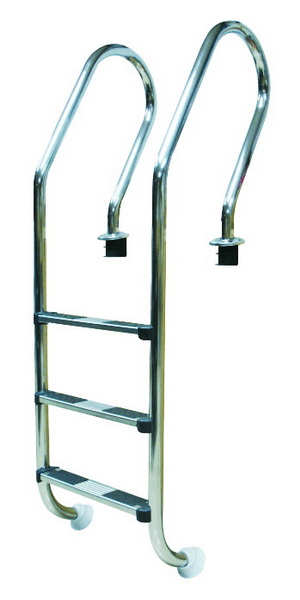
A pool ladder should be brushed quickly at least once a week during the swimming season to prevent algae from getting established. In warm or heavily used pools, removing the pool ladder for a full deep cleaning once a month is a practical schedule, especially if you have had algae issues before.
Yes, white vinegar diluted with water is generally safe for most pool ladder materials and works well on light algae film and mineral scale. Always test a small hidden spot first and rinse the pool ladder thoroughly afterward so concentrated vinegar does not enter the pool in large amounts.
It is strongly recommended to shock the pool even when algae seem limited to the pool ladder area. Algae spores travel throughout the water, so shocking and running the filter help prevent the algae you removed from the ladder from colonizing walls, floors, or other equipment later.
No pool ladder is fully algae‑proof, but some designs and materials make algae growth less likely and cleaning much easier. Smooth, non‑porous surfaces, open‑tread designs, and better water circulation around and through the pool ladder reduce dead zones and help keep the ladder cleaner between maintenance sessions.
A mat under a pool ladder can protect delicate liners from pressure points but may also create low‑flow areas where algae and debris accumulate. If you use a mat, make sure to remove both the mat and the pool ladder periodically for thorough cleaning and ensure water chemistry and circulation are well maintained.
For most vinyl, resin, or plastic pool ladder surfaces, a stiff nylon or plastic‑bristle brush is best because it removes algae without scratching. For stainless‑steel ladders, you can sometimes use a firmer brush if it is approved by the manufacturer, but avoid any tool that leaves deep marks or grooves.
A typical deep cleaning session for a pool ladder, including removal, scrubbing, stain treatment, disinfection, and reinstallation, can take one to two hours. However, the full effect in the pool often appears after 24–48 hours, once shock treatment and filtration have removed remaining algae from the water.
Yes, you can remove and clean the pool ladder at any time during the season while the pool is full. Simply close off the area for safety, remove the pool ladder, perform your cleaning routine on the deck, and then reinstall it once it is fully rinsed and dry or nearly dry.
Persistent algae on a pool ladder are usually a sign of poor circulation, unbalanced water, hidden cavities that are not fully cleaned, or inconsistent filtration. Improving water flow around the ladder, maintaining consistent sanitizer and pH levels, and performing deeper disassembly cleaning often solve recurring problems.
If your climate requires closing the pool, removing the pool ladder during the off‑season is an excellent idea. Cleaning, drying, and storing the pool ladder in a dry place prevents long‑term staining, algae buildup in stagnant water, and unnecessary wear from harsh weather.
1. https://www.poolkingfilter.com/how-to-clean-algae-off-pool-ladder.html
2. https://newcastleswimmingpools.com/swimming-pool-ladder-maintenance-tips/
3. https://www.mavaquadoc.com/blogs/pool-maintenance-blog/how-to-maintain-and-clean-your-pool-ladder
4. https://www.mavaquadoc.com/blogs/pool-maintenance-blog/how-do-i-clean-algae-from-pool-steps
5. https://blogs.aiper.com/au/how-to-clean-pool-steps-and-ladders/
6. https://www.asppoolco.com/blog/2022/august/pool-algae-and-how-to-kill-any-type-and-or-color/
7. https://lesliespool.com/blog/top-10-algae-prevention-tips.html
8. https://www.lathampool.com/blog/maintain/how-to-prevent-get-rid-of-pool-algae/
9. https://www.youtube.com/watch?v=2SDf09dMYMY
10. https://www.youtube.com/shorts/JxJryK8ZjqE
11. http://www.poolforum.com/pf2/showthread.php/5024-Algae-under-pool-steps
12. https://www.thepoolfactory.com/a/answers/5890930
13. https://lakemanagementinc.net/get-rid-of-pool-algae/
14. https://www.mavaquadoc.com/blogs/pool-maintenance-blog/what-is-the-best-way-to-clean-pool-ladders


