
Views: 222 Author: Tina Publish Time: 2025-10-16 Origin: Site


Content Menu
● What sand to use and how much
● Tools and safety you'll need
● Preparation and draining old sand
● Maintenance tips to extend sand life
● Quick checklist before you start
● FAQ
>> 1) How long does it take to change sand in a pool filter?
>> 2) Can I use any silica sand?
>> 3) Do I need to remove all the old sand at once?
>> 4) How do I know if the sand needs replacing?
If you own a swimming pool with a sand filter, you may eventually need to replace the filter sand. Over time, sand grains wear down, channel, or become clogged, reducing filtration efficiency and water clarity. This article guides you through the process of changing pool filter sand step by step, along with practical tips to ensure a clean and efficient filter. We'll cover what sand to use, how much you'll need, preparation steps, the disassembly process, the actual sand replacement, refilling, backwashing, and testing. You'll also find common troubleshooting tips and a concise FAQ to help you through typical scenarios.
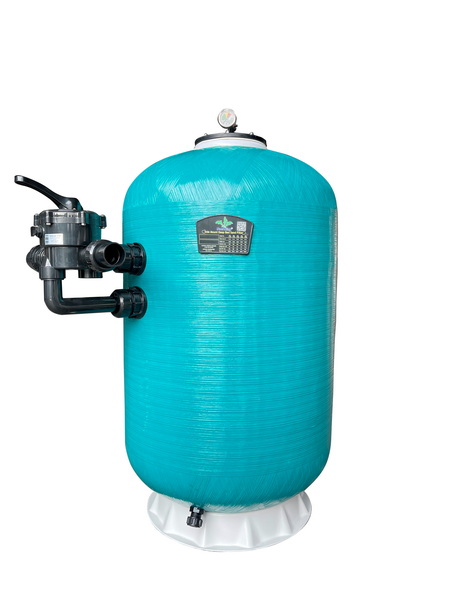
- Use silica-based pool filter sand with uniform particle size, typically in the range of 0.45–0.55 mm. Many manufacturers specify #20–#40 silica sand. Check your model's manual for the recommended grade and particle size.
- Some systems use Zeolite or glass media as a replacement option; if you choose alternatives, confirm compatibility with your filter housing and warranty.
- Typical sand quantities vary by filter size. Small residential filters (around 14–20 inches in diameter) often require 100–150 pounds (45–68 kg) of sand. Larger commercial or high-capacity filters may require more. Your manual will specify the exact amount.
- Protective gloves and eye protection
- A garden hose and bucket for measuring and rinsing sand
- A screwdriver, pliers, or socket set as needed to open the filter
- A small broom or brush for cleaning the internal surface
- Teflon tape (for any threaded connections)
- Optional: a vacuum or blower to remove dust from the tank interior
Safety tip: Always ensure the pool is turned off and the filter system is depressurized before servicing. If your filter is pressurized, relieve pressure according to the manufacturer's guidelines before opening any fittings.
1. Turn off power to the pool pump and switch off the filter's multiport valve to the OFF position.
2. Relieve pressure by opening the air relief valve (if present) on the filter.
3. Remove the filter top/cover. Some models have latches or ring clamps; others use screws. Keep track of any gaskets or o-rings.
4. Carefully remove the old sand. Depending on the size of your tank, you may be able to scoop it out with a small shovel or use a wet/dry vacuum. Avoid creating dust; sand can irritate eyes and lungs.
5. Thoroughly clean the interior surfaces and remove any debris. Inspect the laterals and ensure there are no cracks or broken parts.
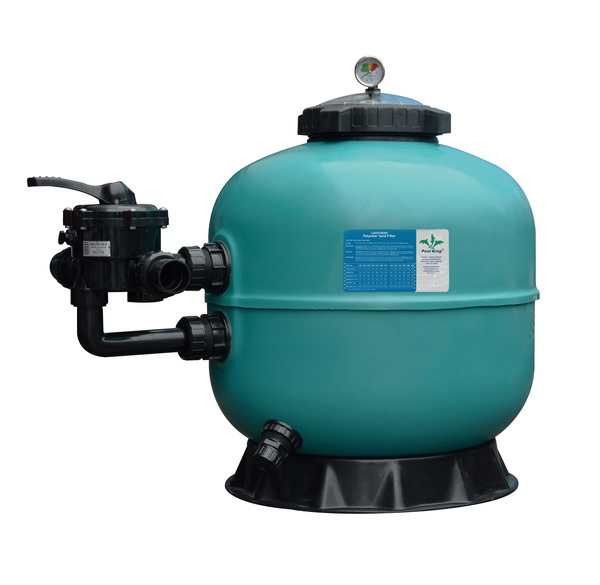
- Pour in the new sand evenly around the interior of the tank. Don't fill beyond the manufacturers' recommended level; most tanks require roughly 70–80% full of the tank's height with sand, allowing room for backwashing and compaction.
- Use a measuring method to avoid overfilling or underfilling. A common approach is to fill with sand until it sits about 2–3 inches below the top of the standpipe.
- After the sand is in place, replace the spring-loaded assembly and gasket, ensuring a good seal to prevent leaks.
1. Reinstall the filter top/head, gaskets, and any vent or pressure relief components. Ensure all clamps, bolts, or rings are securely tightened.
2. Reconnect any hoses or connections, applying Teflon tape to threaded joints if needed.
3. Reinstall the multiport valve on the top of the filter.
4. Replace the air relief valve if your model has one.
5. Reconnect power to the pump and turn on the system.
- Start with the valve set to BACKWASH, then run for 2–3 minutes or until the water in the sight glass runs clear. This helps settle the sand and removes fine particles.
- Next, set the valve to RINSE and run for 1 minute to reseat the sand and flush the discharge tube.
- Return to FILTER mode and run the system for several minutes.
- Check the pressure gauge. A new sand fill may result in a slightly higher starting pressure; consult your manual for the expected pressure range. If the pressure is significantly higher than normal, check for sand compaction, channeling, or a leak.
- Run the filter in the right range of flow; avoid excessively high or low flow rates that stress the media.
- Backwash when the pressure rises by about 8–12 psi (or as recommended by your manual).
- If you notice sand in the pool return water, you may have a cracked laterals or a blown seal; inspect and replace as needed.
- Consider periodic sand replacement every 5–7 years, depending on usage and water quality.
- Not washing the new sand before installation; rinse off fines so the media performs more efficiently.
- Filling the tank too full or too shallow; the sand bed must be the correct depth for optimal filtration.
- Overlooking the condition of the laterals and seals; damaged parts can cause sand leakage and reduced filtration efficiency.
- Confirm compatibility of media with your filter model and warranty
- Gather all tools and PPE
- Drain the pool area of any standing water that could create slip hazards
- Prepare a tidy workspace to avoid misplacing small parts
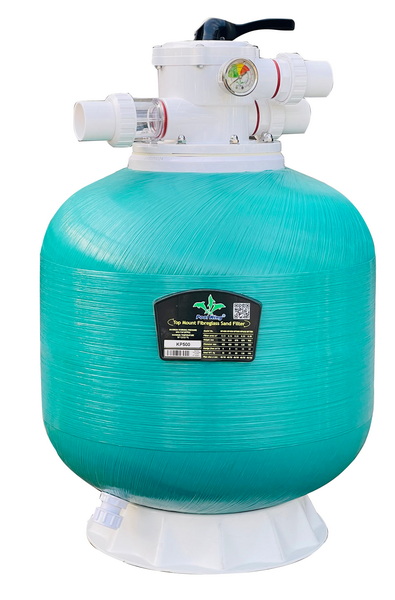
Changing pool filter sand is a manageable maintenance task that can revive filtration efficiency and improve water clarity. With careful preparation, proper materials, and attention to detail, you can complete the replacement safely and efficiently. By following the steps outlined above and consulting your unit’s manual for model-specific instructions, you can ensure long-lasting performance from your sand filter and a cleaner, healthier pool.
- The process typically takes 1–3 hours, depending on tank size, access, and whether you clean other components during the service.
- Use silica-based pool filter sand with the correct particle size for your specific filter model. Using the wrong size or type can reduce filtration efficiency.
- Many technicians replace all sand at once to ensure consistent filtration media and avoid channeling; however, some users replace partial portions if carefully planned and supported by the manufacturer.
- If it's more than 5–7 years old, has cracked grains, or shows reduced filtration performance, it's time to replace.
- Reusing sand is generally not recommended as degraded sand grains can reduce filtration effectiveness and introduce fines into the system.


