
Views: 222 Author: Tina Publish Time: 2025-12-01 Origin: Site


Content Menu
● Typical Pool Pump Replacement Cost
● Cost Components: Pump vs Labor
● Motor Replacement vs Full Pump Replacement
● Other Cost Factors to Consider
● How to Estimate Your Own Pool Pump Cost
● Long‑Term Savings With Efficient Pumps
● Why Work With a Professional OEM Supplier
● FAQs About Pool Pump Replacement
>> 1. What is the cheapest way to replace a pool pump?
>> 2. Is it worth upgrading to a variable‑speed pool pump?
>> 3. How long does a pool pump replacement take?
>> 4. Can I replace a pool pump myself?
>> 5. How do I know if I should replace the pump or just the motor?
Replacing a pool pump typically costs between $300 and $1,600 for most residential pools, including the new pump and professional installation. Some homeowners with large or high‑end systems may pay up to $4,000+ for oversized or commercial‑grade equipment.[1][2][3]
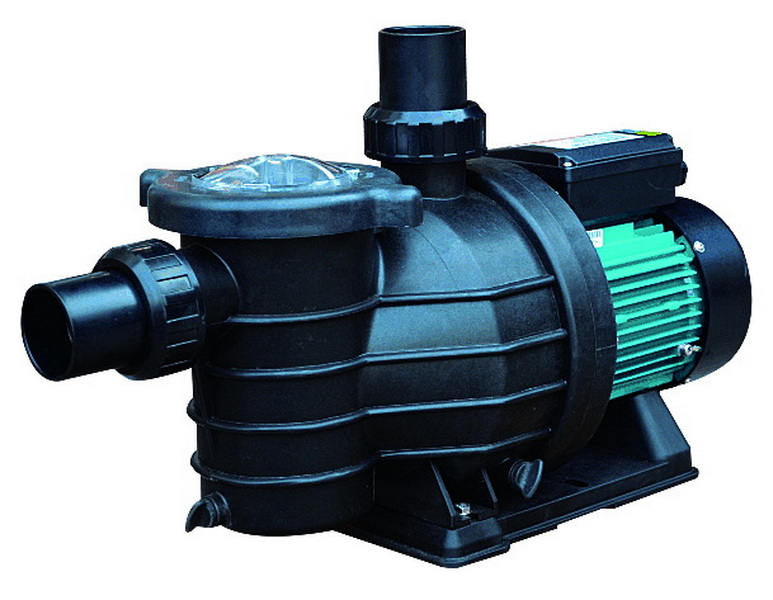
For a standard in‑ground residential pool, expect these typical ranges:
- Many homeowners pay around $700–$1,600 for a complete pump replacement (unit plus labor).[2][3]
- Some cost calculators show $820–$1,000+ per pump as a realistic installed price in 2025.[4][5]
- Broad national surveys suggest an overall span of $160 to $6,000, but the higher end usually applies to large commercial or very complex systems.[1][2]
The biggest price driver is the type of pool pump you choose.[6][3]
- Single‑speed pumps
- Typical pump price: about $200–$600.[3][6]
- Common installed total: roughly $450–$900 in many markets.[7][6]
- Dual‑speed pumps
- Pump price: about $500–$800.[6]
- Installed total: usually $650–$1,100.[6]
- Variable‑speed pumps (VS)
- Pump price: about $800–$1,500+ depending on brand and horsepower.[8][9][6]
- Installed total: commonly $1,000–$1,900, and premium setups can exceed $2,000.[10][6]
Variable‑speed models cost more up front but can cut energy use by up to 90% compared with older single‑speed units, so they often pay for themselves within a few years.[11][9][8]
When planning a replacement, separate equipment cost and labor cost.
- Pump unit cost
- Many residential pumps fall between $200 and $1,200+ depending on size and features.[3][1]
- Some budget models or small above‑ground pumps can be as low as $150–$300, while large commercial pumps can reach $4,000–$6,000.[12][2][1]
- Labor cost
- Typical labor for a straightforward pump swap is $100–$400 in many regions.[5][12][2]
- If plumbing needs reworking, electrical upgrades, or re‑programming automation, labor can rise toward $500 or more.[5][2][10]
Some contractors charge by the hour (often around $40–$150 per hour, or more for specialist companies).[13][3]
Sometimes the motor fails before the rest of the pump body. Replacing just the motor can be cheaper than changing the entire pump.[2][3]
- Motor‑only replacement
- Total cost (motor plus labor) is often $200–$800, with many jobs around $500.[1][2][3]
- Typical motor part price runs $25–$500, plus $40–$150 for labor.[3]
- When to replace the whole pump
- If the pump housing is cracked, leaking, or over 10 years old, many experts recommend a complete replacement to avoid repeated repairs.[14][10][3]
- Upgrading to a variable‑speed pump during replacement can significantly lower long‑term energy costs.[9][11][8]
Several practical details can push your total cost higher or lower.[14][2][6][1]
- Pool size and plumbing
- Larger pools and long plumbing runs often require higher‑horsepower or high‑head pumps, which cost more.[15][10][2]
- Oversized commercial pumps or specialized systems can easily exceed $4,000 for the unit alone.[15][2][1]
- Electrical requirements
- Upgrading from 110V to 220V, adding a new breaker, or meeting code can add labor and materials.[5][2]
- Automation and controls
- Integrating a new variable‑speed pump with existing controllers or smart pool systems may require extra setup time.[10][5]
- Brand and efficiency level
- Premium brands and ultra‑efficient models cost more initially but often deliver better performance, quieter operation, and longer warranties.[11][8][9]
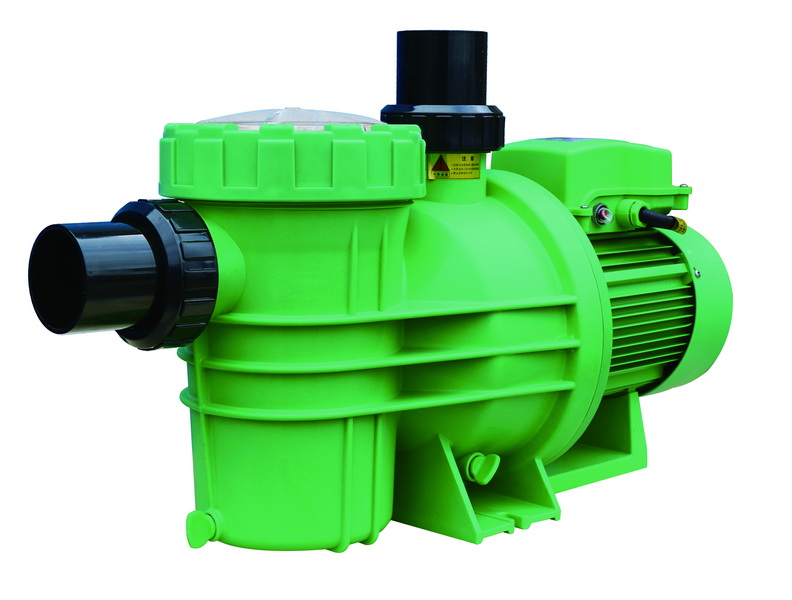
| Scenario | Typical Total Cost (Pump + Labor) | Notes |
|---|---|---|
| Small/basic single‑speed replacement | $300 – $900waterlevelcontrols+2 | Simple swap, minimal plumbing changes. |
| Standard dual‑speed pump replacement | $650 – $1,100waterlevelcontrols | Better efficiency than single‑speed. |
| Standard variable‑speed pump replacement | $1,000 – $1,900waterlevelcontrols+1 | High efficiency, quieter operation. |
| High‑end/large commercial installation | $2,000 – $6,000homeadvisor+2 | Large pumps, complex systems. |
| Motor‑only replacement | $200 – $800homeadvisor+2 | Cheaper if housing is still good. |
Homeowners can make a rough estimate by walking through a few steps.[4][1][3]
1. Confirm your pool size and plumbing layout
- Measure or check documentation for pool volume and approximate pipe length to and from the equipment pad.[2][3]
- Larger volumes and more head loss generally require higher‑capacity pumps.[10][2]
2. Look at your current pump label
- Note horsepower, voltage, brand, and model; replacing with a similar spec is usually cheaper.[14][2]
- If the existing pump is old and noisy, consider a variable‑speed upgrade for energy savings.[8][9][11]
3. Get at least two quotes
- Online calculators show that many installations land near $800–$1,000+, but local labor and material prices vary.[4][5]
- Ask each contractor to separate pump price, labor, and any extra materials so you can compare.
Even though high‑efficiency pumps cost more, they can dramatically lower monthly electricity bills.[9][11][8]
- Variable‑speed pumps can cut energy costs by up to 70–90% compared with traditional single‑speed models in many setups.[11][8][9]
- Some case studies show savings of hundreds of dollars per year, and in power‑hungry pools the payback period can be as short as 1–2 years.[8][11]
In addition, many utilities and local programs offer rebates for ENERGY STAR‑rated or variable‑speed pool pumps, further improving the return on investment.[9][11]
For pool builders, brand owners, and wholesalers, partnering with an experienced OEM factory helps control total system cost while improving reliability.
- A professional manufacturer can design complete circulation systems including pool pumps, sand filters, cartridge filters, DE filters, and accessories that are properly matched, avoiding oversizing that wastes money.[15][14]
- Using automated production lines and strict quality control ensures durable pump housings, impellers, and seals that reduce failure rates and replacement frequency over the pump's life.[14]
As a Chinese factory specializing in top‑grade sand filter tanks, pool filtration systems, pool pumps, LED lights, and accessories, OEM services can also customize branding, packaging, and performance parameters to suit different markets and regulations (for example, energy‑efficiency standards in the US or EU).[15][14]
For most residential owners, replacing a pool pump costs around $300 to $1,600, with a typical mid‑range project near $800–$1,300 including both pump and installation. Variable‑speed pumps add upfront cost but often deliver the best long‑term value through dramatically lower energy bills, quieter operation, and longer service life.[11][4][5][8][2][9][3][10]
For overseas pool brands, distributors, and equipment manufacturers, collaborating with a specialized Chinese OEM factory that produces high‑quality pumps, sand filters, and filtration solutions with intelligent machinery allows you to offer competitive pricing and reliable performance to your customers while maintaining your own branding. By matching pump type, size, and efficiency level to each project, you can control replacement costs for your end users while building a stronger product line in your market.[15][14]
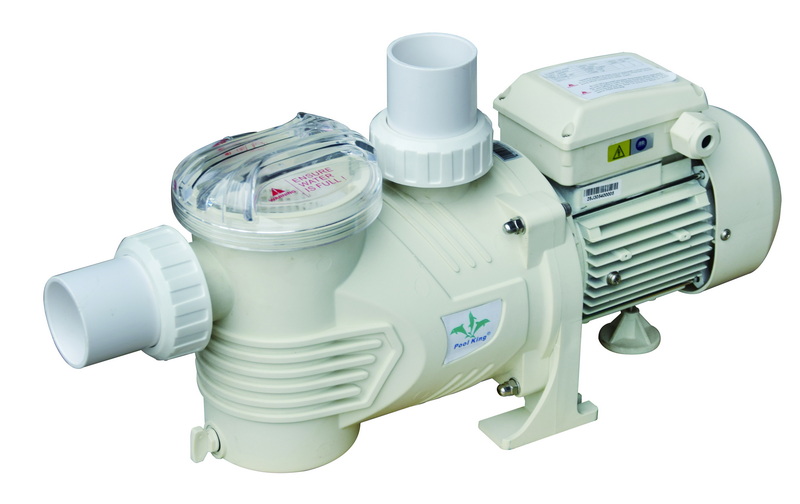
The lowest cost option is usually to replace the pump with a similar‑size single‑speed model and keep the same plumbing and electrical configuration. In many cases this keeps the total around $300–$900, but it may not deliver the best long‑term energy savings compared with a variable‑speed upgrade.[7][6][3]
Yes, in most regions with moderate or high electricity rates, variable‑speed pumps pay off over time. They can cut energy usage by up to 70–90%, often recovering the additional purchase cost within a few seasons while also running more quietly and gently on your plumbing.[8][9][11]
A straightforward like‑for‑like replacement usually takes 1.5 to 3 hours for a professional technician, including removal, installation, and testing. More complex jobs that involve re‑plumbing, electrical changes, or automation integration may take half a day or longer.[13][5][2]
Experienced DIYers can sometimes replace a pump on their own and pay only for the pump and basic fittings, often $150–$1,000+ depending on the model. However, many experts recommend hiring a licensed professional, because incorrect wiring, poor priming, or bad plumbing connections can cause leaks, premature failure, or even safety hazards.[12][5][2][3]
If the pump housing is solid with no cracks or leaks and only the motor is loud, seized, or burned, a motor‑only replacement in the $200–$800 range may be enough. If the pump is older than about 10 years, frequently leaking, or undersized for your current pool, most professionals recommend a complete pump upgrade instead.[1][2][3][10][14]
[1](https://www.homeadvisor.com/cost/swimming-pools-hot-tubs-and-saunas/install-replace-pool-pump/)
[2](https://www.angi.com/articles/pool-pump-cost.htm)
[3](https://homeguide.com/costs/pool-pump-cost)
[4](https://www.homewyse.com/services/cost_to_replace_pool_pump.html)
[5](https://blogs.aiper.com/us/pool-pump-costs-analysis-2025/)
[6](https://waterlevelcontrols.com/pool-pump-replacement-costs-2024/)
[7](https://gilbertpoolservice.org/pool-pump-cost-2024/)
[8](https://www.energybot.com/blog/best-pool-pumps.html)
[9](https://aquapoolsupply.com/collections/variable-speed-pool-pumps)
[10](https://poollogicsd.com/resources/pool-pump-repair-vs-replacement-which-is-best/)
[11](https://pinchapenny.com/pool-life/variable-speed-pool-pumps)
[12](https://www.waterlinecontrols.com/how-much-does-it-cost-to-replace-a-pool-pump/)
[13](https://www.reddit.com/r/pools/comments/169w3f9/2500_pool_pump_replacement_with_labor_a_fair_price/)
[14](https://professionalaquaticservices.com/common-pool-repairs-what-to-expect-and-budget-for/)
[15](https://superiorpoolservice.com/how-much-does-it-cost-to-replace-all-pool-equipment/)
[16](https://www.reddit.com/r/pools/comments/1ab97kl/is_2300_reasonable_for_a_pool_pump_replacement/)
[17](https://www.facebook.com/groups/AskBoca/posts/1025650331637868/)
[18](https://marketplace.sce.com/pool-pumps/)
[19](https://www.facebook.com/groups/WeLovePembrokePines/posts/1884939088663887/)
[20](https://www.homedepot.com/b/Outdoors-Pool-Supplies-Pool-Equipment-Pool-Pumps/Variable-Speed/N-5yc1vZcfybZ1z1a60w)


