


Content Menu
● Safety First – Codes, GFCI and Bonding
● Tools, Materials, and Typical Specifications
● Understanding Pump Voltage and Terminals
● Step‑by‑Step – How to Wire a Pool Pump
>> Step 1 – Plan the Circuit and Location
>> Step 2 – Install Conduit and Boxes
>> Step 3 – Connect the Breaker and GFCI Protection
>> Step 5 – Bonding the Pump and Metal Components
>> Step 6 – Add Timer, Automation or Control Panel (Optional)
● Testing, Start‑Up, and Troubleshooting
● Single‑Speed vs Variable‑Speed Pump Wiring
● Ideal Wiring‑Ready Pumps and Filtration Systems for OEM Buyers
● Quick Wiring Reference Table
● FAQs About How to Wire a Pool Pump
>> 1. Do pool pumps have to be on a GFCI?
>> 2. What wire size is best for a pool pump?
>> 3. What is the difference between grounding and bonding?
>> 4. Can I wire a 240 V pool pump myself?
>> 5. How far from the pool can the pump outlet be?
>> 6. Why does my pool pump trip the breaker after wiring?
How to wire a pool pump safely and correctly starts with choosing the right voltage, breaker, wire size, and protective devices, then following a clear step‑by‑step connection procedure. Always follow local electrical code, use a GFCI‑protected circuit, and call a licensed electrician if you are not completely sure what you are doing.[1][2][3][4][5]
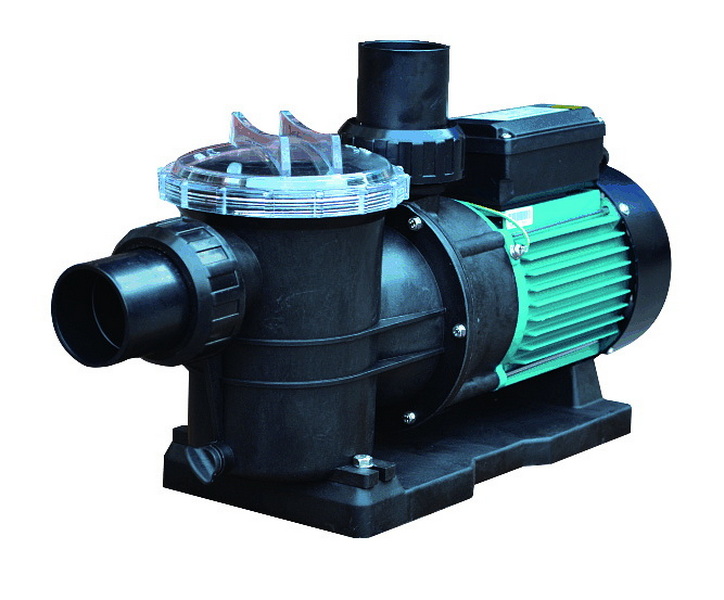
Wiring a pool pump is not just a DIY task; it is a safety‑critical project that directly affects your family and customers. For pool owners, builders, and OEM buyers, understanding the correct wiring process also helps to evaluate equipment quality and ensure that pumps and sand filters run reliably for years.[6][4][7][1]
Before touching any wires, pool pump wiring must be planned around electrical safety codes such as NEC Article 680 or equivalent local standards. These codes typically require GFCI protection, bonding of metal parts, proper burial depth for conduits, and strict rules about outlet distance from the pool water.[4][8][7]
Key points:
- Turn off power at the main breaker and lock it out if possible before working.[3][1]
- Use a GFCI breaker or GFCI receptacle for the pool pump circuit, as modern codes require GFCI protection for all pool pump motors.[5][4]
- Bond all metal components (pump housing, filter, ladders, rails, metal frames) with a solid copper bonding wire, often #8 AWG.[6][4]
The exact materials depend on pump size, distance from panel, and national standard, but most residential installations share similar elements.[1][3]
Common items:
- Correctly rated pool pump (single‑speed or variable‑speed) with clear wiring diagram on the motor plate.[2][9]
- Dedicated circuit breaker, often 15–20 A at 120 V or a 2‑pole breaker at 240 V, sized per pump nameplate and local code.[3][1]
- Copper conductors with sufficient gauge, for example 12 AWG for many 1–1.5 HP pumps on short runs (check manufacturer tables).[10][3]
- PVC electrical conduit and fittings for underground or outdoor runs, plus weatherproof junction boxes and covers.[4][1]
- GFCI breaker or GFCI receptacle, bonding wire (#8 copper commonly used), and grounding conductors.[6][4]
Pool pumps are usually designed for either 120 V, 240 V, or are dual‑voltage with an internal selector. On the rear motor terminal board you will typically find terminals labeled L1 and L2 (for the hot conductors) and a green screw or symbol for the grounding conductor.[11][12][13][2]
Key concepts:
- A 120 V pump uses one hot and one neutral conductor plus ground; a 240 V pump uses two hot conductors plus ground, with no neutral.[2][3]
- Many motors have a small dial or jumper plate you must set to match the supply voltage (e.g., 115 or 230).[12][9]
- The bonding lug, usually on the outside of the motor shell, connects to the equipotential bonding grid and is different from the internal ground terminal.[4][6]
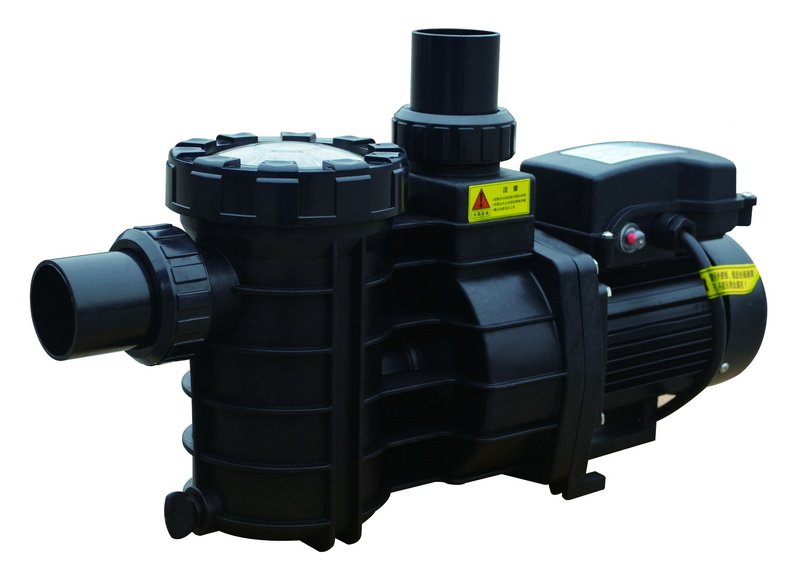
Start with a layout drawing of the electrical route from panel to pump. Decide whether the pump will plug into a GFCI receptacle (common for small above‑ground pools) or hard‑wire to a switch, timer, or control box.[14][1][4]
- Position the pump pad on a stable, dry base close to the filter and plumbing lines.[1]
- Plan conduit routing to protect the wires against sunlight, physical damage, and water.[1][4]
- In many regions, the pump receptacle must be at least 6 ft from the pool edge and GFCI‑protected, with no non‑GFCI receptacles allowed within that zone.[8][7]
Install an exterior junction box or switch box near the pump and connect it back to the main panel using underground conduit if needed.[4][1]
- Trench to the required depth (e.g., 18–24 inches for PVC conduit in many codes; always confirm locally).[7][1]
- Glue PVC conduit sections and pull in the conductors using a fish tape, leaving enough extra length at each end for connections.[3][1]
- Use weather‑rated boxes and covers because the pump environment is continuously wet and outdoors.[7][4]
Inside the main panel, connect the pump circuit to a suitable GFCI breaker or to a standard breaker feeding a GFCI receptacle or subpanel.[5][4]
- Turn power off; verify with a tester that the bus bars are de‑energized where you work.[3][6]
- Terminate the hot conductors (one for 120 V, two for 240 V) to the breaker lugs, and the neutral (if used) to the neutral bar.[2][1]
- Connect the equipment grounding conductor to the ground bar.[6][4]
With the conduit and panel connections complete, focus on the pump motor itself.[2][3]
Steps:
1. Remove the motor wiring cover plate to expose the terminals.[9][12]
2. Confirm the motor voltage selector is set to match your supply (e.g., 230 for 240 V systems).[12][9]
3. Strip the wire ends neatly and crimp ring or spade terminals if required by the design.[13][3]
4. For 240 V: connect the two hot conductors to L1 and L2; for 120 V: connect hot to L1, neutral to the neutral terminal, as indicated in the wiring diagram.[13][2]
5. Attach the green or bare ground wire to the internal ground screw, and tighten securely.[11][6]
Reinstall the cover so that all live parts are enclosed and protected from water.[2][3]
Bonding is often misunderstood but is legally required in most modern pool codes. It equalizes electrical potential around the pool so that any fault current does not create dangerous voltage differences between metal parts and water.[7][6][4]
- Attach #8 solid copper bonding wire (or local equivalent) to the bonding lug on the outside of the pump housing.[6][4]
- Run the bonding wire to a loop or grid that connects all conductive items: filter tank, heater, metal ladder, rails, light niches, and even reinforcing steel in some pools.[7][6]
- Ensure that all bonding connections are tight, corrosion‑resistant, and accessible where code requires.[4][6]
Many modern pool systems include mechanical timers, digital controllers, or smart variable‑speed interfaces.[15][14]
- Install a timer or automation box between the breaker and the pump, following the line (supply) and load (pump) labeling.[14][9]
- For variable‑speed pumps, wire the power input as specified, then use the low‑voltage or communication terminals for external controllers if provided.[15][10]
- Confirm that all auxiliary equipment (heaters, chlorinators, lights) is wired according to their manuals and protected by appropriate GFCI devices.[7][4]
After completing the wiring and bonding, a controlled start‑up sequence helps verify that everything is safe and functional.[3][6]
Basic checks:
- Inspect all terminations, conduit entries, and covers; confirm no bare conductor is exposed.[1][3]
- Test GFCI by pressing the “TEST” button and ensuring it trips, then reset.[5]
- Turn on the breaker and listen for abnormal motor sounds, excessive vibration, or tripping; if any occur, shut off power and investigate wiring polarity, voltage, or motor damage.[2][6]
If in doubt, or if a breaker trips repeatedly, stop immediately and call a licensed electrician or pool professional.[3][4]
Electrically, both single‑speed and variable‑speed pumps rely on proper voltage, grounding, and bonding, but VS models usually integrate digital controls and multi‑speed programming. Single‑speed pumps are simpler to wire—often just L1, L2, and ground—while variable‑speed pumps may include communication ports, internal electronics, and specific wiring requirements.[10][15][2]
Energy considerations:
- Variable‑speed pumps can dramatically reduce power draw when running at lower speeds, often cutting wattage by more than half compared with older single‑speed motors.[15][10]
- Correct wiring and programming ensure that the pump runs efficiently while still providing sufficient turnover for filtration.[10][15]
For international brand owners, wholesalers, and manufacturers, specifying pumps and sand filters that are “wiring‑ready” simplifies installation and boosts end‑user satisfaction.[1][2]
Recommendations for OEM and private‑label projects:
- Choose pumps with clear, multilingual wiring diagrams molded or printed on the motor housing.[13][2]
- Integrate factory‑installed junction boxes, strain‑relief fittings, and properly rated power cords where applicable to reduce field errors.[1][3]
- Offer matched sets of sand filters, pumps, valves, and LED lights with unified electrical and bonding design so installers can complete a safe system quickly.[4][7]
As a professional Chinese factory producing premium sand filter systems, pool pumps, and accessories, your team can design product lines that meet major regional codes and include pre‑configured options for 120 V and 240 V markets.
| Aspect | 120 V Pump (Typical) | 240 V Pump (Typical) |
|---|---|---|
| Conductors to motor | 1 hot, 1 neutral, 1 ground inyopools+1 | 2 hots, 1 ground inyopools+1 |
| Breaker type | Single‑pole GFCI 15–20 A (per spec) astardfw | Two‑pole GFCI 15–20 A (per spec) astardfw |
| Common wire gauge | Often 12 AWG copper (short runs) parkinelectric | Often 12 AWG copper (short runs) parkinelectric |
| Key terminals | L1 (hot), N (neutral), ground inyopools+1 | L1, L2 (hots), ground inyopools+1 |
| Bonding requirement | External #8 copper bonding wire coralspringspumprepair+1 | Same; full bonding grid coralspringspumprepair+1 |
| GFCI requirement | Mandatory in modern codes astardfw+1 | Mandatory in modern codes |
Correctly wiring a pool pump means combining mechanical installation, proper conductor sizing, GFCI protection, grounding, and complete bonding into one integrated system. When every step—from panel to pump terminals—is done according to the manufacturer's instructions and local electrical code, the result is quiet, efficient circulation and a much safer pool environment for swimmers.[7][3][4][1]
For overseas brand owners and wholesalers looking for reliable, wiring‑friendly pool pumps, sand filters, and complete filtration packages, partnering with an experienced OEM factory can greatly reduce field problems and after‑sales costs. By supplying pumps with clear wiring diagrams, robust motor housings, and pre‑matched filtration systems, your brand can deliver professional results to installers and end users worldwide.[15][2]
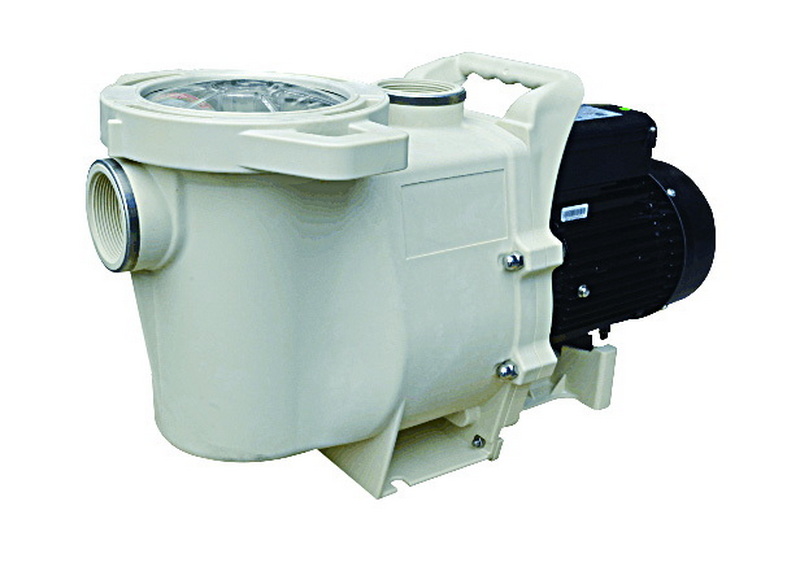
Yes, modern electrical codes such as the 2020 NEC require GFCI protection for all pool pump motors, whether they are 120 V or 240 V. This protection helps prevent electric shock by tripping if even a small leakage current flows to ground.[5][4]
For many residential pumps up to about 1–1.5 HP, 12 AWG copper wire is common, but the correct gauge depends on motor amperage and cable run length. Always check the nameplate current and local code tables, and increase wire size for longer distances to avoid voltage drop.[10][3]
Grounding connects electrical equipment to the earth through a grounding conductor so fault currents have a low‑resistance path to trip protection devices. Bonding ties all conductive parts around the pool together with a bonding grid, so that no dangerous voltage difference can exist between metal objects and water.[6][4][7]
Technically, a knowledgeable person can follow the manufacturer diagram and wire a 240 V pump, but mistakes can be fatal or cause expensive damage. Many regions require a licensed electrician for pool electrical work, and this is strongly recommended for safety and code compliance.[2][3][4][7]
Electrical guidelines commonly forbid outlets within about 6 ft of the pool edge and require GFCI‑protected receptacles between 6 and 20 ft, but exact distances vary by jurisdiction. Always confirm local regulations, because incorrect outlet placement can fail inspection and increase shock risk.[8][7]
Frequent tripping can result from mis‑wiring, undersized breakers, internal motor faults, water intrusion, or ground‑fault conditions detected by the GFCI. Shut off power, inspect all connections, and if the cause is not obvious, have a professional electrician diagnose the circuit and pump.[3][6][4]
[1](https://www.thisoldhouse.com/pools/21016222/how-to-wire-an-above-ground-pool-pump)
[2](https://www.inyopools.com/HowToPage/how_to_wire_a_pool_pump.aspx?CommentPage=1)
[3](https://parkinelectric.com/essential-steps-for-safe-pool-pump-wiring-installation/)
[4](https://astardfw.com/2025/04/pool-electrical-wiring-safe-and-code-compliant-pool-wiring-services/)
[5](https://nonstopswim.com/blogs/news/do-pool-pumps-need-to-be-gfci-protected-key-requirements-explained)
[6](http://coralspringspumprepair.com/poolpumpelectricalsafety.html)
[7](https://capoolassociation.com/resources/a-basic-guide-for-electrical-requirements-for-swimming-pool-and-spa-contractors/)
[8](https://keycodes.net/wp-content/uploads/2014/03/Guide-AG-Pool-Electrical-Requirements.pdf)
[9](https://www.youtube.com/watch?v=V_VCfTknOqY)
[10](https://docs.nrel.gov/docs/fy12osti/54242.pdf)
[11](https://www.youtube.com/watch?v=Sh3MQ0nJJeY)
[12](https://www.youtube.com/watch?v=im9BVObcLBA)
[13](https://www.electriciansforums.net/threads/how-to-connect-service-to-pool-pump.200968/)
[14](https://www.youtube.com/watch?v=ImhZ0RA0iZY)
[15](https://www.epoolsupply.com/blogs/default-blog/variable-speed-vs-single-speed-pool-pumps)
[16](https://forums.mikeholt.com/threads/pool-motor-gfci-protection.59257/)
[17](https://www.reddit.com/r/pools/comments/n9d1k7/variable_speed_vs_single_speed_pool_pump_question/)
[18](https://www.facebook.com/groups/1407260559603442/posts/3796569257339215/)
[19](https://www.eevblog.com/forum/renewable-energy/pool-pump-craziness-single-speed-two-speed-variable-speed-and-efficiency/)
[20](https://www.inyopools.com/HowToPage/how_to_wire_a_pool_pump.aspx?CommentPage=8)


