
Views: 222 Author: Tina Publish Time: 2025-11-28 Origin: Site


Content Menu
● Should Pool Pump Run Continuously?
● What a Pool Pump Actually Does
● Why You Don't Need 24/7 Pump Operation
● Understanding Turnover Rate and Sizing
>> What Is Pool Water Turnover?
>> Effect of Pump and Filter Type
● Recommended Daily Run Time (Realistic Guidelines)
>> General Daily Run-Time Rules
>> When Running Longer Makes Sense
● Pros and Cons of Running a Pump Continuously
>> Advantages of 24/7 Operation
>> Disadvantages and Hidden Costs
● Key Factors That Influence Ideal Pump Run Time
>> Climate, Season, and Sunlight
>> Pool Size, Shape, and Usage
● Role of Filter Type and Maintenance
>> Sand Filter, Cartridge, and DE Performance
>> How Maintenance Affects Runtime Needs
● Energy-Saving Strategies and Smart Control
>> Optimizing Run Time and Time-of-Day
>> Matching Premium Equipment with Professional OEM Support
● Practical Run-Time Templates for Homeowners
● FAQs About Running a Pool Pump
>> 1. Is it bad to run my pool pump 24/7?
>> 2. How do I calculate how many hours my pump should run?
>> 3. Does a variable-speed pump change how long I should run it?
>> 4. How does my filter type affect pump run time?
>> 5. When should I run the pump longer than usual?
>> 6. Can better equipment reduce how long I need to run the pump?
No, a pool pump does not need to run continuously 24/7 in most residential pools; in normal conditions, 8–12 hours per day is usually enough to keep the water clean and properly circulated while controlling energy costs. However, there are situations where running your pump longer or even continuously for a short period makes sense, such as opening a dirty pool, treating algae, or after storms and heavy pool use.[1][2][3][4][5][6]
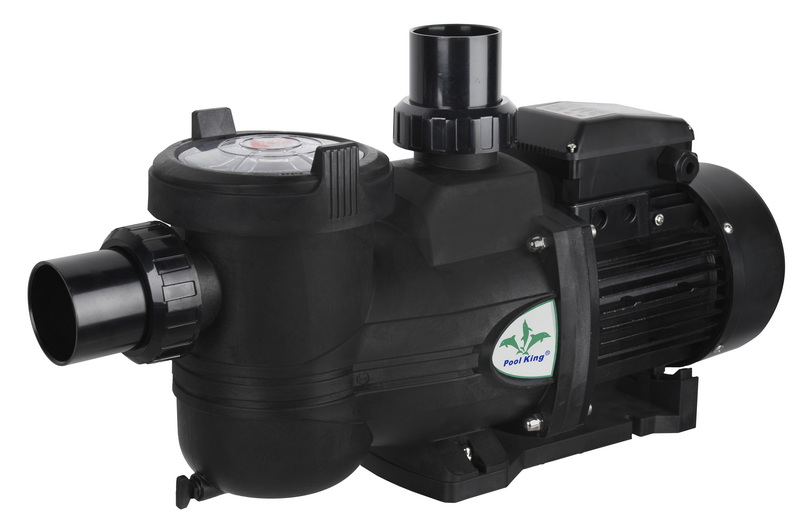
For most pool owners, the best strategy is daily operation long enough to achieve at least one full “turnover” of the pool water rather than running the pump 24 hours a day. This approach balances water clarity, equipment life, and electricity costs, and works well with modern sand filters, cartridge filters, and DE filters when sized and maintained correctly.[7][2][3][8][9]
A pool pump is the “heart” of the circulation system, pulling water from the skimmer and main drain and pushing it through the filter, heater, chlorinator, and back into the pool. Without this continuous circulation during run-time, dirt, debris, and microorganisms accumulate, while sanitizing chemicals become unevenly distributed.[2][10][6]
Modern filtration systems include sand filters, cartridge filters, and DE filters, all of which depend on steady flow from the pump to trap contaminants effectively. In your case, premium sand filters, DE filters, cartridge filters, and matching pumps manufactured with intelligent equipment can provide highly efficient circulation and filtration for residential and commercial pools.[8][11][9]
Most domestic pool systems are designed around a recommended daily run time, not continuous operation. A widely accepted rule of thumb is about 8 hours per day for a correctly sized pump and filter on a standard residential pool, with adjustments for climate, pool size, and usage.[3][13][6][1][7][2]
Running the pump 24/7 will certainly keep water moving and can help maintain very stable water chemistry, but it rarely produces visibly “cleaner” water once proper turnover is achieved. What it definitely does is increase electricity consumption and operating costs, and it may add unnecessary wear to older or low‑quality pumps.[4][1][2]
“Turnover” means circulating the full volume of your pool through the filtration system once. Many experts recommend at least one complete turnover every 24 hours, and in hot climates or heavily used pools, aiming for closer to two turnovers per day can help keep water sparkling and sanitary.[11][6][3]
To estimate turnover time, divide pool volume by the pump's flow rate; for example, a 60,000‑liter pool with a 200 L/min pump needs about 5 hours for one turnover. In summer, running long enough to achieve around two turnovers (e.g., 10 hours in this example) provides a good safety margin for clarity and hygiene.[3]
Single‑speed pumps typically run at full power, so they often need fewer hours but cost more per hour to operate. Variable‑speed pumps can be programmed to run longer at lower speeds, achieving the same or better turnover with significantly lower energy use and quieter operation.[15][6]
Sand filters, cartridge filters, and DE filters each create different resistance to flow, which influences effective turnover time and energy draw. High‑quality sand filters with optimized internal design, combined with a correctly matched pump from a professional manufacturer, can deliver strong circulation while keeping energy usage under control.[9][8][11]
Many industry guides suggest running residential pool pumps approximately 8–10 hours per day under typical conditions. In hotter regions, during peak summer, or for pools with heavy swimmer load, 10–12 hours per day may be more appropriate to maintain clarity and proper disinfection.[10][13][6][1][7][2][15][3]
Some professionals recommend splitting run time between daytime and nighttime—for example, 4 hours during the day and 4 hours at night—to maximize both energy savings and chemical effectiveness. This can be particularly useful if your local utility offers discounted off‑peak electricity rates.[6][3]
There are several situations where running the pump continuously or for extended periods is justified:
- Pool opening or after severe contamination: When opening a pool or clearing very cloudy or green water, many service guides recommend 24–72 hours of continuous filtration after adding opening chemicals.[5][4]
- After a major algae treatment: Following a shock treatment, continuous circulation helps distribute chemicals and remove dead algae efficiently.[4]
- After heavy rain or storms: Rain can introduce debris, dirt, and organic contaminants, so extended run time helps restore clarity.[4]
- After heavy bather load: Pool parties or frequent use introduce oils, sunscreen, and organic waste that require extra filtration.[10][4]
In these cases, a robust sand filter or DE filter paired with a reliable pump from a professional OEM supplier can clear the water faster and more safely.
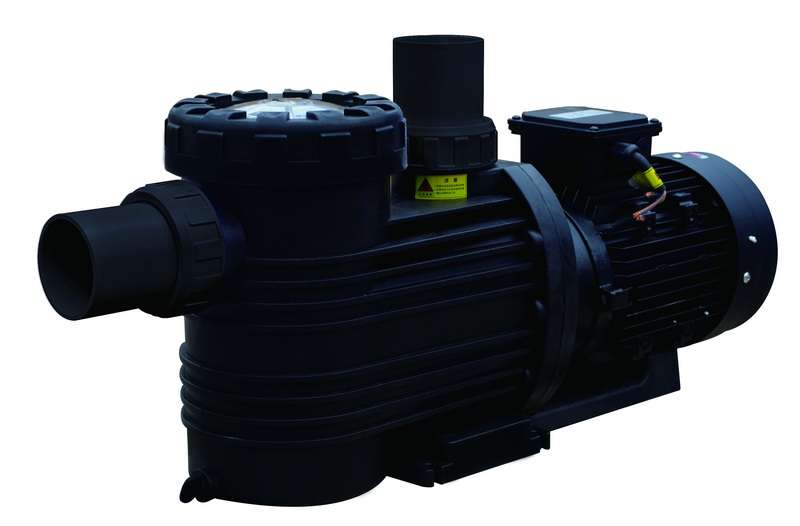
Some pool technicians highlight several benefits of continuous operation:
- Extremely stable water chemistry and very even chlorine distribution, which minimizes local “dead spots.”[16][10]
- Constant filtration that can reduce the chance of algae blooms in challenging environments, such as shaded pools or pools with heavy organic load.[16][4]
- Simplified control logic—no need to worry about scheduling if power is cheap or solar powered.
For commercial pools, hotels, and water parks, 24/7 or near‑continuous circulation is often required by health regulations, and high‑efficiency sand filters and variable‑speed pumps are common in those systems.[8][11][9]
Continuous operation has clear downsides for most homeowners:
- Significantly higher electricity bills, even with efficient pumps, because any motor running 24/7 will consume more energy overall.[1][2][15]
- More operating hours per year, which means seals, bearings, and motors on lower‑grade pumps may wear out sooner.[2][1]
- Diminishing returns in water clarity once adequate turnover has been reached.[2][4]
A better strategy is usually to select a high‑efficiency pump and premium sand or DE filter, then program an optimized daily schedule that meets turnover targets without constant running.
Warm water accelerates algae growth and speeds up chlorine loss, so hotter climates and peak summer months demand longer pump operation. Pools that receive intense direct sunlight for most of the day will also consume more sanitizer, making circulation and filtration more critical.[3][10]
During cooler months or in off‑season when the pool is covered and usage is low, many owners successfully reduce pump run time to well below summer levels while maintaining clear water. An adjustable pump schedule tied to the season is an easy way to save money without sacrificing clarity.[6][3]
Larger pools require more total circulation to complete a turnover, so for the same pump, they must run longer than small pools. Complex shapes, water features, and dead zones also affect how water moves, sometimes requiring longer or smarter circulation patterns.[11][6][3]
Heavy usage—children playing, frequent pool parties, or high swimmer load—introduces more contaminants, which calls for additional filtration hours. Conversely, a lightly used pool with a high‑performance filter and properly sized pump can often run fewer hours while staying clear.[10][4]
Sand filters are popular because they are robust, relatively low maintenance, and cost‑effective, typically filtering particles down to about 20 microns. Cartridge filters can capture finer particles but require periodic removal and cleaning, while DE filters provide the finest filtration (down to 2–5 microns) at the cost of more handling and maintenance.[9][8]
Well‑designed, high‑rate sand filters using optimized filter media, such as graded silica sand or advanced media like zeolite, can provide excellent clarity with modest pump run times. As a professional OEM factory for sand filters, DE filters, cartridge filters, pumps, LED lights, and accessories, your equipment design can emphasize low resistance, good backwashing performance, and compatibility with smart control systems to support efficient operation.[8]
A clogged or dirty filter significantly restricts flow, making it harder to achieve required turnover within a given number of hours. For sand filters, manufacturers usually recommend backwashing whenever the pressure rises 7–10 psi above the clean starting pressure, or roughly every few weeks under normal use.[17][11][9][3][8]
For best performance, sand is generally replaced every 3–5 years, and cartridges and DE grids must be serviced or replaced according to manufacturer guidelines. Regular maintenance ensures the pump can move water efficiently, meaning you do not need to compensate with unnecessary extra run time.[17][8]
Many guides recommend running pumps during off‑peak electricity hours (often at night or early morning) to cut costs. Splitting run time between day and night also helps maintain chlorine effectiveness while keeping the pool looking clear during swimming hours.[15][6][3]
Smart controllers and programmable pumps allow you to schedule different speeds and run times across the day, such as higher speed for a few hours to power a cleaner or water feature, and lower speed for background filtration the rest of the time. This strategy enables strong circulation without adopting full 24/7 operation.[15][6]
High‑efficiency pumps designed with modern motors, paired with top‑grade sand, DE, or cartridge filters, can dramatically reduce the hours needed to keep water crystal clear. As a factory offering OEM services to international brands, wholesalers, and manufacturers, your ability to integrate pumps, sand filters, and advanced LED lighting into coordinated, smart‑ready systems is a strong selling point.[9][6][8]
By offering pre‑configured runtime recommendations for different pool sizes and climates, plus remote monitoring options, you can help overseas partners answer the “should the pump run continuously?” question with clear, data‑driven guidelines tailored to their end users.[6][15]
Below is a simple, non‑regulatory template for typical residential pools using correctly sized pumps and quality sand or cartridge filters.[13][2][3][6]
- Mild climate, small to medium pool, light use: 6–8 hours per day, split into two blocks (e.g., 3 + 3 hours).
- Hot climate or peak summer, medium to large pool, normal use: 8–10 hours per day, aiming for 1–2 turnovers per day.[3][15]
- Very hot climate, heavy use, or lots of debris: 10–12 hours per day, plus additional time after storms or pool parties.[4][10][3]
- Opening a dirty pool or treating severe algae: 24–72 hours continuous operation until water is clear, then revert to normal schedule.[5][4]
Each homeowner should fine‑tune based on visible water clarity, chemical test results, and energy costs, with guidance from equipment manufacturers and local pool professionals.[2][10][6]
A pool pump does not need to run continuously in most residential settings; instead, the goal is to achieve at least one complete turnover of the pool water per day, with 8–12 hours of run time being typical for a well‑sized system. Continuous 24/7 operation offers some benefits—especially during opening, heavy contamination, or in commercial environments—but for private pools it usually leads to higher electricity bills with diminishing gains in water quality.[13][1][5][10][2][3][4][6]
The most efficient approach is to choose premium pumps and filters, maintain them properly, and use intelligent scheduling (and, where possible, variable‑speed control and off‑peak operation) to balance cleanliness, energy consumption, and equipment life. As an OEM manufacturer of high‑quality sand filters, DE filters, cartridge filters, pumps, LED lights, and accessories, offering clear run‑time guidance and smart‑compatible products can help overseas brands and distributors deliver reliable, economical pool systems to their customers.[8][15][3][6]
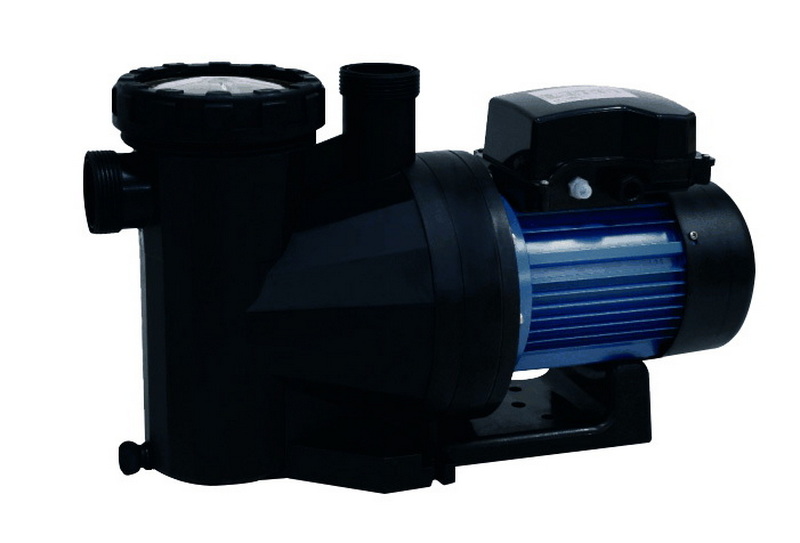
Running a pump 24/7 is generally safe for good‑quality equipment, and it can help maintain exceptionally stable water chemistry, but it is usually unnecessary and significantly increases electricity costs. For most home pools, a correctly sized pump and filter running 8–12 hours per day provides excellent water quality without constant operation.[1][16][13][2][3][6]
Calculate the turnover time by dividing the pool volume by the pump's flow rate, and then adjust run time so you achieve at least one full turnover (and often closer to two in hot weather). If, for example, your pool volume and pump flow rate indicate 5 hours per turnover, you might program your pump for roughly 8–10 hours per day during summer for best results.[11][15][3]
Yes. Variable‑speed pumps are designed to run longer at lower speeds, which often delivers equal or better filtration with much lower total energy use. Instead of focusing on hours alone, consider total daily water turnover at different speeds and aim to meet or exceed one full turnover while maximizing off‑peak, low‑speed operation.[15][6]
Sand filters typically capture particles down to about 20 microns, cartridge filters can catch finer debris, and DE filters deliver the highest clarity by capturing very small particles. In practice, a high‑performance sand or DE filter matched with a properly sized pump can maintain clear water with moderate daily run times, provided you backwash or clean the filter regularly.[17][11][9][8]
Run longer after pool opening, heavy storms, visible cloudiness, algae treatments, or very heavy bather loads to help your filter remove extra contaminants and distribute chemicals evenly. Once the water returns to a clear, stable condition and test results are within target ranges, you can gradually reduce the pump schedule back to your normal daily run time.[5][10][4]
High‑efficiency pumps, advanced sand or DE filters, and smart controls can all reduce the hours needed to maintain excellent water quality. By investing in modern equipment from a professional OEM manufacturer and following their sizing and scheduling recommendations, many pool owners achieve clearer water with fewer run hours and lower power bills.[9][8][15][6]
[1](https://home.howstuffworks.com/swimming-pool-pumps-run-all-the-time.htm)
[2](https://www.pvcfittingsonline.com/blogs/resource-center/how-often-should-i-run-my-pool-pump)
[3](https://guyrobertlandscape.com/summer-pool-pump-runtime-guide/)
[4](https://mrpoolman.com.au/blogs/news/how-long-should-i-run-my-pool-pump-every-day)
[5](https://www.mtlakepool.com/2025/06/25/how-long-to-run-a-pool-pump-when-opening/)
[6](https://poolicons.com/pool-maintenance/complete-beginners-guide-to-pool-pump-operation/)
[7](https://www.1stdirectpools.com/blog/post/when-run-pool-pump-ultimate-guide)
[8](https://www.svadonpoolcn.com/slug-a-comprehensive-guide-to-sand-pool-filters-mechanisms-maintenance-and-innovations/)
[9](https://www.factorypoolsperth.com.au/a-complete-guide-to-sand-filters/)
[10](https://www.factorypoolsperth.com.au/do-i-need-to-run-my-pool-pump-every-day/)
[11](https://www.thepoolfactory.com/blogs/pool-care/operating-your-sand-filter)
[12](https://www.youtube.com/watch?v=VmXdio44FTY)
[13](https://www.zodiac.com.au/pool-and-spa-guides/top-question-our-customers-ask-how-long-should-i-run-my-pump-for)
[14](https://www.youtube.com/watch?v=u4ExnupI26o)
[15](https://escapepools.com/optimum-length-and-time-of-day-to-run-a-pool-pump/)
[16](https://www.funcenterpools.com/en/help/pool-pumps/is-it-okay-to-run-my-pool-pump-24/7)
[17](https://www.swimmingpool.com/maintenance/pump&filter/changing-sand-in-your-pool-filter/)
[18](https://www.youtube.com/watch?v=TqSPuekohqQ)
[19](https://www.reddit.com/r/pools/comments/1dah4rg/does_anyone_else_run_their_pool_pump_247/)
[20](https://www.reddit.com/r/pools/comments/pbcz27/how_long_should_i_run_my_pool_pump_each_day_i/)


