
Views: 222 Author: Tina Publish Time: 2025-12-01 Origin: Site


Content Menu
● Does Pool Pump Run All The Time?
● How Long Should A Pool Pump Run Each Day?
● Factors That Decide If A Pump Runs All The Time
● Energy Efficiency And Variable Speed Pumps
● Filter Types And Pump Run Time
● Best Time Of Day To Run A Pool Pump
● Do You Ever Run A Pool Pump 24/7?
● Practical Tips To Decide Your Pump Schedule
● OEM Pool Pump And Filter Solutions From Your Factory
● FAQs About “Does Pool Pump Run All The Time”
>> 1. How many hours per day should I run my pool pump?
>> 2. Is it bad to run a pool pump 24/7?
>> 3. Does a sand filter need longer pump run time than other filters?
>> 4. Will a variable speed pump let me run the system less?
>> 5. How do I know if I am running my pool pump enough?
>> 6. Can I split my pump run time into several shorter periods?
>> 7. What OEM support can your factory offer for pool pumps and filters?
A pool pump does not need to run all the time, but it should run long enough each day to circulate all of the pool water at least once, usually around 8–12 hours depending on pool size, climate, and equipment efficiency. With modern variable speed pumps and efficient sand, cartridge, or DE filters, you can balance clean, safe water with lower energy costs by programming specific run times instead of operating 24/7.[1][2][3][4][5][6]
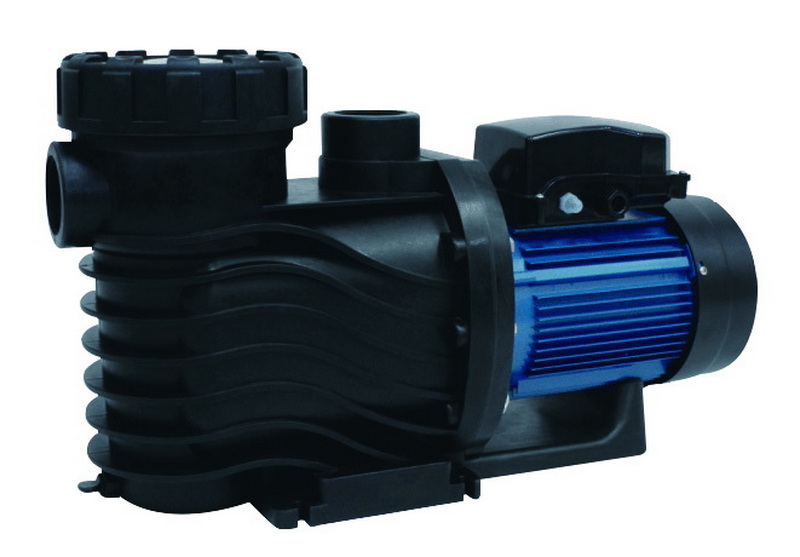
For most residential pools, running the pump continuously is not required as long as the water completes at least one full “turnover” through the filtration system every 24 hours. Turnover time depends on the pool volume and the pump's flow rate, so owners should calculate or consult their installer to determine the correct daily run hours instead of guessing.[4][7][8][1]
High‑quality pool filtration systems, including sand filters, DE filters, and cartridge filters, work optimally when the pump runs long enough to remove debris and keep chemicals evenly mixed. For energy savings, many pool professionals recommend using timers to split the total run time into several blocks, often favoring off‑peak electricity hours at night.[9][2][10][5]
To support this, your factory's smart‑machine‑made sand filter tanks, pumps, and accessories can be configured as complete circulation packages to help overseas OEM customers set up efficient run schedules from day one. Your top‑grade filters and pumps allow brand owners and wholesalers to offer reliable, low‑maintenance pool systems under their own labels.
Pool industry guidelines state that every pool should filter all its water at least once per day, which usually works out to roughly 8 hours of pump operation for a correctly sized single‑speed pump. Some experts recommend using the rule of thumb of one hour of pump time for every 10°F (about 6°C) of outdoor temperature, meaning hotter regions may need longer daily run times.[6][1][9][4]
In summer, when sunlight and warm water promote algae growth, many professionals suggest running pumps 12–16 hours per day or more, especially in heavily used pools. Owners can also run the pump for non‑consecutive blocks across 24 hours, such as a few hours in the morning and several at night, as long as the total time meets or exceeds the required turnover.[2][4][6]
Your OEM‑ready sand filters and pumps can be sized precisely to match your customers' target turnover times, reducing the risk of over‑ or under‑running the system and cutting energy waste. Offering flow‑rate charts and simple turnover calculators with each pump and filter model supports overseas distributors and installers in specifying correct run hours.
Several variables decide whether a pool pump should run all the time or only part of the day, including pool size, bather load, climate, and the type of filtration system installed. Larger or heavily used pools may need longer run times, while smaller, lightly used pools with efficient filters can often maintain clear water with fewer operating hours.[1][4][6]
The type and condition of the filter strongly affects required pump run time: DE filters and fine‑quality cartridge filters capture smaller particles than typical sand filters, potentially allowing shorter but effective cycles if the system is correctly sized and maintained. In contrast, an undersized pump or dirty filter may force owners to run the system longer just to keep water acceptable, which increases electricity costs.[10][5]
Your factory's top‑level sand filter tanks, combined with high‑efficiency pumps and optional cartridge or DE filter modules, give OEM customers flexibility to design systems that match local climate and usage patterns. For example, you can recommend specific filter and pump pairings for tropical markets where long summer run times are standard.
Energy costs are one of the main reasons pool owners avoid running pumps 24/7, especially when using older single‑speed models that always run at full power. Variable speed pumps solve this by using high‑efficiency permanent magnet motors and allowing the user to adjust speed, which can cut energy consumption dramatically while maintaining required turnover.[3][11][12]
Studies and utility programs report that variable speed pumps can reduce electricity costs by up to 70–90% compared to standard single‑speed units, often paying for themselves within a couple of years. Many markets even require or strongly encourage variable speed pumps as minimum efficiency equipment, making them an attractive upsell for OEM brands and pool builders.[12][13][3]
As a professional pool equipment manufacturer, you can design your pump line to focus on variable speed models that integrate with smart timers, sensors, and mobile apps, giving users precise control over daily run profiles. Positioning these pumps alongside your sand filters, DE filters, and cartridge filters as complete energy‑saving systems helps your overseas partners market premium, eco‑friendly solutions under their own brands.
Sand filters are popular because they are robust, relatively low cost, and can handle large volumes of water, but they are less efficient at trapping very fine particles, typically filtering around 20–40 microns. For pools with a sand filter, owners may need slightly longer pump run times or occasional supplemental treatments to maintain sparkling water in demanding conditions.[5][10]
Cartridge filters and DE filters capture much smaller particles (often down to 10–20 microns for cartridges and around 3 microns for DE), producing exceptionally clear water when paired with appropriate circulation. Because they filter more finely, these systems can sometimes maintain clarity with optimized run hours rather than longer continuous operation, especially when the pump and filter are perfectly matched.[10][5]
Your factory already specializes in sand filter tanks and complete filtration solutions, which can be adapted to sand, cartridge, or DE internals to meet different regional preferences. By offering OEM‑customized combinations—such as sand filters for large public pools and cartridge or DE options for premium residential pools—you help overseas partners fine‑tune pump run time and water quality.
Many pool owners schedule most of their pump's operation during off‑peak electricity hours, typically at night, to reduce utility costs without sacrificing water quality as long as daily turnover is achieved. However, running the pump during daylight can also be useful when using chlorinators, solar heaters, or when swimmers are actively in the pool.[9][2]
Some experts recommend splitting run time, operating several hours during the hottest part of the day to combat algae growth and distribute sanitizers, and the remaining hours at night for cost savings. The ideal schedule will depend on local tariffs, sunlight intensity, chemical program, and whether the pool uses features like waterfalls or spa jets that require higher speeds.[2][6]
Your integrated pump‑and‑filter solutions can ship with preset controller programs for different markets—such as “night‑save,” “sunny‑climate,” or “heavy‑usage”—to help OEM brands simplify setup for end users. Providing programmable LED control, water pump cycles, and filter backwash reminders further increases the value of your products for overseas distributors.
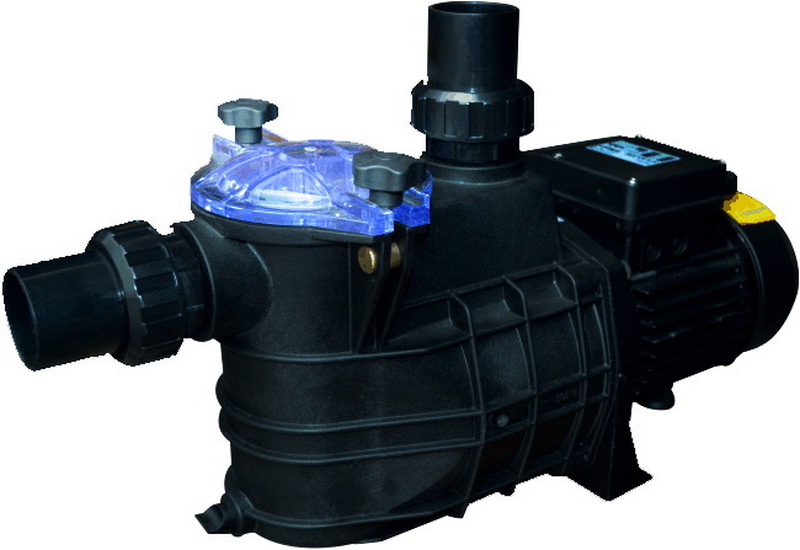
Continuous 24/7 operation is not necessary for most well‑designed residential pools, but there are scenarios where temporarily running the pump non‑stop is recommended, such as during algae treatment, heavy contamination, or start‑up of a new pool. In those cases, constant circulation helps the filter capture more debris and keeps shock or other chemicals evenly mixed until the water is restored.[14][4]
Commercial or resort pools with very high bather loads sometimes run pumps nearly all the time to maintain strict health standards and rapid turnover, especially when paired with large sand filters and automated dosing systems. Even then, using variable speed technology to reduce flow during low‑use hours can significantly cut operating costs while maintaining basic circulation.[14][6]
Your heavy‑duty sand filter tanks, high‑flow water pumps, and LED lighting systems are ideal for commercial OEM customers who need robust 24/7‑capable hardware for hotels, water parks, and public facilities. Emphasising durability, corrosion resistance, and smart control compatibility in your product pages will attract international brand owners seeking reliable long‑run performance.
- Calculate pool volume and pump flow rate to determine the minimum hours needed for at least one complete turnover per day rather than guessing.[7][8][4]
- Adjust run time seasonally, increasing hours during hot months and heavy‑use periods, and possibly reducing during cooler, low‑use seasons while monitoring clarity.[6]
- Use timers or smart controllers to split total run time into several blocks, matching off‑peak electricity periods and daytime needs for sanitisation and heating.[9][2]
- Keep filters clean with regular backwashing or cartridge cleaning to avoid reduced flow, which would otherwise require longer run hours to achieve the same turnover.[5][10]
- Consider upgrading to a variable speed pump to maximize energy savings while still keeping the water properly circulated and filtered.[11][3][12]
Your OEM clients can benefit if you include these best practices in user manuals and marketing content, helping them educate homeowners and pool professionals in their own languages. Branded brochures and installation guides with diagrams and QR‑linked videos will make your sand filters, pumps, and LED systems more attractive to international wholesalers.
Your company is a professional Chinese factory specializing in top‑level sand filter tanks, pool filters, and complete filtration solutions, using intelligent production equipment to ensure consistent quality. These offerings include sand filters, DE filters, cartridge filters, water pumps, LED lights, and a wide range of accessories, all available with OEM branding for overseas pool equipment companies.
By combining energy‑efficient pumps with carefully engineered filter tanks, your systems help end users run their pool pumps only as long as needed while still achieving clear, hygienic water. This value proposition is especially strong for foreign brand owners, wholesalers, and manufacturers who need reliable OEM partners to support their own product lines in competitive pool markets.
You can highlight advantages such as advanced molding and welding techniques, pressure‑tested tanks, corrosion‑resistant materials, and strict QC processes to reassure international buyers. Offering private‑label design, customized color schemes, bespoke packaging, and multilingual manuals further differentiates your OEM filtration solutions.
A pool pump does not need to run all the time as long as it operates long enough each day to achieve at least one full turnover of the pool water, which is typically around 8 hours or more depending on pool volume, climate, and equipment performance. Using efficient sand, cartridge, or DE filters together with properly sized, preferably variable speed pumps allows pool owners to balance water clarity, hygiene, and energy savings without 24/7 circulation.[3][4][12][1][10][5][6]
By supplying high‑quality pool sand filters, DE and cartridge filter systems, pumps, LED lights, and accessories, your factory can help overseas OEM brands deliver complete, efficient pool solutions that run only as long as necessary while keeping water clear and safe. For foreign brand owners, wholesalers, and manufacturers looking for a trustworthy OEM partner, your modern production capabilities and filtration expertise create strong opportunities for long‑term cooperation.
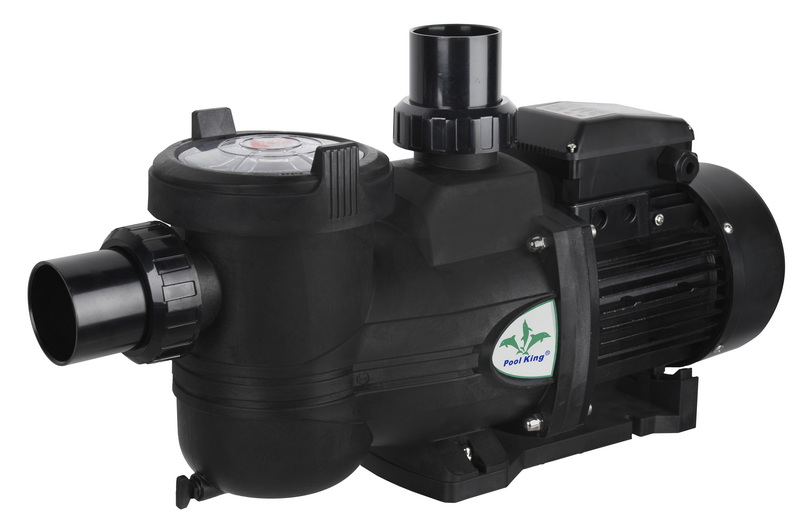
Most pool owners should run the pump long enough to turn over all of the pool water at least once per day, which often equals about 8 hours for a properly sized single‑speed pump. In hotter climates or during peak swimming season, you may need 10–16 hours per day to prevent algae and maintain very clear water, especially in heavily used pools.[4][1][6]
Running a pool pump 24/7 is generally safe for the equipment if the pump and plumbing are correctly installed and maintained, and some commercial pools do operate nearly all the time. However, for most residential pools, continuous operation wastes electricity and is unnecessary when a well‑designed system can maintain clean water with carefully scheduled daily run times.[14][6]
Sand filters are very reliable and handle large water volumes well, but they typically filter larger particles than cartridge or DE filters, often around 20–40 microns. Because of this, some pools with sand filters may require slightly longer or more frequent run times to maintain the same visual clarity that a finer cartridge or DE filter can achieve with optimized operation.[10][5]
A variable speed pump does not always reduce total hours, but it lets you run at lower speeds for longer periods, achieving required turnover with much less energy use. Many owners program these pumps to run most of the day at low speed and only use higher speeds for backwashing filters, running spas, or powering water features.[11][12][3]
Signs that you may not be running the pump enough include frequent cloudiness, difficulty keeping chlorine levels stable, early algae growth, or visible debris staying in the pool despite regular cleaning. If these problems appear, check that the pump and filter are sized correctly, ensure the filter is clean, and gradually increase daily run time while monitoring water clarity and chemical balance.[4][6]
Yes, you can divide daily pump operation into multiple shorter blocks, such as a few hours in the morning and more hours at night, as long as the total adds up to the needed turnover time. This approach makes it easier to schedule around off‑peak electricity rates and can improve chemical distribution during key times of the day.[2][4]
Your factory can provide OEM branding on sand filters, DE filters, cartridge filters, water pumps, LED lights, and accessories, helping overseas brands build complete product lines quickly. With intelligent manufacturing equipment and experienced engineers, you support custom designs, private‑label packaging, and technical documentation so partners can confidently sell these filtration systems in their own markets.
[1](https://home.howstuffworks.com/swimming-pool-pumps-run-all-the-time.htm)
[2](https://www.swimuniversity.com/run-pool-pump/)
[3](https://www.cleanenergyconnection.org/article/variable-speed-pool-pumps-really-do-save-you-money-heres-how)
[4](https://www.swimmingpool.com/maintenance/pump&filter/how-long-to-run-pool-pump/)
[5](https://intheswim.com/blog/best-pool-filter-type-de-sand-or-cartridge.html)
[6](https://www.riverbendsandler.com/help-advice/pool-school-how-often-should-a-pool-pump-run-in-the-summer/)
[7](https://mrpoolman.com.au/blogs/news/how-long-should-i-run-my-pool-pump-every-day)
[8](https://lesliespool.com/blog/how-to-calculate-pool-pump-run-time.html)
[9](https://lesliespool.com/blog/whats-the-best-time-to-run-your-pool-pump.html)
[10](https://seasonalstores.com/inground/which-filter-is-better-sand-de-or-cartridge/)
[11](https://lesliespool.com/blog/benefits-of-variable-speed-pool-pumps.html)
[12](https://www.pentair.com/en-us/pool-spa/education-support/homeowner-support/calculators/pool-pump-savings-calculator.html)
[13](https://electricityplans.com/variable-speed-pool-pump-vs-standard-pool-pump/)
[14](https://www.sunsetpools-spas.com/blog/running-the-swimming-pool-pump-24-7)
[15](https://www.reddit.com/r/pools/comments/pbcz27/how_long_should_i_run_my_pool_pump_each_day_i/)
[16](https://www.youtube.com/watch?v=u4ExnupI26o)
[17](https://www.facebook.com/groups/637529959937311/posts/2589121674778120/)
[18](https://www.reddit.com/r/pools/comments/wymsml/some_advice_for_anyone_debating_between_a_sand/)
[19](https://www.facebook.com/groups/637529959937311/posts/2570771643279790/)
[20](https://www.youtube.com/watch?v=zjkK2nZ1_c8)


