
Views: 222 Author: Tina Publish Time: 2026-01-23 Origin: Site


Content Menu
● Why choose a PVC Pool ladder
● Planning your PVC Pool ladder
● Materials and tools for a PVC Pool ladder
● Cutting and preparing PVC for the Pool ladder
● Assembling the Pool ladder frame
● Adding handles and deck hooks to the Pool ladder
● Gluing and reinforcing the Pool ladder
● Anti‑slip steps and foot protection for the Pool ladder
● Stabilizing and weighting the Pool ladder
● Positioning and using your Pool ladder safely
● Inspection, maintenance, and common mistakes
● Enhancing your Pool ladder with extra features
● Safety guidelines every Pool ladder should follow
● FAQ
>> 1. How strong is a PVC Pool ladder compared with metal?
>> 2. Can a PVC Pool ladder damage my pool liner?
>> 3. How do I keep the Pool ladder from floating?
>> 4. How many steps should my PVC Pool ladder have?
>> 5. Do I need to protect PVC on my Pool ladder from UV exposure?
Building a DIY Pool ladder with PVC pipe is an affordable way to upgrade pool access while fully customizing height, width, and strength to your own swimming pool. With proper planning and safe assembly, a PVC Pool ladder can be sturdy, corrosion‑resistant, and comfortable to use for both adults and kids.
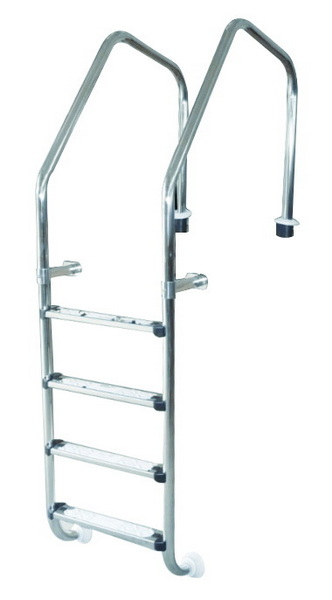
A PVC Pool ladder is popular among DIY pool owners because it is lightweight, rust‑free, and easy to cut and glue into almost any shape. Compared with metal options, a PVC Pool ladder is also more budget‑friendly and less likely to damage pool liners when designed correctly.
- PVC does not rust, so a Pool ladder made from it stays cleaner and looks newer for longer.
- PVC fittings make it simple to adjust the Pool ladder design to different pool wall heights and widths.
- A PVC Pool ladder can be stabilized with sand, weights, or anchors, giving reliable access for above‑ground pools and some in‑ground setups.
Besides cost and flexibility, another major benefit of a PVC Pool ladder is how simple it is to repair. If one section cracks or wears out, you can cut out the damaged piece and replace it with fresh PVC and fittings instead of buying a whole new Pool ladder.
Before cutting any pipe, take time to plan the Pool ladder design for your specific pool type and users. Simple planning helps avoid wobbling, awkward step spacing, or handles that are too low.
- Measure pool wall height from ground or deck to the top edge to determine overall Pool ladder length.
- Decide ladder width; 18–22 inches is widely recommended for a comfortable PVC Pool ladder.
- Plan step spacing of about 10–12 inches vertically so the Pool ladder is easy to climb for most swimmers.
- Sketch side rails, steps, and handles so your Pool ladder blueprint includes both in‑water and out‑of‑water portions.
Also consider who will use the Pool ladder most often. For kids and older adults, slightly wider steps and taller handrails make the PVC Pool ladder safer and more comfortable. If you have an above‑ground pool with a deck, decide whether your Pool ladder will connect directly to the deck or hook only over the pool wall.
A strong and safe Pool ladder depends on using the right pipe size, fittings, and adhesives. High‑quality components reduce flexing and extend the life of your PVC Pool ladder.
- PVC pipe: Schedule 40, about 2‑inch diameter for main rails and rungs of the Pool ladder.
- PVC fittings: 90‑degree elbows for corners, 45‑degree elbows for angled handles and feet, and T‑joints for Pool ladder rungs.
- PVC primer and cement: For strong watertight joints on every part of the Pool ladder frame.
- Anti‑slip material: Skateboard tape, anti‑slip pads, or grip tape for each step of the Pool ladder.
- Optional reinforcement: Expanding spray foam inside PVC rungs and stainless steel screws to stiffen the Pool ladder structure.
- Tools: Tape measure, marker, PVC cutter or saw, drill, and basic safety gear such as gloves and eye protection.
Depending on your design, you may also want caps for the open ends of the PVC, rubber feet for the Pool ladder base, and straps or brackets for attaching the Pool ladder to the pool wall or deck. Having all materials ready before you start makes assembly much faster and more efficient.
Careful cutting and labeling make Pool ladder assembly much smoother and reduce errors. This stage shapes the rails and steps that set comfort and safety.
- Cut step pieces: Many Pool ladder designs use rungs about 18 inches wide for a comfortable foot area.
- Cut side rail segments: Shorter 12‑inch pieces between rungs let you stack steps to the desired Pool ladder height.
- Deburr and smooth edges so users do not scratch themselves when climbing the Pool ladder.
- Dry‑fit the rails and steps without glue first to confirm that the Pool ladder height, angle, and spacing feel right.
If you plan to fill each rung with expanding foam, drill a small hole at one end, inject the foam, and allow it to cure fully before you proceed. This simple step helps each rung on your Pool ladder resist flexing when someone stands on it.
Once all PVC pieces are cut, start building the Pool ladder from the bottom up, keeping each rung level. A symmetrical frame helps the Pool ladder sit straight in the water.
1. Start with a 90‑degree elbow on each side and connect them with an 18‑inch rung to form the bottom Pool ladder step.
2. Add 12‑inch vertical sections above the first rung, then attach T‑joints where the next Pool ladder step will go.
3. Repeat rung and spacer sections until you reach the top of the planned Pool ladder height.
4. Build a second side frame the same way so both sides of the PVC Pool ladder match in length and spacing.
At this stage, keep the joints press‑fit only (no glue yet) so you can tweak the angle and spacing. Make sure the Pool ladder stands evenly on a flat surface and that each rung is parallel to the ground. Once the dry fit feels stable and comfortable to climb, mark alignment points with a marker so you can reassemble the Pool ladder quickly after gluing.
Safe entry and exit rely on strong, well‑positioned handles on your PVC Pool ladder. Handles give swimmers extra balance and confidence when climbing.
- Extend the side rails of the Pool ladder about 8–12 inches above the pool edge for proper hand grip height.
- Use 90‑ or 45‑degree elbows to curve the Pool ladder handles over the pool wall or deck edge.
- Ensure the top section hooks securely so the Pool ladder cannot slide inward or outward when loaded.
- If needed, drill through the handles and use stainless steel bolts with washers and lock nuts to fasten the Pool ladder to the top rail or deck.
For above‑ground pools with a removable access system, you may want a Pool ladder that can swing up or lift away when not in use. In that case, design the top of your PVC Pool ladder so it can be unpinned or unlocked quickly, keeping the pool secure when unsupervised.
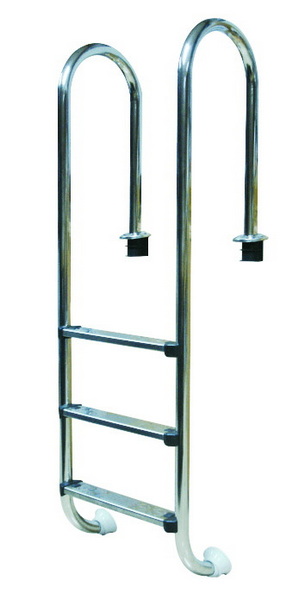
Permanent assembly is one of the most critical stages for a reliable PVC Pool ladder. Strong joints prevent wobbling and extend the ladder's usable life.
- Disassemble the Pool ladder one joint at a time, apply PVC primer to both mating surfaces, then add cement and reassemble quickly.
- Work methodically from bottom to top so the Pool ladder frame stays aligned as the glue cures.
- After each section is glued, wipe away excess cement and check that each rung of the Pool ladder remains level.
- Allow full curing time, usually at least 24 hours, before placing the PVC Pool ladder in the water.
For extra strength, add stainless steel screws through some key fittings once the glue has dried. A small pilot hole and a short screw will lock the joint in place and improve long‑term stability, especially around the most heavily used steps of the Pool ladder.
Wet feet on smooth PVC can be slippery, so finishing the Pool ladder steps with extra grip is essential for safety. Protecting the pool liner from the ladder feet is equally important.
- Apply skateboard grip tape or anti‑slip pads to every Pool ladder step, covering the main standing area.
- Make sure all adhesive materials are rated for wet or marine environments so they stay attached under water.
- Add end caps or rubber pads to the bottom of the Pool ladder legs to prevent scratching or tearing the liner.
- If the Pool ladder rests on a hard surface, non‑marking rubber feet can improve traction and reduce noise.
You can also slightly round the front edge of each rung to make the Pool ladder more comfortable for bare feet. Combined with anti‑slip coverings, this shaping helps swimmers feel secure whether they are entering slowly or climbing out quickly.
A floating or shifting Pool ladder is uncomfortable and dangerous, so proper weighting is crucial. The goal is to keep the PVC Pool ladder firmly planted without putting too much pressure on the liner.
- Fill lower legs of the Pool ladder with sand or small gravel before sealing them with caps.
- Attach sand‑ or water‑filled plastic containers to the base of the Pool ladder using cable ties or straps.
- For above‑ground setups with decks, tie or clamp the Pool ladder frame to the wall or deck structure for added stability.
- Always test the Pool ladder by loading the steps from top to bottom to confirm that it does not lift, twist, or slide.
If you notice any movement when someone climbs the Pool ladder, add more weight at the base or adjust the anchor points. Stable footing is essential, especially when kids tend to jump onto the lower steps of the Pool ladder with extra force.
Even a well‑built PVC Pool ladder can be unsafe if installed in the wrong place or used incorrectly. Good positioning reduces the risk of slips, collisions, and liner damage.
- Place the Pool ladder where swimmers naturally enter and exit, away from skimmers, returns, and sharp edges.
- Ensure there is enough clear space around the Pool ladder so people can turn and hold the rails comfortably.
- Do not allow more than one person to climb the Pool ladder at the same time unless it is specifically designed for that load.
- Teach children to use the Pool ladder slowly, always facing the steps and holding the handrails.
For above‑ground pools, consider a safety plan that includes locking or removing the outside part of the Pool ladder when the pool is not supervised. This simple step can prevent unsupervised access and significantly improve overall pool safety.
A simple maintenance routine can extend the life of your PVC Pool ladder for many seasons. Small checks take only a few minutes but have a big impact on safety.
- Inspect the PVC Pool ladder regularly for cracks, faded or chalky surfaces, or joints that start to loosen.
- Replace worn anti‑slip tape on the Pool ladder steps as soon as it starts to peel or lose grip.
- Clean the Pool ladder with mild soap and water to remove algae, sunscreen, and body oils that make surfaces slippery.
- Check all anchors, bolts, and clamps on the Pool ladder and tighten or replace any corroded hardware.
Common mistakes include building a Pool ladder that is too narrow, spacing steps too far apart, or leaving the lower legs unprotected on a vinyl liner. Avoid these issues by following your plan closely, keeping user comfort in mind, and making small adjustments before final gluing.
Once the main structure of your PVC Pool ladder is complete, you can add useful extras that improve convenience and appearance.
- Add side rails or small guard panels near the top of the Pool ladder to guide kids safely onto the deck.
- Incorporate a small standing platform at the top so swimmers can pause before stepping onto the deck or into the pool.
- Use UV‑resistant paint suitable for PVC to match your Pool ladder to the color of your pool surround.
- Combine the PVC Pool ladder with an external wooden or composite staircase to create a more comfortable multi‑step access system.
These enhancements do not change the basic function of the Pool ladder, but they make daily use smoother and can help the ladder blend better into the overall pool design.
No matter what style you build, every Pool ladder should follow some basic safety principles. These suggestions come from common industry guidelines and consumer safety recommendations.
- Steps on a Pool ladder should be wide enough for a secure footing and spaced comfortably for the average adult.
- Handrails should be easy for a child to grasp, with no sharp corners or exposed fasteners.
- All contact points on the Pool ladder that might touch skin should be smooth, rounded, and free of burrs.
- Ladders should be inaccessible to unsupervised children when the pool area is closed or not in use.
When your PVC Pool ladder meets these simple rules, everyone using the pool can enjoy easier access with far less risk of falls and scrapes.
A DIY PVC Pool ladder is a practical project that improves pool access while saving money and allowing full customization of height, width, and step spacing. By choosing the right materials, reinforcing key joints, adding anti‑slip surfaces, and securely anchoring the frame, you can create a Pool ladder that is safe, durable, and comfortable for years of swimming. Careful placement, clear usage rules, and regular inspection keep your Pool ladder performing reliably for your family, friends, or guests throughout every swim season. With thoughtful planning and attention to detail, your custom PVC Pool ladder can look professional, match your pool layout, and make every entry and exit smooth and secure.
Contact us to get more information!
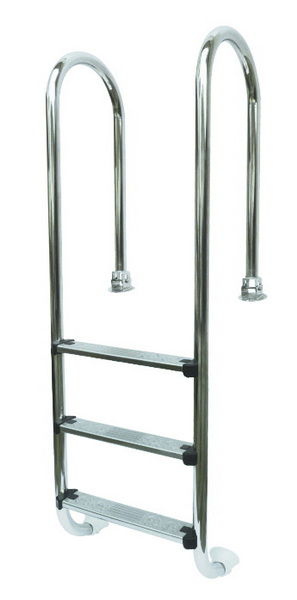
A well‑built PVC Pool ladder using Schedule 40 pipe, proper fittings, and good gluing can support typical household use, especially for above‑ground pools. For very heavy use, commercial facilities, or users with higher body weights, metal Pool ladders or reinforced hybrid designs are often recommended because they offer tested load ratings and may follow stricter safety standards.
A PVC Pool ladder is usually gentle on liners when end caps, rubber pads, or non‑marking feet are installed on every contact point. Avoid sharp edges, exposed screws, and un‑capped pipe ends, and periodically inspect the liner under the Pool ladder for early signs of wear or discoloration so you can adjust the base or add extra protection.
To prevent floating, fill lower legs of the PVC Pool ladder with sand or gravel before sealing them, or attach weighted containers to the base using strong straps. In addition, secure the Pool ladder to the pool wall or deck so the upper section cannot lift or tip when swimmers apply force to the steps.
Most builders space steps on a Pool ladder about 10–12 inches apart, starting from just above the pool floor up to the deck or coping level. The total number of rungs depends on pool wall height, but many above‑ground PVC Pool ladder designs use four to five steps for comfortable entry and exit for most adults and older children.
PVC used in a Pool ladder can slowly become brittle after years of strong sun exposure, especially in hot climates. To extend its life, you can paint the exposed sections with a UV‑resistant coating approved for PVC or plan to replace the most sun‑exposed parts of the Pool ladder every few seasons as part of normal maintenance.
1. https://www.budget101.com/do-it-yourself/6038-diy-pvc-pool-ladder-plans/
2. https://www.poolfencediy.com/blogs/blog/pool-ladder-safety
3. https://100things2do.ca/diy-above-ground-pool-ladder-stairs/
4. https://sternsbackyard.com.au/blogs/news/safety-tips-for-installing-and-using-above-ground-pool-ladders
5. https://blog.linerworld.com/2011/01/14/swimming-pool-ladder-installation/
6. https://cincinnatipoolandpatio.com/choosing-pool-ladders/
7. https://diy.inyopools.com/article/choosing-a-ladder-or-steps-for-an-above-ground-pool/


