
Views: 222 Author: Tina Publish Time: 2026-01-20 Origin: Site


Content Menu
● What Is a Heavy Duty Pool Ladder?
● Planning Your Heavy Duty Pool Ladder
● Choosing the Right Materials
● Safety Principles for a Heavy Duty Pool Ladder
● Step‑by‑Step: Building the External Stairs
>> 2. Assembling the stair frame
>> 3. Adding railings and non‑slip surfaces
● Step‑by‑Step: Building the Internal Pool Ladder
>> 1. Determining ladder length and step spacing
>> 2. Constructing the ladder sides and steps
>> 3. Stabilizing the ladder in the pool
● Integrating Handrails, Platforms, and Accessories
● Installing and Positioning the Pool Ladder
● Maintenance and Long‑Term Care
● FAQ
>> 1. How much weight should a heavy duty Pool Ladder support?
>> 2. How many steps does a Pool Ladder need?
>> 3. Which material is best for a heavy duty Pool Ladder?
>> 4. How can I make my Pool Ladder safer for children and seniors?
>> 5. Where is the best location to install a Pool Ladder?
Building a heavy duty Pool Ladder is one of the most effective ways to improve both safety and comfort around any swimming pool. A well‑designed Pool Ladder gives swimmers of all ages and body types a stable, comfortable path in and out of the water, while also reducing wear on the pool structure and surrounding deck. For pool owners, especially those who demand higher quality equipment, a DIY heavy duty Pool Ladder can be a smart upgrade that outperforms many standard ladders on the market.
As a professional manufacturer of pool filtration systems and pool accessories, a detailed Pool Ladder guide not only helps end users, but also shows how a high‑quality Pool Ladder integrates with pumps, filters, lights, and other pool hardware. The following step‑by‑step guide focuses on strength, durability, and safety so your heavy duty Pool Ladder can truly match a premium pool system.
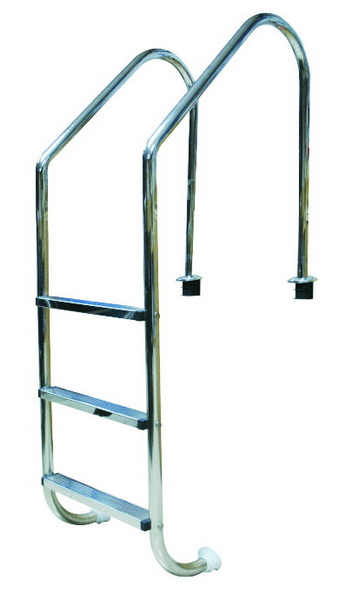
A heavy duty Pool Ladder is a reinforced ladder or stair system designed to support higher weight loads, frequent use, and long‑term exposure to chemicals, sunlight, and water. Instead of thin, flexible frames and narrow rungs, a heavy duty Pool Ladder uses thick rails, wide treads, and strong handrails, and often combines multiple materials to achieve strength and comfort.
A strong heavy duty Pool Ladder typically includes:
- Wide, non‑slip steps that are comfortable for bare feet and safe when wet.
- Dual handrails with enough height and grip for kids, adults, and seniors.
- Structural bracing and secure anchoring that prevent wobbling or shifting.
- Corrosion‑resistant surfaces to handle chlorinated or saltwater pools.
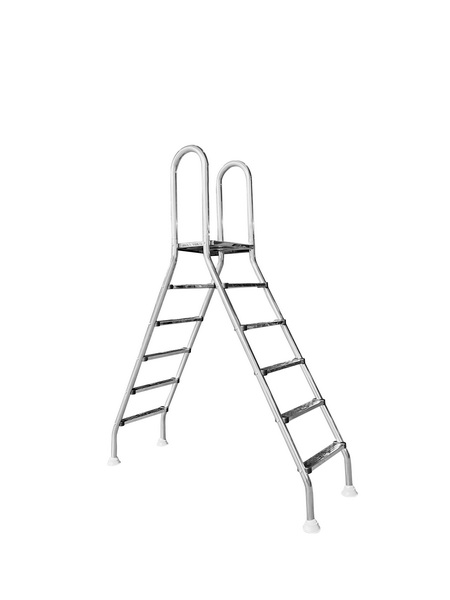
For above‑ground pools, a heavy duty Pool Ladder often combines exterior stairs leading to the pool edge and an interior ladder section that extends down into the water. For in‑ground pools, a heavy duty Pool Ladder usually anchors into the deck or coping and bends into the water in a smooth “S” or “U” shape.
Before cutting any material, plan your Pool Ladder around real measurements and user needs. Good planning ensures that the finished Pool Ladder feels natural to climb and fits perfectly with your pool and deck.
Key planning steps:
- Measure the height from the ground to the pool deck or top rail.
- Measure water depth at the entry point where the Pool Ladder will sit.
- Decide whether you want straight ladder rungs or stair‑like steps.
- Define the maximum user weight (for example 300–400 lbs) you want the Pool Ladder to support.
It is best to design the Pool Ladder so that step height remains between about 8 and 10 inches. This range feels comfortable for most people and reduces strain on knees and hips. For above‑ground pools, you may need four or five internal steps plus external stairs to reach the same comfortable rise.
During planning, also think about who will use the Pool Ladder most. If you have children, seniors, or heavier swimmers, choose a design with wider treads, strong rails, and a top platform where users can pause and turn safely. The more the Pool Ladder matches real users, the safer and more convenient it will be.
Material selection is a major factor in how strong and long‑lasting your heavy duty Pool Ladder will be. The most common materials for a Pool Ladder are stainless steel, resin, plastic, and pressure‑treated or composite wood.
Stainless steel is a classic option for in‑ground Pool Ladder rails and commercial pool environments. It offers:
- High structural strength and stiffness for handrails and frames.
- Good resistance to corrosion when properly maintained and matched to pool chemistry.
- A sleek, professional look that suits high‑end pool installations.
However, stainless steel Pool Ladder components need regular cleaning to prevent staining or surface corrosion, especially in saltwater or high‑chlorine pools. Good water balance helps extend the life of a stainless steel Pool Ladder.
Resin and high‑quality plastics are common in above‑ground Pool Ladder systems. They are:
- Resistant to rust, flaking, and many pool chemicals.
- Comfortable to touch in hot or cold weather.
- Often molded with textures to provide a non‑slip surface.
Resin Pool Ladder steps are especially useful for users with sensitive feet because they do not heat up like metal and can be shaped with deep, wide treads.
Pressure‑treated wood or composite decking boards are ideal for building exterior stairs and platforms that lead to the pool edge. A wood‑framed Pool Ladder system offers:
- Customizable shape and size for unique pool heights and deck layouts.
- A solid, “stair‑like” feel for larger swimmers and families.
- The ability to integrate storage, railings, and even lighting into the structure.
When using wood, every part of the Pool Ladder that is above water should be sealed, stained, or painted for weather resistance. Submerged sections should use materials better suited to constant water contact, such as resin or stainless steel.
Safety should guide every design and construction decision. A Pool Ladder is a primary access point to the water, so poor design can increase the risk of slips, falls, or entrapment.
Important safety principles include:
- Non‑slip steps: Every tread on the Pool Ladder should have a textured or coated surface to provide grip when wet.
- Strong handrails: Handrails should be easy to grasp, extend above the deck, and follow the natural movement of the user as they climb.
- Anti‑entrapment design: Avoid large gaps behind or under the Pool Ladder where children might get trapped. For stair‑style ladders, close risers can improve safety.
- Clear entry zone: Place the Pool Ladder where swimmers can enter and exit without colliding with returns, steps, or other structures.
Also consider security when the pool is not in use. Some above‑ground Pool Ladder systems include removable steps, lockable gates, or barriers that prevent unsupervised access by children. When you design your heavy duty Pool Ladder, plan how it can be secured after swimming.
For above‑ground pools or elevated decks, external stairs provide a stable path up to the pool edge. This stair structure works together with the internal Pool Ladder to create one integrated system.
- Measure the vertical height from the ground to the deck or top rail of the pool.
- Choose a comfortable step rise (for example 8 inches) and divide the total height by that number to determine how many steps your Pool Ladder stairs need.
- Mark stringers on 2x10 or 2x12 lumber using a framing square, then cut them carefully so each step is identical.
If you prefer a more “furniture‑like” look, composite boards can be used for the treads. Make sure the main structural stringers are rated for structural use and suitable for outdoor conditions.
- Attach the stringers to a solid base or concrete pads at the bottom.
- Connect the top of the stringers to the deck framing or to a support beam fixed to the pool structure.
- Install treads using exterior‑grade screws or bolts. Leave small gaps between boards for drainage but not so large that toes can get caught.
To make your Pool Ladder stairs heavy duty, add blocking between stringers and a small landing platform at the top. The platform gives users a place to pause before stepping onto the internal Pool Ladder section.
- Install posts at the top and bottom of the stairs, then fix handrails along the full length of the stairs.
- Make the handrails continuous and smooth, without sharp edges or gaps.
- Apply non‑slip tape, textured paint, or specialized stair tread covers to each step.
These details transform a simple stair into a safe, heavy duty Pool Ladder approach that works well in all weather conditions.
The internal section of the Pool Ladder extends down into the water and must feel firm and secure, even when a heavy swimmer climbs it.
- Measure from the top of the deck or coping down to the pool floor at the entry point.
- Decide how much clearance you want between the bottom step of the Pool Ladder and the pool floor, usually a few inches to prevent scraping.
- Divide the usable height by the number of desired steps to keep spacing comfortable.
For many pools, four to five underwater steps provide a comfortable transition from deck level to pool floor.
- Use stainless steel rails, resin side panels, or treated lumber (if not permanently submerged) cut to length for the sides of the Pool Ladder.
- Attach steps at consistent intervals using corrosion‑resistant fasteners.
- Round over or sand all exposed edges so the Pool Ladder feels smooth to the touch.
If using a hybrid design, you might combine stainless steel rails with molded resin steps for maximum comfort and durability.
- Fit rubber or plastic feet at the bottom of the Pool Ladder rails to protect liners and provide grip.
- Add weights, sand‑filled compartments, or integrated ballast if necessary so the Pool Ladder does not float or shift when someone climbs it.
- Fix the top of the internal Pool Ladder to the deck or external stair platform with brackets or flanges, making it a single rigid structure.
This combination of anchoring at the top and secure footing at the bottom is essential for a heavy duty Pool Ladder that does not wobble or tip.
A premium heavy duty Pool Ladder does more than just offer basic steps. With thoughtful design, the Pool Ladder can become part of a full access system that includes platforms, extra handrails, and even lighting.
Ideas to enhance your Pool Ladder:
- Add a generous top platform where swimmers can sit briefly, adjust goggles, or help children.
- Extend handrails higher than usual, or add side rails, to create a “corridor” effect that feels very secure.
- Integrate LED lights into the platform or stair risers around the Pool Ladder area to improve visibility at night.
- Coordinate the Pool Ladder with other pool equipment such as filter valves, skimmer positions, and return jets so users do not bump into fittings.
By combining structural strength, ergonomics, and accessories, your Pool Ladder can match the quality level of professional‑grade pool systems.
Even the strongest Pool Ladder will feel unsafe if installed poorly. Take time to position and anchor the ladder correctly.
Key installation tips:
- Choose an open, visible zone of the pool where people naturally enter and exit.
- Make sure the pool wall or deck where the Pool Ladder is installed is in good condition, without cracks or weak points.
- Use proper anchors, flanges, or brackets rated for the deck material (concrete, stone, or wood).
- Confirm that the Pool Ladder feet are flat on the pool floor and that the ladder is square to the pool wall.
After installation, test the Pool Ladder with increasing loads. One person should climb slowly while another checks for movement. A correctly installed heavy duty Pool Ladder will feel solid with minimal flex.
Like any piece of pool equipment, a Pool Ladder performs best when maintained regularly. A simple maintenance routine will keep your heavy duty Pool Ladder looking good and functioning safely for many years.
Recommended maintenance actions:
- Inspect the Pool Ladder at the start of every swim season for loose bolts, cracked steps, or signs of corrosion.
- Tighten all connections and replace any worn or damaged components immediately.
- Clean stainless steel with suitable cleaners to remove scale and chemical residues.
- Rinse resin and plastic steps regularly to keep surfaces grippy and free from sunscreen oil or algae film.
For wood components, refresh sealers or stains every one to two seasons depending on climate. Avoid harsh metal tools that could scratch the Pool Ladder, as damaged surfaces can corrode or become slippery.
If your pool uses a sand filter, DE filter, or cartridge filter, good circulation and water quality will also help protect the Pool Ladder from buildup and staining. Balanced water is as important for the Pool Ladder as it is for pumps, lights, and fittings.
A well‑designed heavy duty Pool Ladder is more than just a way to climb in and out of the water; it is a central part of pool safety, comfort, and overall user experience. By planning step spacing carefully, selecting strong and corrosion‑resistant materials, and combining external stairs with a stable internal ladder, you can create a Pool Ladder system that feels solid underfoot and inspires confidence in every swimmer.
When the Pool Ladder integrates smoothly with filtration systems, pumps, and lighting, the whole pool environment becomes easier to use and maintain. With thoughtful construction, careful installation, and regular maintenance, your heavy duty Pool Ladder will provide reliable service season after season, matching the performance of professional‑grade pool equipment and reinforcing your pool as a safe, enjoyable place for family and guests.
Contact us to get more information!
A heavy duty Pool Ladder should be designed to support at least 300 lbs, and many premium or DIY systems aim for 350–400 lbs or more. Building to a higher target weight increases safety margins and helps the Pool Ladder handle dynamic loads when someone climbs quickly or carries gear.
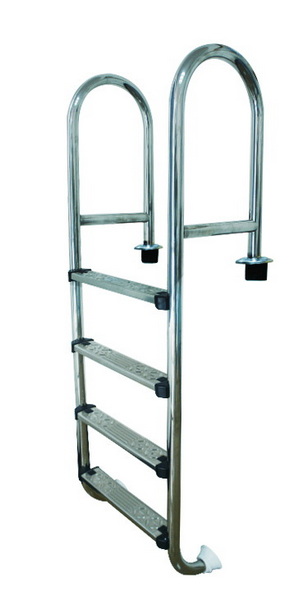
Most Pool Ladder designs for above‑ground pools use four or five underwater steps plus external stairs, while many in‑ground Pool Ladder systems use three deep, wide treads. The exact number depends on deck height and water depth, but the goal is to keep each rise comfortable, usually around 8–10 inches.
There is no single “best” material, but a combination often works well. Stainless steel rails provide excellent strength, resin or plastic steps add comfort and grip, and treated or composite wood is ideal for exterior stair structures. The right mix depends on whether the Pool Ladder is fully submerged, partially submerged, or completely above water.
To make a Pool Ladder safer for children and seniors, use wide, non‑slip steps and keep step height modest. Add extended handrails, side rails, or a top platform so users can move slowly and rest if needed. For above‑ground pools, consider a lockable gate or removable outer ladder section to prevent unsupervised access when adults are not present.
The ideal location for a Pool Ladder is a clear, visible area where people naturally enter and exit the pool and where the pool floor is flat and stable. Avoid tight corners, locations near sharp edges, or spots with many fittings and accessories. Always ensure the deck or wall structure is strong enough to support the ladder anchors and long‑term use.


