
Views: 222 Author: Tina Publish Time: 2026-01-20 Origin: Site


Content Menu
● Option 1: Use a removable step or A‑frame safety ladder
>> How it works
>> Step‑by‑step: Blocking access with a removable ladder
● Option 2: Install a lockable entry gate system
>> Key features
>> How to block the ladder with a gated system
● Option 3: Remove the entire ladder (seasonal or long‑term)
>> Step‑by‑step: Removing an above‑ground ladder
● Option 4: Use a dedicated ladder guard or cover
● Option 5: Control access with fences and barriers
>> Integrating the ladder into the barrier
● Special considerations for inground pool ladders
>> Approaches for inground ladders
● Maintenance and inspection tips
● When to consider upgrading your ladder system
● OEM and professional solutions (for brands and installers)
>> 1. What is the safest way to block an above‑ground pool ladder?
>> 2. Can I just remove the ladder and leave the pool wall as the only barrier?
>> 3. Are ladder guards and covers enough by themselves?
>> 4. Do pool safety rules differ by location?
>> 5. How often should I inspect my ladder and safety devices?
Blocking off a swimming pool ladder is one of the most effective ways to prevent unsupervised access to the pool, especially by children and pets, and to reduce accidental drowning risks. The best method depends on whether your pool is above-ground or inground, and whether your ladder is removable, A‑frame, or built into a deck.
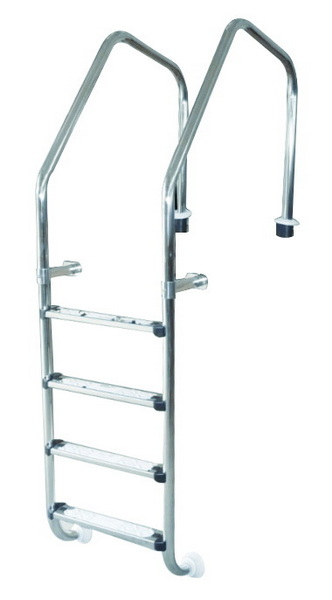
- Pool ladders are a major access point, so controlling them is critical for preventing unsupervised entry by children and pets.
- Safety standards and many local codes require physical barriers, gates, or removable access systems to reduce drowning and entrapment risks.
- Common methods include removable outside steps, lockable safety gates, ladder guards, rigid covers, and full pool barriers around the ladder area.
- The safest approach is usually a combination: a secure ladder system plus a code‑compliant fence or enclosure around the pool.
Many above‑ground pools use A‑frame ladders designed so the outside steps can be lifted or removed when the pool is not in use.
- The inner ladder stays in the water, while the outer portion flips up or detaches, making it difficult for small children to climb into the pool.
- Some A‑frame systems also include an integrated safety barrier behind the inner ladder to prevent swimmers from getting trapped underneath.
1. Check the ladder design
- Confirm whether your ladder's outside section is removable, flip‑up, or has a locking system.
- Read the manufacturer's manual for the recommended locking or removal procedure.
2. Lift or detach the outside steps
- Flip up the outer ladder section and secure it with the built‑in locking arm or pin system.
- If fully removable, carefully pull the outside section away and store it where children cannot access it.
3. Lock the mechanism
- Use the included lock, padlock, or safety pin to prevent the outside steps from being lowered by a child.
- Verify that the ladder cannot be pulled down or re‑installed without tools.
4. Inspect the safety barrier
- Make sure the inner safety barrier is firmly attached so no one can swim behind or under the steps.
- Confirm there are no gaps large enough for a child's head or torso to enter (often 4 in or smaller is recommended).
Some premium above‑ground entry systems combine wide steps inside the pool with a lockable gate on the outside, effectively blocking the ladder when closed.
- Self‑closing, self‑latching gate that locks with a padlock or built‑in lock.
- Anti‑entrapment barrier underneath the steps and between uprights to prevent swimming behind the ladder.
1. Close the gate fully
- Make sure the gate swings completely shut so the latch engages automatically.
- Listen for the latch click or visually confirm the latch tongue is captured.
2. Engage the lock
- Insert the key or padlock and lock the gate, keeping the key out of reach of children.
- Check that the gate cannot be pulled or shaken open.
3. Verify barrier coverage
- Confirm that the anti‑entrapment panels block access under and behind the steps.
- Make sure there are no foot or hand holds that would allow a child to climb around the gate.
In some situations, the safest way to block off a ladder is to remove it entirely, especially for winterizing or extended periods when the pool is closed.
- During off‑season when the pool is covered and not used.
- When replacing or repairing a damaged ladder.
1. Lower water level (if recommended)
- Some guides suggest lowering water about 30 cm (1 ft) below normal to reduce pressure and improve access to hardware.
- Follow manufacturer instructions for your pool and ladder.
2. Unlock any gates or barriers temporarily
- Flip up security gates or remove temporary barriers around the ladder to access mounting points.
- Keep children away from the pool area while the ladder is detached.
3. Loosen mounting hardware
- Use the correct tools to remove bolts, clamps, and brackets connecting the ladder to the wall or deck.
- Protect your hands from sharp edges on metal brackets or screws.
4. Lift and remove the ladder
- Pull the ladder straight up, tilt it away from the wall, then walk it out of the pool area.
- Lay it flat on a level surface to avoid bending or warping.
5. Secure the pool area
- Install or close perimeter fencing so the pool is not left open and ladder‑less, which can lead to unsafe climbing over walls.
- Cover or plug any anchor holes in the deck to prevent trips.
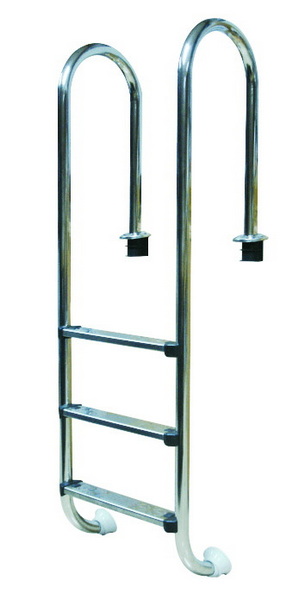
For some A‑frame and deck ladders, a dedicated guard panel or rigid cover can be added to block the steps when not in use.
- Rigid plastic panels that slide or clip over the outside steps to prevent climbing.
- Full covers or housings that fit over the ladder or entry system when the pool is closed.
1. Fit the guard over the steps
- Slide or hook the guard into place according to the manufacturer's instructions.
- Verify it cannot be easily pulled off by a child.
2. Secure with locks or straps
- Use built‑in locks or external straps/cables to keep the guard in place.
- Check regularly for wear, UV damage, or cracks.
3. Remove only under supervision
- Take off the guard only when an adult is present and supervising pool use.
- Reinstall it immediately when swimming is finished.
Even if the ladder itself is removable or gated, a proper pool barrier around the entire pool area is often required by law and is a key safety layer.
- Many safety guidelines recommend barriers at least 4 ft (about 1.2 m) high with no climbable footholds.
- Openings should be too small for a child's head and torso—some standards specify gaps less than about 4 in (10 cm).
1. Place the ladder inside the fenced zone
- Position the ladder so it is only reachable after passing through the gate.
- Avoid placing the ladder near climbable objects such as furniture or planters.
2. Configure gate and latch
- Use self‑closing, self‑latching hardware; install the latch release high or on the pool side of the gate.
- Ensure there is no opening near the latch large enough for a child to reach through and release it.
3. Check local regulations
- Many jurisdictions specify exact barrier heights, clearances, and gate hardware requirements.
- Complying with these rules not only improves safety but can also reduce liability risk.
Inground pools often have ladders anchored into the deck, making removal difficult but still allowing for access control.
- Lockable covers or cages that block the rungs when not in use.
- Deck gates or railings that restrict walking to the ladder area unless opened by an adult.
- Make sure any guard or gate does not create new trip hazards on the deck.
- Confirm that emergency responders could still reach the ladder quickly if needed.
- Relying only on a flimsy temporary barrier that children can move or bypass.
- Leaving the ladder accessible while assuming a cover or alarm alone is enough for safety.
- Inspect ladders, guards, and gates regularly for corrosion, UV damage, loose hardware, or cracking.
- Clean steps and barriers to prevent algae and slippery surfaces, and confirm locks and latches still function smoothly.
- If your current ladder has no way to block off access, upgrading to a modern safety ladder or gated step entry may be the most reliable option.
- Look for features like removable outside steps, integrated safety barriers, lockable gates, and robust, corrosion‑resistant construction.
For pool brands, wholesalers, and installers, offering integrated ladder‑and‑barrier systems can differentiate product lines and improve safety.
- Many safety ladders, step systems, and covers can be customized in color, material, or branding for OEM programs.
- Combining premium filtration equipment, pumps, LED lights, and safety entry systems creates a complete high‑end pool package for international markets.
Blocking off a swimming pool ladder is a critical part of a layered safety strategy that also includes fencing, covers, alarms, and active supervision. Whether you use removable steps, gated entry systems, ladder guards, or full barriers, the goal is to make unsupervised climbing as difficult as possible while keeping the ladder stable and comfortable for supervised use.
Contact us to get more information!
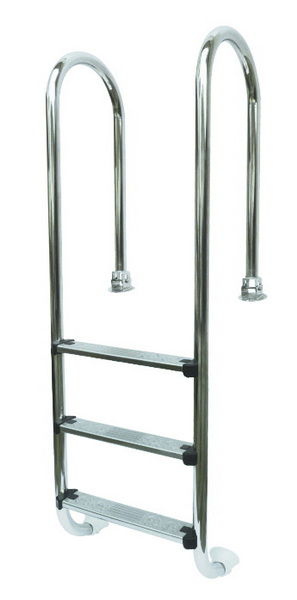
The safest approach is usually an A‑frame ladder or step entry system with removable outside steps or a lockable gate, plus a code‑compliant fence around the pool. This combination reduces unsupervised access while still providing stable, non‑slip steps for swimmers.
No. Removing the ladder may slow access, but many children can still climb pool walls or nearby furniture, so a proper fence or barrier is still needed. Safety guidelines recommend secure barriers with self‑closing, self‑latching gates, not just the absence of a ladder.
Ladder guards and covers are a useful added layer, but they should not replace a compliant pool fence or safe, lockable entry system. They work best when combined with other measures such as removable steps, gated entries, and close supervision.
Yes. Barrier height, gate latch position, and opening sizes are often defined by local or regional codes, which can vary. Always check and follow local regulations in addition to general safety best practices.
Inspect ladders, gates, locks, and guards at least once per month during the swimming season, and at opening and closing each year. Replace or repair any cracked, rusted, loose, or sun‑damaged components immediately.


