
Views: 222 Author: Tina Publish Time: 2026-01-14 Origin: Site


Content Menu
● What “Backwashing” Really Means
● Safety Prep Before Backwashing
● How to Backwash a Jandy Sand Filter
>> Step 1 – Shut off the system
>> Step 2 – Set valve to “Backwash”
>> Step 4 – Turn pump off and set to “Rinse”
>> Step 5 – Rinse the sand bed
>> Step 6 – Return to “Filter” mode
● How to Backwash a Jandy DE Filter
>> Step 1 – Turn pump off and open air relief
>> Step 2 – Set valve to “Backwash”
>> Step 3 – Run the first backwash cycle
>> Step 4 – Rinse and repeat cycles
>> Step 5 – Return to “Filter” and recharge with DE
● When and How Often to Backwash
● Our Professional Filtration Solutions
● FAQs About Backwashing a Jandy Pool Filter
>> 1. How do I know when my Jandy filter needs backwashing?
>> 2. Can I backwash a Jandy cartridge filter?
>> 3. How long should I backwash a Jandy sand filter?
>> 4. Do I always need to add DE after backwashing a Jandy DE filter?
>> 5. Why is my pool cloudy even after backwashing?
>> 6. How often should I replace the sand or DE grids?
Backwashing a Jandy pool filter is the key to keeping your water clear and protecting your pump and heater from damage. Regular, correct backwashing also extends the life of the sand or DE media inside the filter.[1]
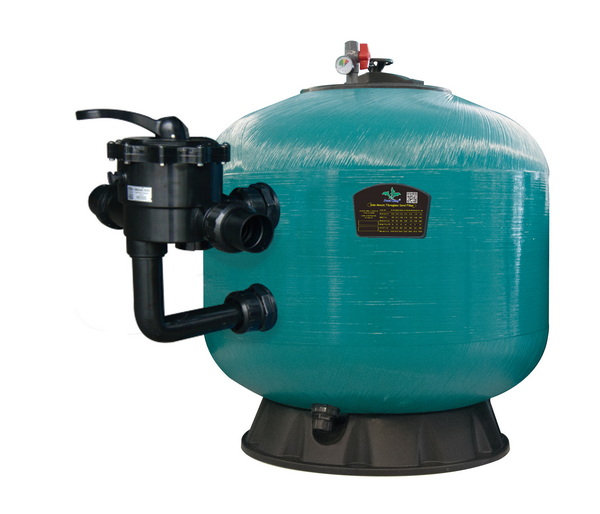
Backwashing means reversing the flow of water through your Jandy sand or DE filter to flush trapped dirt and debris out to waste instead of back into the pool. This restores normal pressure and improves circulation after the filter becomes clogged with contaminants.[1]
- In normal filter mode, water flows from the pool through the media (sand or DE) and returns to the pool.
- In backwash mode, water flows backward, lifting dirt out of the media and sending it to the waste line or drain.
For Jandy cartridge filters (CV series), the filter is not designed to be backwashed; the cartridges must be removed and hosed clean instead.[2]
Before starting, identify which Jandy filter you have, because the backwash steps and final “recharge” are slightly different.[3][1]
- Jandy sand filter
- Uses graded filter sand to capture dirt as water passes through the sand bed.[4][1]
- Backwashing lifts and loosens the sand to release debris.
- Jandy DE (Diatomaceous Earth) filter
- Uses DE powder coating on internal grids to trap very fine particles for superior clarity.[3][1]
- After backwashing, new DE powder must be added to the system.[5][3]
- Jandy cartridge filter
- Uses pleated cartridges and does not have a multiport backwash valve.[2][1]
- Cleaning requires opening the tank and rinsing cartridges; backwashing is not used.[1][2]
Most Jandy sand and DE filters will have a multiport or a dedicated Jandy backwash valve installed in the plumbing line near the filter tank.[6][1]
Always prepare the system correctly to avoid equipment damage or injury.[7][1]
- Turn off the pool pump at the main control or breaker before moving any backwash or multiport valve.[7][1]
- Close any suction or return valves if needed to isolate the filter, following your pool's specific plumbing layout.[1]
- Open the air relief valve on top of the filter tank to release trapped air and reduce internal pressure.[8][1]
- Make sure the backwash/waste hose is correctly connected and routed to a safe drain area where disposal is allowed.
For Jandy sand filters with a multiport valve, backwashing is straightforward and usually takes just a few minutes once you know the positions.[4][1]
- Turn the pump off completely before touching the valve.[4][1]
- Confirm the pressure gauge has dropped and the pump is quiet.
- Press down the handle on the multiport valve and rotate it to the Backwash position; make sure it locks firmly into place.[4][1]
- Double-check that your backwash hose is connected and directed to the right drainage area.
- Turn the pump on and allow water to flow in backwash mode for about 2 minutes or until the water in the sight glass runs clear.[1][4]
- Do not excessively over-backwash; many pros recommend staying under about 1–2 minutes to avoid washing out sand.[10][4]
You will typically see dirty, cloudy water at first, then gradually clearer water as the debris flushes out.[10][4]
- Turn the pump off again.[4][1]
- Move the valve handle to the Rinse position and ensure it locks in place.[4]
- Turn the pump on and run in Rinse mode for about 30–60 seconds, or until the sight glass water is clear.[1][4]
- This step settles the sand bed and flushes remaining dirt out the waste line instead of back into the pool.[4]
- Turn the pump off, rotate the valve back to Filter, and confirm the handle locks firmly.[1][4]
- Turn the pump on and check:
- Pressure gauge reading (it should be lower than before backwashing).
- Pool returns for normal flow and no sand returning to the pool.
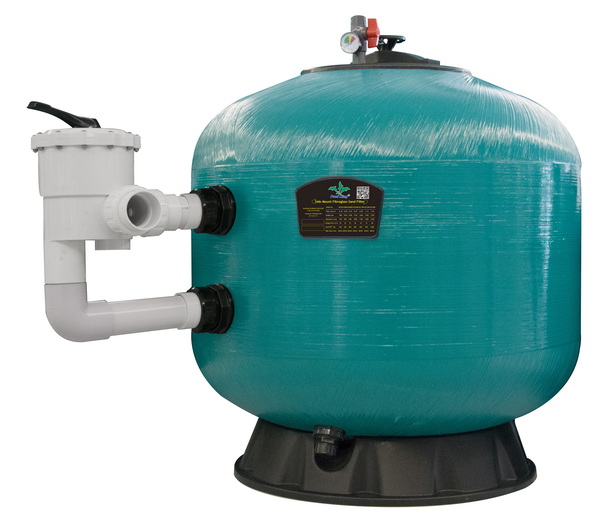
Jandy DE filters backwash similarly to sand filters, but they use DE powder instead of sand, and that powder must be replaced after backwashing.[3][1]
- Turn off the pump completely.[7][1]
- Open the air relief on top of the filter to release pressure.[8][1]
- On a multiport or Jandy DE backwash valve, move the handle from Filter to Backwash while the pump is off.[5][3]
- Make sure the waste line is connected and routed correctly.
- Turn the pump on and run in Backwash mode for about 1–3 minutes, or until the sight glass turns from cloudy to clear.[3][7]
- This reverses flow through the DE grids and strips off the dirty DE coating and contaminants.[7][3]
Many guides recommend repeating a shorter backwash/rinse cycle to fully clean the DE grids.[5][7]
- Turn the pump off, set valve to Rinse, and run the pump for about 30 seconds.[7][1]
- Turn pump off, return valve to Backwash, and run again for about 30–60 seconds until water clears.[5][7]
- Repeat a third time with even shorter durations (for example, 30 seconds backwash, 15–30 seconds rinse) if needed to fully purge old DE.[5][7]
Once the water runs clear:
- Turn the pump off and rotate the valve back to Filter.[3][7]
- Turn the pump on and open the skimmer line that you will use for adding DE if needed.
Now “recharge” the filter:
- Mix the proper amount of DE powder with water in a bucket to make a thin slurry (e.g., about 1 pound of DE for every 10 square feet of filter area, or manufacturer's specified amount such as 6 lbs for a 60 sq ft DE filter).[11][3][7]
- Slowly pour the DE slurry into the skimmer while the pump is running so the powder coats the internal grids.[3][5]
- Monitor the return jets to ensure DE is not blowing back into the pool (which would indicate damaged grids or internal issues).[5]
The best indicator that your Jandy filter needs backwashing is the pressure gauge on top of the tank.[7][1]
- Note your clean starting pressure right after a fresh backwash and recharge.
- Backwash when:
- Filter pressure rises 8–10 PSI above the clean starting reading.[1]
- Water flow from the returns feels weak or the pool looks cloudy despite proper chemistry.[7][1]
Additional frequency guidelines:
- Heavy use, storms, or algae treatments may require more frequent backwashing to remove the extra debris.[4][1]
- Sand filters often need backwashing every 1–2 months in typical residential use, though it varies with debris load.[10][4]
- DE filters are usually backwashed when pressure rises, and can be backwashed a few times before a full teardown and manual grid cleaning is needed.[12][7]
Avoid these issues to protect your Jandy filter and keep your pool crystal clear.[10][1]
- Moving the valve with the pump running
- Can damage the multiport valve, create water hammer, or break internal components.[1]
- Over-backwashing
- Running too long in backwash mode can wash out DE or sand and reduce filtration efficiency.[10][5]
- Forgetting to rinse after backwash (sand/DE)
- Sends dirt and disturbed media straight back into the pool.[5][4]
- Failing to recharge DE after a DE backwash
- Leaves grids bare, allowing fine debris and even DE to pass into the pool.[3][5]
- Backwashing a cartridge filter
- Jandy cartridge filters (like the CV series) must be opened and sprayed; backwashing is not part of their design.[2][1]
As a professional manufacturer of pool filtration equipment, your factory can position itself as a long-term partner for overseas brands, wholesalers, and OEM buyers who need reliable systems to support easy backwashing and maintenance.
Your product line can highlight:
- High-performance sand filters optimized for efficient backwashing and long media life.
- Advanced DE filters designed for superior water clarity with robust backwash valves.
- Durable cartridge filters for customers who prefer hose-cleaning instead of backwash plumbing.
- Matching pool pumps, LED pool lights, and accessories that integrate seamlessly into complete filtration systems.
- Custom OEM services including private labeling, packaging design, and model customization for foreign brands and producers.
Backwashing a Jandy pool filter is a simple but essential maintenance task that keeps water clear, protects equipment, and extends the life of the filter media. By correctly identifying your filter type, following the proper backwash–rinse–filter sequence, and monitoring pressure, you can maintain professional-level water quality with minimal effort. For pool owners, resellers, and OEM partners, pairing the right Jandy-style backwash procedure with high-quality sand, DE, and cartridge filters ensures a clean, safe, and enjoyable swimming experience season after season.[3][7][4][1]
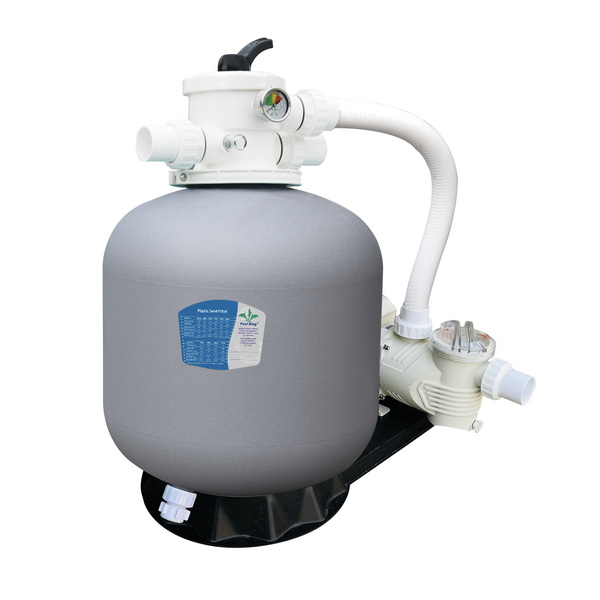
Check the pressure gauge on top of the filter tank and compare it with your recorded clean starting pressure; once pressure rises by about 8–10 PSI, it is time to backwash. Cloudy water or reduced return flow are also signs that the media is clogged and needs cleaning.[7][1]
No; Jandy cartridge filters are not designed for backwashing and instead require opening the tank, removing the cartridges, and hosing them clean. Attempting to backwash a cartridge filter can damage components and still will not clean the cartridges properly.[2][1]
Most sand filters are backwashed for about 2 minutes or until the water in the sight glass appears clear. Many technicians advise not exceeding about 1–1.5 minutes at a time to avoid washing sand out of the filter.[10][4][1]
Yes; backwashing removes the old DE coating and trapped dirt from the grids, so new DE powder must be added to restore full filtration clarity. Use the amount recommended for your filter size, such as approximately 1 lb per 10 sq ft of surface area or the manufacturer's specified charge.[11][3][5]
Possible reasons include insufficient backwash time, skipping the rinse step, incorrect DE dosage, or underlying water chemistry issues such as low sanitizer or incorrect pH. In some cases, the filter may also need a full teardown cleaning or media replacement if backwashing alone is no longer effective.[12][4][1]
Sand typically lasts several years but may need replacement when backwashing no longer restores normal pressure or water stays cloudy despite proper chemistry. DE grids should be inspected during periodic teardown cleanings and replaced when they show tears, cracks, or excessive wear.[12][11][4]
[1](https://atomicfilters.com/blogs/news/how-to-backwash-jandy-pool-filter)
[2](https://www.reddit.com/r/pools/comments/15nph9o/how_to_backwash/)
[3](https://www.youtube.com/watch?v=z6ctZLvTvns)
[4](https://mrpoolman.com.au/blogs/news/how-to-backwash-a-pool-sand-filter)
[5](https://www.youtube.com/watch?v=wAL2H6EE1l4)
[6](https://www.jandy.com/en/products/pool-filters/backwash-valves/2in1-backwash)
[7](https://www.swimmingpool.com/maintenance/pump&filter/how-to-backwash-de-pool-filter/)
[8](https://cdnimages.opentip.com/Docs/HAK/40549-product-728317-.pdf)
[9](https://www.youtube.com/watch?v=RD9h-V_WsA8)
[10](https://www.youtube.com/watch?v=yA4HcOEOi5I)
[11](https://images.inyopools.com/cloud/documents/dev.pdf)
[12](https://www.youtube.com/watch?v=BOkPSeY4v-0)
[13](https://www.youtube.com/watch?v=dbHQgxKm7h0)
[14](https://www.youtube.com/watch?v=in5l46Jq3jw)
[15](https://www.reddit.com/r/pools/comments/1afud7k/how_do_i_back_wash_without_a_multi_valve_port/)


