
Views: 222 Author: Tina Publish Time: 2025-10-14 Origin: Site


Content Menu
● Step 2: Assemble the Side Rails and Steps
● Step 3: Attach the Top Rails
● Step 4: Attach Handle Supports and Warning Boards
● Step 5: Positioning and Installing the Ladder
● Step 6: Final Tightening and Safety Check
● Maintenance Tips for Longevity
● Troubleshooting Common Issues
>> Ladder Wobbles or Feels Unstable
>> Step Does Not Fit or Slide Fully
● Safety Precautions When Using Your Ladder
>> 1. What tools do I need to assemble the Coleman pool ladder?
>> 2. How do I know which side is "A" and "B"?
>> 3. How tight should I make the bolts?
>> 4. Can I assemble and install the ladder myself?
>> 5. How do I maintain the ladder during winter or off-season?
A Coleman pool ladder provides safe entry and exit from your pool. Proper assembly is crucial for durability and safety. The ladder typically consists of side rails labeled "A" and "B," steps, top rails, handles, and necessary hardware like screws and bolts. Following manufacturer instructions and aligning components correctly will make your setup easier and safer.
Using a well-assembled ladder improves pool safety by preventing accidental slips and falls, especially for children and the elderly. The quality and design of Coleman ladders ensure they withstand regular use and weather conditions, making them a top choice for many pool owners.
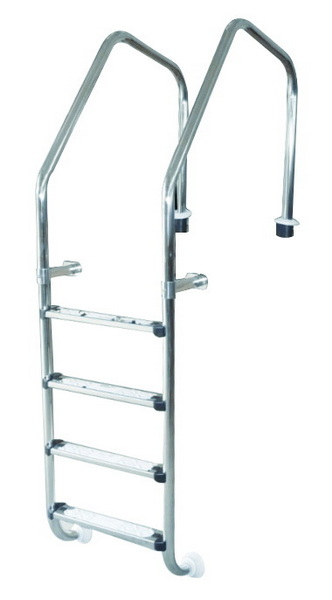
- Crosshead screwdriver
- Adjustable wrench
- Rubber mallet (optional, for seating steps)
- Level (recommended to check ladder alignment)
- Clean cloth for wiping components
Having the right tools handy before starting ensures a smoother assembly process and prevents unnecessary interruptions. A level helps ensure your ladder sits evenly for safe use.
Lay out all ladder parts on a flat surface. Identify the rails labeled "A" and "B," steps, top rails, handle supports, warning boards, and hardware bags containing screws, bolts, and nylon nuts. Familiarize yourself with each part to avoid confusion during assembly.
Organizing parts by size and label can speed up your work. Check for any damaged or missing parts. Contact customer service if replacements are needed before starting the assembly.
1. Take the rail labeled "B" and slide the corresponding bracket onto the top, ensuring the larger part faces downward and the tab is inside the rail.
2. Repeat the process for rail "A."
3. Slide step "A" down onto rail "A," verifying the notch fits tightly into the rail grooves.
4. Repeat for step "B" on rail "B."
5. Use a rubber mallet or your hand to press firmly and seat the steps completely.
6. Continue sliding all remaining ladder steps down their corresponding rails, matching "A" and "B" labeled steps to the correct rails.
7. After all steps are in place, double-check that each step is properly seated and aligned.
This step is a critical part of the ladder structure, as improperly placed steps can cause wobbling or instability. The snug fit and secure brackets ensure the ladder's robustness.
1. Slide the two top rails over the assembled side rails.
2. Align the holes on the top rails with the side rails.
3. Secure the top rails using bolts and nylon nuts included in the hardware pack.
4. Use your adjustable wrench and screwdriver to tighten all bolts securely but avoid overtightening to prevent damage to the nylon nuts.
The top rails form the handrails of the ladder and are vital for user safety. They must be firmly fastened to withstand the weight and movements when climbing.
1. Attach the curved handle supports to designated locations on the top rails or side rails, depending on your model.
2. These handles provide extra grip for safe entry and exit.
3. Snap on any safety warning boards as specified by the manufacturer near the ladder's top platform. These boards typically warn against jumping or rough play on the ladder.
Properly installed handles and warning labels enhance ladder safety and compliance with user guidelines.
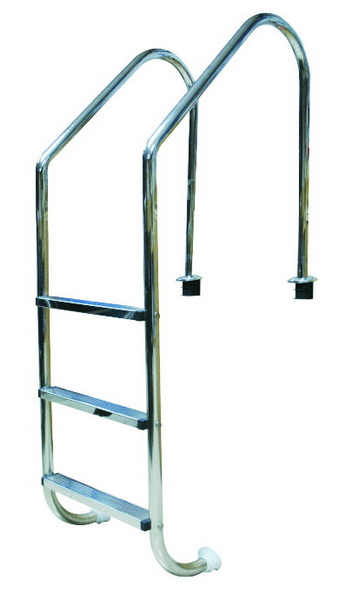
1. Place the ladder near the pool edge on a flat, stable surface.
2. Ensure the ladder's base is secure and level to prevent tipping.
3. Lower the ladder step side into the pool water carefully.
4. For ladders with locking pins or brackets that attach to the pool wall or frame, engage these to fix the ladder firmly in place.
5. Double-check that the ladder does not wobble or shift during use.
At least two adults should assist when placing a ladder into the pool for the first time to manage weight and ensure safety.
- Inspect all bolts, screws, and nuts again to confirm tightness.
- Check ladder stability by gently shaking it to confirm it does not rock or move.
- Make sure the ladder steps and rails are free from debris or manufacturing residue.
- Wipe down the ladder with a clean cloth to remove dust or fingerprints.
A thorough safety check after assembly ensures the ladder remains secure and reliable for pool users, preventing accidents.
1. Regular Inspection: Check the ladder weekly for loose bolts, rust spots, or damaged parts. Tighten or replace components as needed.
2. Clean Frequently: Wash ladder surfaces with mild soap and water monthly to prevent algae or dirt buildup.
3. Winter Storage: If you live in a cold climate, disassemble the ladder and store it indoors during off-season months to prevent weather damage.
4. Avoid Abrasives: Use non-abrasive cloths and cleaners to maintain the finish and extend the ladder's life.
5. Replace Worn Parts: Keep an eye out for worn steps or cracked rails. Replace these parts promptly for user safety.
Maintaining your ladder properly extends its safe use period and preserves the ladder's appearance and functionality.
- Verify that all bolts are fully tightened.
- Ensure the ground surface under the ladder is level and firm.
- Check that steps are fully seated on rails.
- Adjust locking pins or brackets securing ladder to the pool frame.
- Confirm you are using the correct "A" or "B" labeled step for the corresponding rail.
- Remove any protective plastic film from step edges.
- Use a rubber mallet to gently tap the step into position.
- Avoid overtightening bolts.
- Replace any nylon nuts that appear cracked or stripped.
- Use hand tools carefully to prevent excess torque.
- Always ensure the ladder is fully installed and secure before use.
- Do not allow rough play or jumping from the ladder.
- Keep children supervised while using the ladder.
- Do not exceed the weight limit specified by Coleman, typically around 300 lbs.
- Regularly check for wear and replace parts as needed.
Adhering to safety rules helps prevent accidents and extends the ladder's service life.
Assembling your Coleman pool ladder carefully will provide safe and easy access to your pool for years to come. Take your time with each step, align parts correctly, and regularly maintain the ladder for optimal safety. Following the detailed instructions and tips outlined above, and reviewing supplemental videos, will ensure a secure setup. A proper ladder not only enhances pool safety but also improves convenience for all users.
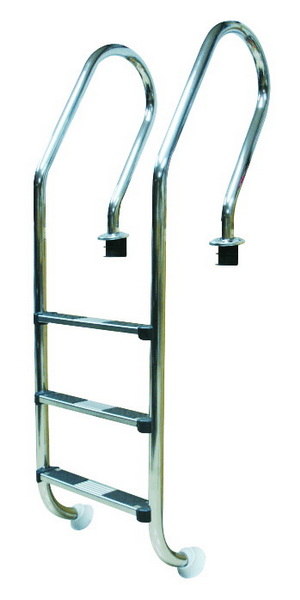
You will need a crosshead screwdriver, an adjustable wrench, and optionally a rubber mallet for seating steps securely.
Rails and steps are labeled "A" and "B" to correspond. You must match "A" parts with each other and "B" parts with each other for proper fit.
Secure bolts snugly but avoid over-tightening to prevent damage to nylon nuts or stripping threads.
Yes, the ladder is designed for easy DIY assembly. Following step-by-step instructions and taking safety precautions makes this task manageable.
Disassemble the ladder, dry all parts thoroughly, and store indoors in a cool, dry area to avoid damage from freezing or moisture.


