
Views: 222 Author: Tina Publish Time: 2025-11-16 Origin: Site


Content Menu
● Understanding Pool Pump Circulation and Filtration
● Calculating Required Pump Run Time
● Factors Affecting Pump Run Time
● Typical Pump Run-Time Guidelines
● Energy Efficiency: Variable-Speed and Smart Controls
● Seasonal Adjustments and Best Practices
● Advanced Troubleshooting and Maintenance
● OEM Perspective: Premium Pool Filtration Manufacturing
● Visual Guides and Infographics
● Turnover Chart: Pool Size vs. Pump Run Time
● Commercial Pools: Key Differences
● Environmental Impact and Future Trends
>> 1. How long should you run your pool pump daily in summer?
>> 2. Do variable-speed pool pumps save money?
>> 3. How often should filters be cleaned?
>> 4. Can I run my pool pump at night?
>> 5. What signs show a pump needs maintenance?
Maintaining a sparkling clean and healthy swimming pool is dependent on effective circulation and filtration. Your pool pump is the heart of this system, driving water through the filter to remove debris and contaminants. But how long should you run your pool pump each day to achieve optimal results, balance energy efficiency, and avoid unnecessary costs? This comprehensive guide covers everything you need to know, from basic calculations to seasonal tips and advanced strategies for commercial pool operators and OEM partners.
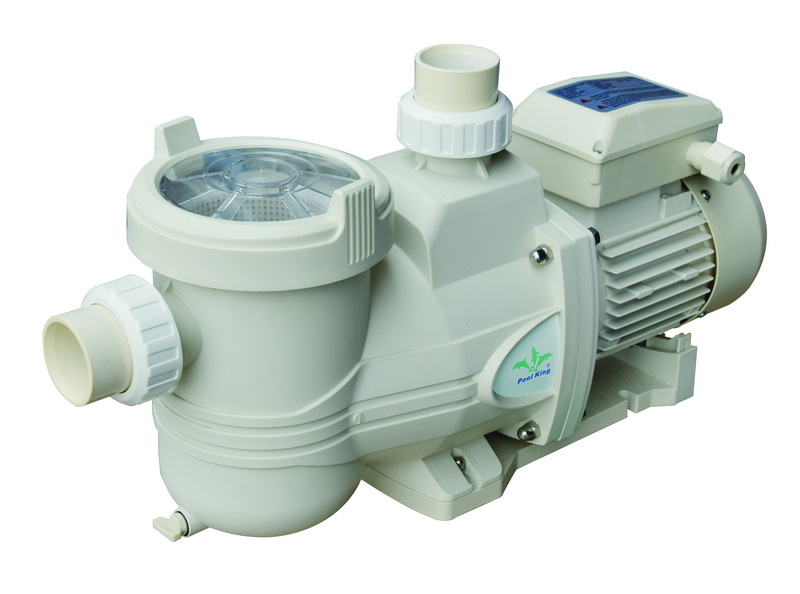
Efficient pool pump usage begins with understanding water circulation and the filtration process. The pump moves water from the pool through the filter, removing particulates and impurities. This process is measured by the “turnover rate,” which is the amount of time needed for the pump to circulate the entire pool volume once.
- Pump: Creates water flow.
- Filter: Traps particles and contaminants; types include sand, cartridge, and DE (diatomaceous earth).
- Strainer Basket: Captures large debris before it reaches the pump.
- Valves: Control water direction and ensure system efficiency.
A quality pump and proper filter setup can greatly improve water clarity and sanitizer effectiveness. Modern pools utilize smart controls and efficient pumps to optimize both cleanliness and energy use.
The most accurate way to determine how long to run your pump is by using the turnover rate. Most pool experts recommend turning over the entire pool volume at least once per day, sometimes twice during periods of heavy use or warm weather.
Calculation Steps:
1. Pool Volume: Determine the total gallons (or liters) in your pool.
2. Pump Flow Rate: Find the pump's flow rate, usually listed in gallons per minute (gpm).
3. Turnover Time Formula:
Each pool is unique, and several factors impact how long you should operate the pump:
- Pool Size and Shape: Larger pools require longer run times.
- Filter Type: Sand filters often need slightly longer cycles than DE or cartridge filters; cartridge filters can be more efficient with shorter run times.
- Climate: Hot, sunny weather increases evaporation and algae risk, requiring more filtration.
- Bather Load: More swimmers introduce more contaminants, demanding increased filtration.
- Nearby Debris: Pools surrounded by trees, landscaping, or pollen need extra filtration.
- Sanitization Method: Salt systems, ozone, or UV often work best with longer, slower pump cycles.
OEM partners and commercial pool operators also tailor run times to specific market requirements and performance standards.
Below are general recommendations based on industry experience and manufacturer guidelines:
- Residential Pools (Summer): 8–16 hours per day, depending on bather load and water temperature.
- Residential Pools (Spring/Fall): 6–8 hours per day.
- Low-Usage (Winter): 4–6 hours per day; maintain circulation to prevent freezing if needed.
- High-Use/Commercial: 16–24 hours, especially in resorts or public facilities with constant bather load.
You can split these hours across two cycles for better chemical distribution and peak energy savings.
Variable-speed pool pumps have revolutionized energy savings. By adjusting the motor speed to match demand, these pumps use less electricity while maintaining proper turnover. Smart controls and timers let owners schedule pumps for off-peak operation, automatically adjusting for daily requirements.
Benefits of Variable-Speed Pumps:
- Up to 80% energy savings compared to single-speed models.[2]
- Quiet operation for residential and commercial settings.
- Extended equipment life due to gentler operating cycles.
Smart Scheduling Tips:
- Run pumps during off-peak electricity hours.
- Divide cycles into morning and evening splits for improved water quality.
- Set backwashing or cleaning for low-traffic periods.
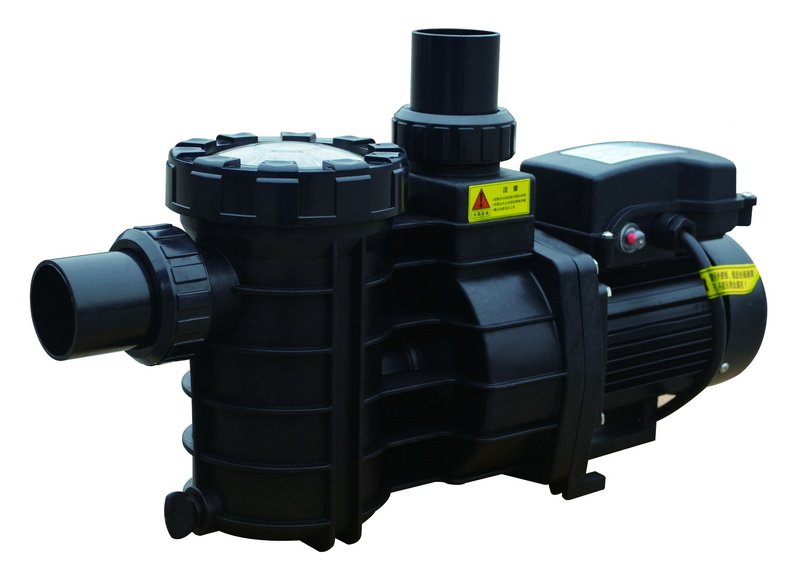
Changing seasons mean adjusting pump schedules. In spring and summer, increased sunshine, higher temperatures, and heavier usage require longer pump operation. In fall and winter, with reduced bather loads and lower algae risk, you can safely reduce run time.
Spring Start-Up Checklist:
- Remove covers and inspect equipment.
- Clean skimmer and pump baskets.
- Prime pump and check for leaks.
Summer Maintenance:
- Monitor filter pressure and backwash as needed.
- Track sanitizer levels and adjust run time.
- Clean pump and skimmer baskets weekly.
Autumn/Winter Care:
- Reduce run-time, but don't eliminate circulation completely.
- Prepare for freeze protection if applicable (activate anti-freeze or freeze modes on smart pumps).
Regular maintenance ensures longevity and performance for pool pumps.
- Check for Leaks: Inspect housings, valves, and connections for water leaks. Prompt repairs prevent efficiency loss.[6]
- Monitor Pressure: Keep an eye on pump and filter pressure. Clogged filters require immediate cleaning or backwashing.
- Clean the Pump: Remove the pump basket, flush out debris, and clean the impeller regularly. This prevents clogs and mechanical failure.
- Lubricate Seals: Use manufacturer-recommended lubricant on O-rings and gaskets to maintain watertight seals.[6]
- Impeller Cleaning: Remove and gently clean the impeller blades using a brush or soft tool.
Schedule professional inspections annually to ensure pump motor and electrical components are functioning at their best; address wear or abnormal noises immediately.
Our Chinese factory is dedicated to producing premium sand filters, DE filters, cartridge filters, pumps, LED lights, and accessories using intelligent manufacturing. With automated lines and quality control, we offer OEM services to foreign brands, wholesalers, and manufacturers:
- Customization: Product design to meet international regulations and brand requirements.
- Precision Assembly: Advanced robotics guarantee consistent build quality.
- Scalable Production: From small batch to bulk orders, flexible solutions for every market.
- Energy Efficiency: Emphasis on variable-speed pump technology and modern filtration designs.
- After-Sales Support: Reliable service and technical assistance for global clients.
To further illustrate the key points, consider embedding the following visuals:
- Schematic diagram of a pool filtration system (including sand, cartridge, and DE options).
- Calculation infographic showing turnover rates by pool volume and pump flow.
- Step-by-step photo series on pump basket cleaning and impeller maintenance.
- Short video clip demonstrating variable-speed pump operation and smart controls.
- Comparative table of run-time recommendations for different pool types and seasons.
- Flowcharts for troubleshooting common pump issues: low flow, leaks, noise.
Each visual element reinforces the main ideas and improves usability for readers in both B2C and B2B markets.
| Pool Volume (Gallons) | Pump Flow Rate (gpm) | Single Turnover (hours) | Typical Run Time (Summer) |
|---|---|---|---|
| 10,000 | 40 | 4.2 | 8–10 |
| 15,000 | 50 | 5 | 10–12 |
| 20,000 | 60 | 5.5 | 12–16 |
| 30,000 | 75 | 6.7 | 14–18 |
Some pool owners maintain misconceptions about pump operation. Here are a few widely held myths:
- Myth: Running the pump 24/7 is always best.
- Reality: This significantly increases energy bills without added benefit. Proper turnover and run time is what matters.
- Myth: Crystal clear water means filtration is sufficient.
- Reality: Visual clarity can hide microbial or chemical imbalances. Always use proper testing.
- Myth: Small pools don't need long run times.
- Reality: Water volume and contamination risk still require calculated turnover.
Public and hotel pools face higher bather loads, stricter water regulations, and increased exposure to debris and chemicals. As a result, commercial operations require:
- Extended pump hours (often 16–24 hours).
- More frequent backwashing/cleaning.
- Use of high-capacity filters (often multi-stage systems).
- Smart monitoring with automated chemical feed and pump scheduling.
Our OEM lines are tailored to these unique market needs, offering reliability and compliance with international health standards.
Energy efficiency is critical as utility rates rise. Modern pumps and proper scheduling strategies minimize energy use and lessen the carbon footprint of pool ownership.
- The shift to variable-speed models will accelerate energy savings and regulatory compliance.
- Automated systems will allow for remote management, predictive maintenance, and sustainability reporting.
Pool pump technology evolves to fit these demands, with newer models integrating Wi-Fi connectivity, advanced diagnostics, and adaptive cycle scheduling.
Running your pool pump the correct amount each day ensures clean water, energy savings, and long-term equipment reliability. Use turnover-based calculations, adjust for seasonal and operational factors, and employ smart technology for optimized performance. Whether for residential or commercial pools, and whether you're a homeowner or an OEM brand partner, following these detailed guidelines will guarantee top filtration results and a safe, enjoyable swimming experience.
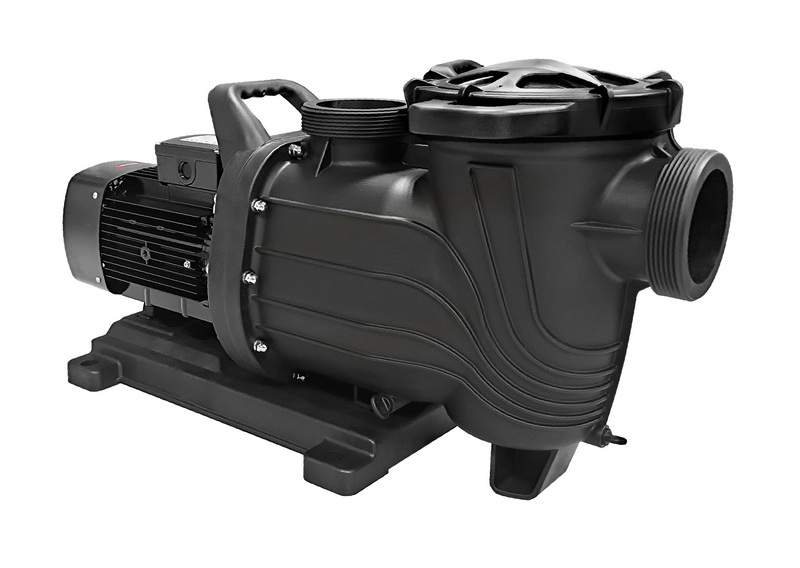
Most experts recommend 8–16 hours per day for home pools during summer, adjusting for pool size, filter type, and bather load.
Absolutely. Variable-speed pumps adjust flow for efficiency, reducing electricity consumption by up to 80% while maintaining excellent water quality.[2]
Sand and DE filters should be backwashed when pressure rises by 8–12 psi. Cartridge filters need rinsing when flow drops or pressure increases; always follow manufacturer guidelines.
Yes. Off-peak electricity rates make night operation economical, and split cycles improve sanitation and energy efficiency. Ensure noise policies and chemical stability.
Look for unusual noises, leaks, reduced flow, or high pressure. Clean the strainer basket and impeller routinely, lubricate seals, and schedule professional checks yearly.[3][6]
[1](https://poolicons.com/pool-maintenance/complete-beginners-guide-to-pool-pump-operation/)
[2](https://www.swimuniversity.com/variable-speed-pool-pumps/)
[3](https://lesliespool.com/blog/the-ultimate-pool-pump-maintenance-guide.html)
[4](https://www.capitolpool.com/service/operating-instructions)
[5](https://www.insnrg.com/wp-content/uploads/2024/08/IO-MANUAL-Qi-Variable-Speed-Pump.pdf)
[6](https://poolpartstogo.com/blogs/articles/installation-and-maintenance-tips-for-pool-pump)
[7](https://www.youtube.com/watch?v=SPOzgmXgTlk)
[8](https://blog.royalswimmingpools.com/blog/what-horse-power-pump-should-i-get-for-my-pool)
[9](https://bpspools.com/complete-pool-pump-guide/)


